ZA/UM Studio in Turmoil: A Deep Dive into the Latest Layoffs and the Studio’s Fractured Legacy
The wave of instability currently sweeping through the global video game industry has claimed another significant casualty. ZA/UM Studio, the developer once celebrated for creating the critically acclaimed narrative masterpiece Disco Elysium, has officially announced a round of layoffs impacting up to 32 employees. This reduction in force, which spans across all departments of the organization, underscores a troubling period of decline for a company that was once considered the vanguard of independent, experimental game development.
The Core Facts: A Studio in Contraction
The announcement, delivered via the studio’s official social media channels, confirmed that management has served redundancy or "at-risk" notices to nearly three dozen staff members. This decision represents a substantial portion of the studio’s headcount, signaling a strategic retreat in the wake of disappointing commercial results.
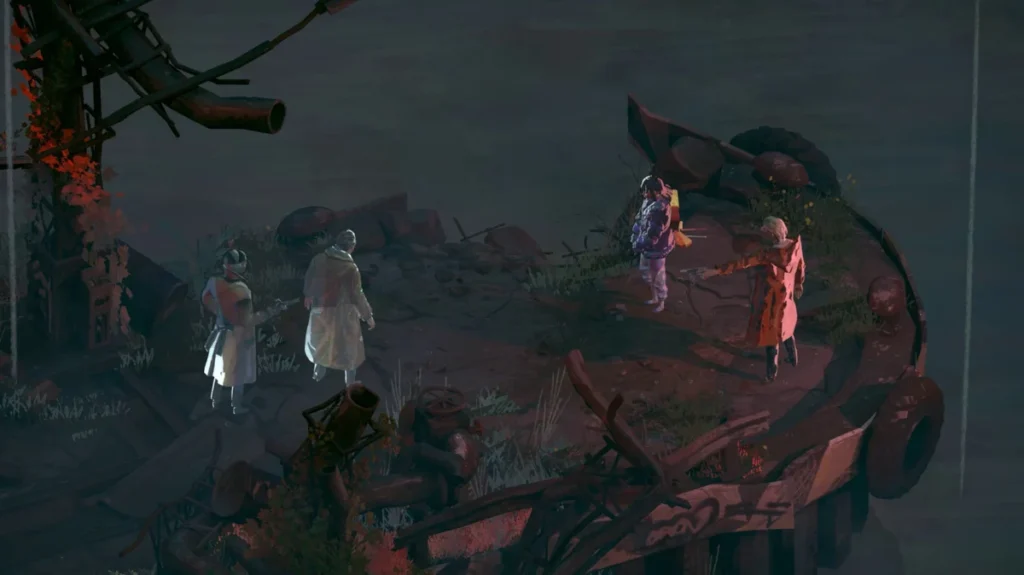
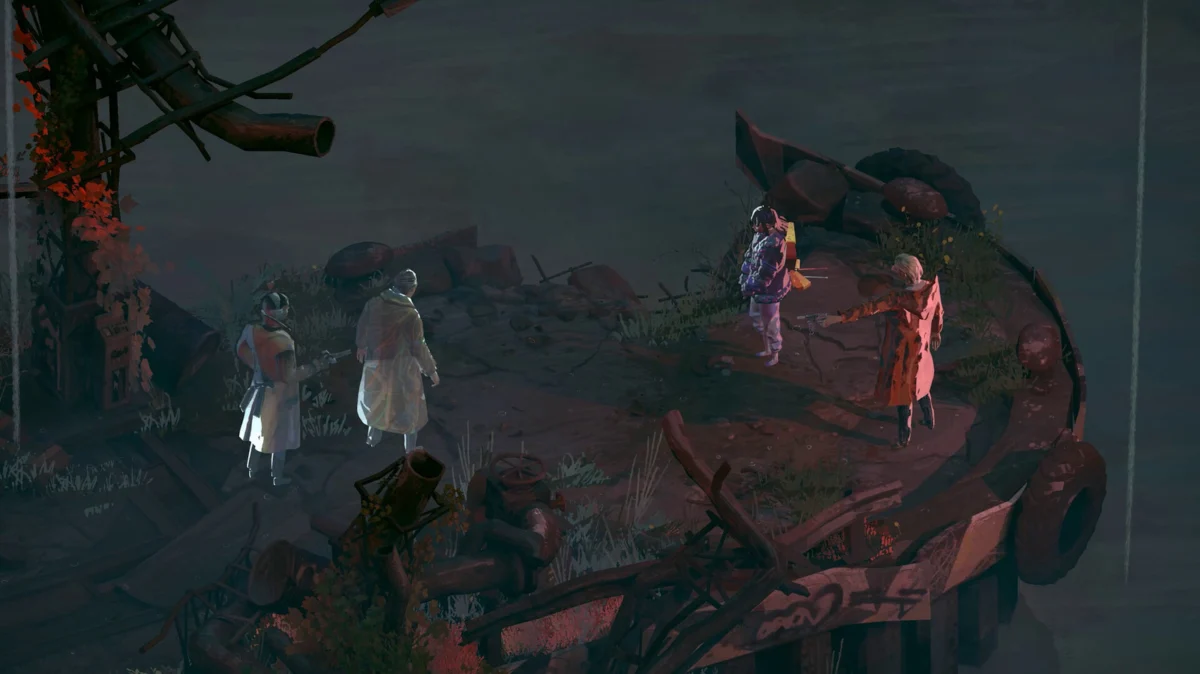
The primary driver behind this downsizing is the lackluster market performance of the studio’s latest title, Zero Parades: For Dead Spies, which launched in May. Despite the studio’s pedigree, the espionage-themed RPG failed to find the commercial traction necessary to support its current operational scale. According to data from SteamDB, Zero Parades hit a modest all-time peak of 3,177 concurrent players during its launch window—a figure that failed to convert into the long-term engagement or revenue streams required to sustain a studio of ZA/UM’s size.
A Chronology of Decline: From Zenith to Restructuring
To understand the current crisis, one must look at the trajectory of ZA/UM since the 2019 release of Disco Elysium.
The Rise and the Rift
Upon its debut, Disco Elysium was hailed as a revolutionary title. It won numerous Game of the Year awards and was praised for its unparalleled depth of writing and philosophical inquiry. However, the internal culture of the studio began to deteriorate rapidly thereafter.
By 2022, the industry was rocked by reports of the forced departure of the game’s core creative team, including lead writer Robert Kurvitz and art director Aleksander Rostov. This sparked a flurry of legal battles, including lawsuits centered on intellectual property theft and allegations of a hostile work environment. These events effectively hollowed out the original creative soul of the company.
The Post-Creative Era
Following the exodus of the founding talent, the studio attempted to pivot toward new projects. The development of Zero Parades: For Dead Spies was viewed by many as an attempt to prove that the studio could survive without its original architects. Instead, the game’s tepid reception served as a final indictment of the current leadership’s inability to recapture the lightning-in-a-bottle success of their breakout hit.
Supporting Data and Market Analysis
The current state of ZA/UM is emblematic of a broader "correction" within the gaming sector. After an era of unprecedented growth fueled by the pandemic, many studios are now facing a "crunch" of a different kind: the financial reality of ballooning budgets and cooling consumer interest.
Revenue vs. Operational Overhead
Industry analysts point out that mid-sized studios often fall into a "dead zone." They are too large to operate with the agility of a lean, five-person indie team, yet they often lack the massive marketing budgets of AAA publishers to guarantee a return on investment. With Zero Parades peaking at just over 3,000 players on PC, the revenue generated would have been insufficient to cover the overhead of a staff that likely numbered well over 50–60 individuals.
The Shift in Narrative Games
The "narrative-first" genre, while passionate, has become increasingly crowded. As former ZA/UM developers migrated to new ventures—most notably the studio "Longdue," which is currently developing its own narrative-heavy spiritual successor—the competition for the attention of Disco Elysium fans has intensified. This splintering of the original fan base has made it increasingly difficult for the "remnant" ZA/UM studio to maintain its brand identity.
Official Responses and Internal Consultations
In its public statement, ZA/UM Studio emphasized that it is currently navigating the redundancy process with transparency. The company stated: "We have continued to consult and work with representatives of the ZA/UM Workers’ Alliance."
The Workers’ Alliance, an internal labor group, has been a critical player in the studio’s recent history. Formed in response to the internal conflicts that plagued the company post-2019, the Alliance has become the primary conduit for employees seeking protections during this period of instability. However, the fact that such extensive layoffs were deemed "necessary" suggests that negotiations regarding alternative cost-saving measures—such as executive pay cuts or project pivots—were likely unsuccessful or insufficient to address the studio’s cash-flow problems.
Management has remained relatively tight-lipped regarding the specific future of the studio’s remaining projects or whether the company intends to pivot to a smaller, "boutique" publishing model. For now, the focus remains on the immediate severance of 32 roles and the stabilization of the remaining team.
Implications: The Future of the "Disco" Legacy
The implications of these layoffs extend far beyond the immediate loss of jobs. They represent the potential death knell for the original vision of ZA/UM.
The Fragmentation of Creative Talent
The talent that defined the "ZA/UM style"—that unique, gritty, and deeply humanistic approach to RPG design—is now scattered across the industry. When a studio loses its core creative team, it often loses its "DNA." The recent layoffs are likely the final stage of an identity crisis that began years ago. Investors and fans alike are now left wondering if the ZA/UM brand holds any inherent value without the people who built it.
The Risks of Studio "Inheritance"
The situation serves as a stark warning to other studios regarding the risks of attempting to continue a legacy without the original creators. The audience for high-concept, narrative-driven RPGs is highly discerning; they are loyal to the visionaries rather than the corporate entity. The failure of Zero Parades underscores that brand recognition alone cannot sustain a commercial enterprise in a competitive market.
A Warning for the Industry
The "ZA/UM model" of management—marked by internal litigation and executive-level conflict—has arguably been the company’s greatest liability. As the studio enters this new phase of forced contraction, the gaming industry at large is watching. The outcome will likely influence how other studios approach succession planning, internal labor relations, and the management of high-profile intellectual properties.
Conclusion: What Comes Next?
As the 32 affected employees begin their search for new opportunities, the gaming industry faces a somber reality. The story of ZA/UM is one of immense potential squandered by internal strife, legal warfare, and a failure to adapt to a changing market. While the studio claims it is "consulting" with its workers, the reality for those affected is a harsh reminder of the volatility inherent in the modern game development landscape.
Whether ZA/UM can reinvent itself once more, or whether it is destined to fade into a footnote of industry history, remains to be seen. What is clear, however, is that the era of the "original" ZA/UM is long over, and the industry’s ongoing contraction shows little sign of slowing down. For players, the loss of these jobs is not just a corporate statistic; it is the further dilution of a creative spark that once promised to change the way we think about the medium of video games.