The Rise of the Machine Economy: AWS WAF Introduces AI Traffic Monetization
In a landmark shift for the digital publishing industry, Amazon Web Services (AWS) has unveiled a sophisticated new capability for its Web Application Firewall (WAF) that promises to fundamentally alter the economic relationship between content creators and artificial intelligence entities. By enabling AI traffic monetization, AWS is providing publishers and digital content owners with a mechanism to charge AI bots and autonomous agents for access to their web content directly at the network edge.
This development arrives at a critical juncture. As AI-specific crawlers experience a staggering 300% year-over-year growth, they have come to dominate the internet’s infrastructure, now accounting for more than 50% of web traffic for a vast array of content providers. Unlike the traditional search engine crawlers of the past, which indexed content to provide referral traffic and potential advertising revenue back to the publisher, modern AI bots consume information to synthesize summaries and generate responses in proprietary AI interfaces—often without sending a single user back to the original source. This "value-drain" leaves publishers bearing the infrastructure costs of high-bandwidth traffic without the compensatory page views or subscription conversions.
The Evolution of the Bot Problem: A Chronology of Access
To understand the necessity of this new AWS WAF capability, one must look at the recent history of web scraping and automated content consumption.
The Era of "Open" Crawling (2010–2020)
For over a decade, the web operated on a tacit agreement: websites allowed search engine crawlers to scrape content in exchange for visibility in search rankings. Publishers optimized for SEO, and in return, search engines delivered audiences. This symbiotic relationship was the bedrock of the digital advertising economy.
The Rise of Generative AI (2021–2024)
The advent of Large Language Models (LLMs) shifted the paradigm. As AI companies began scraping the entire web to train and update models, the "referral" aspect of web traffic began to evaporate. Publishers found their content appearing in AI-generated answers, but their server logs showed massive spikes in bot activity with zero return on investment.
The Infrastructure Crisis (2025)
By early 2025, the strain on content providers became unsustainable. Many large publishers reported that AI bots were consuming as much as 60% of their total bandwidth. Because AWS WAF Bot Control was primarily a defensive tool—used to block or rate-limit traffic—publishers were forced into a binary choice: allow the bots and pay for the bandwidth, or block them and lose the opportunity for potential licensing revenue.
The Monetization Breakthrough (June 2026)
In June 2026, AWS fundamentally closed this gap. By integrating the x402 payment protocol—a standard for machine-to-machine payments—directly into the WAF console, AWS transformed AI bots from a source of cost into a potential source of revenue. This marks the first time that automated "payment-required" triggers have been available at the infrastructure layer at scale.
Supporting Data: Why Publishers Are at a Crossroads
The data behind this rollout reveals a stark reality for content owners. According to recent internal metrics, the volume of bot traffic is not merely increasing; it is becoming increasingly "expensive."

- Traffic Composition: AI crawlers now represent more than half of all incoming requests for typical enterprise-level web properties.
- Infrastructure Costs: The bandwidth costs associated with serving content to non-human, non-referral bots have increased by nearly 40% annually for mid-to-large-scale content platforms.
- The Conversion Gap: While human traffic typically yields a measurable conversion rate (ad impressions, clicks, or subscriptions), AI traffic is currently near-zero in terms of direct ROI.
- Agent Diversity: AWS WAF currently classifies over 650 distinct AI bot types, ranging from major players like GPTBot and Claude-Web to specialized niche scrapers like Perplexity-Bot.
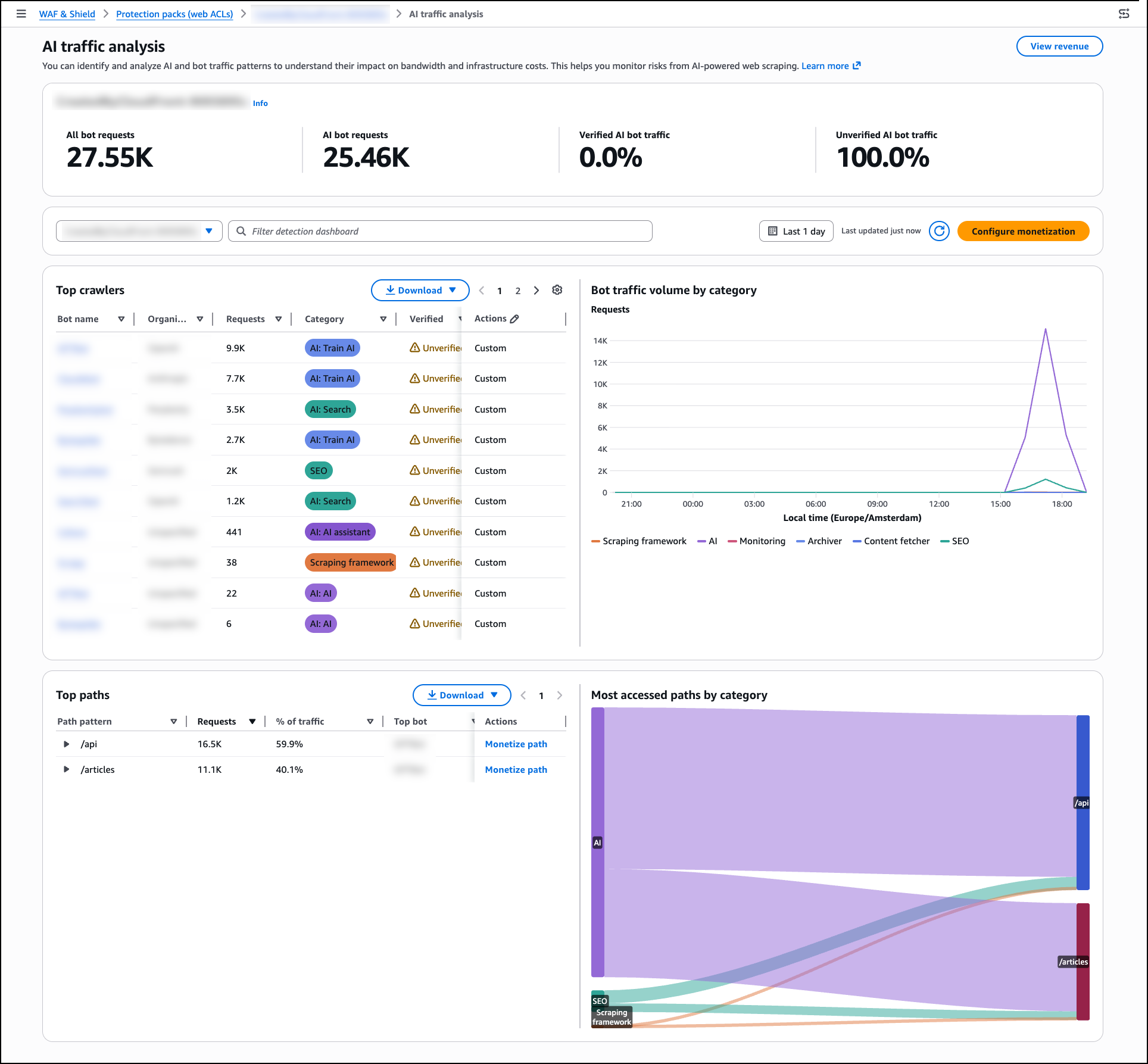
The ability to categorize this traffic is central to the new monetization strategy. Publishers no longer have to treat all "bots" as a single entity. Instead, they can apply granular access policies, creating different "verification tiers" that dictate whether an agent is granted free access, blocked, or required to pay a fee.
Operational Mechanics: How Monetization Works
The implementation of AI traffic monetization is designed to be seamless, requiring no changes to the publisher’s origin infrastructure or backend application code.
The Protection Pack Concept
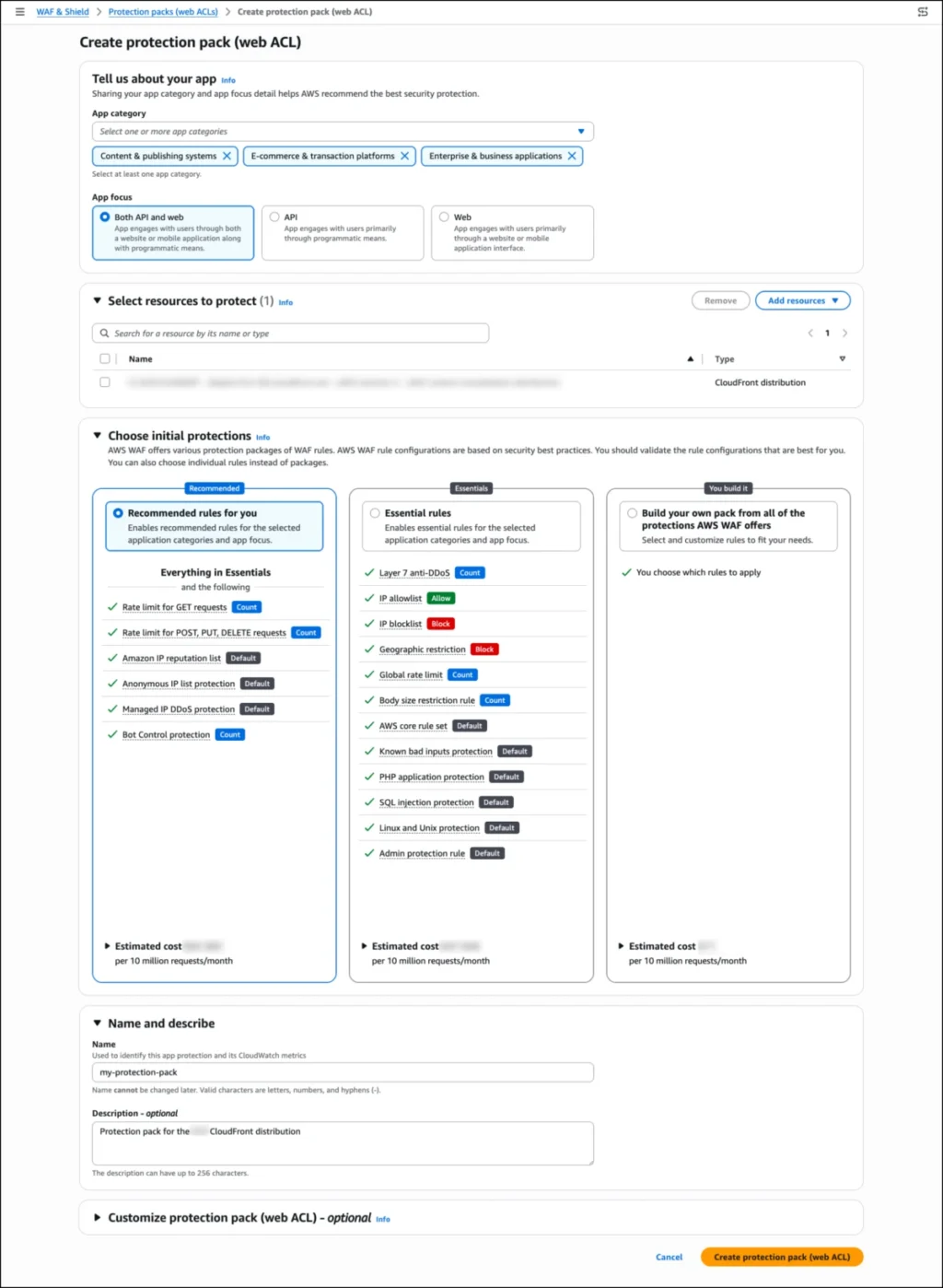
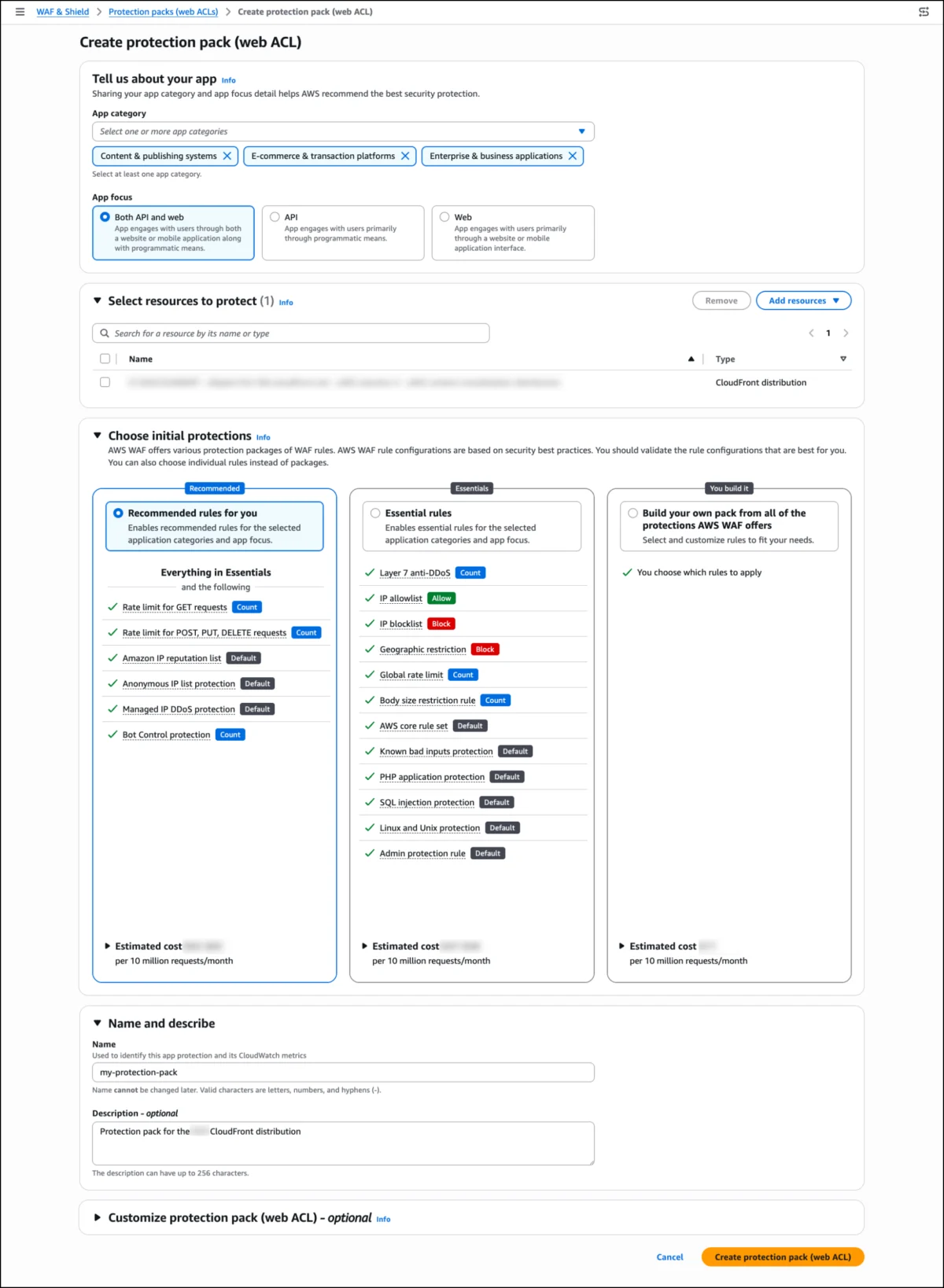
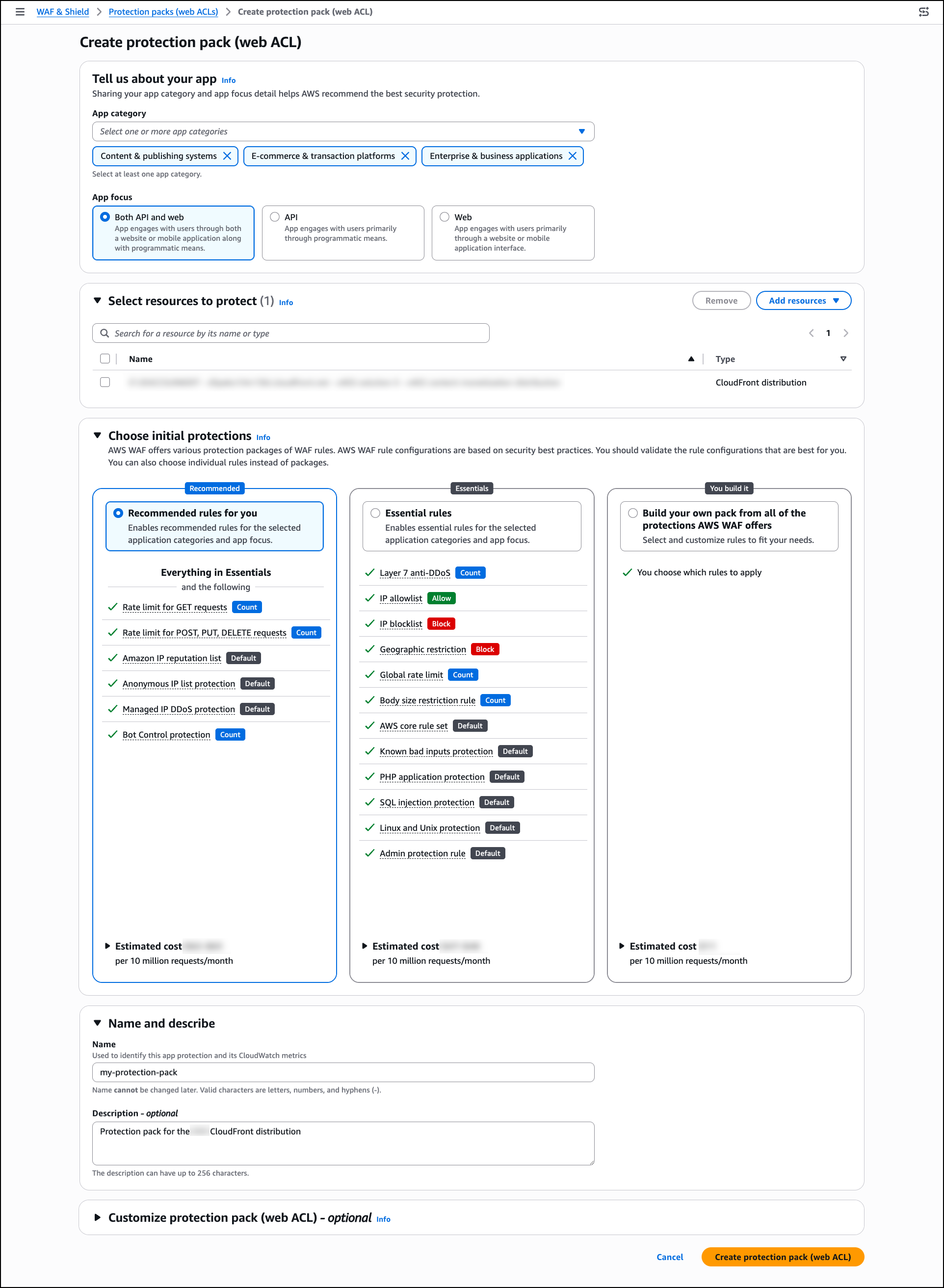
The core configuration unit is the "Protection Pack." Within the AWS WAF console, publishers define specific content paths—such as /articles/, /archives/, or /data/—and assign pricing rules to them.
The x402 Protocol and Blockchain Integration
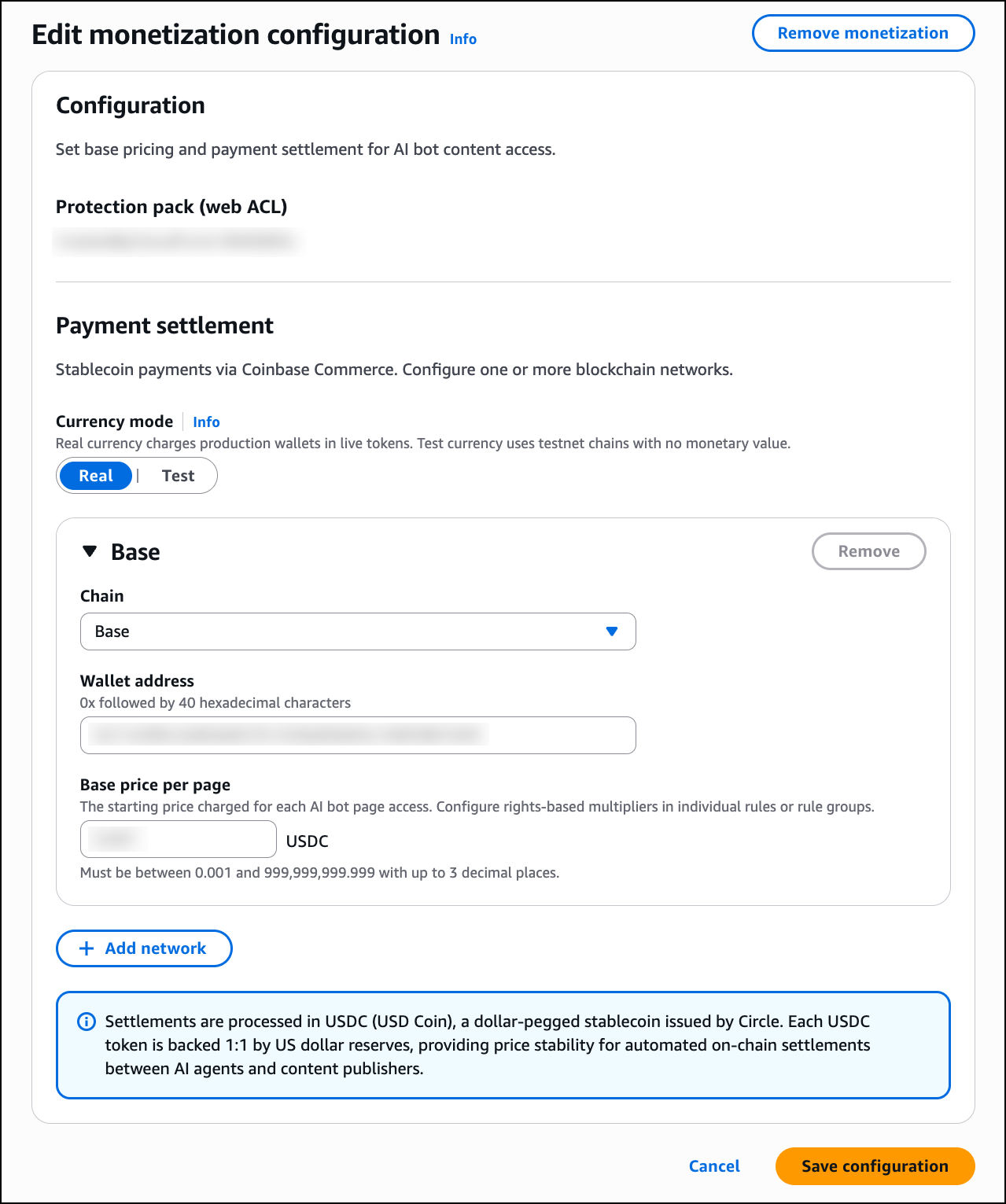
When an AI bot hits a protected path, the AWS WAF edge location acts as a gatekeeper. If the policy is set to "Monetize," the system returns an HTTP 402 "Payment Required" response. This response contains a machine-readable JSON manifest using the x402 protocol, detailing the price in USDC (a stablecoin), the accepted blockchain networks (such as Base or Solana), and the destination wallet address.
Because the system supports stablecoins and decentralized payment settlement, it bypasses the need for traditional, slow-moving banking integrations or the legal complexity of negotiating thousands of individual licensing agreements. The bot, if it is programmed to be compliant, performs an autonomous transaction on the blockchain, and AWS WAF—after verifying the on-chain settlement—serves the requested content.
Testing and Transparency
AWS has implemented a robust "Currency Mode" toggle. Publishers can operate in "Test" mode on non-production traffic, utilizing testnets like Base Sepolia to ensure that their pricing manifests and wallet configurations are correct before going live. This allows for risk-free experimentation with pricing models.
Implications for the Future of the Web
The implications of this AWS rollout are profound, touching on legal, economic, and technical domains.
The End of "Free" Training Data
For the past three years, the dominant sentiment among AI developers has been that the "public web" is free training data. AWS’s move forces a transition toward a "pay-to-crawl" model. This puts power back into the hands of original creators, who can now decide the value of their data at the moment of request.
The Shift Toward Micro-Payments
The integration of x402 and blockchain-based settlement signifies a broader shift toward the "Machine Economy." As AI agents become more autonomous, the need for human-in-the-loop payments diminishes. We are likely to see the rise of standardized pricing for "data usage," where publishers set a price per page view or per token of content consumed, creating a predictable, automated revenue stream.
A More Robust Web Ecosystem
By providing a clear framework for monetization, AWS is arguably saving the web from a "tragedy of the commons" scenario. If publishers were forced to block all AI traffic to preserve their infrastructure, the quality of AI models would stagnate due to a lack of fresh data. By creating a monetization pathway, AWS encourages a sustainable ecosystem where AI companies can pay for the high-quality, real-time data they need, and publishers are compensated for their work.
Strategic Considerations for Enterprise
For businesses, this capability requires a shift in how they view "Bot Control." It is no longer just a security tool to prevent DDoS or credential stuffing; it is now a strategic business asset. CMOs and CTOs will need to collaborate to define what their content is worth. If a top-tier media site decides that a single article crawl by an AI agent is worth $0.05 in USDC, that calculation will become a new line item in the digital revenue budget.
Conclusion
The introduction of AI traffic monetization by AWS represents a historic pivot point. It acknowledges that the internet is no longer just a network for human communication, but a massive, interconnected system of autonomous agents interacting with proprietary data.
By providing the infrastructure to settle these transactions at the network edge, AWS has empowered content owners to reclaim control over their assets. While the long-term adoption of the x402 protocol across all AI developers remains to be seen, the technical hurdle for doing so has effectively been removed. As the industry moves forward, the "payment required" header may well become as ubiquitous as the "404 not found" error, signaling the arrival of a truly commercialized, machine-to-machine web.