From Pixels to Pulses: Midjourney’s Radical Pivot into Medical Diagnostics
In a pivot that has left the tech industry stunned, Midjourney—the San Francisco-based powerhouse primarily known for pioneering generative AI imagery—has announced a complete departure from its creative roots. The company is transitioning into the hardware sector with the launch of "Midjourney Medical," a bold initiative centered on a proprietary full-body ultrasonic scanner. While the firm built its reputation on text-to-image prompts and artistic synthesis, it is now turning its computational prowess toward biological imaging, promising to revolutionize how we monitor human health.
The project, which initially triggered widespread skepticism due to its departure from software-centric AI, has been confirmed as a tangible hardware venture. Midjourney is not only developing the diagnostic technology but is also establishing a network of "medical spas" where consumers can access these rapid, non-invasive health scans.
The Core Technology: Echolocation at Scale
At the heart of the Midjourney Medical project is a sophisticated ultrasonic scanner designed to bypass the traditional, cumbersome nature of magnetic resonance imaging (MRI).
How the Scanner Operates
The device functions through a unique, immersive process. A user steps onto a platform, which then submerges them in a controlled water environment at a rate of two inches per second. The core of the machine is a precision-engineered ring embedded with half a million individual ultrasonic sensors, each roughly the size of a grain of sand.
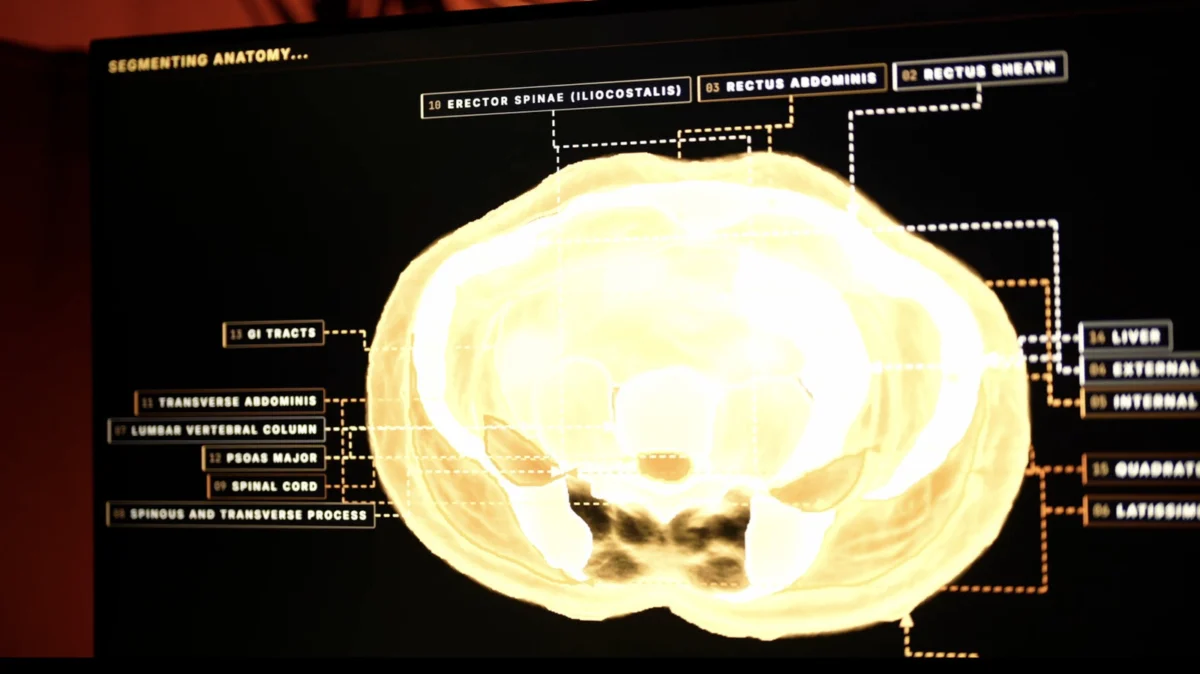
These sensors act in tandem to emit ultrasonic waves that penetrate the body. By recording the resulting ripples that bounce back—a process the company explicitly likens to the biological echolocation used by dolphins—the scanner constructs a high-fidelity 3D map of the user’s internal anatomy.
Performance and Efficiency
The promise of this technology lies in its speed and resolution. Midjourney claims the scanner can produce detailed imagery accurate to a fraction of a millimeter. While a standard full-body MRI typically requires 60 to 90 minutes of stationary, often claustrophobic confinement, the Midjourney Scanner is engineered to complete a full diagnostic sweep in under 60 seconds. This nearly 100-fold increase in efficiency could effectively turn medical imaging from a major, scheduled surgical-grade event into a routine wellness check.
A Strategic Evolution: The Chronology of Development
The transition from generative AI to medical hardware was not an overnight decision. It represents a long-term strategic shift in the company’s identity.
- Late 2023: Midjourney recruits Ahmad Abbas, a former Apple veteran who played a key role in the development of the Vision Pro. Abbas is tasked with heading the company’s nascent consumer hardware division.
- November 2025: Midjourney secures a pivotal licensing agreement with Butterfly Network, a leader in handheld ultrasound-on-chip technology. This partnership provides Midjourney with the exclusive rights to the specific chip architecture required to power their massive sensor arrays.
- Early 2026: The company formalizes "Midjourney Medical." The internal mandate shifts from "How do we generate better images?" to "How do we want to be different and what do we want to become?"
- Next 12 Months (2026-2027): The company enters a phase of intensive research trials, algorithm refinement, and the design of second-generation hardware prototypes.
- 2027: The scheduled opening of the flagship "Midjourney Spa" in San Francisco, serving as the first physical touchpoint for consumers.
- 2028: Planned expansion into additional metropolitan areas and the rollout of third-generation hardware utilizing custom silicon to enhance diagnostic image quality.
- 2031: The long-term target of deploying 50,000 scanner units globally.
Industry Implications and Strategic Partnerships
Midjourney’s entry into the medical market is bolstered by its collaboration with the Butterfly Network. By leveraging Butterfly’s semiconductor-based ultrasound technology, Midjourney bypasses the initial R&D hurdle of building an imaging sensor from scratch.
The appointment of Ahmad Abbas is equally significant. His experience at Apple suggests a focus on user experience and the "consumerization" of medical devices. By framing the scanner locations as "spas," Midjourney is attempting to de-stigmatize medical screening, shifting the perception of an MRI-equivalent scan from a clinical, anxiety-inducing procedure to a casual, wellness-oriented experience.
Official Stance and The "Vision"
In its official blog post, Midjourney addressed the jarring nature of its pivot. The company acknowledged that the medical scanner bears no resemblance to their text-to-image software. However, leadership framed the move as a natural extension of their "imaging" expertise—only moving from pixels to pulses.
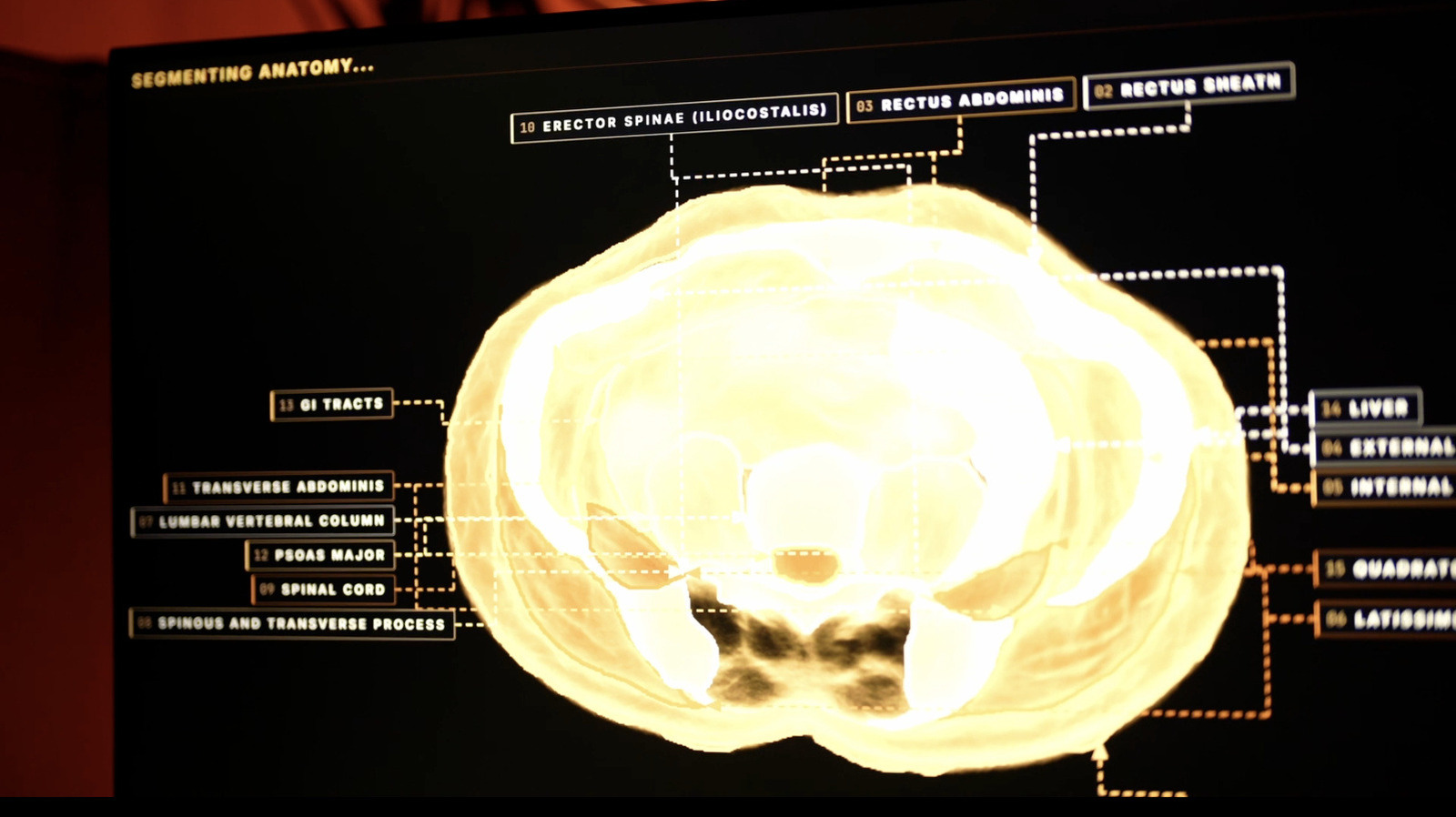
"We’ve dreamed of something as powerful as MRI, and as casual as a trip to the spa, and we’re unveiling a path to that today," the company stated.
The philosophical justification for the move is deeply rooted in preventative medicine. Midjourney contends that by lowering the barrier to entry for full-body imaging, they can fundamentally alter the global healthcare landscape. The company’s stated ambition is lofty: they believe that with ubiquitous, early-stage imaging, the global medical community could potentially reduce total mortality rates by 30 percent and slash healthcare costs by 50 percent. By catching pathologies—such as tumors, vascular issues, or organ anomalies—in their infancy, the company believes they can shift the healthcare model from "reactive treatment" to "proactive maintenance."
Critical Challenges and Future Hurdles
Despite the optimism, the path forward for Midjourney is fraught with regulatory and technical obstacles.
The FDA Barrier
The most immediate challenge is the regulatory landscape. While the hardware might be ready, it currently lacks FDA approval for diagnostic use. Medical device certification is a rigorous, multi-year process that requires clinical evidence to prove that the machine is not just fast, but accurate enough to be relied upon for life-saving diagnoses.
Data Privacy and Security
Midjourney has long been the subject of debate regarding data usage in its AI models. Moving into the medical sector will exponentially increase the scrutiny regarding how they store, process, and protect sensitive biometric data. If the company is to succeed in the medical space, it must transition from the "move fast and break things" ethos of the software industry to the "safety first" culture of the medical sector.
Technical Scalability
While 60-second scans are theoretically impressive, the complexity of managing a 50,000-unit global footprint—complete with the necessary infrastructure for water-based immersion and high-speed data processing—is a logistical challenge of massive proportions. The transition to third-generation hardware in 2028 will be the true "make or break" moment for the project, as the company attempts to match the diagnostic precision of established hospital-grade MRI systems.
Conclusion: A New Frontier
Whether Midjourney will successfully transition from an internet-based creative tool to a pillar of the global healthcare infrastructure remains to be seen. The move signals a broader trend in the tech industry: the convergence of artificial intelligence, consumer hardware, and preventative medicine.
If Midjourney manages to deliver on its promise of an accessible, affordable, and rapid full-body scanner, it could indeed democratize healthcare in a way that modern medicine has thus far failed to do. However, the company faces the daunting task of proving that its algorithms are as reliable in diagnosing a human body as they are in rendering a piece of digital art. As the world watches the development of the first San Francisco "Spa" location, the question remains: can an AI company truly pivot to save lives, or is this the ultimate overreach of a tech giant?
For now, the world waits to see if the dream of "casual" medical imaging will become a permanent fixture of our daily lives or remain a fascinating, if misguided, footnote in the history of Silicon Valley’s evolution.