Unlocking Peak Performance: A Deep Dive into Google’s New Android Performance Analyzer
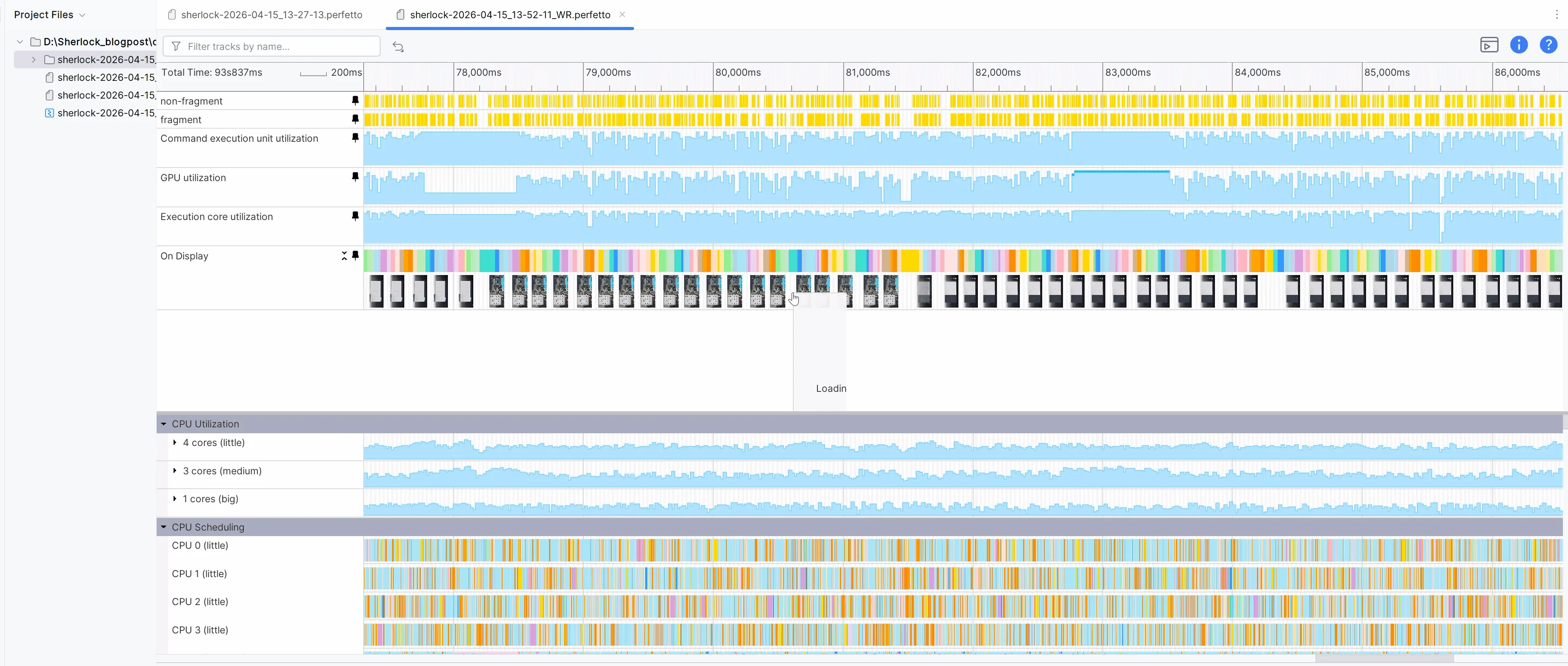
In the high-stakes world of mobile gaming and application development, the difference between a seamless user experience and a frustrating, stuttering interface is often measured in milliseconds. Today, Google has introduced a pivotal tool designed to bridge this gap: the Android Performance Analyzer (APA). Currently in open beta, this sophisticated profiling suite represents a significant evolution in how developers monitor, debug, and optimize software across the Android ecosystem.
Developed in close collaboration with industry heavyweights, including the Samsung Austin Research Center (SARC) and graphics-tooling specialist LunarG, the APA is built to provide deep, actionable insights into how apps interact with modern mobile hardware. By leveraging the industry-standard Perfetto framework for system tracing, Google aims to provide developers with a unified, cross-platform solution to the notoriously complex problem of mobile performance optimization.

Main Facts: What is the Android Performance Analyzer?
At its core, the Android Performance Analyzer is a standalone desktop application—compatible with Windows, macOS, and Linux—that functions as an all-encompassing diagnostic dashboard for Android developers. Unlike previous iterations of profiling tools that were often locked into specific IDEs or build systems, the APA is designed for flexibility. It allows developers to capture, inspect, and analyze system performance metrics without being tethered to a specific Android Studio project or Gradle build configuration.
The tool provides a comprehensive "deep dive" into four critical pillars of mobile performance: CPU usage, GPU rendering, memory allocation, and power consumption. For developers working on high-fidelity titles—particularly those utilizing the Vulkan graphics API—the APA offers unprecedented visibility into GPU counters and render stages.

Key capabilities include:
- System-Wide Profiling: A holistic view of how an app interacts with the OS, including thread scheduling and CPU core frequencies.
- Visual Debugging: Integration of screenshot captures within the timeline, allowing developers to correlate visual glitches or frame drops with specific code execution patterns.
- Customizable Analysis: Support for custom Perfetto configurations, enabling advanced users to tailor data collection to their specific architectural needs.
- Cross-Platform Accessibility: A unified interface that ensures consistency whether the development team is working on Windows workstations, Mac laptops, or Linux-based build machines.
Chronology: The Road to a Unified Profiler
The journey to the Android Performance Analyzer is a testament to Google’s shifting focus toward developer-centric tooling. For years, the Android ecosystem relied on a fragmented collection of tools, such as the Android GPU Inspector and various integrated profilers within Android Studio. While effective, these tools often lacked the granular, cross-platform stability required for large-scale production environments.

- Early Development: Google began working with the Samsung Austin Research Center and LunarG to address the "black box" nature of GPU profiling on Android. The goal was to standardize data collection across disparate hardware manufacturers, including Qualcomm, Arm, and Imagination Technologies.
- Integration of Perfetto: By adopting Perfetto as the foundation for system tracing, Google aligned its internal tooling with an industry-standard open-source platform. This move ensured that data captured by the APA would be compatible with existing analytical workflows.
- The Beta Launch: Announced in conjunction with Google I/O 2026, the open beta launch marks the first time these high-end diagnostic features have been consolidated into a standalone, user-friendly application.
- Future Roadmap: Google has signaled that this is only the beginning. Upcoming updates are expected to include advanced frame-debugging features powered by LunarG’s GFXReconstruct technology, which will allow for the capture and replay of graphics commands—a holy grail for graphics engineers.
Supporting Data: Evidence of Impact
The efficacy of the Android Performance Analyzer is already being validated through rigorous case studies involving some of the most complex applications in the mobile space.
The Forge Interactive: Efficiency at Scale
The Forge, a prominent name in high-end graphics development, utilized the APA to diagnose CPU bottlenecking. By identifying redundant calls to vkCmdBindDescriptorSets, the team was able to reduce CPU setup costs by approximately 50%. This optimization had a direct, quantifiable impact on hardware thermals, leading to a 2x to 3x reduction in device heating during intensive sessions.

NetMarble: Mastering the GPU
In the development of Seven Deadly Sins: Origin, NetMarble turned to the APA to address GPU load. By leveraging the tool’s ability to monitor shader precision and evaluate upscaling techniques, the studio achieved a 90% reduction in the GPU cost for specific rendering scenes. The ability to perform side-by-side comparisons of different rendering configurations allowed the team to pinpoint exactly which shaders were taxing the hardware unnecessarily.
Filament Engine: Geometry and Memory Optimization
Google’s own Filament project—a physically-based rendering engine—demonstrated how the APA could be used to optimize model complexity. By using the analyzer to identify scenes where GPU wait times were exceeding 25ms, developers were able to implement dynamic resolution adjustments. This refinement, paired with optimized geometry and texture compression, enabled the engine to maintain a steady 60 FPS while simultaneously reducing the application’s memory footprint.

Official Responses and AI Integration
One of the most innovative aspects of the APA is its embrace of generative AI to simplify complex data analysis. Recognizing that interpreting thousands of lines of trace data can be daunting, Google has introduced "Perfetto Analysis Skills" for AI agents.
"We want to move from simply showing data to answering questions," says the development team. Instead of manually scanning a timeline for a spike in latency, a developer can now query an AI agent: "Why is my app startup slow?" The AI, armed with the context of the trace and the specific SQL schema of the Perfetto data, can identify the likely culprits—such as main-thread blocking or inefficient I/O operations.

Furthermore, the integration of Vulkan debug markers allows developers to label render passes within their code, which then appear directly in the APA timeline. This creates a bridge between the abstract "code" and the "visual output," allowing developers to see the exact moment a render pass begins or ends, significantly shortening the feedback loop during performance tuning.
Implications: The New Standard for Mobile Performance
The release of the Android Performance Analyzer signals a major shift in the Android developer lifecycle. Historically, performance optimization was often left to the final stages of a project, treated as a "cleanup" task. The APA, with its project-based workflow and ability to manage multiple, long-term performance traces, encourages a philosophy of continuous performance integration.

Streamlining Team Workflows
The introduction of a project-based model means that teams can now track the evolution of their game’s performance across multiple development cycles. By comparing "before and after" traces in side-by-side tabs, teams can objectively measure the impact of new features, engine upgrades, or asset optimizations. This removes the subjectivity from performance reviews and provides a data-driven basis for design decisions.
Lowering the Barrier to Entry
By simplifying the interface and adding AI-driven natural language queries, Google is lowering the barrier to entry for high-end performance analysis. Junior developers or those less familiar with the arcane art of system profiling can now leverage the tool to find meaningful improvements, democratizing the process of optimization.

Ecosystem-Wide Benefits
The collaborative nature of the APA—working with Samsung, Qualcomm, Arm, and others—suggests that the tool will only become more accurate and feature-rich over time. As manufacturers contribute more specific data points into the Perfetto format, the APA will serve as the primary conduit for understanding the nuances of the fragmented Android hardware market.
A Call to Action
While the tool is still in beta and may contain occasional bugs, its current state offers a compelling look at the future of Android development. For studios struggling with thermal throttling, frame rate volatility, or memory bloat, the Android Performance Analyzer is not merely an optional utility; it is quickly becoming an essential component of the professional mobile developer’s toolkit.

As the industry moves toward increasingly photorealistic mobile gaming and complex AR/VR experiences, the ability to squeeze every ounce of efficiency from the underlying hardware will be the defining trait of successful products. With the launch of this analyzer, Google has provided the map and the compass for that journey. Developers are encouraged to download the tool, begin capturing traces, and utilize the built-in feedback mechanisms to help refine the toolset for the entire community.
To get started, developers can visit the official Android developer portal, download the desktop application, and begin exploring their app’s performance signature today. The era of guessing why a frame dropped is coming to a close; the era of precise, data-driven optimization has arrived.