The Future of Personalization: Google Announces Inaugural Developer Summit on Recommendation Systems
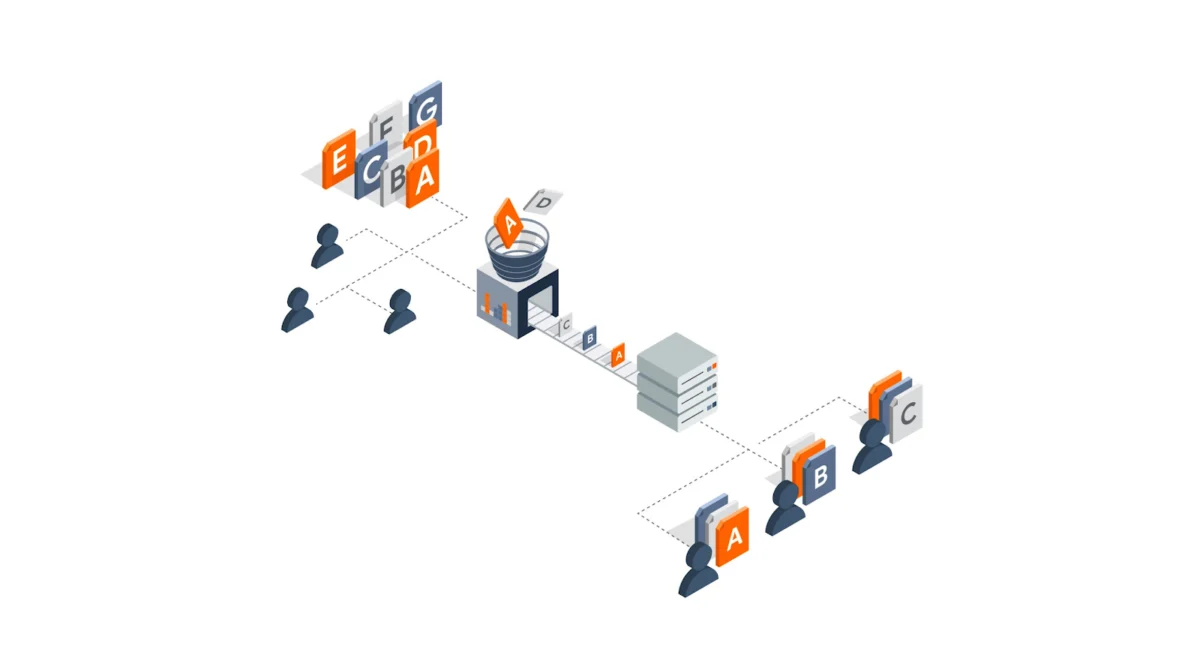
In the modern digital landscape, the "recommendation engine" has evolved from a simple novelty into the invisible architecture of the internet. Whether you are scrolling through a social media feed, searching for a new series to stream, or browsing an e-commerce marketplace, you are interacting with complex algorithmic systems designed to bridge the gap between vast information and individual intent. To demystify these systems and provide engineers with the tools to build the next generation of personalized experiences, Google has announced its first-ever Developer Summit on Recommendation Systems, scheduled for June 9, 2023.
The Evolution of the Recommendation Engine
Recommendation systems are the backbone of contemporary user experience. By predicting user preference and intent, these systems optimize engagement and discoverability. However, the technical complexity required to build robust, scalable, and ethical recommenders is significant.
Recognizing this, Google launched a consolidated Recommendation Systems landing page last year. The initiative was designed to aggregate the company’s disparate tools into a single, accessible hub. The response from the global developer community was immediate and overwhelmingly positive, prompting Google to transition from providing static resources to hosting a dedicated, interactive summit.
"We have heard a great deal of feedback from our developer community," says Wei Wei, Developer Advocate at Google. "While the consolidated resource page helped many get started, there is a clear appetite for deep-dive technical guidance on leveraging these tools to build powerful, in-house recommenders tailored to specific business needs."
Chronology: From Documentation to Dedicated Summit
The road to the inaugural Developer Summit reflects Google’s shifting focus toward democratizing artificial intelligence.
- Mid-2022: Google consolidates its fragmented documentation and open-source libraries into a centralized "Recommendation Systems" hub.
- Late 2022 – Early 2023: Following the launch, Google observes a surge in interest, with developers requesting more granular workshops and architectural best practices.
- May 2023: Google formally announces the inaugural Developer Summit on Recommendation Systems, setting a virtual stage for knowledge sharing.
- June 9, 2023 (Scheduled): The live summit is set to take place, featuring sessions led by the engineers who built the TensorFlow ecosystem.
This progression highlights a strategic pivot: Google is no longer just providing the "what" (the code), but is now focusing on the "how" (the implementation) to foster a more sophisticated developer ecosystem.
Supporting Data and Technical Architecture
The summit aims to address a wide range of technical proficiencies, from foundational concepts to advanced research applications. The curriculum is built around the core TensorFlow suite, which serves as the industry standard for many machine learning practitioners.
The Core Toolkit
The summit will focus on three primary pillars of the TensorFlow ecosystem:
- TensorFlow Recommenders (TFRS): A library built on TensorFlow that makes it easy to build, evaluate, and deploy state-of-the-art recommendation models.
- TensorFlow Ranking: A specialized library designed for learning-to-rank tasks, critical for search engines and complex recommendation scenarios where the order of results is paramount.
- TensorFlow Agents: A library for reinforcement learning in TensorFlow, which is increasingly being used to create adaptive recommendation systems that learn from long-term user interactions rather than static clicks.
The Integration of LLMs and Generative AI
Perhaps the most anticipated segment of the summit is the discussion regarding the intersection of Large Language Models (LLMs) and recommendation systems. As generative AI transforms the software landscape, the summit will explore how LLMs can be utilized to augment traditional recommenders.
Furthermore, the event will highlight cutting-edge research, such as "generative retrieval"—a paradigm shift in how systems index and fetch content. By leveraging generative AI, researchers are exploring ways to move beyond traditional vector-based retrieval, potentially allowing systems to "generate" relevant content pointers rather than simply selecting them from a pre-defined database.

Official Perspective: Empowering the Practitioner
The summit is structured to provide value regardless of the attendee’s seniority. By bringing together the actual architects behind TensorFlow’s recommendation libraries, Google is offering a unique window into the internal engineering culture that powers Google Search and YouTube.
"We want this event to be a bridge between research and production," notes a representative from the TensorFlow team. "Whether you are a startup founder looking to implement your first collaborative filtering model or an enterprise engineer optimizing a high-scale ranking system, the sessions are designed to provide actionable, production-ready insights."
The summit, running from 10:00 AM to 12:15 PM US Pacific Time, is designed to be highly focused. By keeping the event concise, Google aims to deliver high-density technical content, minimizing the "fluff" often associated with industry conferences.
Implications for the Future of Personalization
The implications of this summit extend far beyond the TensorFlow community. As recommendation systems become more efficient and accessible, the barrier to entry for building "Big Tech-level" personalization decreases. This could lead to a wave of innovation in smaller, niche platforms, allowing them to compete more effectively with larger entities by offering superior discovery experiences.
Ethical Considerations and Algorithmic Bias
While the summit focuses on technical implementation, the broader industry conversation surrounding recommendation systems cannot be ignored. As these models become more powerful, the issues of filter bubbles, echo chambers, and data privacy become more acute. Google’s commitment to transparency through this summit suggests a move toward standardizing best practices, which is a critical step in addressing the societal impact of algorithmic decision-making.
The Shift Toward Generative Retrieval
The discussion on generative retrieval represents a tectonic shift. If successful, this technology could render current search and recommendation indices obsolete, allowing for more semantic, context-aware content delivery. The fact that Google is bringing this research to a developer summit suggests that these techniques are moving rapidly from the lab to the production environment.
How to Participate
Registration for the event is currently open. Google encourages developers to sign up via their official event portal. As the summit is held online, it is accessible to a global audience, breaking down geographical barriers that often limit physical tech conferences.
For those unable to attend the live sessions, the event is expected to serve as a catalyst for new documentation and tutorials, likely influencing the roadmap of TensorFlow for the remainder of 2023 and beyond.
Conclusion: The Path Forward
The inaugural Developer Summit on Recommendation Systems is more than just a training event; it is a signal of the maturity of the AI ecosystem. As we move into an era defined by generative AI and hyper-personalization, the ability to build, maintain, and optimize these systems will be the defining skill set for the next generation of software engineers.
By consolidating its research, its tools, and its human expertise into a single, cohesive summit, Google is not only strengthening its own ecosystem but also setting the standard for how recommendation technology should be understood, implemented, and refined in the modern digital age. Whether you are a novice attempting to understand the basics of embedding or a seasoned expert exploring the fringes of generative retrieval, the summit promises to be a pivotal event in the 2023 technical calendar.