Empowering the Indie Ecosystem: Inside itch.io’s Creator Day Initiative
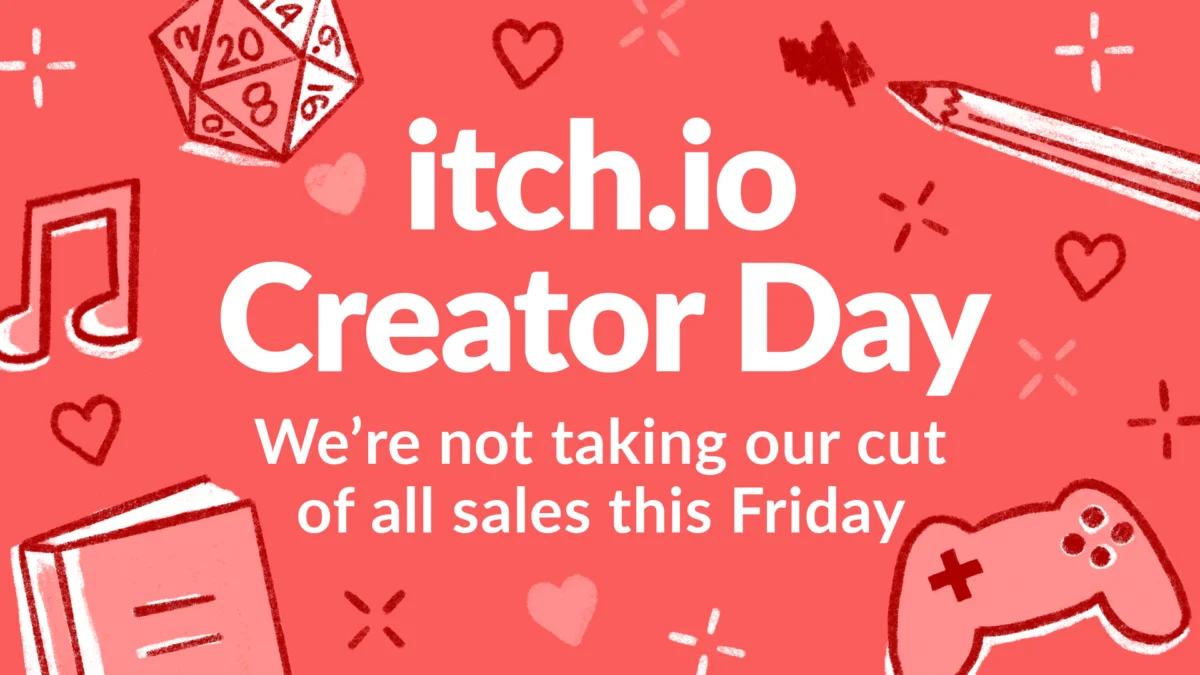
The digital landscape for independent game development is often characterized by high platform fees, restrictive storefront policies, and a disconnect between curators and creators. However, itch.io—a platform long celebrated for its developer-first ethos—continues to challenge these industry norms through its recurring "Creator Day" initiative. As of March 2023, the platform reaffirmed this commitment, announcing a significant expansion to its signature event, providing developers with an even larger share of their hard-earned revenue.
The Core Objective: A Zero-Cut Commitment
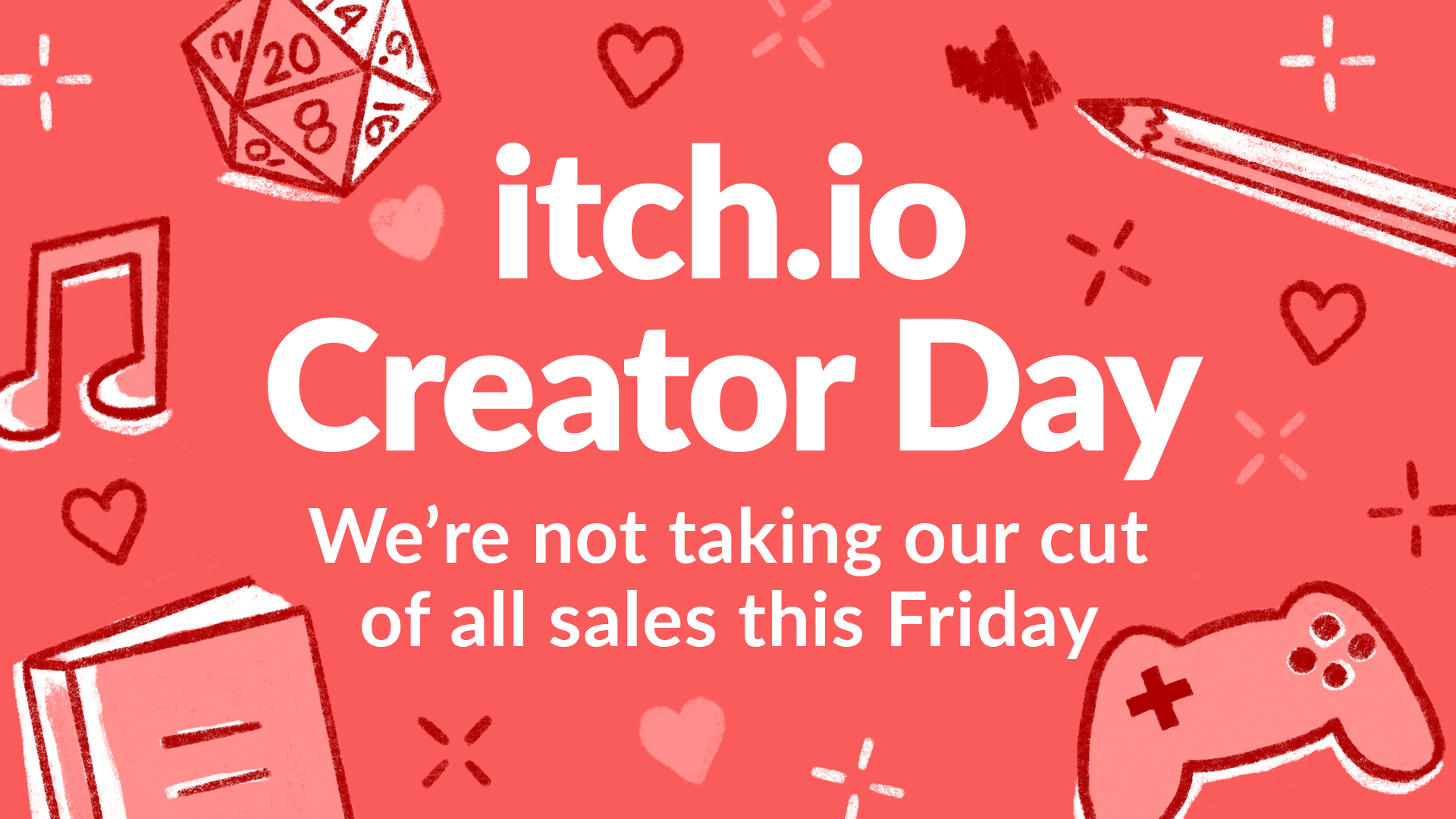
At the heart of the itch.io Creator Day is a simple yet radical economic proposition: for a specified window of time, the platform waives its revenue share entirely. Typically, itch.io allows developers to set their own revenue splits, a feature that distinguishes it from the rigid 30% take-rate common among major competitors. On Creator Day, however, that platform fee is reduced to zero.
The announcement, which centered on Friday, March 17th, signaled that for a full 24-hour cycle—stretching from midnight to midnight Pacific Time—every dollar generated through sales on the storefront went directly into the pockets of the developers. By eliminating the middleman’s take, itch.io effectively acts as a conduit for pure community support, allowing fans to invest directly in the creators they admire without the friction of platform-side deductions.
A Chronology of the Event
The initiative, while semi-frequent, has seen organic growth in its implementation and structure. The March 2023 iteration was notable not just for the event itself, but for the platform’s proactive decision to extend the timeframe.
- The Initial Call: itch.io announced the upcoming Creator Day, scheduling the zero-cut window for Friday, March 17th.
- The Expansion: Recognizing the global nature of their user base and the desire for sustained impact, the team announced a 12-hour extension. The platform’s revenue cut remained at zero until 12:00 PM PT on March 18th.
- The Weekend Follow-through: To capitalize on the momentum of the zero-cut day, the platform encouraged a sitewide sale that extended through the remainder of the weekend, officially concluding at 10:00 AM PT on Monday.
This phased approach—a high-intensity burst of 36 hours of zero-fee transactions followed by a broader sale event—demonstrates a sophisticated understanding of developer marketing cycles. It allows creators to build anticipation, execute a primary sales push, and maintain visibility through the weekend.
Supporting Data and Community Sentiment
The success of these events is not merely measured in financial terms but in the robustness of the developer-platform relationship. The comment sections of the announcement post reveal a vibrant, albeit diverse, ecosystem.
Developer Perspectives
The reaction from the developer community is largely positive, citing the initiative as a primary reason for their loyalty to the platform. One user noted, "This is why I’ll always shop and put my stuff on itch.io first. Love how supportive this platform is of creators."
However, the event also sparks technical and logistical discussions. Some developers expressed a desire to opt-out of sales, highlighting that for certain niche titles, price consistency is more valuable than temporary promotional spikes. Others utilized the comment section as a forum for professional collaboration, such as the search for analytics data to better understand player retention and conversion—a testament to the platform’s role as a hub for both commerce and industry research.
Analytical Collaboration
The discourse surrounding the event also highlights the evolution of tools available to indie developers. During the discussion, external services like AppWatch were identified as vital assets for developers looking to track the efficacy of these sales. By automatically pulling analytics, these tools allow creators to quantify the impact of Creator Day on their specific projects, moving the conversation from anecdotal success to data-driven strategy.
Official Responses and Platform Strategy
itch.io’s official stance has consistently been that their platform exists to facilitate, not exploit, the creative process. By providing tools that allow developers to dictate their own revenue splits, they foster an environment of transparency.
During the March 2023 event, the platform’s decision to extend the zero-cut window by 12 hours was a strategic move designed to accommodate the international nature of their community. By pushing the deadline into the following Saturday, the team ensured that creators in various time zones could maximize the window of opportunity. This adaptability is the hallmark of itch.io’s governance: the platform acts as a service provider that listens to its user base’s feedback, rather than a corporate entity imposing top-down mandates.
Implications for the Broader Industry
The itch.io Creator Day is more than a promotional event; it is a proof-of-concept that challenges the "30% standard" long held by major storefronts like Steam, the Apple App Store, and the Google Play Store.
Challenging the Status Quo
The industry-standard 70/30 split has long been a point of contention. While larger platforms argue that this fee covers the cost of discovery, hosting, and global infrastructure, itch.io’s model demonstrates that a platform can remain sustainable while being significantly more generous. By periodically removing the fee entirely, itch.io forces a conversation about the real costs of digital distribution versus the perceived value of storefront services.
The Rise of Indie-Centric Economies
The implication for the future is clear: creators are increasingly gravitating toward ecosystems where their financial health is prioritized. When a platform demonstrates genuine support for its developers, it creates a "virtuous cycle." Developers bring their best work to the platform, attracting loyal fans, which in turn leads to more sales, even during non-event days.
Furthermore, the integration of community-driven tools and research-sharing within the platform’s ecosystem—as seen in the comments of the announcement—suggests that itch.io is becoming more than a shop; it is becoming a professional development hub. When developers feel secure in their financial arrangement with a store, they are more likely to share their knowledge, tools, and data with their peers.
Conclusion: A Model for the Future
The March 17th Creator Day serves as a case study for how digital storefronts can foster long-term loyalty. By providing a 36-hour window of zero-fee revenue and pairing it with a weekend-long sales event, itch.io has successfully balanced the immediate financial needs of independent creators with the broader goal of sustaining a thriving digital marketplace.
As the industry continues to grapple with questions of fairness, platform fees, and the democratization of game development, the itch.io model stands as a beacon. It reminds stakeholders that the relationship between a platform and its creators need not be extractive. Instead, through initiatives like Creator Day, the platform acts as an ally, providing the infrastructure and the economic breathing room that independent creators need to innovate, survive, and eventually flourish.
For developers, the lesson is clear: choose your storefronts wisely, as the platform you choose is often as much a partner in your success as the code you write. For the industry, the itch.io model is an invitation to reconsider what is possible when the goal shifts from maximizing platform margins to maximizing the potential of the creators themselves.