Empowering the Indie Ecosystem: A Deep Dive into itch.io’s "Creator Day" Initiative
In the sprawling landscape of digital storefronts, where monolithic corporations often dictate the terms of engagement and enforce rigid revenue splits, itch.io has consistently carved out a unique space for independent developers. Central to its philosophy of community-first growth is the "Creator Day" initiative—a periodic, 24-hour event where the platform effectively zeroes out its revenue share, allowing developers to retain 100% of their earnings (minus essential taxes and payment processor fees). This article explores the mechanics, history, and broader implications of a program that has become a cornerstone of the indie gaming economy.
Main Facts: Redefining Platform Economics
The premise of Creator Day is deceptively simple: for a designated 24-hour window, itch.io waives its standard platform fee on all sales site-wide. While the industry standard for digital storefronts—ranging from console marketplaces to desktop launchers—frequently fluctuates between 12% and 30%, itch.io’s Creator Day provides a radical departure from these norms.
During this period, the financial transaction flow is streamlined to benefit the creator directly. When a user purchases a game, a bundle of assets, or a soundtrack, the only deductions made from the total purchase price are statutory taxes and the mandatory fees imposed by third-party payment processors (such as Stripe or PayPal). There is no "platform cut" taken by itch.io.
Crucially, the program is designed for seamless accessibility. Developers do not need to toggle switches, update their payout settings, or sign complex addendums to participate. The transition to a 0% platform fee is triggered automatically at midnight Pacific Time and concludes exactly 24 hours later, reverting to the creator’s standard revenue settings once the window closes.
Chronology: From Experiment to Institution
The inception of Creator Day dates back to May 14, 2021. At the time, the gaming industry was navigating the tail end of the global pandemic, a period that saw a surge in digital consumption but also a heightened awareness of the fragility of the independent creator economy.
Initially launched as a one-off gesture of goodwill, the event was met with immediate, overwhelming enthusiasm from both the developer community and the gaming public. The positive feedback loop—driven by developers who felt empowered to promote their work and players who felt their money was going directly to the "person behind the screen"—convinced the itch.io team to operationalize the concept.
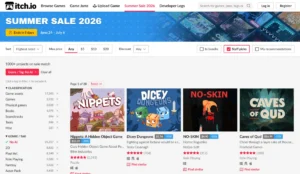
Since 2021, the event has transitioned from a sporadic experiment into a recurring fixture of the itch.io calendar. While dates are not fixed to a specific day of the month, the platform has historically aligned these 24-hour windows with high-traffic periods, such as Black Friday or seasonal sales events. This strategic timing ensures that the "Creator Day" boost happens when user traffic is already at its peak, maximizing the efficacy of the initiative.
Supporting Data: Why Direct Revenue Matters
To understand the significance of Creator Day, one must look at the thin margins on which many independent creators operate. For a solo developer or a micro-studio, a 30% platform fee—while standard in the industry—can represent the difference between funding a next project and needing to secure outside employment.
When a developer sells a $10 game on a platform with a 30% fee, they receive $7.00. On itch.io during a standard day, the developer might receive $9.00 to $9.50 depending on their chosen revenue share. However, during Creator Day, that figure pushes closer to the maximum possible amount after processor fees.
The "impact factor" of these 24 hours is substantial. During these events, itch.io often sees a significant uptick in social media activity, with developers utilizing the day to announce sales, release new content, or simply remind their followers that their support goes further during this specific window. This creates a psychological incentive for the consumer: the buyer feels they are performing an act of "direct patronage" rather than just a commercial transaction.
Official Responses and Platform Philosophy
The leadership at itch.io has consistently framed Creator Day not as a marketing gimmick, but as an extension of their foundational mission. In various communications surrounding the launch and subsequent iterations, the platform has emphasized that their success is tethered directly to the success of the developers they host.
"We succeed when you succeed" has long been an unofficial mantra of the platform. By sacrificing their own revenue, itch.io effectively invests in the long-term health of their ecosystem. When creators are financially stable, they produce more work, improve their quality of output, and remain on the platform longer.
Furthermore, the automation of the event serves an ideological purpose: it removes the barrier of "administrative burden." By making the event universal and automatic, itch.io ensures that developers of all sizes—from the teenager releasing their first game jam project to established indie studios with massive catalogs—are treated with equal weight.
Implications for the Future of Indie Development
The existence of Creator Day poses an interesting question for the broader digital distribution market: Is the traditional "platform cut" model becoming outdated?
1. Strengthening the Creator-Fan Bond
Creator Day shifts the relationship between the buyer and the seller. It turns a standard purchase into a "support event." This transparency in where the money goes fosters a sense of loyalty. When users know that their purchase has a "maximum impact," they are more likely to spend during these windows, which helps developers clear inventory or hit sales targets that might otherwise be unreachable.
2. Market Pressure and Competitive Advantage
As other platforms struggle to justify high revenue splits, itch.io’s model provides a competitive benchmark. While they may not have the reach of a global conglomerate, they have captured the "heart" of the indie community. This creates a moat around their user base; developers who feel valued by the platform are less likely to migrate to competitors, even if those competitors offer different promotional advantages.
3. The "Discovery" Engine
One of the most effective aspects of Creator Day is that it forces a "discovery moment." Because the event is promoted site-wide, users who might have been focused on a single developer are exposed to a wider array of titles. The site’s algorithm and curated front page during these 24 hours often highlight gems that might otherwise be lost in the vast library of content.
4. A Template for Sustainable Growth
By prioritizing the creator’s bottom line, itch.io demonstrates that a platform can survive and thrive by taking less. This challenges the industry-wide assumption that a high percentage cut is necessary to maintain infrastructure and profitability. While itch.io’s specific overhead costs may differ from those of a console manufacturer, the success of the Creator Day initiative provides a compelling case study for alternative revenue models in digital retail.
Conclusion: A Ritual of Reciprocity
Creator Day has become more than just a sale; it is a ritual of reciprocity. It acknowledges that the platform is nothing more than a digital venue, and the creators are the ones who provide the actual value. By stepping aside once a year—or several times throughout the year—itch.io reinforces its commitment to being a "creator-first" platform.
For the developer, it is a day to mobilize their community and optimize their earnings. For the buyer, it is an opportunity to participate in the sustenance of the art forms they love. As the gaming industry continues to consolidate and corporate interests grow, initiatives like Creator Day serve as a vital reminder that the indie spirit remains alive, supported by platforms that are willing to prioritize the community over the bottom line. Whether you are a seasoned developer with a decade of titles or a player looking to support a newcomer, Creator Day remains the single most effective way to ensure that the indie ecosystem continues to flourish.