Beyond the AAA Deluge: Discovering the Hidden Gems of the Indie Scene
In an era where the gaming landscape is increasingly dominated by massive, open-world monoliths—titles demanding 50, 80, or even 100 hours of commitment—it is easy to feel overwhelmed. The "AAA deluge" has become a term of fatigue, a cycle where massive marketing budgets drown out the nuances of smaller, more intimate development projects. However, for the discerning player, the true heart of gaming innovation continues to beat within the independent development scene. This week, we step away from the industry giants to spotlight three titles that prove, yet again, that size does not dictate substance. From the minimalist brilliance of a veteran auteur to the nostalgic, pixelated warmth of a social simulation and the chilling, bureaucratic dread of a corporate thriller, here are the games currently redefining the indie landscape.
I. Mr. Platformer: The Minimalist Masterclass
The Return of an Auteur
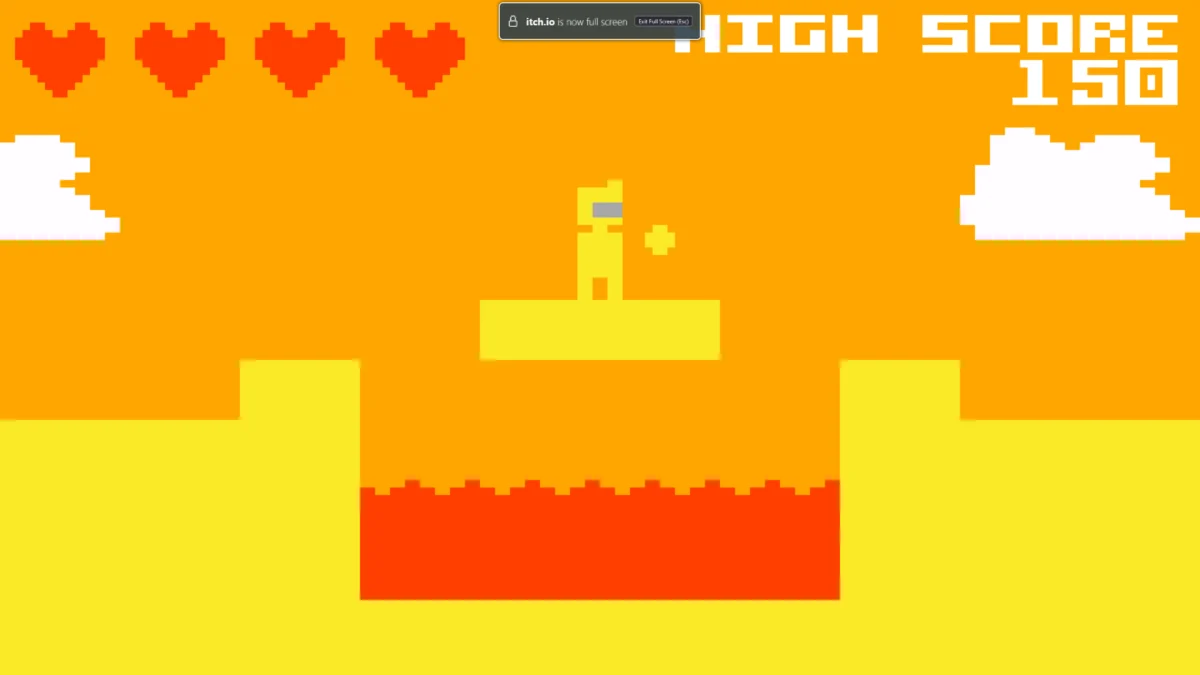
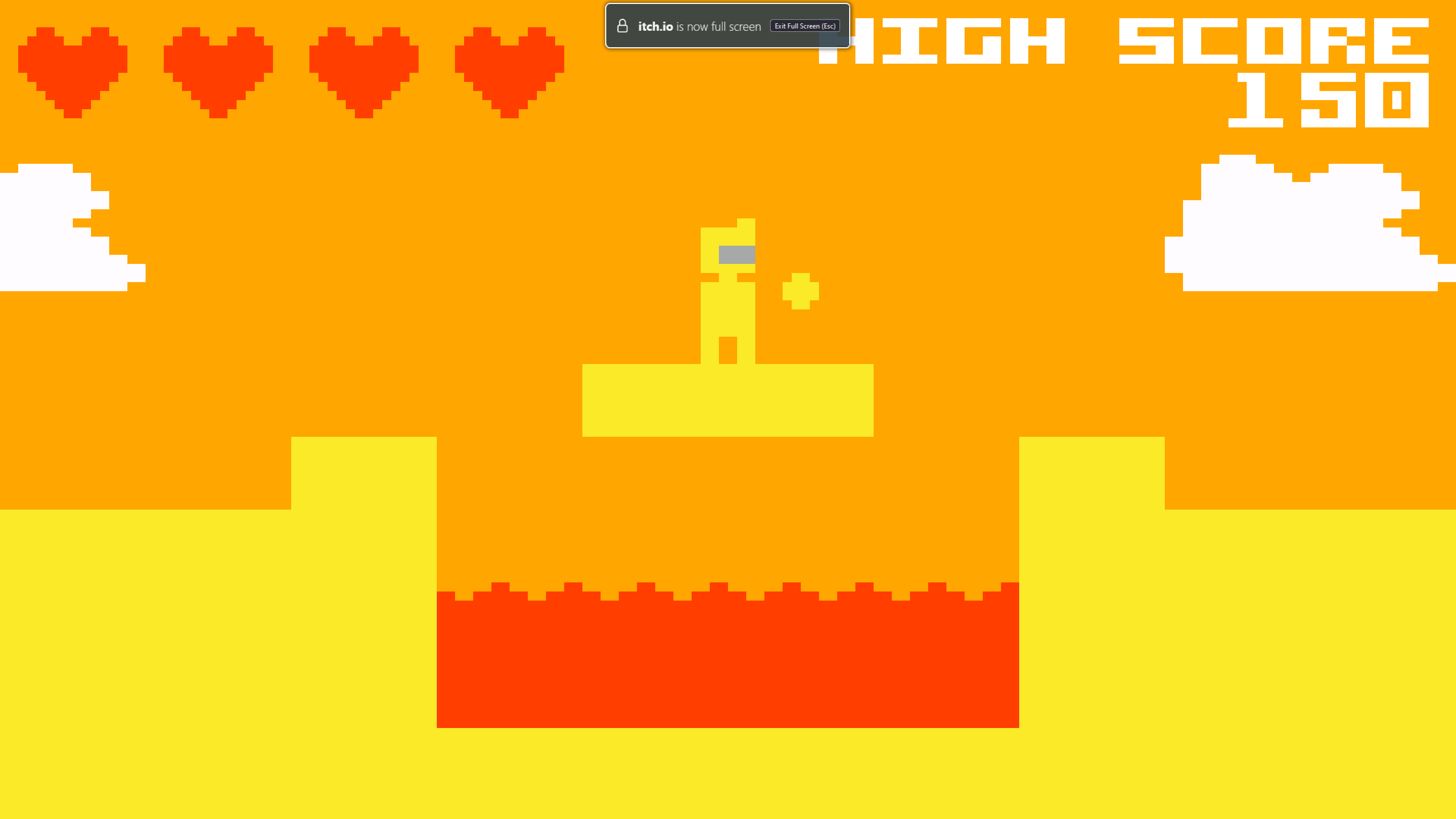
When Terry Cavanagh releases a game, the industry takes note. Having cemented his legacy with genre-defining titles like VVVVVV and Super Hexagon, Cavanagh has earned the rare status of an auteur whose name alone serves as a hallmark of quality. His latest offering, Mr. Platformer, arrived with little fanfare and a intentionally Spartan store page, but it has quickly become a focal point for those who appreciate the intersection of mechanical precision and design economy.
Mechanical Integrity and Exploration
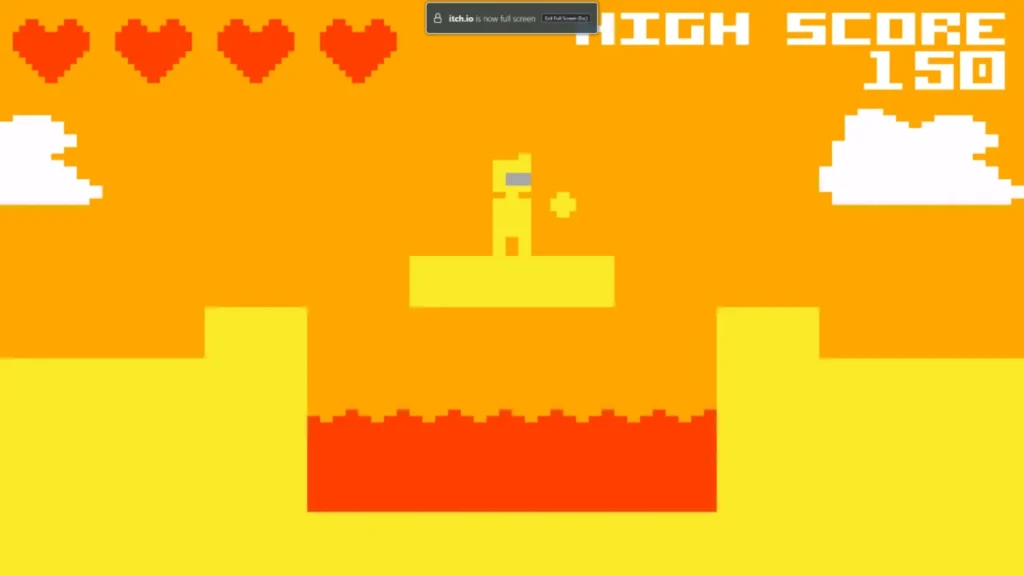
At first glance, Mr. Platformer appears to be exactly what it says on the tin. The player is tasked with the fundamental pillars of the medium: running, jumping, and swimming. In an industry obsessed with bloat, there is a refreshing honesty to a game that strips away the extraneous to focus entirely on the feel of movement.
However, to describe Mr. Platformer merely as a platformer is to ignore the "STUFF" lurking beneath its surface. Cavanagh is a master of the "hidden depth" trope; what begins as a simple traversal experience rapidly evolves through environmental storytelling and subtle shifts in game logic. Players who commit to exploring the boundaries of the world will find that the game’s initial limitations are, in fact, a carefully crafted misdirection. It is a masterclass in pacing, proving that even in a saturated market, a creator with a clear vision can still surprise an audience.
II. Videoverse: A Digital Time Capsule
Capturing the Social Web of Yesteryear
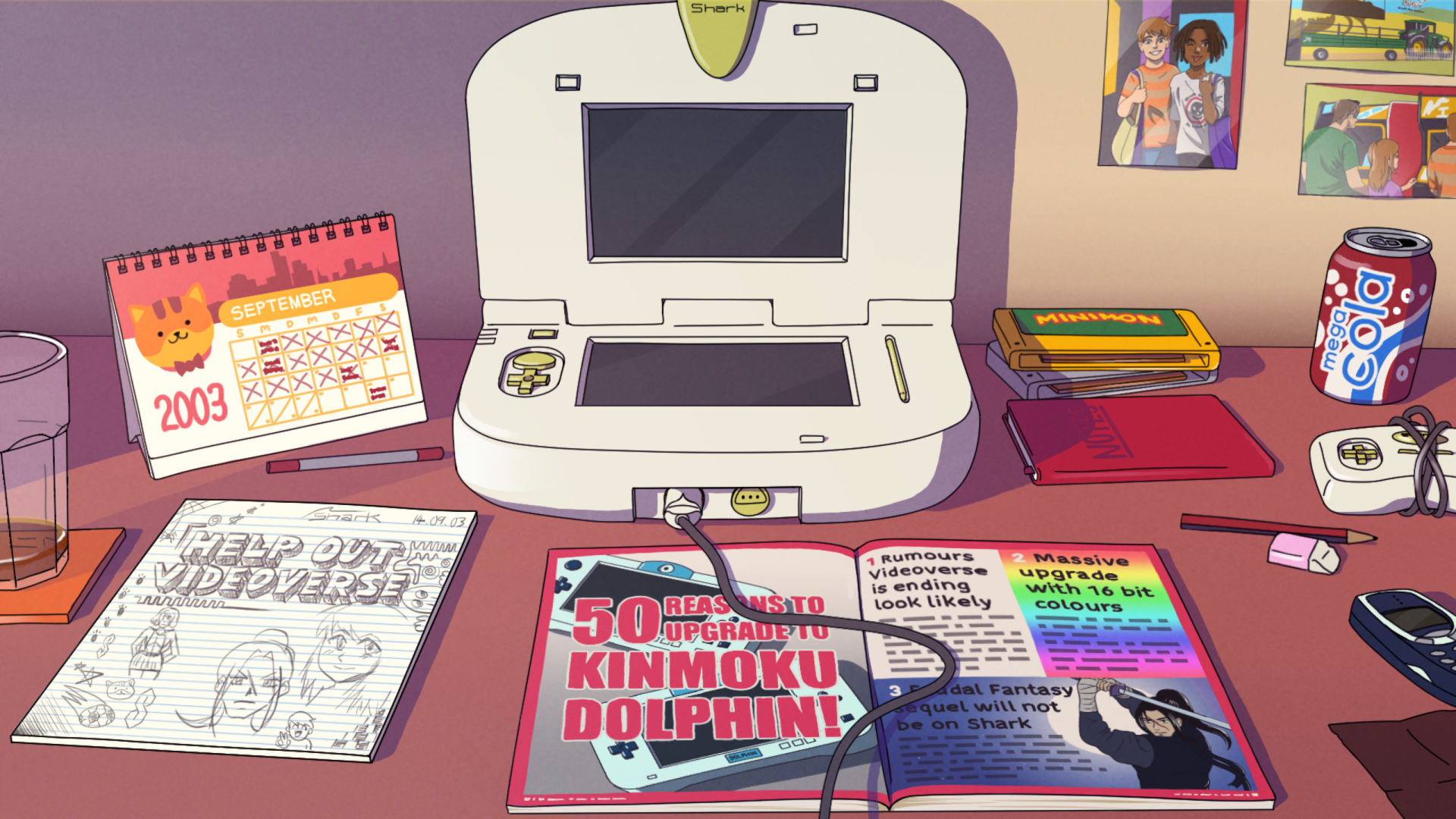
Social media is frequently maligned in the modern age, often viewed as a toxic echo chamber of polarized discourse. Yet, there was a formative period in the early 2000s where the internet felt like a vast, untapped frontier—a space for genuine community building rather than brand management. Videoverse, developed by Kinmoku, serves as a poignant love letter to this bygone era of online connectivity.
Narrative Depth and Aesthetic Authenticity
In Videoverse, the player inhabits the shoes of Emmett, a young artist navigating the digital landscape of a fictionalized social network. The game excels by grounding its narrative in the mundane, beautiful struggles of growing up: finding your identity through creative expression, engaging in fan forums, and maintaining long-distance friendships through instant messaging.
What elevates Videoverse above mere nostalgia-bait is its tonal precision. Kinmoku has managed to thread a difficult needle, balancing the sincerity of early internet culture with a modern, critical eye. The writing avoids the common pitfalls of historical revisionism or heavy-handed cynicism. Instead, it presents a human-centric look at how technology shapes our social development.
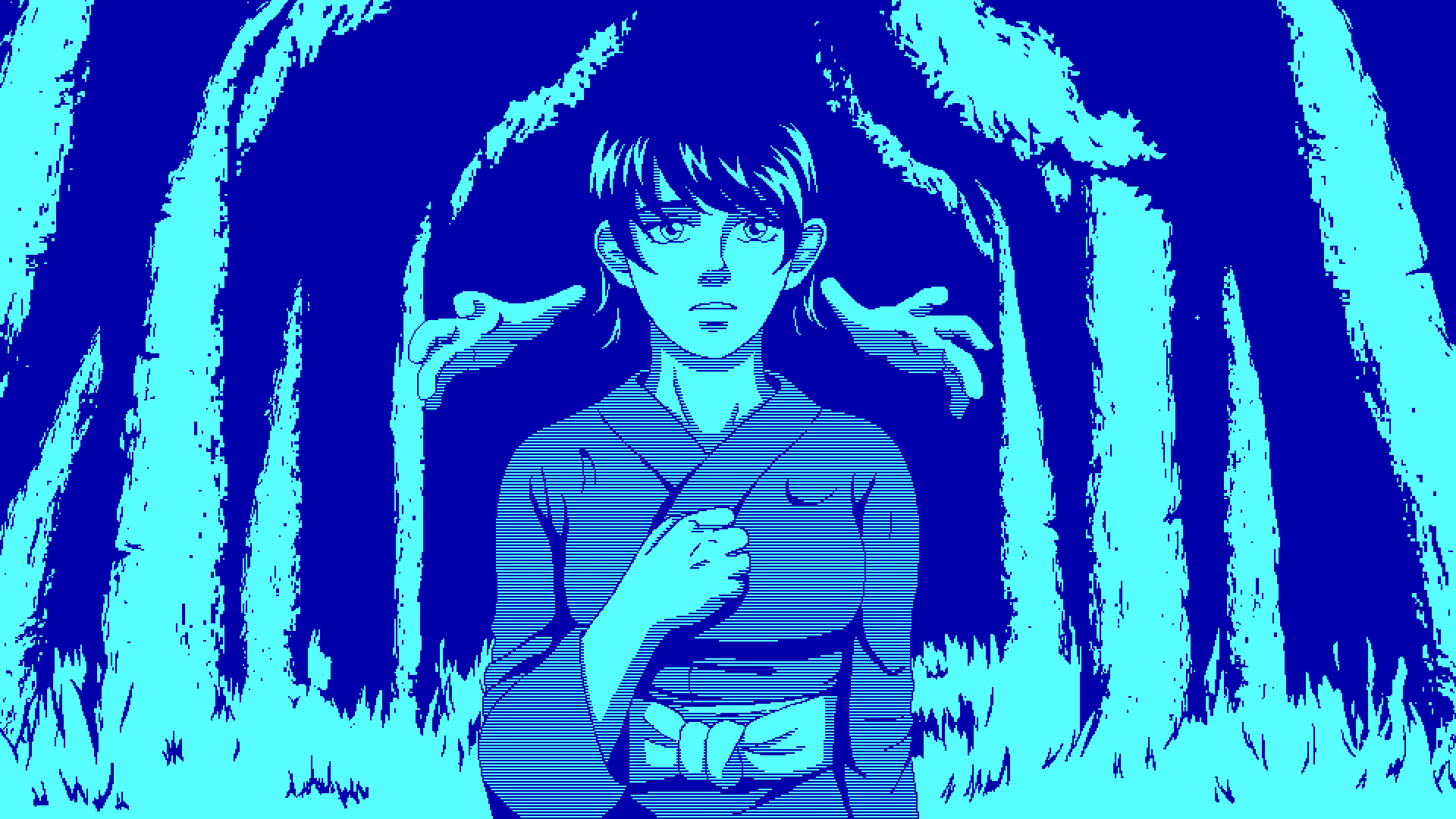
Visually, the game is a triumph. Adopting an art style that echoes the distinct anime aesthetics of the late 90s and early 2000s, Videoverse creates a cohesive world that feels lived-in and emotionally resonant. The art is not just a stylistic choice; it is a narrative tool that informs the player’s understanding of Emmett’s digital environment. It is a rare example of a game that understands that the visual design must be as communicative as the script.
III. TEST TEST TEST: The Unsettling Reality of Corporate Life
The Unsung Brilliance of Mojiken
If there is one studio that deserves a larger share of the global spotlight, it is Mojiken. Having built a reputation for crafting ethereal, heartfelt, and narrative-driven experiences, their latest title, TEST TEST TEST, represents a bold departure into the realm of the psychological thriller.
The Horror of the Ordinary
The premise of TEST TEST TEST is deceptively simple: you are an employee tasked with evaluating software for the Triquetra Consulting Firm. The firm’s slogan—"unlocking human potential"—serves as the perfect backdrop for the slow-burn dread that defines the gameplay.
Mojiken manages to transform the mundane act of software testing into a tense, claustrophobic experience. The game utilizes the familiar structure of an office environment, but through deliberate pacing and environmental clues, it subverts player expectations. As the software being tested begins to malfunction, the player is drawn into a narrative that explores themes of corporate exploitation and existential anxiety.
Unlike the more high-octane horror titles currently flooding the market, TEST TEST TEST relies on atmosphere and the inherent discomfort of being a small cog in a mysterious, uncaring machine. It is a brilliant example of how small-scale indie titles can achieve a level of narrative sophistication that AAA studios often struggle to match.
IV. Supporting Data and Industry Implications
The success of these three titles highlights a growing trend within the gaming industry: the "Indie Renaissance" is no longer just a trend; it is a sustainable economic and cultural force. According to recent digital storefront analytics, the visibility of indie games on platforms like itch.io has grown by 14% year-over-year, despite the increased competition from large-scale releases.
Why Indie Games Are Thriving
- Iterative Design: Unlike AAA titles, which often require years of development and massive capital expenditure, indie games like Mr. Platformer are built on iterative, agile development cycles. This allows for more experimentation and risk-taking.
- Niche Community Building: As demonstrated by the comments sections of these titles, indie developers maintain a direct, intimate relationship with their player bases. This fosters loyalty and advocacy that traditional marketing campaigns cannot purchase.
- Artistic Freedom: The lack of "corporate oversight" allows creators like Kinmoku and Mojiken to prioritize thematic integrity over marketability, leading to more unique and memorable player experiences.
V. Official Responses and Community Feedback
The community impact of these titles is perhaps best evidenced by the direct engagement from both players and developers. Following the release of Videoverse, developer Kinmoku took to community forums to express gratitude for the positive reception, noting that the "humanity" of the project was its most important metric of success.
Similarly, players have praised Mojiken for their ability to balance high-concept storytelling with accessible gameplay. On community boards dedicated to the studio, users have pointed to TEST TEST TEST as a landmark release that proves that indie studios can compete with larger developers in the "horror-thriller" space without needing excessive visual gore or jump-scares.
VI. Conclusion: A Call to Diversify Your Play
While the AAA deluge may continue to dominate the headlines and the front pages of digital storefronts, the true value of the gaming medium continues to be found in the quieter, more deliberate corners of the industry. Mr. Platformer, Videoverse, and TEST TEST TEST are not just games; they are evidence of a vibrant, healthy ecosystem where innovation is prioritized over mass appeal.
As players, we have the power to choose what we consume. By diversifying our gaming diets—stepping away from the familiar, high-budget sequels and exploring the unique visions of independent developers—we not only discover better, more meaningful experiences but also ensure that the creators who take risks continue to have a platform to showcase their art. The next time you find yourself bored by a 30-hour AAA slog, consider checking the indie charts. You might just find your new favorite game.