Small Wonders: Exploring the Micro-Worlds of Ludum Dare 56
The landscape of independent game development is often defined by the "game jam"—a high-pressure, creative crucible where developers are tasked with conceptualizing, designing, and publishing a functional title within a condensed timeframe. Few events carry the prestige and community weight of Ludum Dare, a bi-annual marathon that serves as a pulse-check for the ingenuity of the indie scene.
Following the conclusion of Ludum Dare 56, held from October 4th to October 7th, 2024, the community has turned its collective attention to the submissions that emerged from this latest challenge. With the theme "Tiny Creatures," participants were forced to balance the technical limitations of a 48-to-72-hour development window with the narrative and mechanical possibilities of life on a microscopic scale. The results offer a compelling glimpse into the future of indie design, proving that even the smallest subjects can yield the most expansive gaming experiences.
The Crucible: A Chronology of Ludum Dare 56
The lifecycle of a Ludum Dare event is a study in rapid-fire evolution. The process began on October 4th, when the theme—voted upon by the community—was unveiled as "Tiny Creatures." This theme, while seemingly straightforward, acted as a catalyst for a wide spectrum of genres, ranging from strategy-heavy roguelikes to poignant, narrative-driven experiments.
Over the next three days, developers across the globe entered a period of intense focus. The "Jam" track (72 hours) and the "Compo" track (48 hours) provided different constraints, with the latter requiring participants to create every asset—from code to sound effects—entirely from scratch. By the evening of October 7th, the submission portal on itch.io began to swell, hosting a deluge of titles that transformed the platform into a digital laboratory.
The immediate aftermath of the jam, which continues to unfold, is the period of "rating and playing." Unlike traditional game releases, Ludum Dare titles are not judged by professional critics, but by the developers themselves. This reciprocal relationship fosters a unique culture of feedback, where the creators of one game become the primary audience and critics for another, ensuring that the post-jam period is as much about learning as it is about celebration.
Technical Prowess: Highlights from the "Tiny Creatures" Collection
The sheer variety of mechanics showcased in this year’s entries suggests that developers are becoming increasingly adept at translating complex systems into "jam-sized" experiences. Below are several standout titles that exemplify the diversity of this year’s submissions.
Strategy and Roguelike Depth
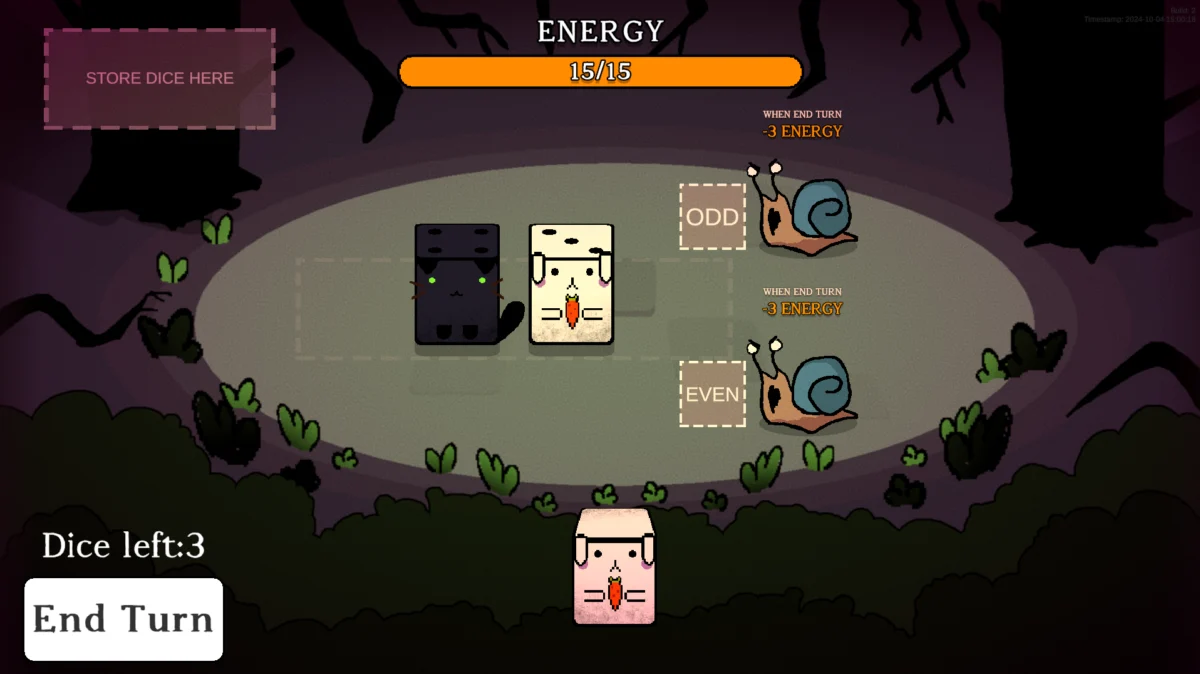
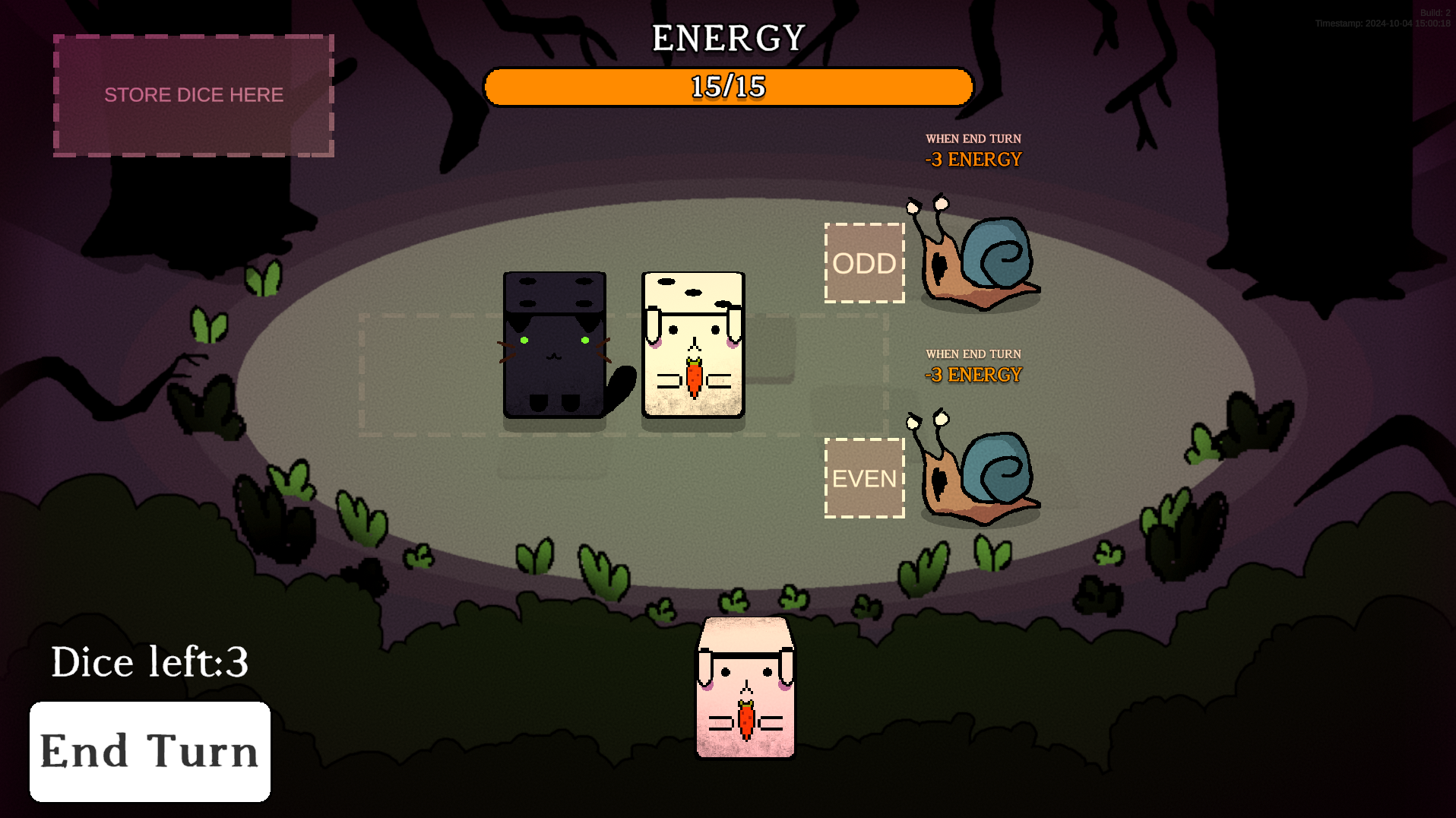
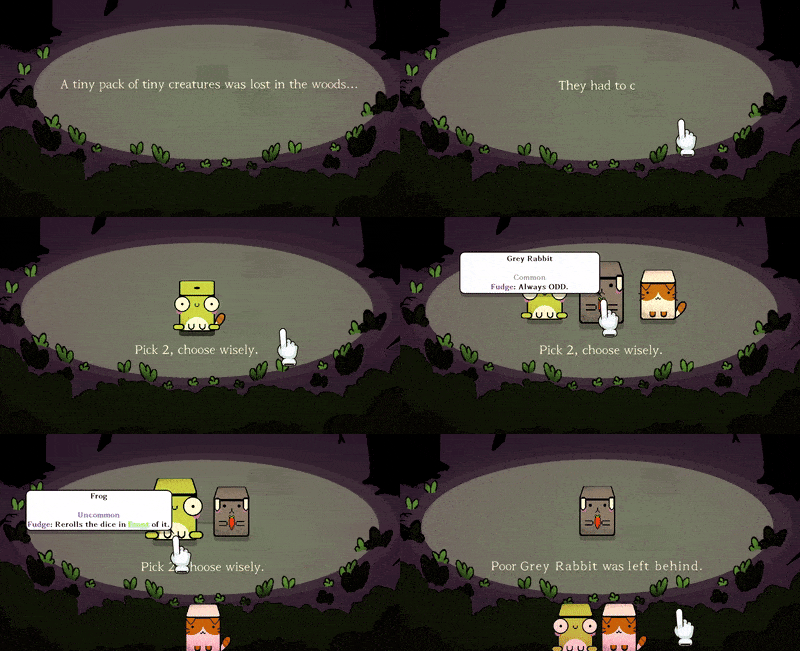
One of the most technically ambitious titles is TINY PACK, which masterfully blends deck-building mechanics with turn-based strategy. By tasking players with guiding a woodland troupe using dice-based abilities, the developer captures the essence of a traditional roguelike while keeping the scope focused. Its pixel-art aesthetic serves the theme perfectly, grounding the tactical depth in a charming, tangible world.
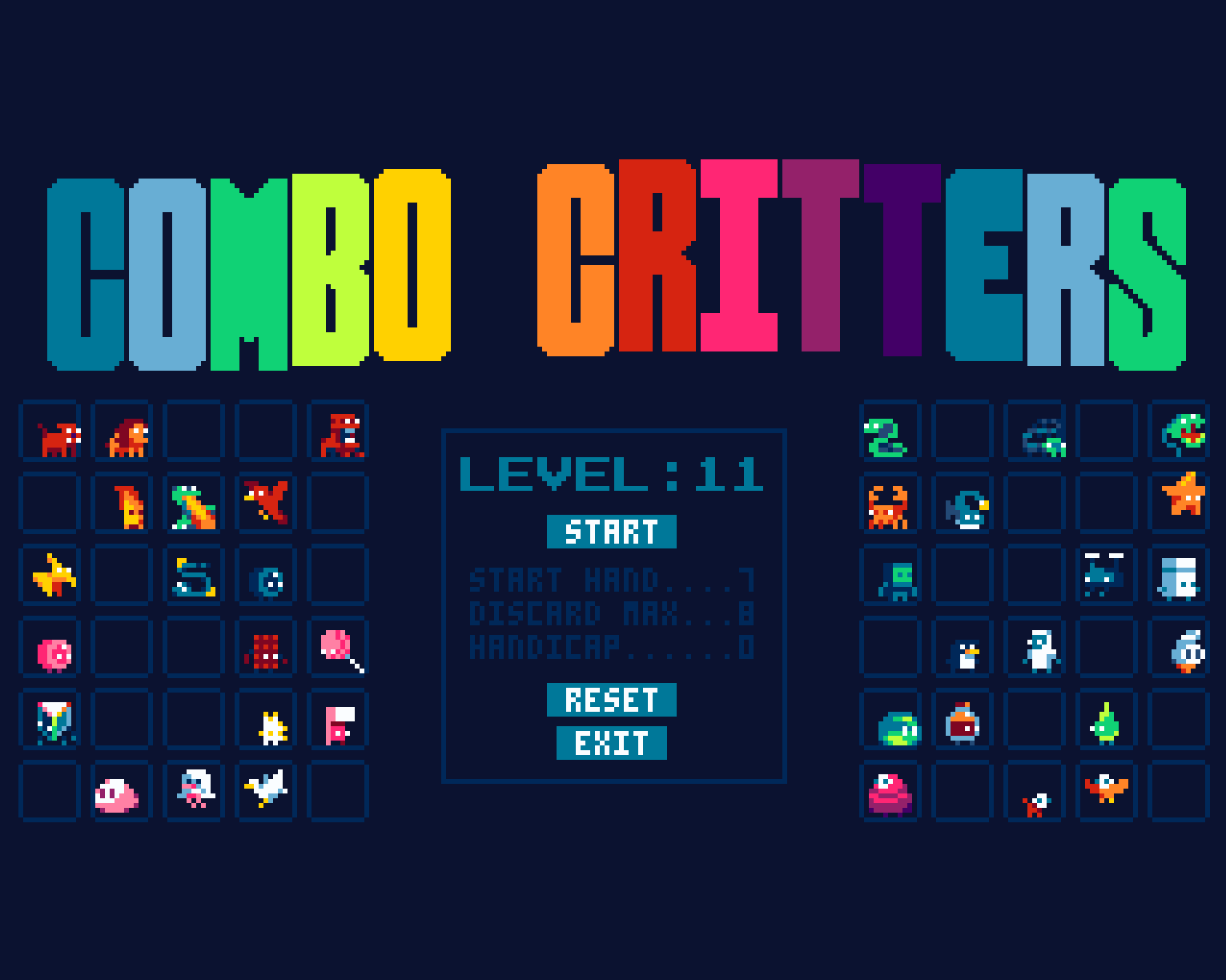
Similarly, Combo Critters leans into the strategic card-battling genre. It is a testament to the power of tight design; by focusing on team synergy and combo-chaining, the developer created a system that feels complete despite the restricted development window. It remains one of the few titles in the batch that feels like a polished, standalone product rather than a prototype.

Puzzle and Mechanical Ingenuity
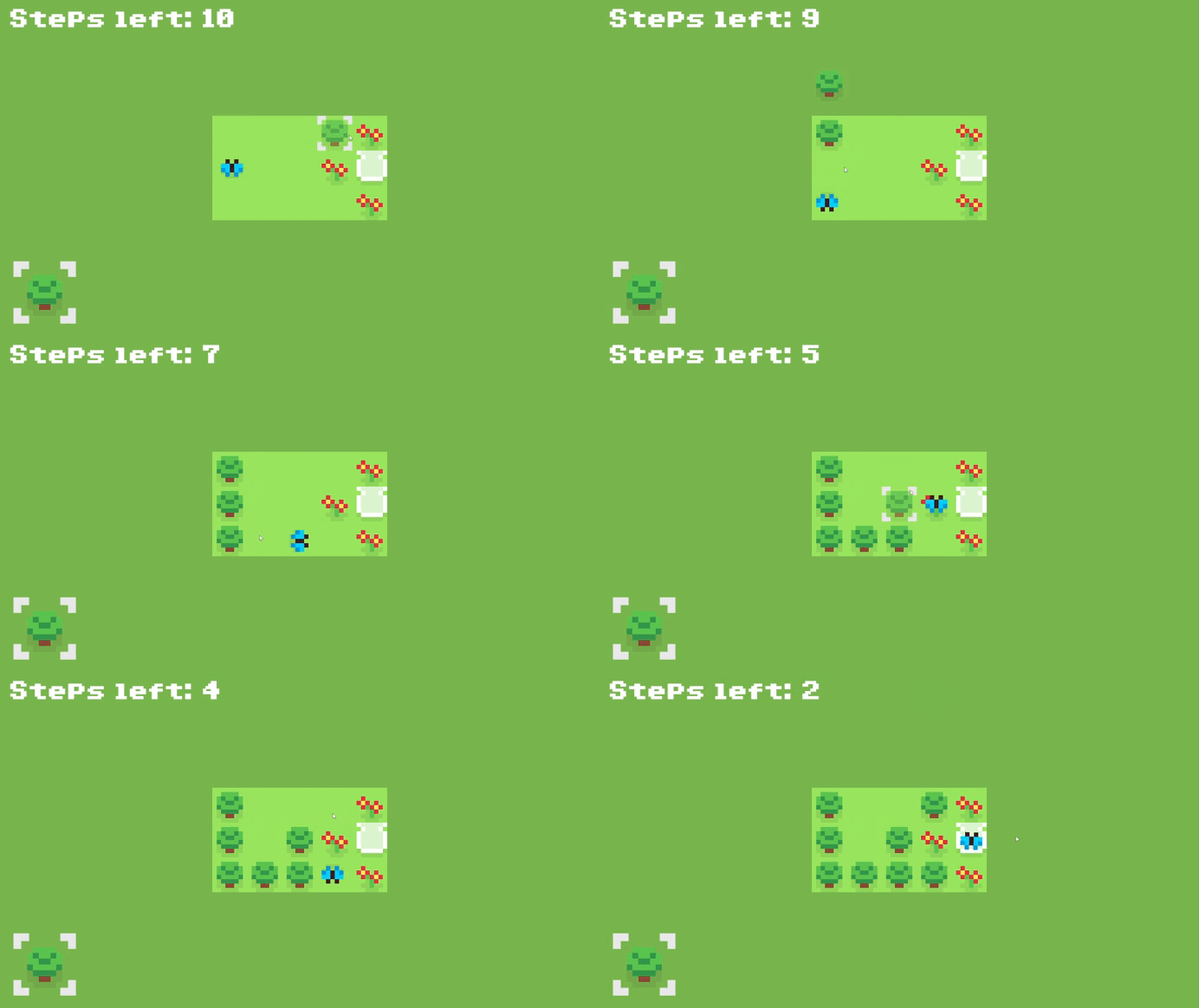
The "Tiny Creatures" theme proved particularly fertile ground for puzzle-platformers. Butterjar is a masterclass in minimalism, offering a 10-minute experience that focuses entirely on the fluid movement of a butterfly navigating a glass vessel. It demonstrates that a game does not need to be sprawling to be impactful.
On the more chaotic side of the spectrum is GO BLO, which centers on the concept of crowd dynamics. By leading a troop of blue creatures, players must solve environmental puzzles by managing the size and movement of their followers. It is a clever subversion of the "herd" mechanic, requiring players to think about the physical space occupied by their "tiny creatures."
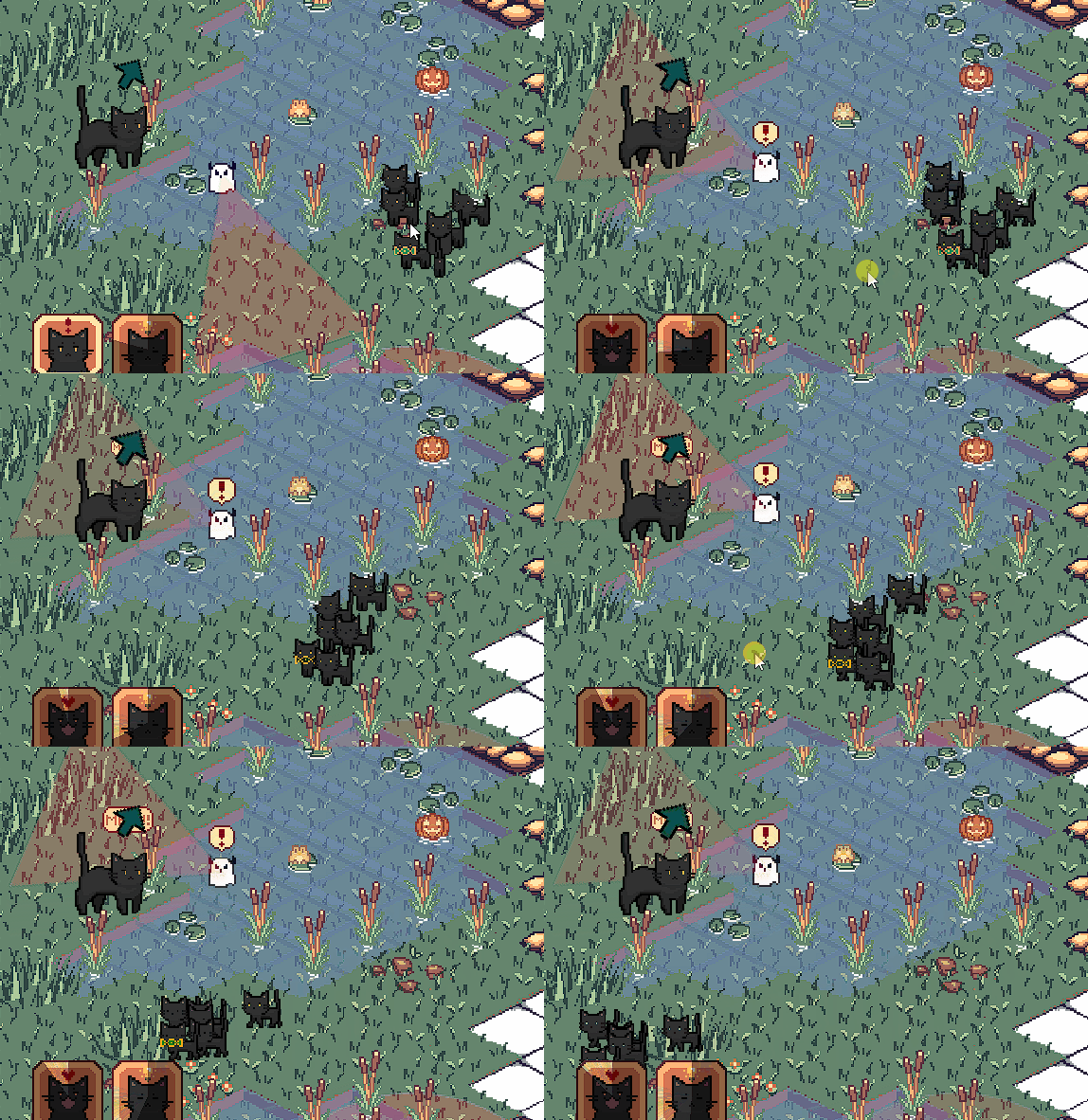
Candyween, a Halloween-themed puzzle-platformer, rounds out the list with its isometric perspective. By navigating a cat through a series of ghostly obstacles, the developer manages to blend the "Tiny Creatures" theme with seasonal atmosphere, proving that thematic overlap is a powerful tool for engagement.
Incremental and Idle Experiences
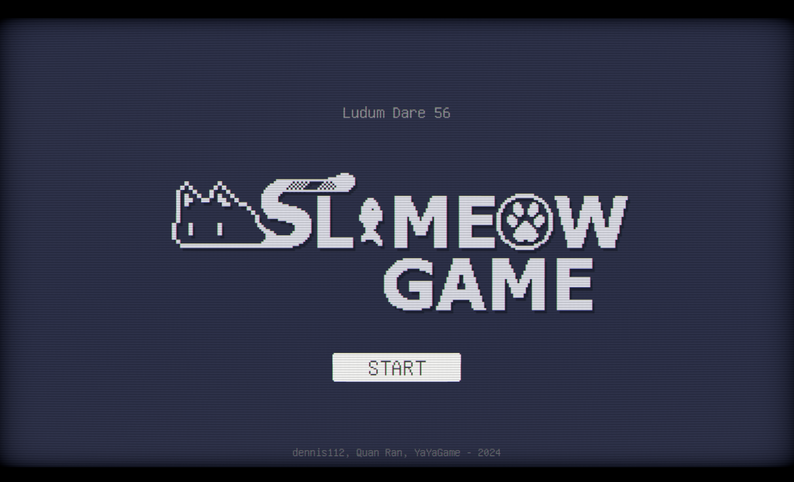
Perhaps the most surprising sub-genre to flourish during the event was the incremental game. Slimeow Game bridges the gap between tower defense and incremental growth. The loop of collecting fish to breed more slimeows while defending a pond creates an addictive cycle that belies the simplicity of the game’s premise.
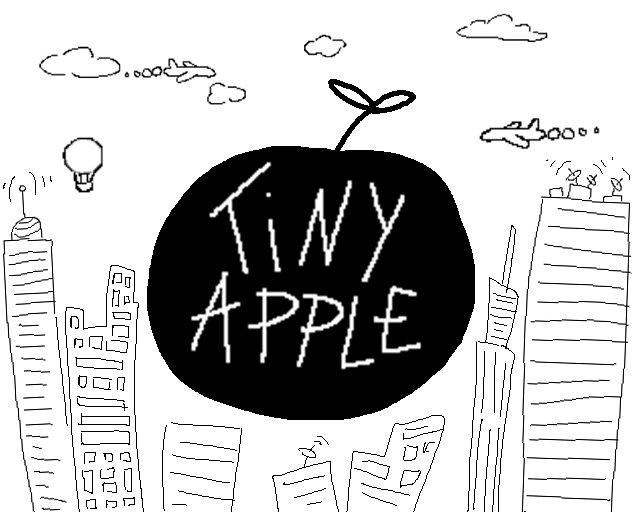
Similarly, Tiny Apple utilizes a one-button mechanic to simulate the generation of "love" in a city. It is an exercise in restraint, showing how a single, well-implemented input can drive an entire gameplay experience.
Supporting Data: The Impact of Community Engagement
The data surrounding Ludum Dare 56 indicates a vibrant, if not overwhelmed, community. With hundreds of games submitted, the itch.io tag for Ludum Dare 56 has become a centralized repository for experimental design.
The metrics of engagement during the post-jam week are significant. Unlike major studio releases, which rely on marketing spend, these games thrive on the "peer-review" model. As of mid-October, the most popular titles have seen thousands of browser-based plays. This reliance on web-based accessibility is a strategic choice by the developers; by allowing players to jump directly into the game via a browser, they eliminate the friction of downloads, which is critical for titles that are intended to be played in short, five-to-ten-minute bursts.
The Evolution of the Game Jam
The significance of Ludum Dare 56 extends beyond the individual games. It serves as an indicator of the current state of indie development tools. The widespread use of engines like Godot, Unity, and even custom engines highlights a shift toward high-efficiency workflows.
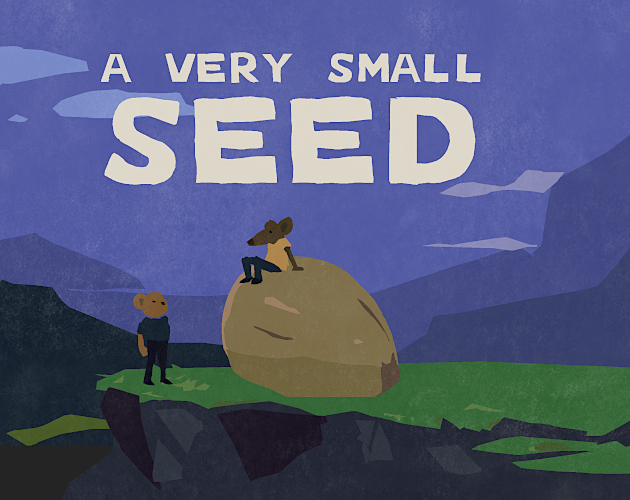
"We are seeing a move away from ‘feature creep’ and toward ‘thematic focus,’" notes one observer within the itch.io community. This trend is evident in titles like A very small seed, which prioritizes hand-drawn aesthetics and narrative pacing over complex mechanical systems. This shift reflects a maturing audience that values the artistic vision of a game as much as its mechanical challenge.
Implications for the Future of Indie Gaming
What do these results mean for the industry at large? First, they suggest that the barrier to entry for high-quality game development is at an all-time low. The ability to produce a cohesive, playable, and visually distinct game in 72 hours was once a feat reserved for industry veterans; today, it is a standard expectation for participants of all skill levels.
Second, the "Tiny Creatures" theme highlights the continued relevance of scale as a narrative device. By forcing players to interact with the world from the perspective of something small, developers have unlocked a sense of wonder that is often missing from AAA titles. Whether it is a cat hunting for candy or a slime creature defending a pond, these games emphasize the importance of context.
Finally, the success of Ludum Dare 56 highlights the role of platforms like itch.io as not just storefronts, but as incubators. The infrastructure provided by these platforms—enabling easy uploads, browser-based play, and community comments—has created a sustainable ecosystem for creators to fail, learn, and succeed in public.
Conclusion: A Tiny Success
As the dust settles on Ludum Dare 56, the takeaway is clear: the spirit of independent game development is alive and flourishing. The event has provided a platform for a new generation of developers to test their limits, engage with a global community, and contribute to a growing library of unique, experimental content.
For those interested in witnessing the innovation firsthand, the Ludum Dare 56 tag on itch.io remains open for exploration. Whether you are looking for the strategic depth of a deck-builder or the quiet charm of a narrative adventure, the "Tiny Creatures" that emerged from this weekend are proof that when it comes to game design, size truly is not everything. The future of the industry may be built by giants, but it is currently being innovated by the smallest of creators.