The Digital Renaissance: Commodore Returns to Mobile with the Privacy-Focused ‘Callback 8020’
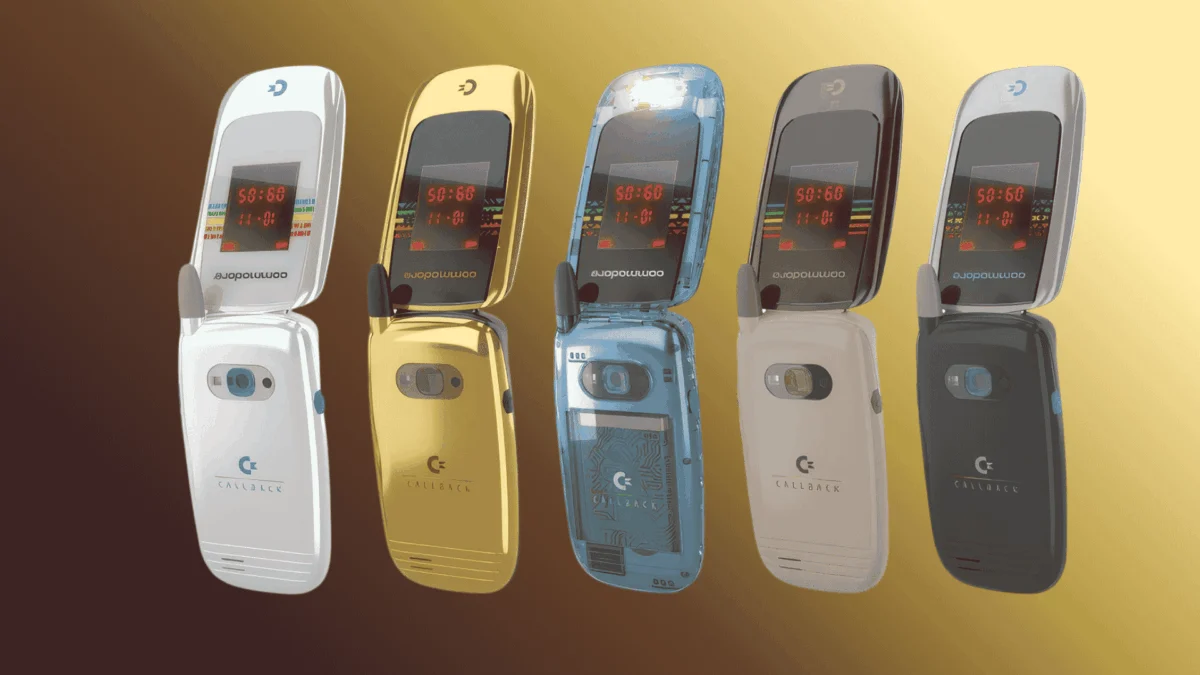
In a tech landscape dominated by glass-slab smartphones, endless scrolling, and pervasive data harvesting, a legendary name from the golden age of computing has emerged with a radical proposition. One year after its successful revival, Commodore—the brand synonymous with the 8-bit revolution—has officially announced its reentry into the mobile market. However, they are not competing with the latest flagship devices from Cupertino or Seoul. Instead, they are looking to the past to solve the problems of the present with the Commodore Callback 8020, a retro-styled flip phone that champions digital minimalism and Linux-based privacy.
A Legacy Reclaimed: The Chronology of a Comeback
The return of Commodore is not merely a nostalgia play; it is a calculated business evolution. After years of dormancy, the brand was acquired by new ownership, signaling a clear intent to modernize its heritage.
- June 2025: The "resurrection" of Commodore makes headlines, focusing on bringing the brand back to relevance through high-quality hardware and community engagement.
- Late 2025: The company expands its footprint by releasing multiple Commodore 64 Ultimate editions and the C64X PC, proving that the demand for the brand’s aesthetic and ethos remains strong.
- Early 2026: Commodore establishes a robust licensing program, inviting independent builders and developers to leverage the brand’s intellectual property, effectively creating a decentralized ecosystem for future projects.
- June 2026: The official unveiling of the Callback 8020 marks the company’s first foray into the mobile sector in decades, shifting the focus from desktop computing to personal, portable communication.
This progression suggests that Commodore is not looking to chase the trends of the "Big Tech" giants. Instead, they are building a boutique ecosystem that appeals to power users, retro-enthusiasts, and those suffering from "smartphone fatigue."
The Hardware: Where Retro Aesthetic Meets Modern Utility
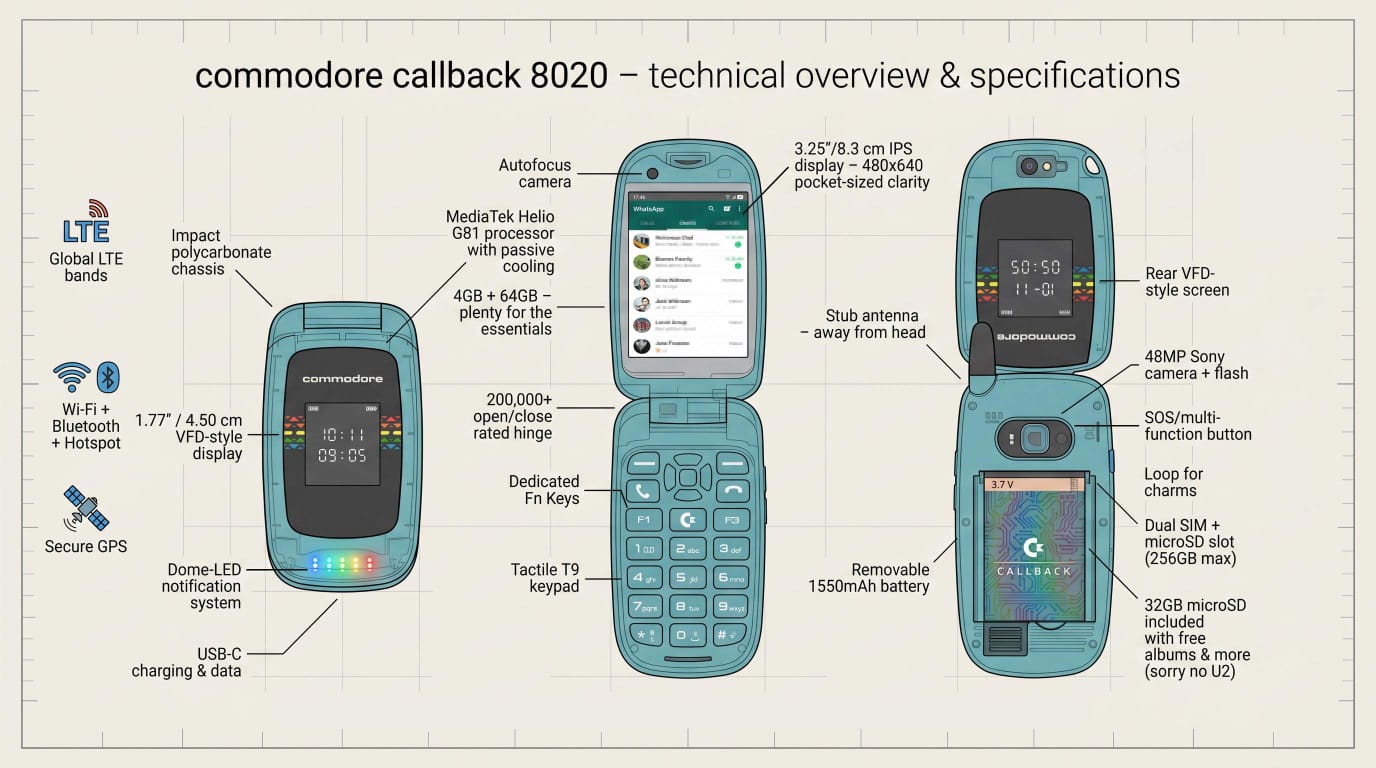
The Commodore Callback 8020 is designed to bridge the gap between 1980s tactile satisfaction and 2026 functional requirements. Constructed from a durable polycarbonate shell, the device feels substantial, moving away from the fragile, slippery glass designs that define modern phones.
Technical Specifications at a Glance
- Processor: MediaTek Helio G81 (Passively cooled)
- Memory/Storage: 4GB RAM, 64GB internal storage (expandable via microSD)
- Primary Display: 3.25-inch IPS, 480×640 resolution
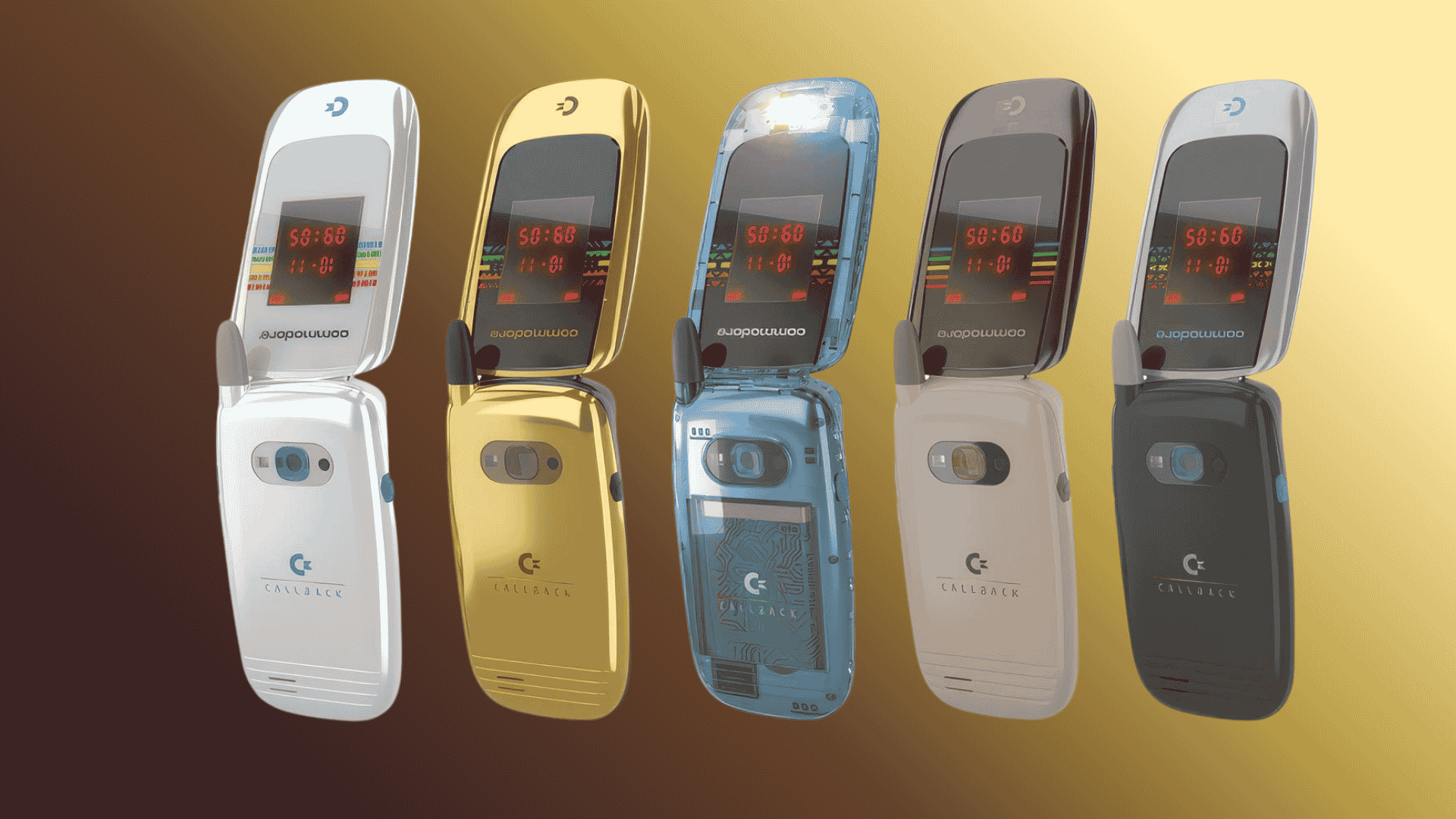
- External Display: 1.77-inch VFD-style secondary screen
- Camera System: 48MP Sony sensor (rear), high-fidelity autofocus for video calls
- Battery: 1550mAh (Removable/User-replaceable)
- Connectivity: Dual-SIM 4G, Wi-Fi, Bluetooth, GPS, Hotspot
The choice of the Helio G81, while not a top-tier gaming chipset, is an intentional decision. By opting for a balanced, energy-efficient processor, Commodore ensures that the device stays cool without the need for intrusive fans, while providing enough overhead for the Sailfish OS to run fluidly. The inclusion of a removable battery is perhaps the most significant nod to the power-user community, offering a level of repairability and longevity that is virtually extinct in modern flagships.
The Software: Why Sailfish OS?
The most disruptive aspect of the Callback 8020 is its operating system. By bypassing the Android and iOS duopoly, Commodore has adopted Jolla’s Sailfish OS.
Sailfish OS is built on a Linux foundation, emphasizing user sovereignty and privacy. It does not engage in the telemetry-heavy practices that characterize mainstream mobile operating systems. During the development phase, Commodore evaluated numerous platforms, ultimately selecting Sailfish for its clean design language and its ability to offer a "sandboxed" experience.
The "Anti-Doomscrolling" Philosophy
Commodore has made a bold, controversial decision regarding software: Browsers and social media applications are blocked at the system level.

For the average consumer, this sounds like a limitation; for the target demographic, it is a feature. The device is designed to facilitate communication—not consumption. Users can access essential messaging tools like WhatsApp, Signal, Telegram, and WeChat. Through third-party bridges, it even supports iMessage. By removing the web browser and the infinite scroll of social media feeds, the device effectively forces a healthier relationship with technology.
Yet, for those who need occasional access to specific mobile tools, the device maintains an impressive 99% compatibility rate with Android applications. This creates a "best of both worlds" scenario: a hardened, secure OS for daily life, with the ability to "sideload" necessary utilities when the need arises.
Official Responses and Strategic Implications
Jolla CEO Sami Pienimäki has been vocal about the partnership, noting that Commodore’s commitment to privacy aligns perfectly with the Sailfish mission. "We aren’t just selling a phone," Pienimäki stated during the reveal. "We are selling the idea that you should own your device, not the other way around."
The implications of this move are significant. If the Callback 8020 succeeds, it validates a market segment that has been largely ignored by the smartphone industry: the "intentional user." This is the user who wants a high-quality camera, reliable messaging, and long battery life, but who does not want to be a data point in an advertising profile.
Furthermore, the integration with the Commodore 64 Ultimate ecosystem—where users can control their home-based LEDs directly from their phone—hints at a broader, unified "Commodore Lifestyle" product suite. It turns the phone into a remote control for one’s digital sanctuary.
Pricing, Availability, and The "Founders" Appeal
Commodore is positioning the Callback 8020 as a premium, niche device rather than a mass-market commodity. The pricing structure reflects this:
- Standard Editions (ProtoPET White, SX Silver, BASIC Beige): $499
- Starlight Edition: $549.99
- Founders Edition: $640
The pricing includes a "waitlist" incentive that provides an additional $50 discount for early adopters. With pre-orders opening on June 30, 2026, the company is managing expectations regarding shipping, noting that units will begin rolling out in the winter, with the possibility of delays extending into early 2027.
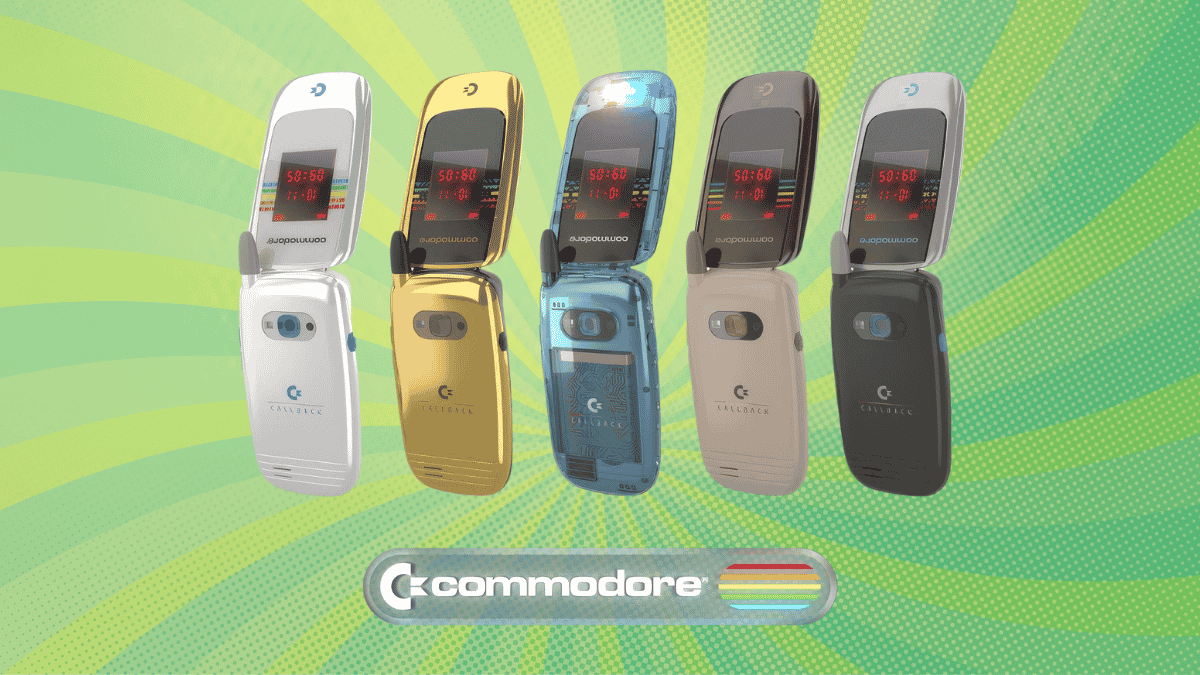
The five colorways are not merely aesthetic; they are a homage to the various iterations of the Commodore 64 and its legacy. By offering swappable back covers, the company is also leaning into the "maker" culture, encouraging users to personalize their hardware in an era where most phones are identical, sealed bricks.
Conclusion: A Step Backward to Move Forward
The Commodore Callback 8020 is not trying to be the "next big thing" in the tech world. It is, by design, a "small thing." It is a device that recognizes the saturation of our modern digital lives and offers an exit ramp.
Whether the market is ready for a $500+ flip phone that refuses to let you browse the web remains to be seen. However, by leveraging the trust of the Commodore brand, the reliability of Linux, and the growing desire for digital wellness, the Callback 8020 has positioned itself as the most interesting piece of hardware of 2026.
In a world where we are constantly told that more is better—more apps, more screen time, more data tracking—Commodore is daring to suggest that the true luxury of modern computing is, in fact, the ability to put the phone down and get back to living. The 8020 is not just a call back to the 80s; it is a call back to ourselves.