The PocketMage Renaissance: Is This Retro-Futuristic PDA the Antidote to Modern Distraction?
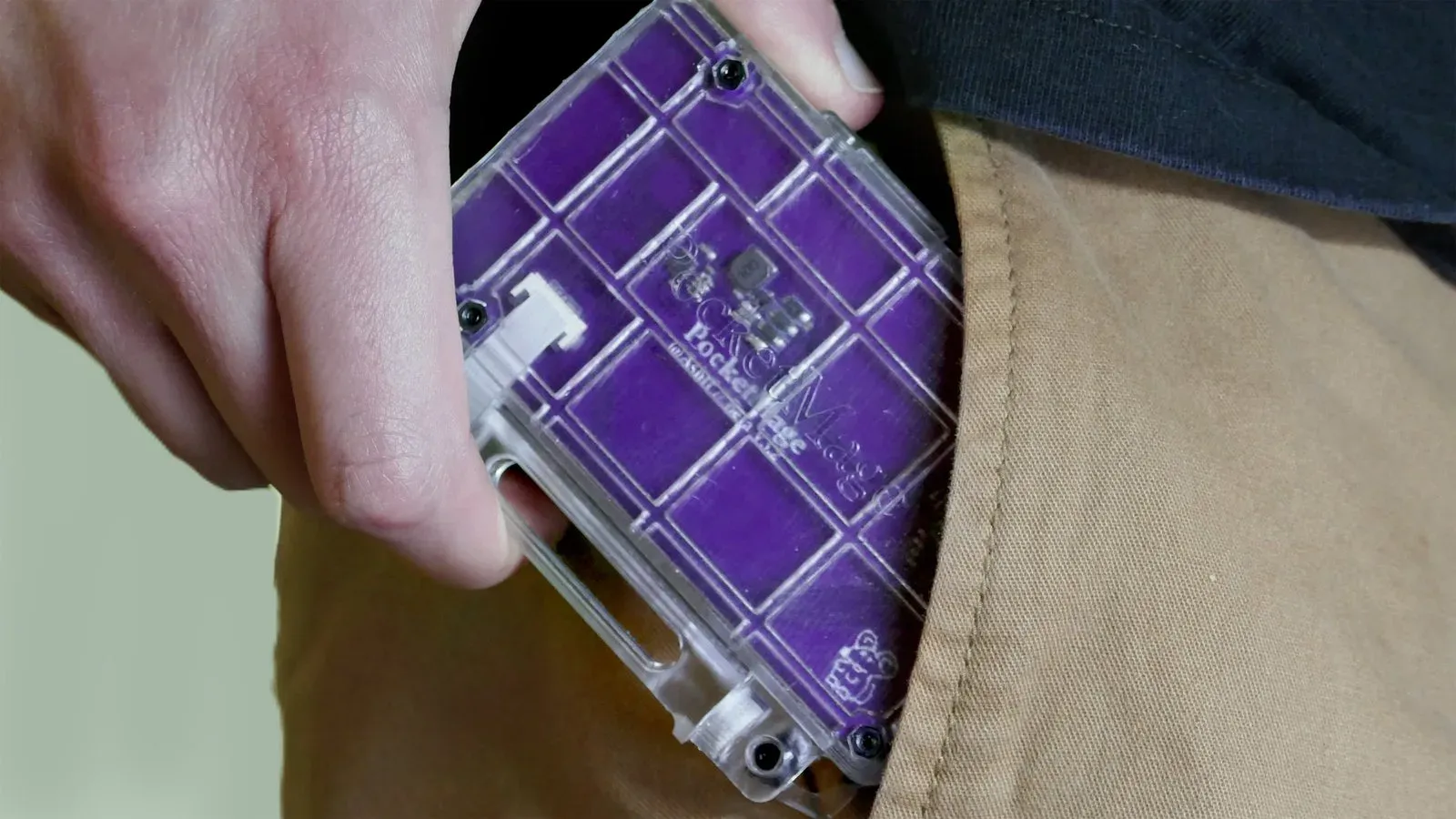
In an era where our smartphones have become extensions of our nervous systems—constantly buzzing with notifications, algorithmic feeds, and the relentless pressure to be "always on"—a counter-movement is quietly gaining momentum. The "anti-smartphone" trend, characterized by physical keyboards, limited functionality, and a focus on singular tasks, is finding its latest champion in Phoenix, Arizona. Talisman Design, an independent hardware studio, has officially unveiled the PocketMage, a pocket-sized personal digital assistant (PDA) that promises to reclaim the focus lost to the modern digital abyss.
Currently live on the crowdfunding platform Crowd Supply, the PocketMage is not merely a piece of hardware; it is a manifesto for the intentional user. By stripping away the bloat of modern mobile operating systems, Talisman Design is banking on the idea that users are ready to trade connectivity for clarity.
The Evolution of the "Anti-Smartphone"
To understand the PocketMage, one must look at the lineage of minimalist computing. The market for devices that do one thing well has been punctuated by niche successes over the last decade. The Freewrite typewriter revolutionized the workflow for novelists, effectively severing the tether between creative writing and the distractions of the open web. Similarly, the PicoCalc captured the imagination of the tinkering community, proving that there is a hunger for hardware that rewards curiosity rather than consumption.
The PocketMage arrives as the spiritual successor to the Palm Pilots of the late 90s, updated for a generation that prizes open-source ethos over proprietary walled gardens. It is a device that does not aim to replace your phone, but rather to exist in the spaces where your phone is a nuisance.
Hardware Anatomy: A Dual-Display Marvel
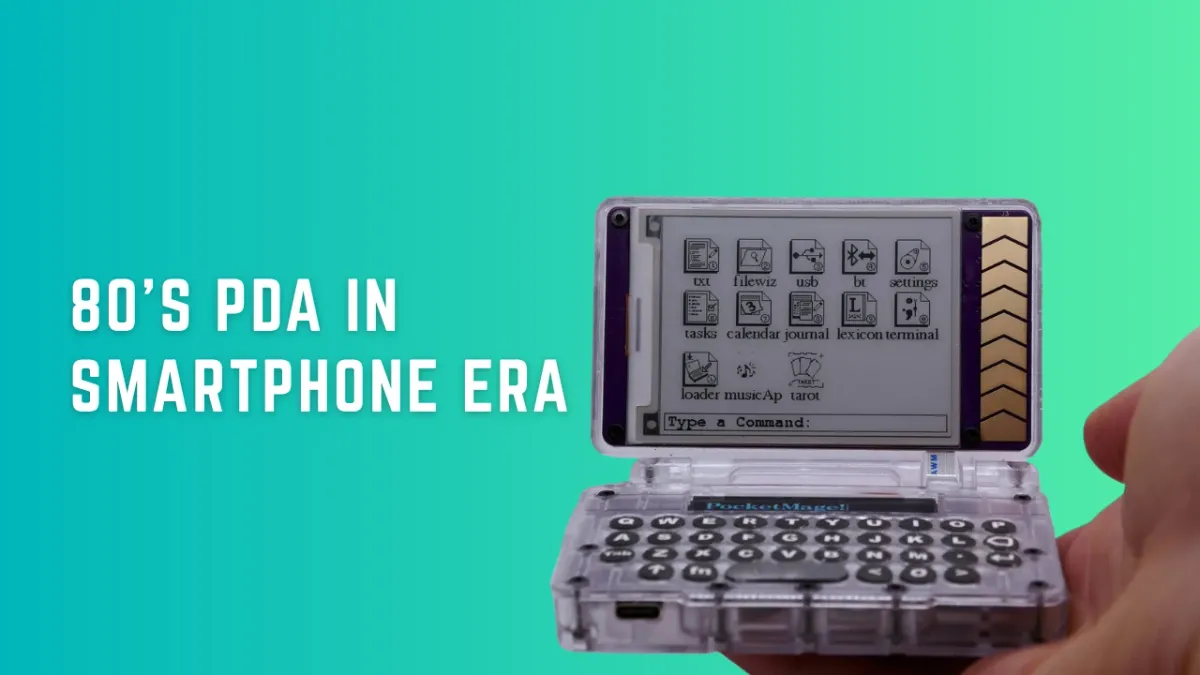
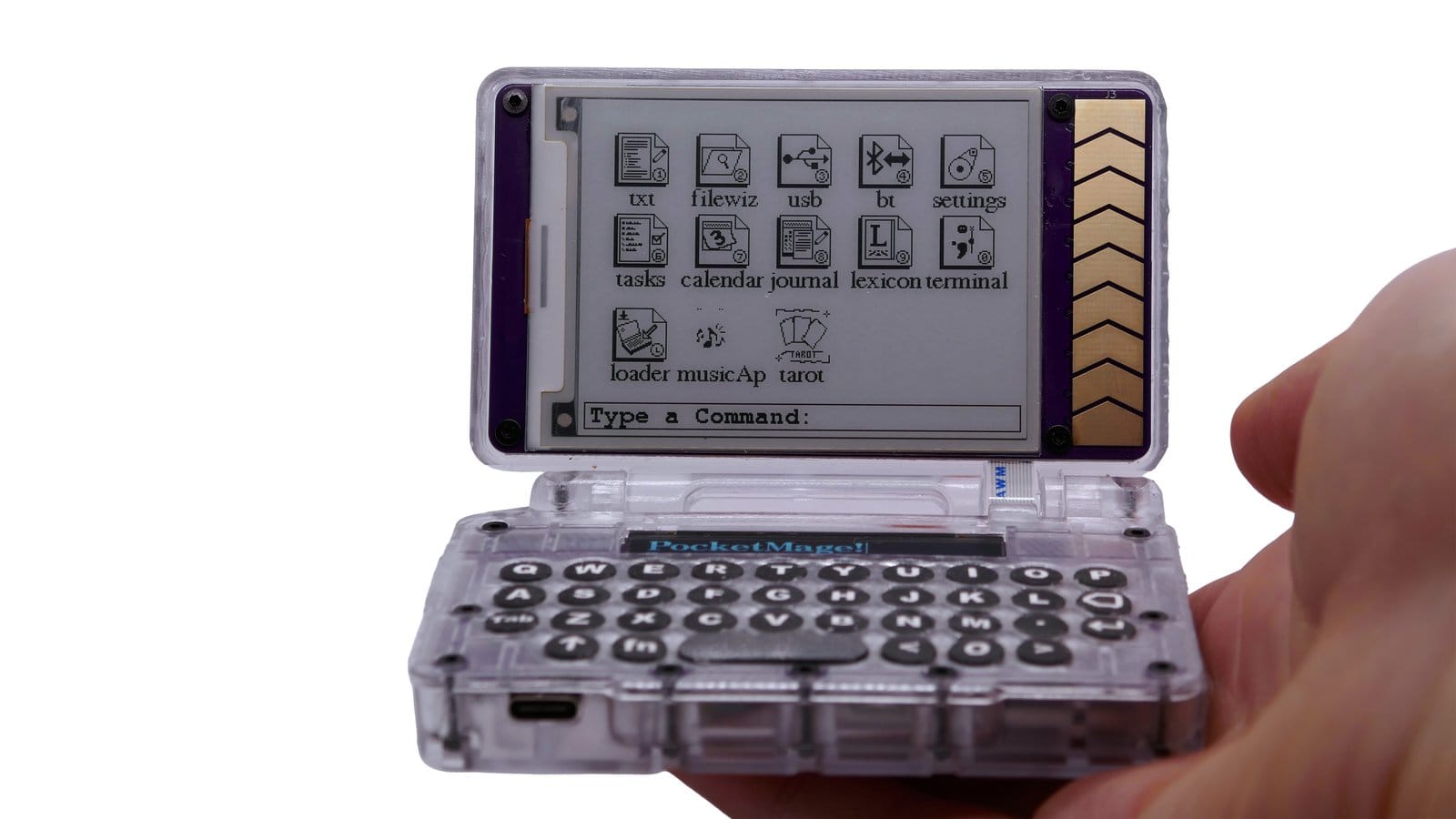
The most striking feature of the PocketMage is its hardware configuration. At first glance, it presents a modest 3.1-inch e-paper display. E-paper, known for its extreme power efficiency and sunlight readability, is the ideal choice for text-heavy tasks. However, recognizing that e-paper’s refresh rate is insufficient for the fluid, fast-paced navigation required of modern menus, the designers integrated a secondary, 1.8-inch OLED strip.
This "Touchbar-esque" secondary display handles the high-frequency interactions, allowing the primary e-paper panel to remain crisp and static for reading and writing. This division of labor is deliberate, highlighting a design philosophy that prioritizes function over aesthetic uniformity.
Beneath the Hood: The ESP32-S3 Microcontroller
Unlike the high-powered ARM-based chips found in tablets or smartphones, the PocketMage is powered by the ESP32-S3. While this may seem underpowered to a casual observer, the choice is strategic. The ESP32-S3 is a powerhouse in the hobbyist and industrial IoT space, offering a massive ecosystem of support, low power consumption, and predictable performance.
By opting for a microcontroller rather than a full-blown desktop processor, Talisman Design ensures that the device can achieve its target 7-day battery life. It is a decision that shifts the device away from being a "mini-computer" and toward being a "specialized tool," mirroring the design ethos of retro-computing hardware that prioritized reliability over raw processing power.

The Ecosystem: PocketMageOS and the Bazaar
The software experience is anchored by PocketMageOS, a custom operating system built on top of FreeRTOS (Real-Time Operating System). This ensures that the device is responsive and stable. Out of the box, the system includes a suite of essential utilities: a distraction-free Markdown text editor, a dictionary, a journaling application, and a command-line terminal.
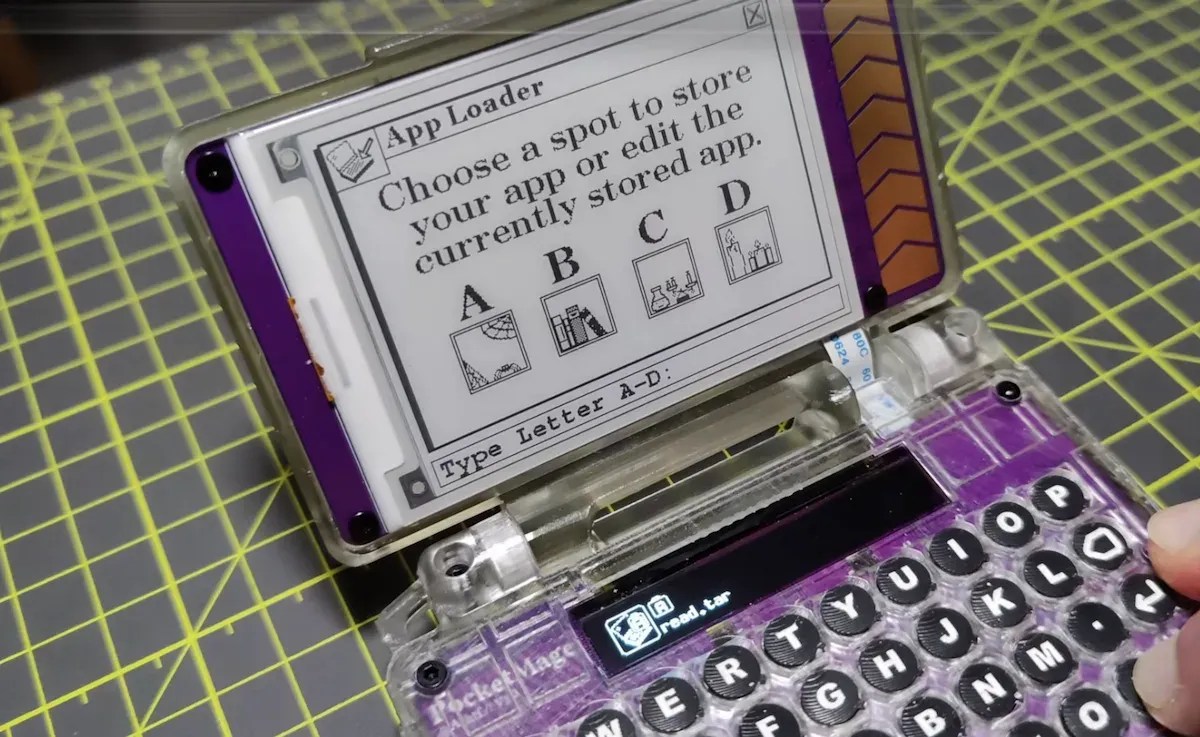
Perhaps the most compelling aspect of the software experience is the "Bazaar." Recognizing that one size rarely fits all, the developers created an app store for sideloaded software. The current repository already features a variety of community-contributed tools:
- Productivity: A Pomodoro timer for time management.
- Information: A text-based web browser and e-book reader.
- Utility: A calculator and specialized engineering tools.
- The Unexpected: A Tarot card reader, proving that even a "serious" tool can have a sense of humor.
Open Source and The Spirit of DIY
Talisman Design has committed to the Apache-2.0 Open Source Hardware license. Every aspect of the project, from the KiCad PCB design files to the firmware source code, is available on GitHub. This level of transparency is rare in the consumer electronics space and serves as an invitation to the community to audit, modify, and improve the device.
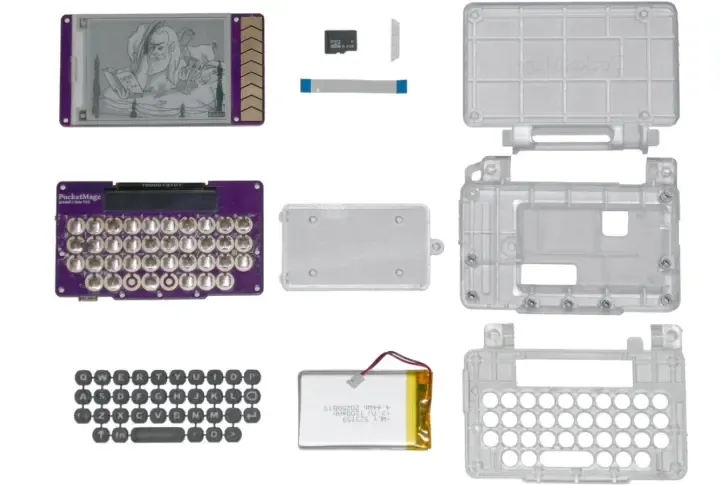
For the user, this means that the PocketMage is not a disposable gadget that will become e-waste when the company stops supporting it. If the official firmware ever lags, the community has the tools to take the mantle. For those who enjoy the tactile nature of building, the DIY kit offers a "no-solder" assembly process, requiring only a screwdriver to bring the device to life.
Chronology and Crowdfunding Performance
The PocketMage campaign, which launched in mid-2026, has seen steady interest from the maker community. At the time of this report, the project has raised over $66,000 toward its $100,000 goal, with 58 days of funding remaining.
- Launch Date: July 2026
- Funding Milestone: Currently 66% funded.
- Shipping Estimates: Expected by late March 2027.
The pricing structure is tiered to accommodate different levels of involvement:
- DIY Kit ($185): For those who want the satisfaction of assembly and a $50 price reduction.
- Pre-assembled ($235): For the user who wants a plug-and-play experience out of the box.
Both versions are available in two aesthetic finishes: "Parchment" (a classic cream) and "Royal Purple" (a vibrant, retro-inspired hue).
Implications for the Modern User
Why would anyone purchase a device with less power than their cheapest smartphone? The implications of the PocketMage go beyond raw specs. In an era of "Digital Minimalism," devices like the PocketMage are symbols of autonomy.
The Argument for Necessity vs. Want
The harsh reality, which the developers acknowledge, is that the PocketMage is not a "need." Your smartphone is capable of everything this device does and more. However, the smartphone is also capable of hijacking your attention. The PocketMage is an instrument of "Intentional Computing." By limiting the device’s capability, the developers are effectively curating the user’s focus.
The device fills a psychological niche. It appeals to the "cyberdeck" subculture—the group of enthusiasts who view computing as a tactile, personal endeavor rather than a service-based consumption model. It is for the writer who wants to draft a novel in a coffee shop without the temptation of checking email, and for the coder who wants to keep a terminal in their pocket at all times.
Conclusion: A Tool for the Future
The PocketMage is a bold experiment in human-computer interaction. It asks a fundamental question: Is the constant connectivity of the modern world a benefit, or a burden?
By providing an open-source platform that encourages tinkering, assembly, and focused use, Talisman Design is not trying to compete with the giants of the mobile industry. Instead, they are carving out a space for a different kind of experience—one that feels personal, deliberate, and entirely under the user’s control.
As we look toward the potential delivery date in early 2027, the success of the PocketMage will likely serve as a barometer for how many people are willing to step away from the glowing, infinite feeds of the modern smartphone to embrace the quiet, static, and focused world of a pocketable, open-source PDA. Whether you view it as a nostalgic toy or a necessary tool for reclaiming focus, the PocketMage stands as a testament to the enduring appeal of the DIY spirit in an increasingly closed-off world.