The "Ameyega" Aftermath: Inside itch.io’s Retro-Style April Fools’ Experiment
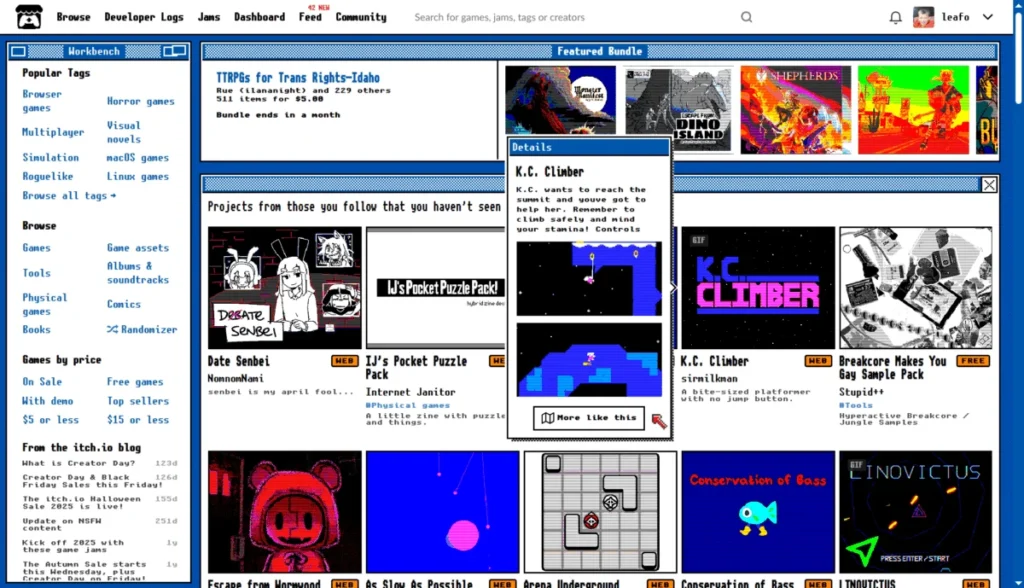
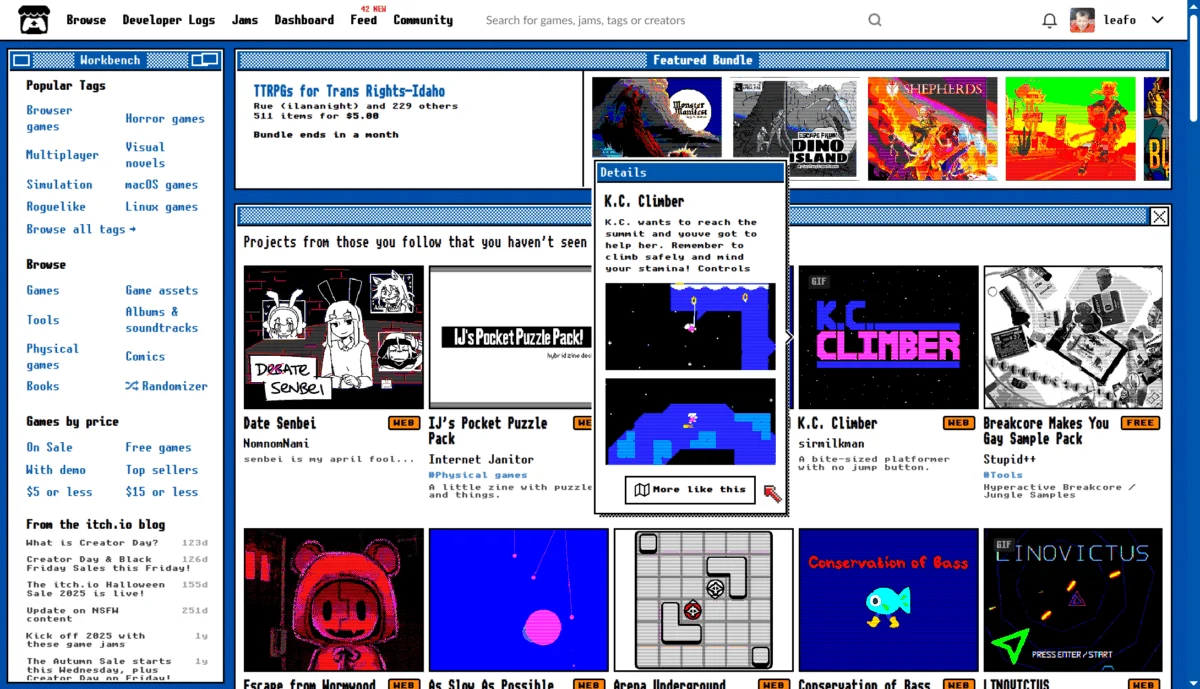
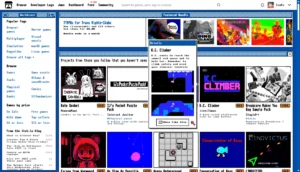
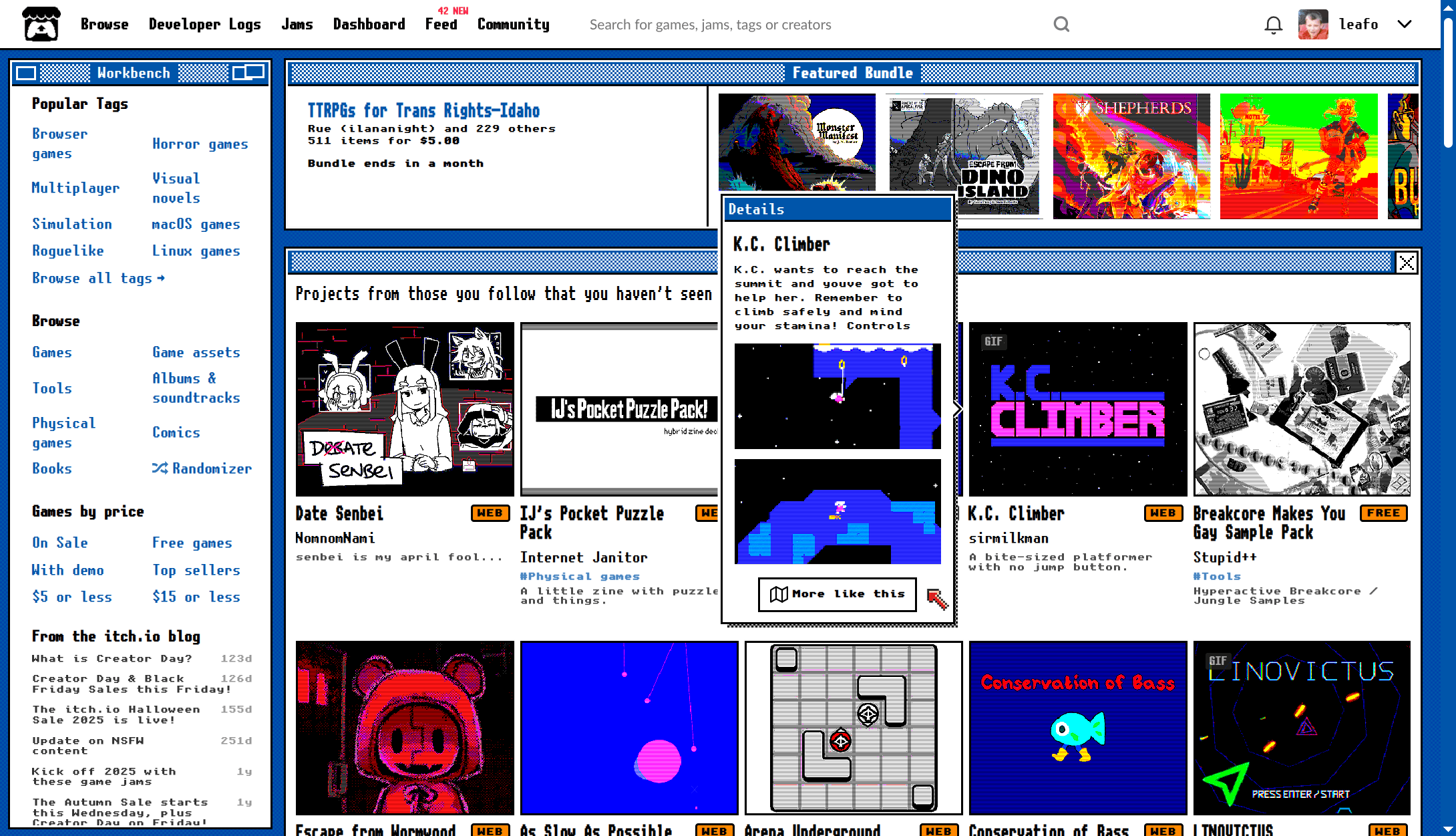
For a brief, pixelated window of time, the indie gaming community was transported back to the early days of the internet. On April 1, itch.io, the world’s leading platform for independent game distribution, underwent a radical transformation. Replacing its sleek, modern interface was "Ameyega mode"—a lo-fi, ASCII-inspired aesthetic that prioritized retro minimalism over the platform’s standard high-fidelity layout. While the stunt was intended as a lighthearted April Fools’ Day gag, it ignited a fiery debate within the itch.io community, highlighting the delicate balance between creative platform expression and the functional needs of a global user base.
The Genesis of the Glitch: Understanding Ameyega
The "Ameyega" update was not merely a color swap; it was a complete visual overhaul of the itch.io homepage. Utilizing fonts from the Unscii project—a collection of bitmap fonts designed for pixel-art and retro-computing aesthetics—the platform effectively rebranded itself as a terminal-based interface.
The update, which went live slightly behind schedule, was designed as a nostalgic nod to the origins of the web. For those who missed the live event, itch.io has kept a "vestigial" version of the mode available for logged-in users at https://itch.io/?ameyega. The team stated that this access will remain until the next major overhaul of the site’s homepage architecture.
A Chronology of the Event
The deployment and subsequent reaction followed a distinct arc of user engagement:
- April 1, Morning: The "Ameyega" mode goes live. Initial reactions are a mixture of surprise and confusion, with many users initially suspecting a browser rendering error or a malicious script.
- April 1, Midday: As the nature of the prank becomes clear, the community begins to fracture. Enthusiasts praise the "retro-chic" aesthetic, while power users and developers express frustration over navigation issues and the temporary disruption of site features, particularly Dark Mode.
- April 2–3: The itch.io team acknowledges the late rollout and decides to extend the mode’s duration, citing a desire to ensure more users have a chance to experience the joke.
- April 4 and Beyond: The mode is officially retired from the default homepage. However, the legacy of the event persists in the comment threads, where a vocal minority continues to lobby for the ASCII style to remain as an optional, permanent accessibility or stylistic theme.
The Community Divide: Aesthetics vs. Accessibility
The most significant aspect of the "Ameyega" event was the polarization it created within the community. Analyzing the discourse surrounding the change reveals two distinct schools of thought.
The Pro-Nostalgia Camp
Many users viewed the ASCII mode as a breath of fresh air. In a landscape dominated by hyper-minimalist, high-contrast, and often sterile web designs, the Ameyega mode offered a "charming" and "delightful" throwback. Proponents argued that it gave the platform a distinct personality—one that felt deeply aligned with the indie, experimental, and DIY spirit that itch.io was built to foster. Some users even suggested that the high-contrast, low-resolution nature of the mode was actually easier on their eyes, leading to requests for the theme to be made a permanent, opt-in feature.
The Accessibility and Functional Critique
Conversely, a substantial portion of the user base experienced the update as a significant hurdle. Reports of broken navigation, difficulty reading text, and the temporary disabling of the site’s native Dark Mode prompted sharp criticism.
"I am disabled and I can’t watch this! How do you get this crap off?" one user noted, highlighting that what developers consider a "fun joke" can often act as an unintended barrier to entry for users with visual impairments or specific cognitive needs. Furthermore, professional developers who use itch.io as their primary storefront expressed concern that a "broken-looking" homepage undermined the perceived professional quality of the games hosted on the site.
Official Responses and Technical Adjustments
The itch.io development team remained relatively hands-off during the peak of the debate, allowing the community to self-regulate, though they did make subtle technical adjustments in response to feedback.
One of the most common complaints during the prank involved the site’s Dark Mode settings, which were reportedly non-functional while Ameyega mode was active. Approximately four hours after a particularly vocal complaint regarding this issue, users noted that the homepage began to respect Dark Mode settings again, indicating that the developers were monitoring the situation and applying "hotfixes" to ensure the site remained functional even under the weight of the prank.
The team’s primary stance, as evidenced by their brief update post, was one of lighthearted apology for the late arrival of the prank and a commitment to keeping the mode accessible as a "historical" curiosity rather than a permanent fixture.
Wider Implications: The Future of Platform Design
The Ameyega incident serves as a microcosm for the broader challenges facing digital platforms. As websites grow, they become "digital infrastructure"—utilities that users rely on for their livelihoods. When a platform like itch.io, which hosts thousands of developers selling their wares, makes radical changes to its interface, it can have real-world consequences for discoverability and user experience.
Lessons in User-Centric Design
The feedback loop generated by this event offers several key takeaways for platform administrators:
- Opt-in vs. Forced Experience: Many users suggested that future aesthetic experiments should be opt-in from the start. By allowing users to toggle a "Retro Mode" in their account settings, the platform could satisfy those seeking nostalgia without alienating those who rely on the standard UI for their daily workflows.
- Accessibility as a Priority: The immediate backlash from users with disabilities underscores that "fun" cannot come at the expense of accessibility. Any future UI changes must account for screen readers, high-contrast needs, and standard navigation patterns.
- The "Professional" Perception: For a platform that serves as a business hub for indie creators, the visual integrity of the homepage is vital. The negative feedback regarding the "unprofessional" look of the site suggests that users view the homepage as a reflection of their own credibility.
Conclusion: A Fond Farewell to the Pixels
The Ameyega mode experiment was a testament to the unique culture of itch.io. It was a rare moment where a major distribution platform allowed itself to be "broken" for the sake of a joke. While the experiment caused friction, it also sparked a rare, deep conversation about what the platform means to its users—whether it is a professional storefront, a creative hub, or a community-driven experiment.
Ultimately, the event demonstrated that the itch.io community is deeply invested in the platform’s future. Whether they were demanding the return of the ASCII mode or begging for its immediate removal, the intensity of the feedback proved that the site is more than just a place to download games—it is a digital home. As the platform moves forward, the lessons learned from this April Fools’ experiment will likely shape how the team approaches future updates, ensuring that while the site may continue to experiment with its identity, it does so without losing the accessibility and functionality that its users depend upon.
For now, the pixels of Ameyega remain at the designated URL—a silent, static reminder of a week when the internet felt just a little bit more like 1995.