Spotify Refines Release Radar: A Deep Dive into the Future of Personalized Music Discovery
In an era where the average listener is inundated with an overwhelming volume of new music releases—with tens of thousands of tracks uploaded to streaming platforms daily—the ability to curate a personalized sonic experience is no longer just a luxury; it is a necessity. Spotify, the world’s leading audio streaming service, has officially announced a significant overhaul of its long-standing "Release Radar" feature. By introducing granular session controls and a refined recommendation algorithm, the Swedish tech giant is attempting to solve the "paradox of choice" that often plagues music discovery.
These updates, currently rolling out across both mobile and desktop platforms, represent a pivot toward a more interactive, user-led discovery model. By allowing listeners to steer their algorithmic feeds, Spotify is moving away from the "black box" approach of pure machine learning toward a hybrid system that balances AI efficiency with human intent.
The Core Mechanics of the Update
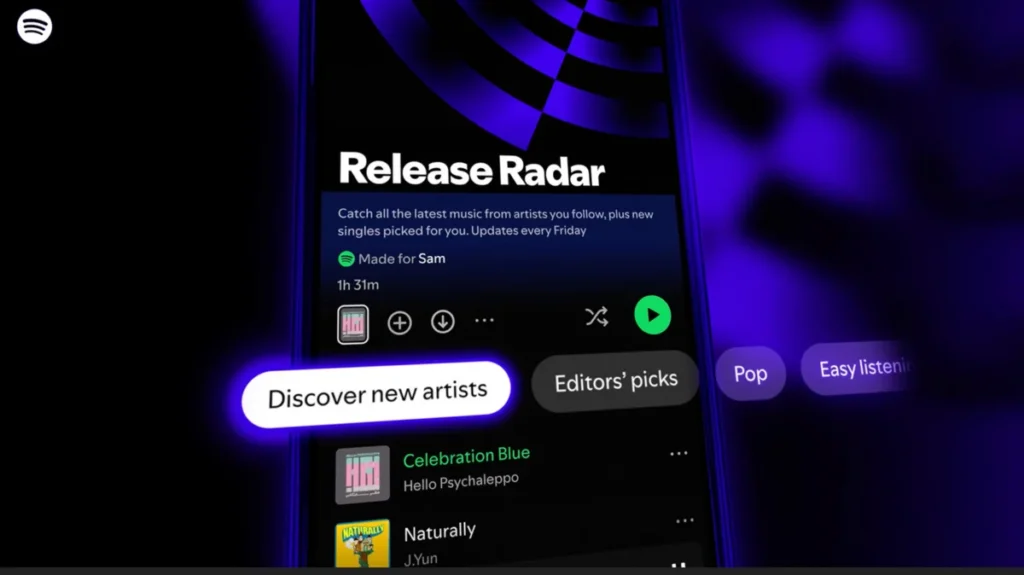
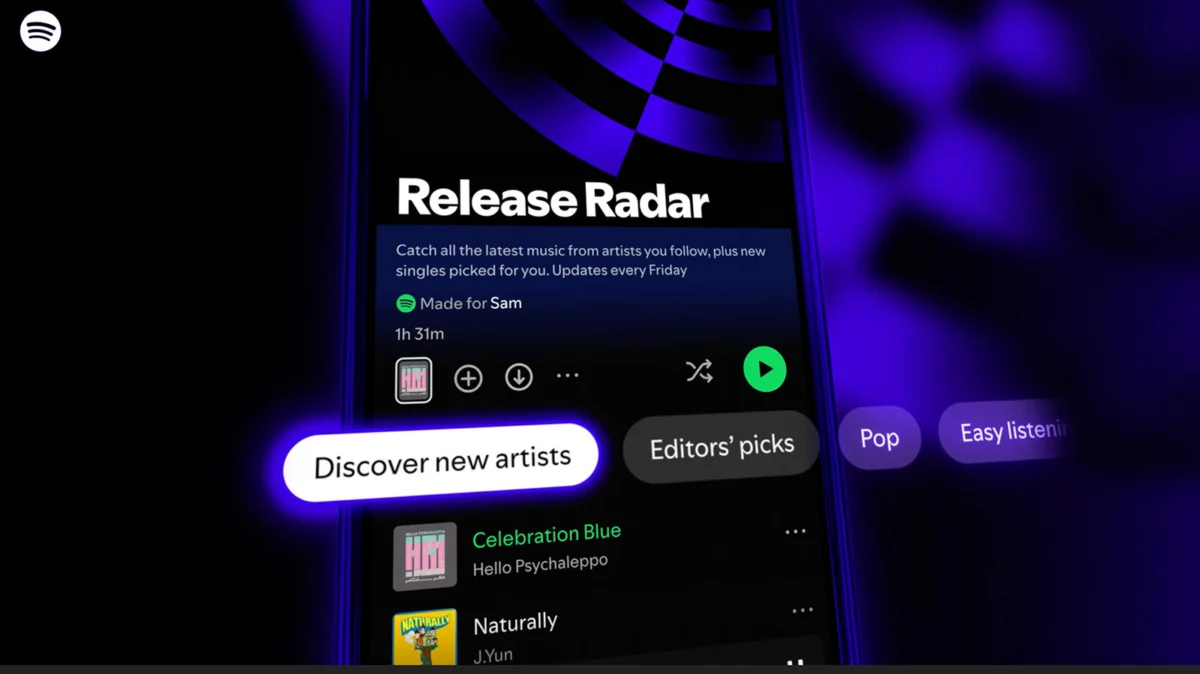
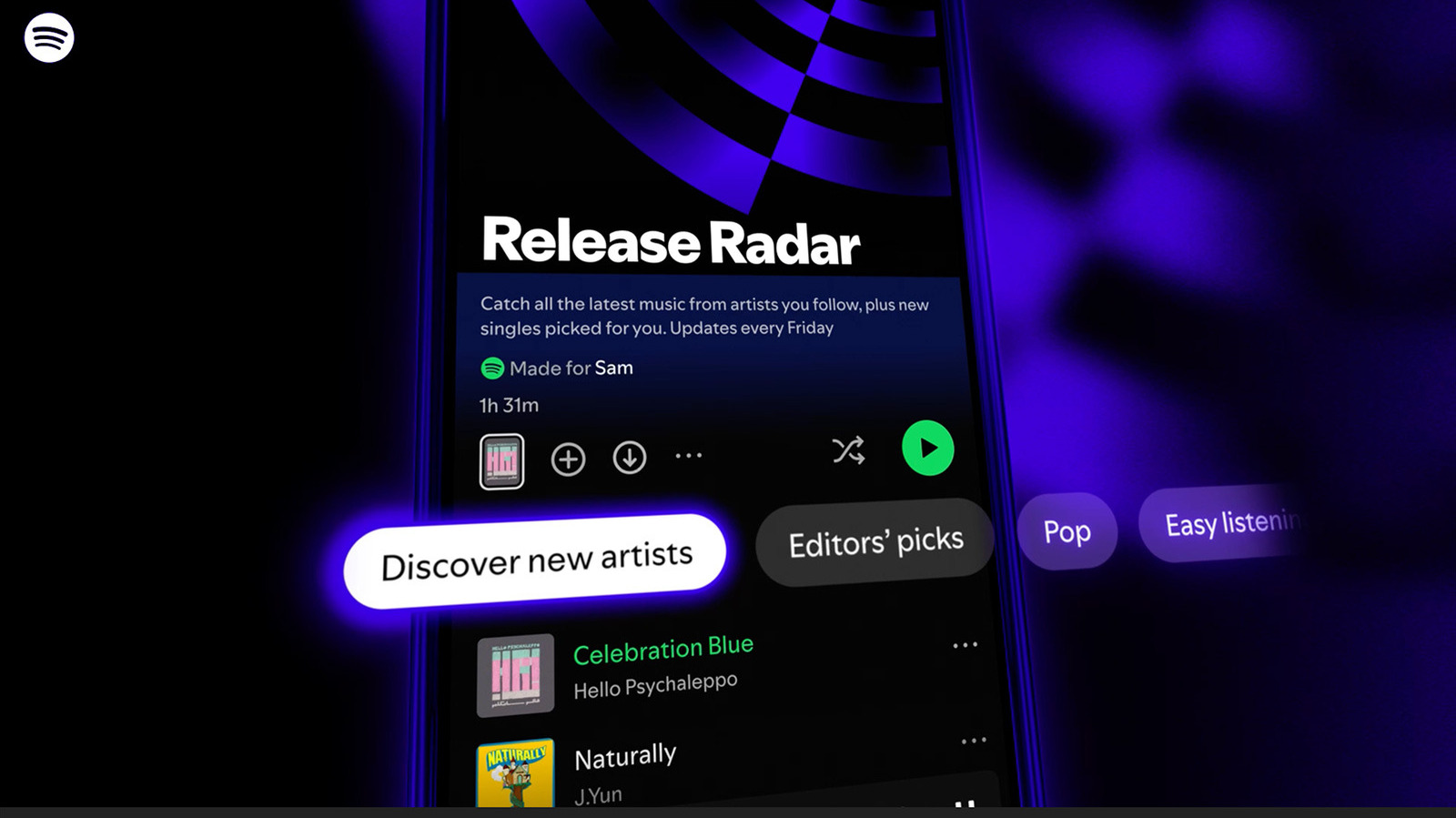
The most visible change to the Release Radar experience is the introduction of a new selection interface at the top of the playlist. Upon opening the feature, users will now see up to five distinct filter options—such as "Discover new artists," "Editors’ picks," "Easy listen," and "Pop"—allowing them to narrow the scope of their weekly music haul.
These controls are designed to address the "one-size-fits-all" criticism that has occasionally dogged Release Radar since its inception. By selecting a specific mood or discovery intent, the user is essentially telling Spotify’s underlying model, "This is what I am looking for right now." The system then dynamically adjusts the tracklist to prioritize those specific parameters. This move is a clear acknowledgement that a user’s musical identity is fluid; a listener may want high-energy pop on a Friday morning, but prefer "easy listening" or deep-cut discovery on a Sunday afternoon.
Beyond the interface, Spotify has overhauled the underlying recommendation engine that powers the playlist. The goal is to reduce "noise"—tracks that might be technically popular but fail to align with the user’s specific historical preferences—thereby increasing the "hit rate" of the two-hour personalized mixtape.
A Chronological Evolution of Music Discovery
To understand the significance of this update, one must look at the history of Spotify’s discovery tools.
2016: The Dawn of Release Radar
When Spotify first launched Release Radar in August 2016, it was a revolutionary concept. At the time, streaming was still transitioning from a "search and play" model to a "curated discovery" model. Release Radar provided a standardized, weekly drop of music—typically released on Fridays—that combined new singles from artists the user already followed with algorithmically selected tracks from similar artists. It quickly became the cornerstone of the user experience, often cited by subscribers as their primary reason for remaining loyal to the platform.
2017–2022: The Algorithmic Arms Race
Following the success of Release Radar, Spotify pivoted toward aggressive personalization. The introduction of "Discover Weekly," "Daily Mixes," and "Spotify Wrapped" turned music consumption into a data-driven science. During this period, the focus was on the "black box"—the idea that the algorithm knew you better than you knew yourself. However, as the platform scaled to hundreds of millions of users, the algorithm began to face "filter bubble" issues, where users felt they were being fed the same style of music repeatedly.
2023–2026: The Era of User Agency
The current update marks the beginning of a new phase. We are seeing a shift from "passive consumption" to "active participation." By providing users with session controls, Spotify is effectively inviting the listener to be a co-curator of their own discovery journey. This reflects a broader trend in tech, where users are increasingly demanding transparency and control over the AI-driven systems that govern their digital experiences.
Supporting Data: Why Personalization Matters
The importance of this update cannot be overstated when looking at the economics of the streaming industry. According to industry reports, personalized content accounts for over 30% of all listening time on Spotify. When a user engages with a personalized playlist like Release Radar, they are significantly more likely to:
- Save a track to their library: This provides Spotify with "high-intent" data.
- Follow a new artist: This creates long-term value for the artist’s ecosystem.
- Extend the listening session: Increased engagement time directly correlates with higher subscription retention rates.
Internal metrics from Spotify suggest that when users feel they have agency over their discovery, the "skip rate"—the number of times a user clicks ‘next’ before a track ends—decreases by an average of 14%. By refining Release Radar, Spotify is not just improving the user interface; they are optimizing the economic efficiency of their recommendation funnel.
Official Responses and Strategic Rationale
In a statement released via the company’s newsroom, a Spotify spokesperson highlighted that the primary driver for these updates was direct user feedback. "Our listeners told us that while they love the convenience of Release Radar, they sometimes want more control over the kind of new music they encounter on a weekly basis," the company noted.
Industry analysts view this as a strategic move to fend off competitors like Apple Music and YouTube Music. While Apple has leaned heavily into human-curated editorial playlists, Spotify has doubled down on its technical superiority in algorithmic curation. By adding "Editors’ picks" into the mix, Spotify is bridging the gap, attempting to offer the warmth of human curation with the scale and speed of machine learning.
The "new look" for the playlist—which includes updated cover art and a modernized header—is also a subtle play to maintain the premium "feel" of the Spotify brand. In the landscape of digital streaming, where user loyalty is fickle, maintaining a fresh and intuitive visual interface is as important as the code running behind the scenes.
Implications for Artists and the Music Industry
The impact of this update extends far beyond the listener. For independent artists, the algorithm is the "gatekeeper" of the 21st century. By allowing users to filter for "Discover new artists," Spotify is effectively creating a new discovery mechanism that could help smaller, emerging acts break through the noise.
If a listener selects the "Discover new artists" toggle, the platform is signaling that it is willing to prioritize discovery over established popularity. This could potentially democratize the platform, allowing artists with smaller follower counts to reach listeners who are actively looking to expand their musical horizons. However, it also raises questions about how artists will compete for these limited "slots" in a user’s preference-filtered feed. Will labels now be pushing to optimize their releases for specific tags like "Easy listen" or "Pop"? The potential for "algorithmic gaming" remains a significant concern for music industry watchdogs.
Looking Ahead: The Future of the Mixtape
As we look toward the future, it is clear that the days of the static, one-size-fits-all playlist are numbered. Spotify’s latest update to Release Radar is a preview of a more modular, on-demand future. We are likely to see further iterations where AI agents allow users to adjust tempo, mood, and even vocal prominence in real-time.
For now, the refined Release Radar stands as a testament to the fact that even the most successful digital products must evolve. By empowering users to take the wheel, Spotify is not just delivering music; they are cultivating a deeper, more personal relationship between the listener and the platform. Whether this shift will satisfy the demands of a diverse global audience remains to be seen, but for millions of music fans, the Friday morning ritual just became a lot more interesting.