Firmware Glitch Bricks Philips Hue Bridge Pro Units: Company Offers Free Replacements
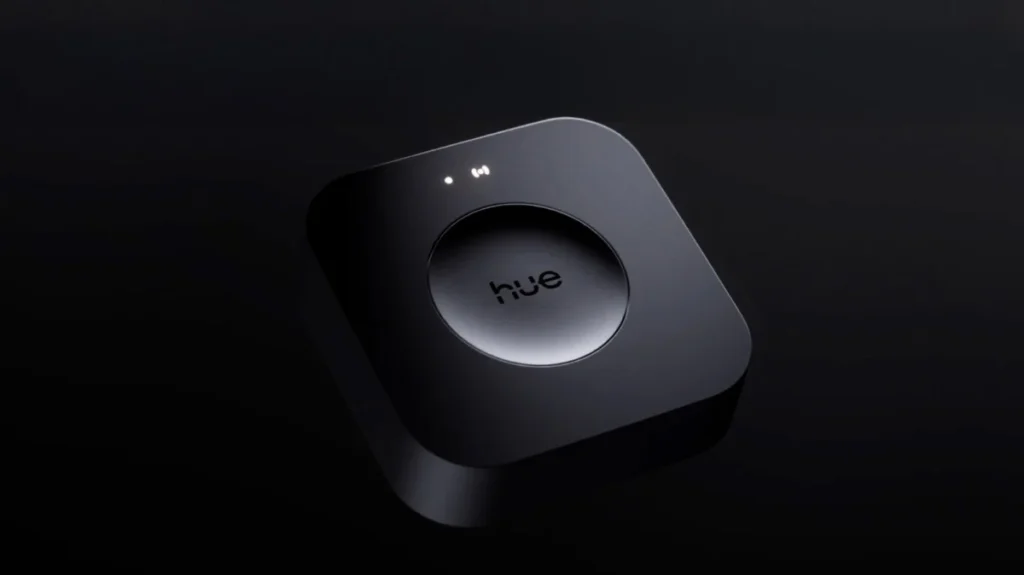
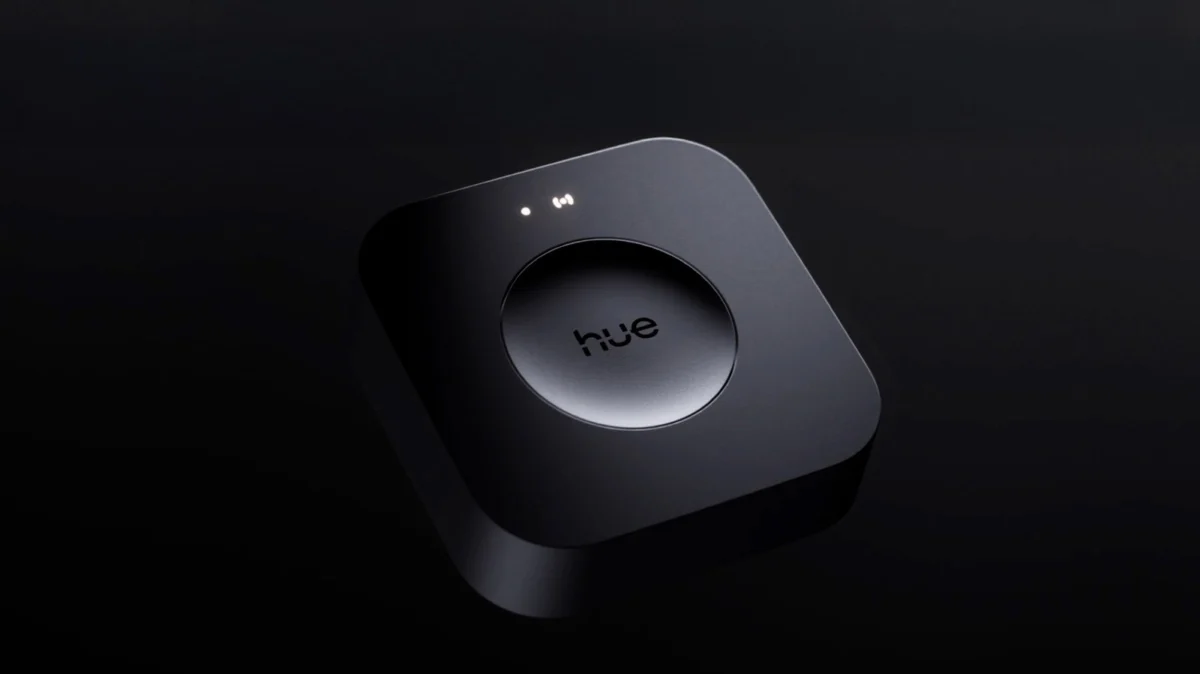
For approximately 100 smart home enthusiasts, the promise of seamless lighting control turned into a frustrating technical nightmare this past June. Following the release of a specific firmware update, a small but significant cohort of Philips Hue Bridge Pro owners found their central smart home hubs rendered entirely unresponsive. The issue, which effectively "bricked" the hardware, has triggered a swift, albeit manual, response from Philips, which is now offering free replacements to all affected users regardless of their device’s warranty status.
The Core Issue: A Firmware Failure
The trouble began shortly after the release of firmware version 2071353020. While standard firmware updates are designed to improve system stability, security, and feature sets, this particular iteration contained a hidden conflict. According to official disclosures, the update failed to initialize correctly under a very specific set of user-end conditions, leading to a catastrophic system failure that left the Hue Bridge Pro unresponsive to both the Philips Hue app and local network commands.
The Bridge Pro, marketed as the enterprise-grade centerpiece of the Philips Hue ecosystem, is designed to support more complex installations than the standard consumer bridge. When the hub goes offline, the entire ecosystem—including smart bulbs, motion sensors, light strips, and custom automation schedules—effectively loses its "brain," leaving users in the dark.
A Chronology of the Crisis
The timeline of the incident highlights the intersection of software deployment and user habits.
The Trigger (Early June 2026)
Philips released firmware version 2071353020 in early June. For the vast majority of users, the update processed automatically or manually without incident. However, a small subset of users—those who had disabled automatic updates—remained on legacy firmware for an extended period.
The Escalation (Late June 2026)
As reports began to surface on platforms like Reddit and various smart home forums, it became clear that the failure was not a one-off anomaly. Users described a scenario where, upon finally choosing to install the pending update after the files had sat cached on the device for more than 10 days, the Bridge Pro would enter a boot loop or simply stop communicating entirely.
Public Awareness and Verification (Early July 2026)
By the first week of July, tech publications including Ars Technica and 9to5Google began investigating the claims. The sheer volume of technical detail provided by users on support forums helped isolate the variable: the specific sequence of long-term storage of the update file followed by a manual installation.
The Corporate Response (Mid-July 2026)
Philips acknowledged the issue shortly after media inquiries. The company confirmed that while the number of impacted devices was relatively small—fewer than 100 units globally—the damage to those units was irreparable. Consequently, Philips shifted its policy to ensure customer retention and goodwill by offering a no-questions-asked replacement program.
Understanding the Technical Constraints
To understand why this firmware update caused such a severe reaction, one must look at how the Philips Hue Bridge Pro manages its internal storage and boot sequences.
The Bridge Pro is built to handle up to 150 lights and 50 accessories. This requires a robust, high-performance internal memory architecture. The firmware update in question appears to have struggled with memory fragmentation or partition mapping when the update package was left in a "pending" state for an extended duration.
When the user finally triggered the update, the device’s bootloader likely encountered a mismatch in checksums or a failure to properly overwrite the secondary flash partition. In many IoT (Internet of Things) devices, if a firmware update fails during the writing phase to the core partition, there is no "fail-safe" to roll back to the previous version. This is what leads to a "brick"—the device has no working operating system to boot from, rendering the hardware a paperweight.
Official Responses and Remediation
Philips has been proactive in its communication since the issue was brought to light. In a statement provided to industry outlets, the company clarified the precise nature of the failure:
"We have identified a specific software update scenario where automatic updates were disabled and the firmware remained on the device for an extended period. This resulted in a failure for a small number of users. We are taking full responsibility for these affected devices and are providing free replacements to any user impacted by this update, regardless of their current warranty status."
The Replacement Process
For users whose devices are currently non-functional, the process involves contacting the Philips Hue support team directly. Because the hardware is rendered non-responsive, there is no "factory reset" button or software patch that can revive the unit. Users must provide their device’s serial number and proof of the failed update attempt to initiate the replacement.
Philips has emphasized that they are prioritizing these shipments to minimize the downtime for smart home enthusiasts, recognizing that the Bridge Pro is often the backbone of sophisticated, multi-room lighting setups.
Implications for the Smart Home Market
The "bricking" of the Hue Bridge Pro serves as a cautionary tale for the broader smart home industry. As devices become more complex, the reliance on over-the-air (OTA) updates grows. However, when software interacts with hardware in such a permanent way, the consequences of a bug are significantly higher than in a desktop or mobile environment.
The Burden of Reconfiguration
While Philips is providing the hardware, the company has not yet provided a tool to migrate existing configurations to a new bridge seamlessly in the event of a total failure. This is perhaps the most significant pain point for the affected users.
For a user managing 150 lights and 50 accessories, the setup process is not merely "plug and play." It involves:
- Re-pairing every device: Manually identifying and adding each bulb, sensor, and dimmer switch.
- Room Mapping: Re-assigning lights to their respective rooms or zones.
- Automation Reconstruction: Manually recreating schedules, "Scenes," and "SpatialAware" configurations.
- Integration Restoration: Re-linking the bridge to third-party services like Amazon Alexa, Google Home, Apple HomeKit, or Home Assistant.
This process can take anywhere from several hours to an entire weekend of work, representing a significant "hidden cost" to the user that a simple hardware replacement does not fully cover.
Pricing and Value Perception
The incident arrives at a sensitive time for Philips Hue. The company recently increased prices for its products, particularly in the United States, citing supply chain and manufacturing costs. For a premium product—the Bridge Pro is positioned as a top-tier, professional-grade hub—users have higher expectations for reliability.
This firmware failure has tested the brand loyalty of the "power user" demographic, which is the primary target for the Bridge Pro. While the free replacement program mitigates the financial loss, the "reconfiguration burden" remains a significant friction point that may lead some users to reconsider their commitment to the proprietary Philips ecosystem in favor of more open-source or local-control alternatives.
A Path Forward: Stability and Prevention
The good news for the wider user base is that Philips has already released a follow-up patch intended to prevent the issue from recurring. This update addresses the handling of cached firmware files, ensuring that even if a device sits on an older version for an extended period, the installation process will verify the integrity of the files before initiating the write process.
For users who have not yet updated, or those who have been wary of the recent firmware releases, the advice from industry experts is twofold:
- Maintain Regular Updates: While the fear of a "bad update" is valid, disabling updates for months at a time can lead to the specific "stale file" issues seen here. Keeping a device updated incrementally is often safer than waiting for a massive leap in firmware versioning.
- Back Up Configurations: Philips Hue users should utilize the bridge backup features available in the app settings. While a full restore might not always be perfect, it can save a significant amount of time if a bridge does need to be replaced.
Conclusion
The Philips Hue Bridge Pro incident is a stark reminder of the complexities inherent in the modern smart home. As we delegate the control of our physical environments to software, we are beholden to the quality of that code. While Philips’ response—replacing the hardware at no cost—is the industry standard for rectifying such errors, the event underscores the need for more robust, fail-safe update mechanisms.
As the smart home sector continues to mature, companies like Philips must balance the introduction of new features with the absolute necessity of stability. For the 100 or so affected users, the promise of a smarter home was temporarily interrupted, but through clear communication and direct support, Philips has managed to prevent a localized technical glitch from becoming a long-term brand disaster. The company’s focus must now remain on ensuring that future updates are bulletproof, as the trust of the smart home enthusiast community is as essential as the hardware itself.