The Silicon Evolution: AWS Unveils Graviton5-Powered EC2 M9g Instances for the Agentic AI Era
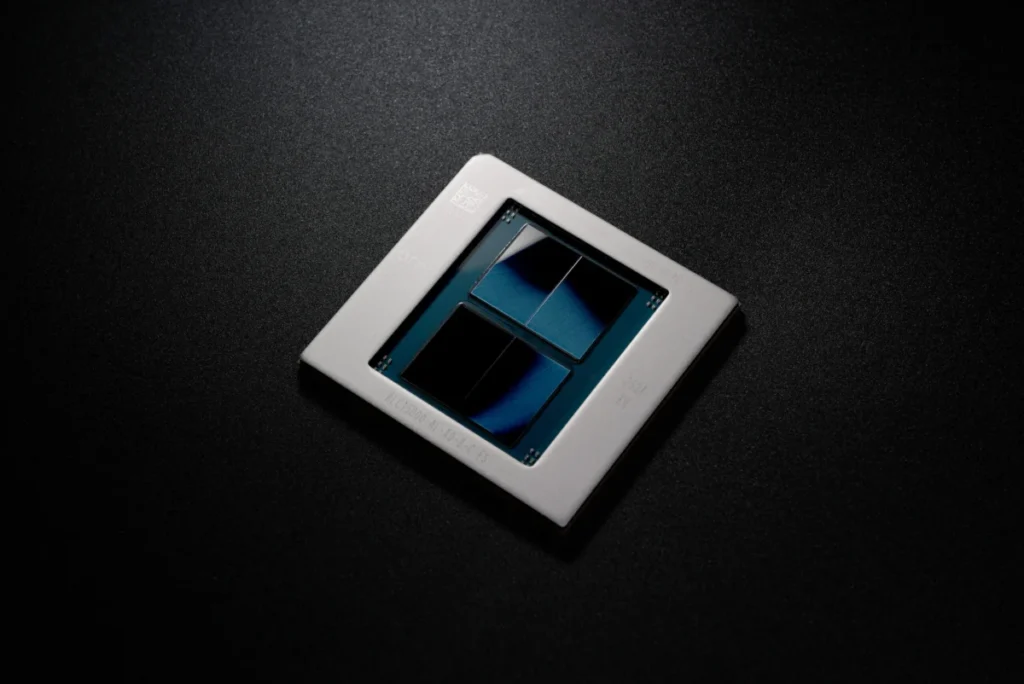
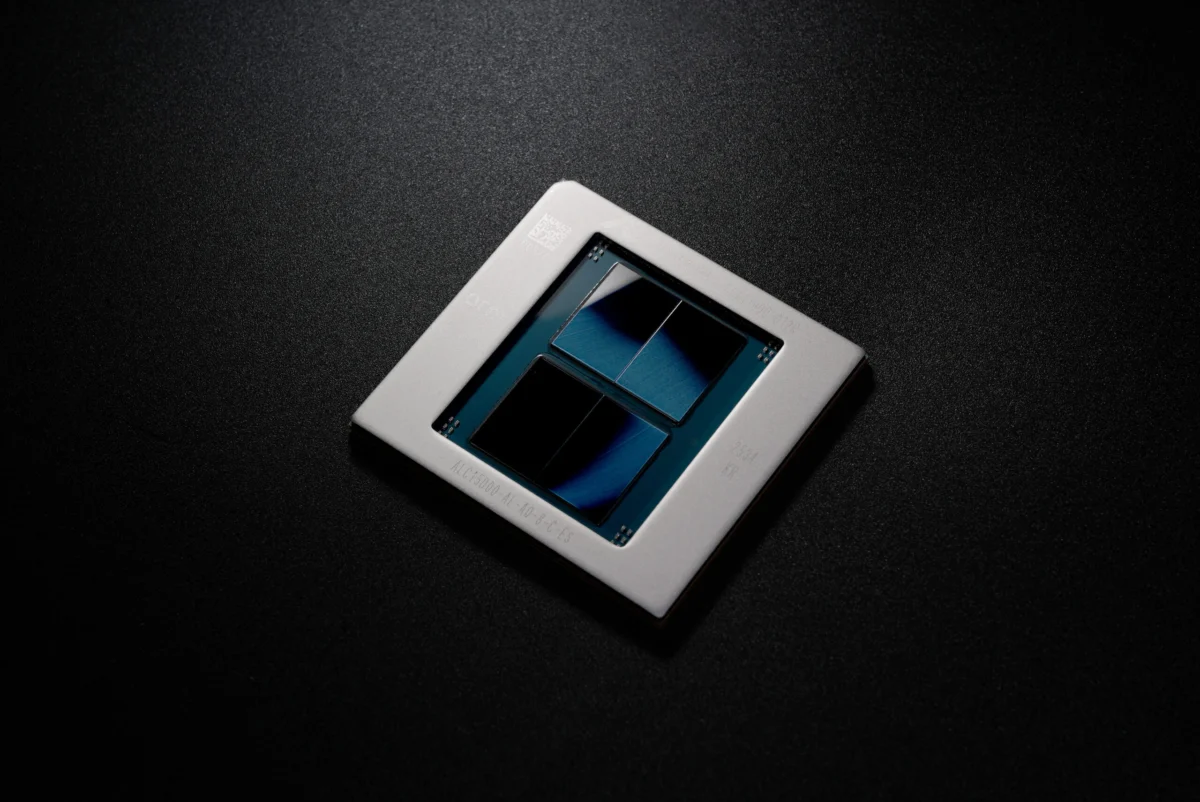
In the high-stakes theater of cloud computing, where performance is measured in milliseconds and efficiency is calculated in sustainability targets, Amazon Web Services (AWS) has once again redefined the baseline. The company has officially announced the general availability of its Amazon EC2 M9g and M9gd instances, the inaugural fleet powered by the fifth-generation Graviton5 processor. This launch marks a significant milestone in AWS’s eight-year journey of custom silicon development, promising a generational leap in compute performance, energy efficiency, and security architecture.
As the industry shifts from passive AI—which answers questions—to "agentic" AI—which takes actions and orchestrates multi-step workflows—the demand for raw, efficient CPU power has reached a fever pitch. With the Graviton5, AWS is not merely offering an incremental upgrade; it is providing the architectural foundation for the next generation of data-driven, compute-intensive applications.
A Legacy of Innovation: The Chronology of Graviton
To understand the significance of the M9g launch, one must look back at the trajectory of AWS’s custom silicon investment. When the first Graviton processor debuted in 2018, it was a bold experiment in Arm-based server architecture—an attempt to break the dependency on traditional x86 providers by creating a processor optimized specifically for the cloud.
- 2018: AWS introduces the first-generation Graviton processor, signaling a move toward custom silicon to improve price-performance.
- 2019-2022: Successive generations (Graviton2, 3, and 4) rapidly closed the performance gap with legacy architectures, winning over enterprise giants and startups alike with superior power efficiency.
- December 2025: At re:Invent, AWS previews the M9g instances, giving the developer community their first glimpse of Graviton5 capabilities.
- June 2026: Following extensive testing and performance benchmarking by major ecosystem partners, AWS moves the M9g and M9gd instances to general availability, integrating the breakthrough Nitro Isolation Engine.
Over these eight years, Graviton has grown from a niche offering into a bedrock of the AWS ecosystem, now powering over 350 distinct instance types and serving more than 120,000 customers.
Benchmarking Excellence: Supporting Data
The move to Graviton5 is backed by substantial performance gains that have already been validated by early adopters during the preview phase. The architecture, which features 192 cores, a 5x larger L3 cache, and a 33% reduction in inter-core latency, is specifically tuned for high-throughput, data-heavy workloads.
For enterprises, these numbers translate directly to bottom-line efficiency:
- ClickHouse: Experienced a 36% performance boost compared to the previous M8g generation with zero code modifications.
- Honeycomb: Through a six-month A/B test of production observability workloads, the company observed 36% better throughput per core compared to Graviton4.
- HubSpot: By migrating their MySQL database workloads to M9g instances, the company reported a staggering 60% reduction in query duration, highlighting the processor’s prowess in database-heavy operations.
On a broader level, Graviton5 delivers up to 25% better general compute performance than its predecessor, with web application performance increasing by 35%, ML inference by 35%, and database efficiency by 30%.

The Agentic AI Imperative: Official Perspectives
The shift toward agentic AI has fundamentally changed what customers require from their cloud infrastructure. Unlike static inference models, agents require constant context switching, real-time reasoning, and the ability to execute code in parallel across diverse environments.
Meta, one of the world’s largest users of AWS infrastructure, has emerged as a primary champion of the new silicon. By deploying Graviton at scale—starting with tens of millions of cores—Meta is leveraging the processor’s massive memory bandwidth and high core density to power its complex agentic AI efforts. According to AWS leadership, the architecture is specifically designed to minimize "CPU-bound wait times," allowing AI agents to process more instructions per second while keeping accelerators (such as GPUs) fed with a steady stream of data.
"Graviton5 is built for this shift," notes an AWS representative. "As agents take on more autonomous roles—evaluating results, orchestrating multi-step tasks, and managing concurrent environments—the CPU becomes the orchestrator of intelligence. Graviton5 ensures that this orchestration is never the bottleneck."
Technical Deep-Dive: Architecture and Security
Beyond raw performance, the M9g and M9gd instances introduce advancements in I/O and security that set a new industry standard.
PCIe Gen6 and DDR5-8800
Graviton5 is the first CPU in the AWS fleet to support PCIe Gen6, providing unparalleled bandwidth for high-speed peripheral communication. Coupled with DDR5-8800 memory, these instances offer the fastest memory throughput currently available in the public cloud, ensuring that data-intensive workloads like video encoding and electronic design automation (EDA) can operate at maximum velocity.
The Nitro Isolation Engine
Perhaps the most notable technical addition is the Nitro Isolation Engine. While the AWS Nitro System has long been the industry gold standard for hardware-based virtualization, the new engine raises the bar by incorporating "formal verification." This mathematical technique proves that the hypervisor behaves exactly as intended under all conditions, effectively eliminating the potential for edge-case vulnerabilities in isolation. This "mathematically proven security" provides an unprecedented layer of assurance for financial services, healthcare, and government agencies operating in the cloud.
Enhanced Bandwidth and IBC
To prevent I/O bottlenecks, AWS has increased network bandwidth by 15% and EBS bandwidth by 20% on average. Furthermore, the introduction of Instance Bandwidth Configuration (IBC) allows architects to dynamically reallocate bandwidth between Amazon EBS and the VPC. This granular control is a boon for high-traffic database applications that require specific, tunable I/O profiles.

Implications for the Industry
The arrival of M9g instances carries profound implications for the cloud market.
1. The End of the x86 Monopoly:
With each generation, the argument for keeping legacy x86 architectures for general-purpose workloads becomes weaker. As AWS provides sophisticated tools like the "AWS Transform" AI-powered migration service, the friction associated with switching to Arm-based Graviton silicon is disappearing. Enterprises are increasingly viewing the transition not as a "migration" but as a "modernization" that simultaneously lowers costs and improves performance.
2. Sustainability as a Default:
Sustainability is no longer a corporate buzzword but a technical requirement. By squeezing more performance out of the same energy footprint, Graviton5 helps customers meet their ESG (Environmental, Social, and Governance) targets. The density of 192 cores in a single instance means that a smaller number of physical servers are needed to perform the same volume of work, reducing the data center footprint.
3. Democratizing High-Performance Computing (HPC):
By making these instances available through Savings Plans, On-Demand, and even Spot pricing, AWS is effectively democratizing access to silicon that was previously the domain of supercomputing centers. Whether it is a startup running a small containerized application or a global enterprise managing a fleet of MySQL databases, the access to high-performance, secure, and energy-efficient hardware is now uniform.
Looking Ahead
As M9g and M9gd instances become available in key AWS regions—including US East (N. Virginia), US East (Ohio), US West (Oregon), and Europe (Frankfurt)—the ecosystem is poised for a wave of migration.
For developers, the path forward is clearly mapped out. The AWS Graviton Getting Started Guide, combined with the Graviton Savings Dashboard, offers a comprehensive toolkit for those looking to assess their readiness. The message from AWS is clear: the era of general-purpose cloud computing has evolved into an era of specialized, high-performance, and mathematically secure infrastructure. As the AI revolution accelerates, Graviton5 serves as the engine room for the next wave of digital transformation, ensuring that as workloads grow in complexity, the underlying hardware remains one step ahead.