The Future of Fidelity: Understanding Eclipsa Video and the Quest for HDR Consistency
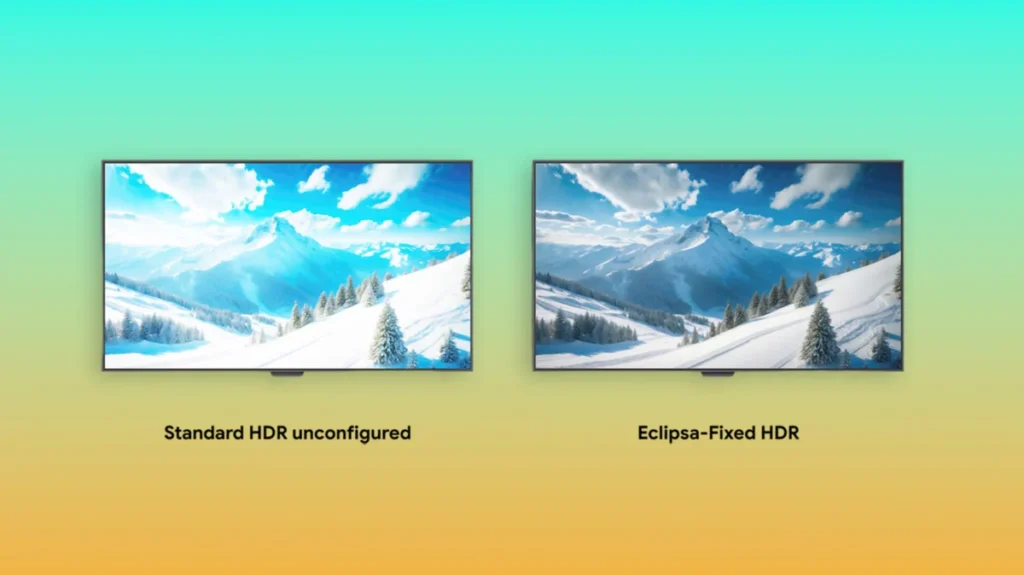
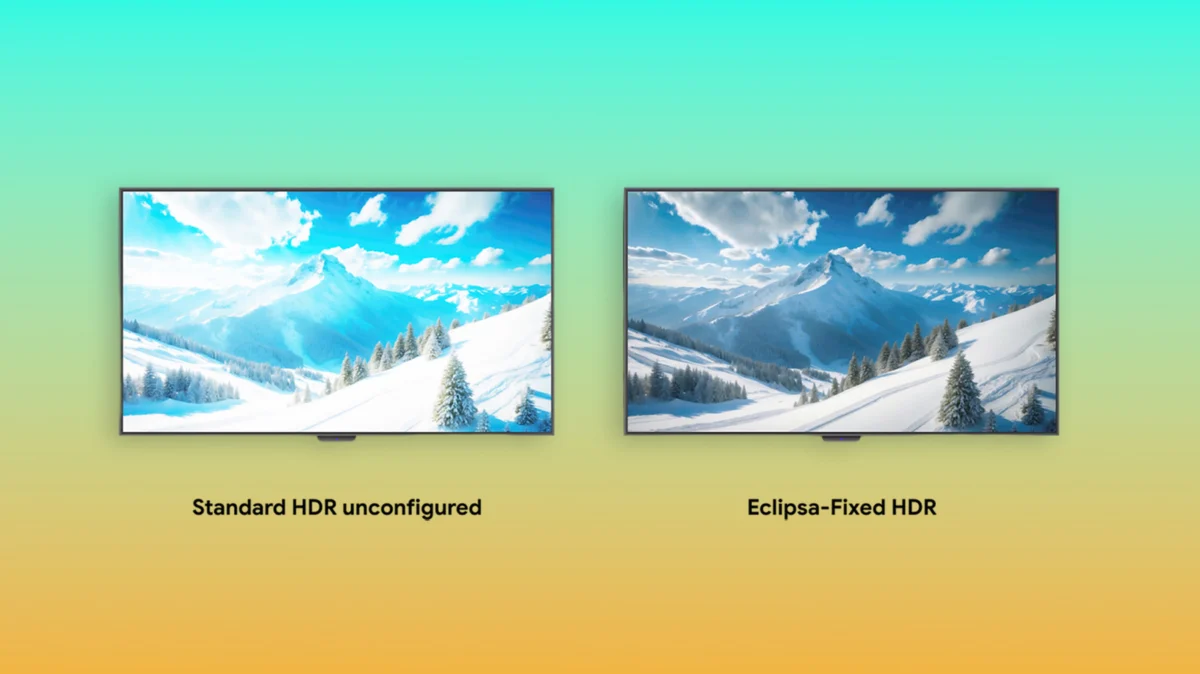
For years, High Dynamic Range (HDR) has been the gold standard for visual fidelity in home entertainment. By expanding the contrast ratio and color gamut, HDR promises a viewing experience that mirrors the nuances of the human eye. However, as consumers have migrated from high-end OLED living room displays to mid-range mobile devices and variable lighting environments, a persistent problem has emerged: HDR inconsistency. A scene that sparkles with cinematic depth on a premium television often looks muddy, blown-out, or strangely flat when viewed on a smartphone or in a brightly lit room.
Google is now looking to bridge this gap with the introduction of "Eclipsa Video." By standardizing how displays interpret metadata, this new open-source technology aims to turn the volatile promise of HDR into a stable, consistent reality across the digital ecosystem.
Main Facts: What is Eclipsa Video?
At its core, Eclipsa Video is Google’s consumer-facing branding for the SMPTE ST 2094-50 standard. Developed through a collaborative effort involving tech giants Apple and media powerhouse NBCUniversal, Eclipsa is designed to serve as a universal language for HDR content.
Unlike legacy formats that often leave the display to "guess" how to map bright highlights and deep shadows, Eclipsa Video provides a sophisticated set of instructions. It is built on two primary technical pillars:
- The White Reference Anchor: This mechanism establishes a firm baseline for mapping Standard Dynamic Range (SDR) content alongside HDR content. By defining exactly where the "white point" sits, the format prevents the jarring transition often seen when HDR videos appear overly dim or unnaturally washed out compared to standard UI elements or SDR media.
- Headroom-Adaptive Gain Curves: This is perhaps the most significant innovation. Content creators can now bake custom instructions directly into the video file. These instructions act as a guide for the display, telling it exactly how to compress brightness and contrast if the device lacks the peak performance to show the "full" HDR image.
By utilizing these "clever pieces of metadata," Eclipsa ensures that the intent of the filmmaker—not just the capabilities of the hardware—drives the visual output.
Chronology: The Road to a Unified Standard
The path to Eclipsa Video was not an overnight development; it is the culmination of years of industry frustration regarding HDR fragmentation.
- 2015-2017: The industry experienced an "HDR Gold Rush," with HDR10 becoming the baseline for most displays. However, its static metadata approach—which sets one brightness level for an entire film—often failed to account for scenes that shifted from dark caves to bright, sunlit landscapes.
- 2018-2020: The rise of Dolby Vision and HDR10+ introduced dynamic metadata, allowing for scene-by-scene adjustments. While these formats improved quality, they created a licensing and compatibility schism, forcing manufacturers and streaming services to navigate a complex web of proprietary technology.
- 2023-2025: Google, Apple, and NBCUniversal began secret-track discussions under the umbrella of the Society of Motion Picture and Television Engineers (SMPTE) to develop a royalty-free, open-standard alternative that could bridge these gaps.
- June 2026: Google officially unveiled Eclipsa Video via the Android Developers Blog, signaling its intent to integrate the standard deeply into the Android 17 ecosystem.
Supporting Data: Why HDR Struggles Today
To understand the necessity of Eclipsa, one must look at the data surrounding display performance. The disparity between a high-end reference monitor capable of 2,000 nits of peak brightness and a budget smartphone capable of only 600 nits is massive.
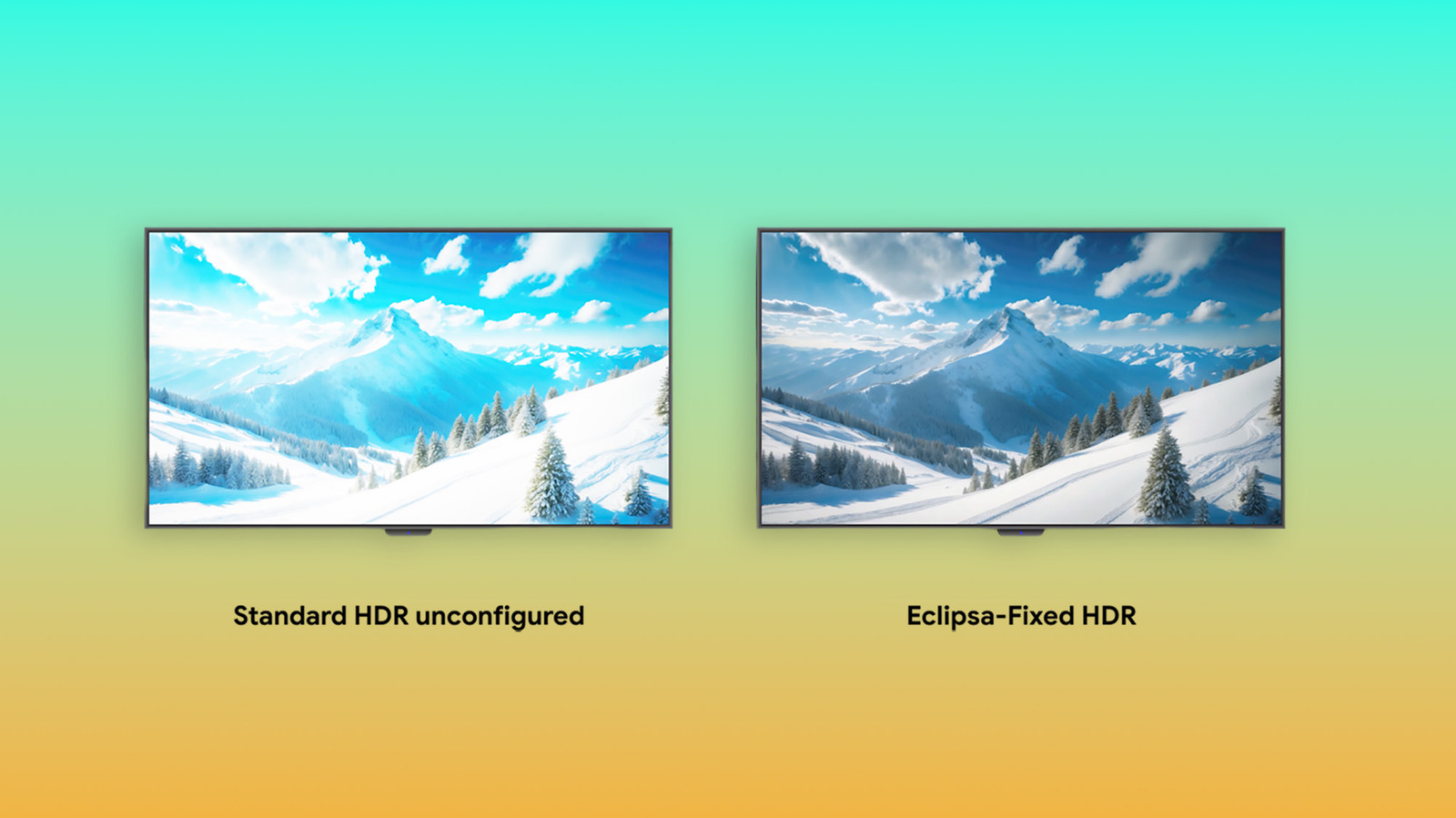
In the current HDR10 landscape, when a video signal hits a device that cannot reach those peak brightness levels, the device must perform "tone mapping." This is an algorithmic process where the TV or phone essentially throws away data that it cannot display. Often, this results in "clipped highlights"—where clouds become featureless white blobs—or "crushed shadows"—where details in the dark vanish into pure black.
Eclipsa Video changes the math. By using headroom-adaptive gain curves, the metadata tells the device: "If you cannot show this peak brightness, shift the gain curve so that the relative relationship between the brightest and darkest parts of the scene remains intact." This mathematically preserves the artistic intent even on hardware that would otherwise struggle with the raw data.
Comparing the Titans: Eclipsa vs. Dolby Vision vs. HDR10
The industry is currently crowded with formats, leading to the "format wars" that have plagued home theater enthusiasts for decades. Here is how Eclipsa stacks up:
HDR10 (The Static Baseline)
HDR10 is the universal "lowest common denominator." It is free to use, but because it relies on static metadata, it cannot adapt to changes in a movie. If a movie is mastered for 1,000 nits but you are watching it on a 400-nit screen, the result is often a flat, gray image.
Dolby Vision (The Proprietary Powerhouse)
Dolby Vision is the gold standard for quality. It uses dynamic metadata to adjust every frame. However, it is a proprietary, licensed technology. Device makers must pay Dolby royalties to implement it, and not every platform chooses to support it, leading to "Dolby Vision missing" errors on certain streaming apps or TVs.
Eclipsa Video (The Open-Source Challenger)
Eclipsa occupies the middle ground. It offers the dynamic, frame-by-frame adjustment capabilities of Dolby Vision but operates as an open standard, much like HDR10. Because it is royalty-free and supported by major players like Apple and Google, it has the potential to become the default standard for mobile devices, web browsers, and mid-range televisions where Dolby Vision licensing might be cost-prohibitive.
Official Responses and Industry Outlook
The industry reception has been cautiously optimistic. Engineers at Google emphasize that the goal is not to "replace" Dolby Vision in the cinema space, but to "fix" the HDR experience in the consumer space.
"We want a world where a user doesn’t have to check their display settings to see if the HDR content is ‘broken,’" a Google spokesperson noted during the developer briefing. "By creating a standard that is both open and dynamic, we empower content creators to stop worrying about which phone or TV their audience is using."
However, industry analysts point to a significant hurdle: Adoption. For Eclipsa to truly succeed, it requires a "triple-threat" of support:
- Device Makers: Android 17 will bring the necessary hardware abstraction layers for playback and capture, but smartphone manufacturers must optimize their displays for these curves.
- Streaming Apps: Services like Netflix, YouTube, and Disney+ must update their encoding pipelines to include Eclipsa metadata.
- Content Producers: Studios must commit to mastering content in a way that respects the SMPTE ST 2094-50 standard.
Implications: The End of "Broken" HDR
The implications for the average consumer are profound. If successful, Eclipsa Video will essentially render the "HDR is too dark" complaint obsolete.
By accounting for ambient light—a feature inherent in the standard’s design—your smartphone could theoretically adjust its HDR gain curves based on whether you are watching a movie in a dark bedroom or on a sunny train commute. This level of environmental awareness has never been a standard part of the HDR pipeline before.
Furthermore, for content creators, Eclipsa offers a path to consistency that has long been elusive. Creators can be confident that the contrast ratio they meticulously crafted in the studio will be translated as faithfully as possible, regardless of whether the end-user is watching on a $3,000 OLED television or a $300 mid-range tablet.
As we move toward the widespread release of Android 17 and the subsequent rollout of Eclipsa-compatible hardware, the era of "guesswork" in HDR looks to be coming to an end. By prioritizing open standards and intelligent metadata, the industry is finally placing the viewer’s experience at the center of the technological map. Whether Eclipsa can achieve the ubiquity of HDR10 remains to be seen, but the intent behind it—a more consistent, balanced, and comfortable visual experience—is exactly what the digital entertainment landscape needs.