Empowering the Future of AI: Google Announces Third Annual Women in Machine Learning Symposium
By [Your Name/Journalist Desk]
In an era defined by the rapid acceleration of artificial intelligence, the need for diverse perspectives and inclusive leadership has never been more critical. Recognizing this imperative, Google has officially announced the return of its flagship event dedicated to fostering talent and innovation within the sector: the third annual Women in Machine Learning (WiML) Symposium.
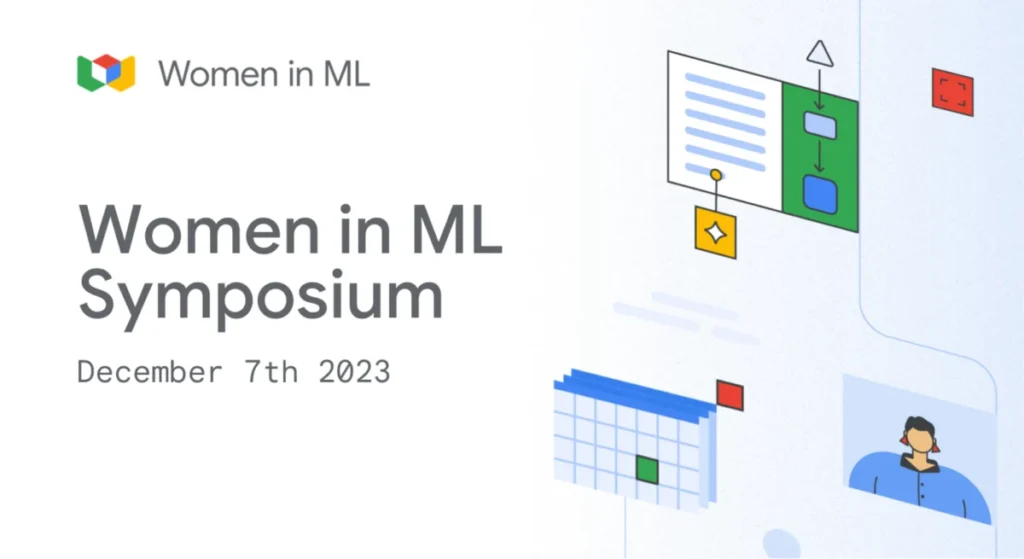
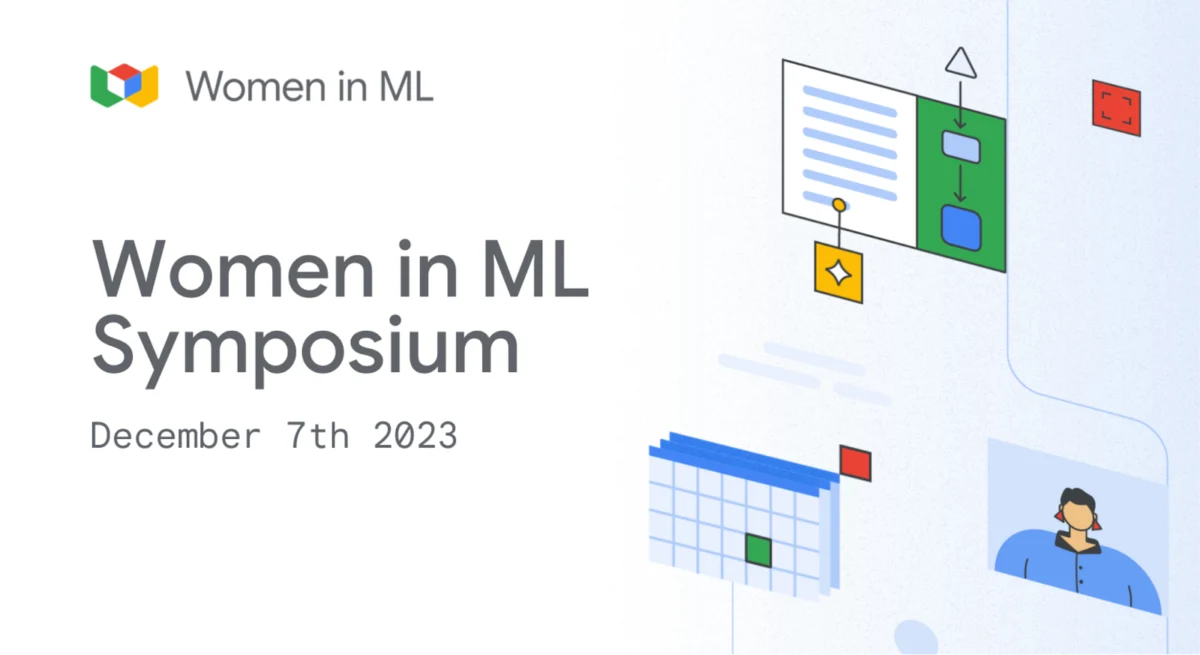
Scheduled for December 7, 2023, from 9:30 am to 1:00 pm PT, the virtual gathering promises to be a cornerstone event for developers, researchers, and AI enthusiasts. As the industry grapples with the ethical, technical, and societal implications of generative AI and large-scale machine learning models, this symposium serves as a vital platform for knowledge exchange, networking, and professional development.
Main Facts: A Hub for Innovation and Inclusion
The WiML Symposium is more than a conference; it is a strategic initiative designed to dismantle barriers to entry in the high-stakes world of AI. Sharbani Roy, Senior Director of Product Management at Google, who is spearheading the event, describes it as an "immersive and insightful set of deep dives" curated for practitioners at every stage of their career.
Whether a novice just beginning to explore the syntax of Python-based ML frameworks or a seasoned veteran architecting large-scale neural networks, the symposium aims to provide actionable value. The event will cover a diverse spectrum of topics, including:
- Generative AI: Navigating the frontier of LLMs and creative computational models.
- Privacy-Preserving AI: Addressing the growing demand for secure and compliant machine learning in the age of big data.
- ML Infrastructure: Exploring the hardware accelerators and software frameworks that form the bedrock of modern AI.
- Industry Applications: Real-world case studies demonstrating how ML is transforming sectors like healthcare, creative software, and beyond.
Chronology: The Evolution of the WiML Symposium
The journey to the 2023 symposium is rooted in a deliberate effort to correct the gender imbalance historically prevalent in computer science and data engineering.
The Inception (2021)
The symposium was born out of a necessity to provide a dedicated space for women to present their research and collaborate. In its inaugural year, the event focused on establishing a community, bringing together voices that were often marginalized in mainstream tech conferences.
Expanding the Scope (2022)
By its second year, the event grew significantly in scope, moving from a niche research-focused gathering to a broader industry event. The 2022 symposium saw an increase in collaboration with external industry partners, proving that the demand for inclusive technical training was not just an internal Google priority, but an industry-wide mandate.
The 2023 Milestone
This year’s event represents the most ambitious iteration yet. With a curriculum that bridges the gap between foundational concepts and advanced deployment strategies, the 2023 symposium marks a transition toward a "practitioner-first" model. By shifting to a virtual-first format, Google has removed geographic barriers, allowing for a truly global assembly of talent.
Supporting Data: The Current Landscape of AI Talent
The necessity for such an event is underscored by sobering statistics regarding gender representation in AI. According to the World Economic Forum’s Global Gender Gap Report, women continue to be significantly underrepresented in AI and data science roles, often accounting for less than 25% of the workforce in top-tier technical positions.
Furthermore, academic data indicates that while enrollment in computer science programs is rising, the "leaky pipeline"—where women drop out of technical roles at higher rates than men—remains a persistent challenge. The WiML Symposium addresses this by providing:
- Mentorship Pathways: Connecting early-career professionals with industry veterans.
- Visible Representation: By featuring speakers from companies like Nvidia and Adobe, the event normalizes the presence of female leaders at the highest levels of technical decision-making.
- Skill-Gap Mitigation: Providing free, high-quality technical education that ensures participants are not left behind as the industry shifts toward generative AI.
Official Responses and Industry Collaboration
The symposium is not a siloed Google effort. It represents a coalition of industry leaders who recognize that the future of AI development depends on a diverse workforce.
"The landscape of machine learning is shifting beneath our feet," says Sharbani Roy. "To navigate this change, we don’t just need better algorithms; we need a broader range of thinkers. By bringing together the best minds from Google Health, Nvidia, Adobe, and beyond, we are creating an ecosystem where ideas can be challenged, refined, and ultimately deployed for the public good."
Industry partners have lauded the initiative for its focus on practical, applied knowledge. By moving beyond theoretical discussion, the symposium creates a direct line between the research lab and the production environment. Representatives from participating organizations have noted that the event serves as a crucial networking hub, helping to bridge the gap between academic theory and the specific, often messy, realities of industry-grade model training.
Implications: Why This Matters for the Future of AI
The implications of the 2023 WiML Symposium extend far beyond the three-hour virtual broadcast.
1. Mitigating Algorithmic Bias
One of the most significant arguments for increasing diversity in AI is the mitigation of algorithmic bias. AI models trained on homogenous datasets by homogenous teams are prone to systemic errors. By fostering a more diverse cohort of AI developers, the industry can better anticipate potential biases and build more equitable systems from the ground up.
2. Democratizing Access to Technology
The symposium’s emphasis on "all levels of experience" is a democratization tactic. In an industry where specialized knowledge is often gatekept by expensive degrees or exclusive networks, providing high-level technical insights for free is a significant intervention. It ensures that the future architects of AI are chosen based on merit and interest, rather than access to legacy resources.
3. Strengthening the Global AI Economy
As nations and corporations compete for dominance in the AI race, human capital is the most valuable resource. By investing in the professional development of women in ML, organizations are effectively expanding their talent pools. The symposium acts as an accelerant, preparing a generation of engineers to tackle the complexities of privacy-preserving AI and high-performance computing.
Looking Ahead: How to Participate
As the date approaches, anticipation is building for the specific sessions. The agenda, accessible via the official Google AI Developers event page, outlines a rigorous schedule designed to minimize "fluff" and maximize technical takeaway.
For those planning to attend, organizers recommend:
- Pre-event Preparation: Review the documentation for Google’s current ML frameworks.
- Active Engagement: Use the virtual Q&A sessions to engage directly with speakers.
- Networking: Leverage the virtual breakout sessions to meet peers and mentors, as these connections are often the most enduring outcome of the symposium.
The Women in Machine Learning Symposium is a testament to the fact that the future of technology is not pre-determined—it is built. Through events like this, the path toward a more inclusive, innovative, and robust AI landscape is becoming clearer.
"We are at a pivotal moment," concludes Roy. "The tools we build today will define the next decade of human progress. We want to ensure that women are not just participating in that future—they are leading it."
Registration is now open. Interested participants are encouraged to RSVP promptly to secure their virtual seats and gain access to the full suite of resources provided during the session. As the industry watches, the 2023 WiML Symposium is poised to be a landmark moment for technical empowerment and the ongoing evolution of Artificial Intelligence.