Scaling Velocity with Safety: AWS DevOps Agent Introduces Autonomous Release Management
In the modern software development landscape, the rapid proliferation of AI-assisted coding tools has fundamentally transformed how engineers write software. While these tools have significantly accelerated the creation of code, they have inadvertently created a new bottleneck: the review and testing pipeline. As pull requests flood into delivery systems at an unprecedented rate, human teams often struggle to maintain rigorous oversight. Today, Amazon Web Services (AWS) is addressing this friction with the announcement of new release management capabilities for the AWS DevOps Agent, now available in preview.
By evolving from a post-deployment operations tool into an end-to-end lifecycle assistant, the AWS DevOps Agent is positioning itself as the "always-available teammate" capable of bridging the gap between code creation and production deployment.
Main Facts: The Evolution of the DevOps Agent
The AWS DevOps Agent was originally conceived to streamline operations, autonomously investigating incidents and providing root cause analysis (RCA) once software reached production. With today’s update, AWS is shifting the agent’s focus "left," integrating it into the pre-deployment phase.
The two core features introduced in this preview are:
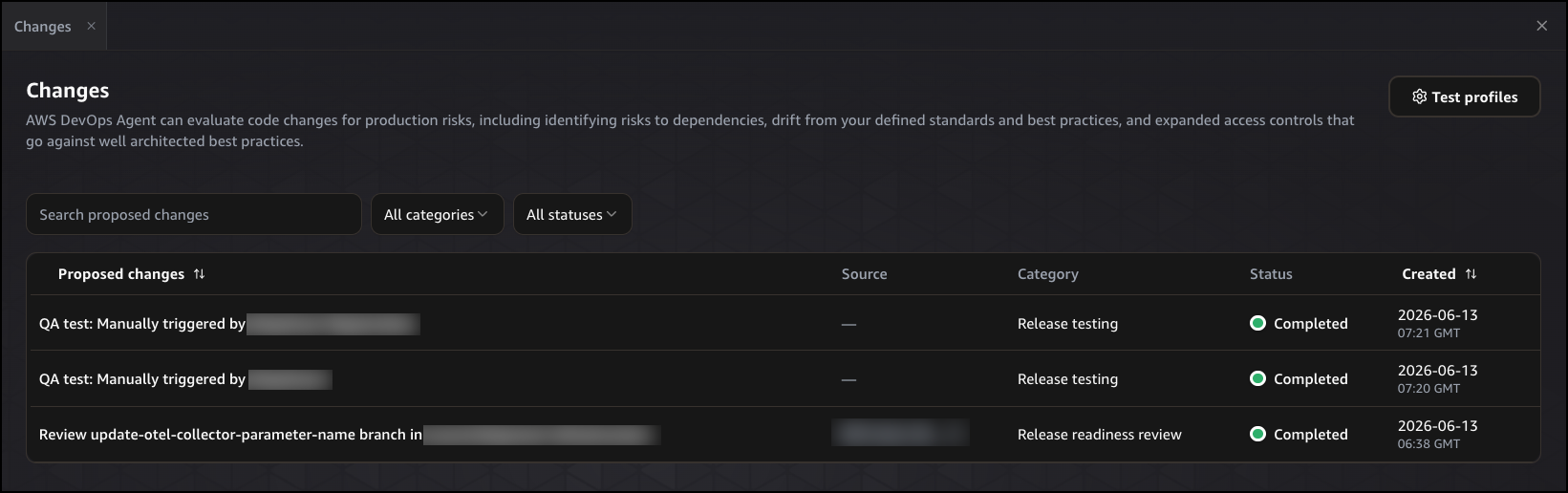
- Release Readiness Review: A mechanism that evaluates code changes against predefined natural language standards, dependency safety protocols, and the AWS Well-Architected Framework.
- Autonomous Release Testing: A dynamic testing engine that generates and executes change-specific test plans in production-like environments, moving beyond static, manually maintained test suites.
These tools are designed to act as an automated gatekeeper, verifying that code is not only functional but also compliant with internal security and operational standards before it is merged into the production branch.
Chronology: From Reactive Operations to Proactive Governance
To understand the significance of this release, one must look at the recent trajectory of the AWS DevOps ecosystem:

- Initial Launch: AWS DevOps Agent debuts as a post-deployment specialist, focusing on incident mitigation and automated remediation.
- Expansion Phase: AWS recognizes the "AI-generated code bottleneck." As development velocity increases, the need for automated quality assurance becomes a primary operational requirement.
- Integration Testing: The agent gains the ability to interface with GitHub and GitLab, mapping dependencies across repositories to build a comprehensive knowledge graph.
- Today (Preview Announcement): The Agent reaches maturity, incorporating Release Readiness Review and Autonomous Release Testing, covering the full spectrum from commit to production.
Supporting Data: Addressing the Review Bottleneck
The necessity for this tool is underscored by the current challenges facing DevOps teams. According to recent industry benchmarks, the time spent in "review queues" has become a primary inhibitor of developer productivity. When developers generate code using AI models, the output often exceeds the capacity of human reviewers to perform deep, contextual security and performance analysis.
The AWS DevOps Agent mitigates this by:
- Contextual Reasoning: Unlike traditional CI/CD tools that execute static scripts, the agent uses its knowledge graph to understand how a change in one repository might impact a downstream service in another, preventing cascading failures.
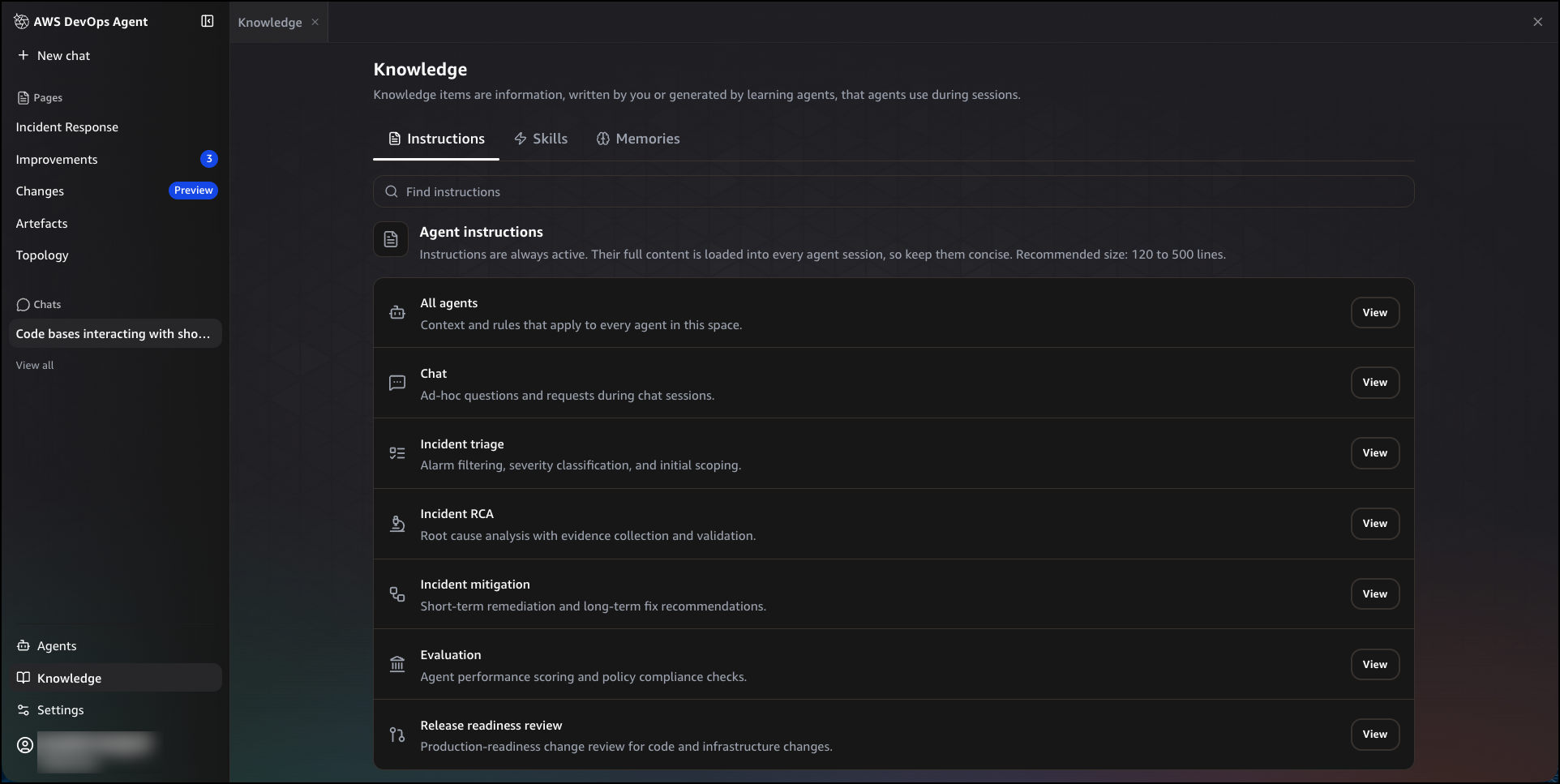
- Standardization: Organizations can define "instructions" in plain English. For example, a team can specify: "Ensure all network access rules comply with PCI-DSS standards" or "Flag any infrastructure changes that lack proper logging/observability tags."
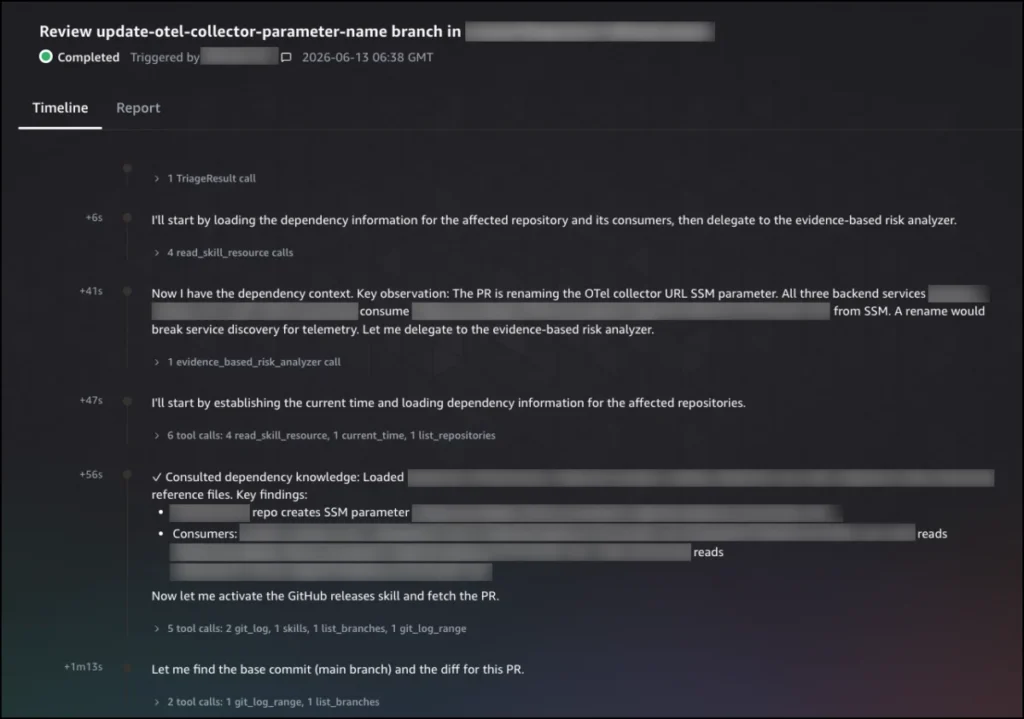
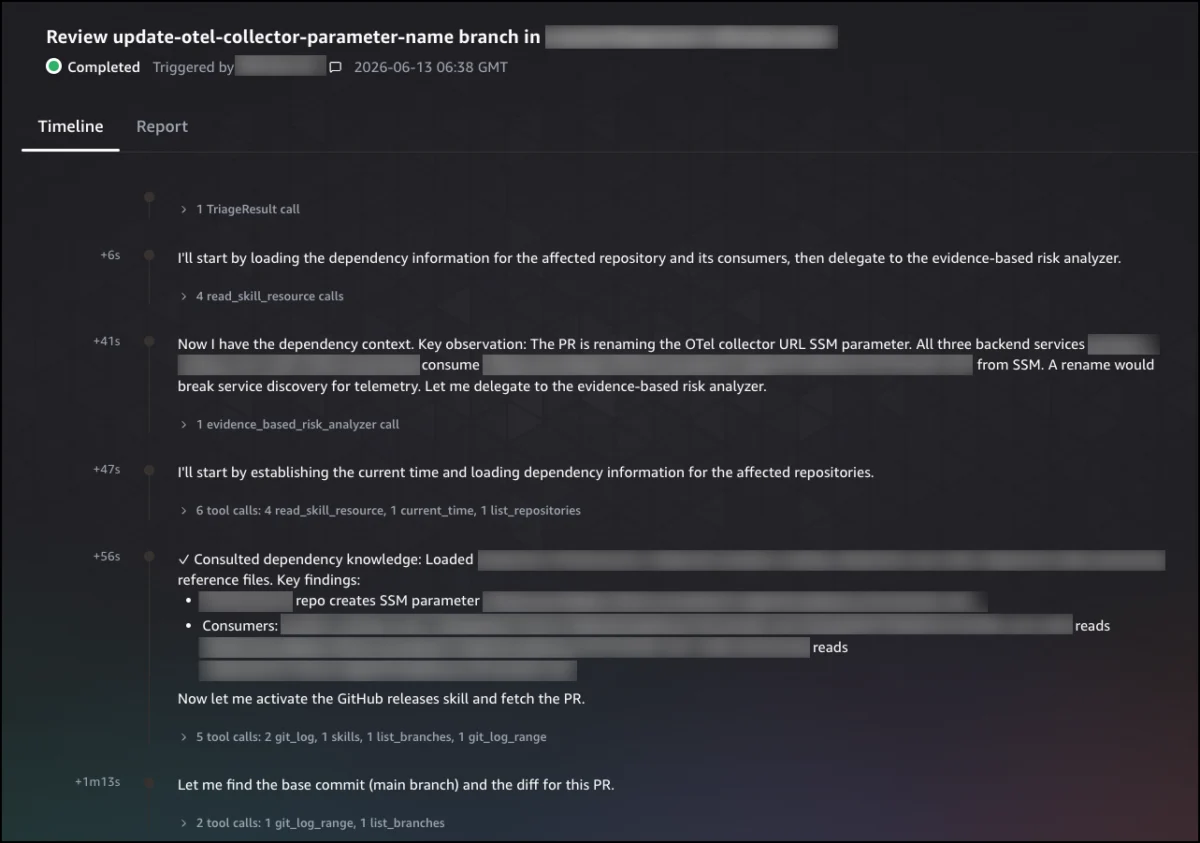
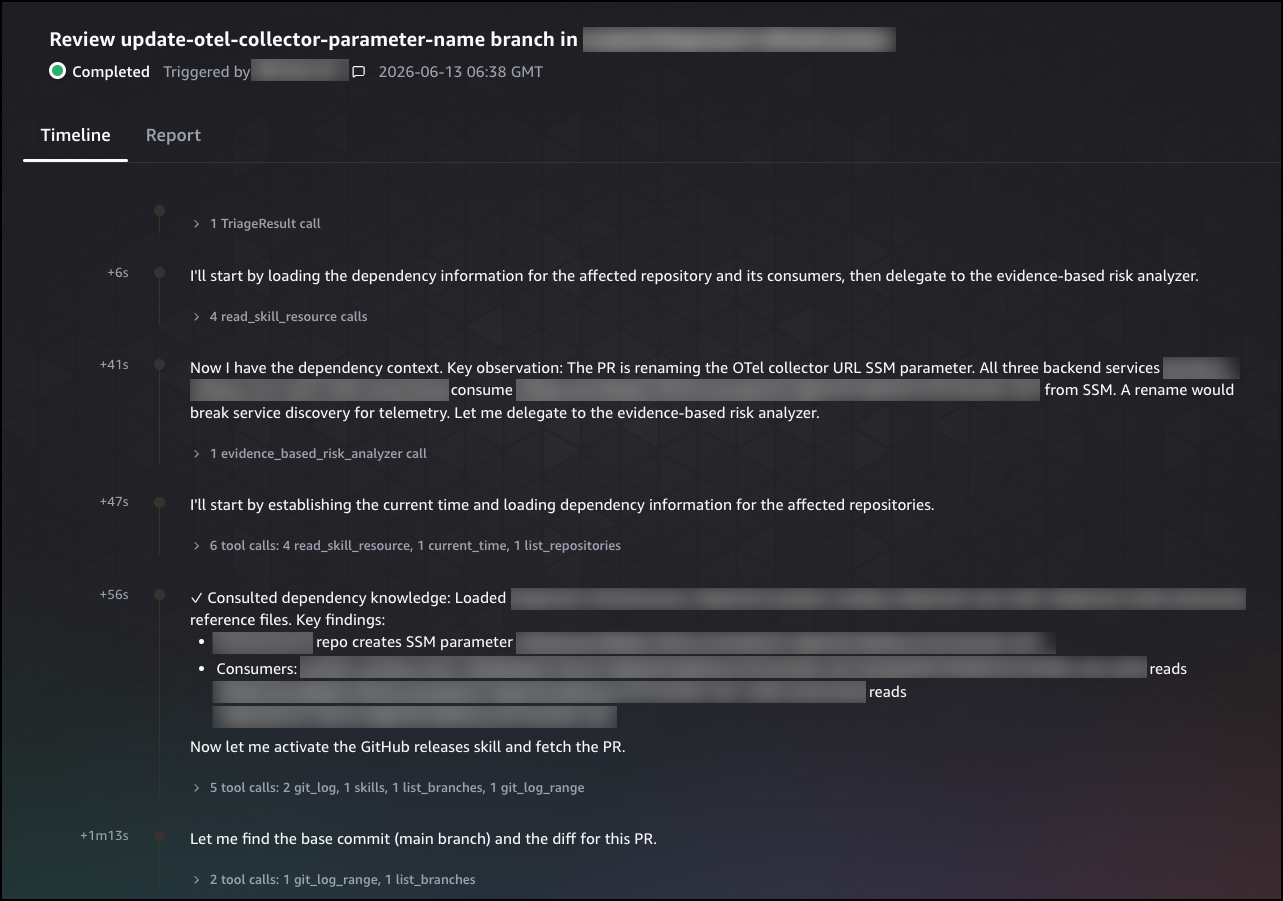
- Operational Visibility: The platform provides a clear "Timeline" view, documenting every step of the agent’s reasoning process. This transparency is crucial for teams that require audit trails to maintain compliance.
Official Perspectives and Operational Implications
The implication of this release is a fundamental shift in the definition of "Done." For years, the industry has pushed for "Shift Left" testing, but the manual effort required to set up and maintain complex test environments often rendered it impractical.
By automating the construction of production-like environments and executing targeted user-journey tests, the AWS DevOps Agent lowers the barrier to entry for rigorous quality assurance.
The Developer Experience
For developers, the integration with IDE plugins like Kiro or Claude Code means that the feedback loop is nearly instantaneous. Instead of waiting for a manual review that might take hours or days, a developer can receive a "BLOCK" or "Proceed with Caution" signal while the code is still in their local environment.
The Security and Compliance Angle
Security teams often struggle with "security drift," where the actual deployed configuration deviates from the initial design. Because the DevOps Agent continuously checks changes against the AWS Well-Architected Framework, it ensures that security and compliance are not afterthoughts but are baked into the PR process.
Implications: The Future of the "Autonomous Pipeline"
The introduction of these capabilities suggests that the role of the human engineer is evolving from "manual reviewer" to "system architect and policy definer." By defining the standards, human engineers empower the AI to enforce them at scale.
Breaking the Silos
One of the most powerful aspects of the agent is its ability to perform cross-repository analysis. In large enterprises, teams often work in silos, unaware that a change in a shared library might break a distant service. The agent’s knowledge graph acts as a centralized brain, identifying these dependencies before they manifest as production outages.
Cost and Accessibility
During the preview period, these features are being offered at no additional cost in the US East (N. Virginia) region. This reflects a strategic move by AWS to encourage widespread adoption and feedback, allowing organizations to stress-test the agent with their own unique codebases and workflows.
Getting Started: A Step-by-Step Approach
For teams looking to integrate the AWS DevOps Agent into their workflow, the path is structured and intuitive:
- Connecting the Pipeline: Link your GitHub or GitLab repositories via the AWS DevOps Agent console.
- Indexing: Allow the agent to map your cloud infrastructure and code dependencies.
- Defining Standards: Use the "Instructions" tab to translate internal best practices into natural language. This is where the power of the tool truly lies; by codifying human tribal knowledge, you transform the agent into a force multiplier for your specific team culture.
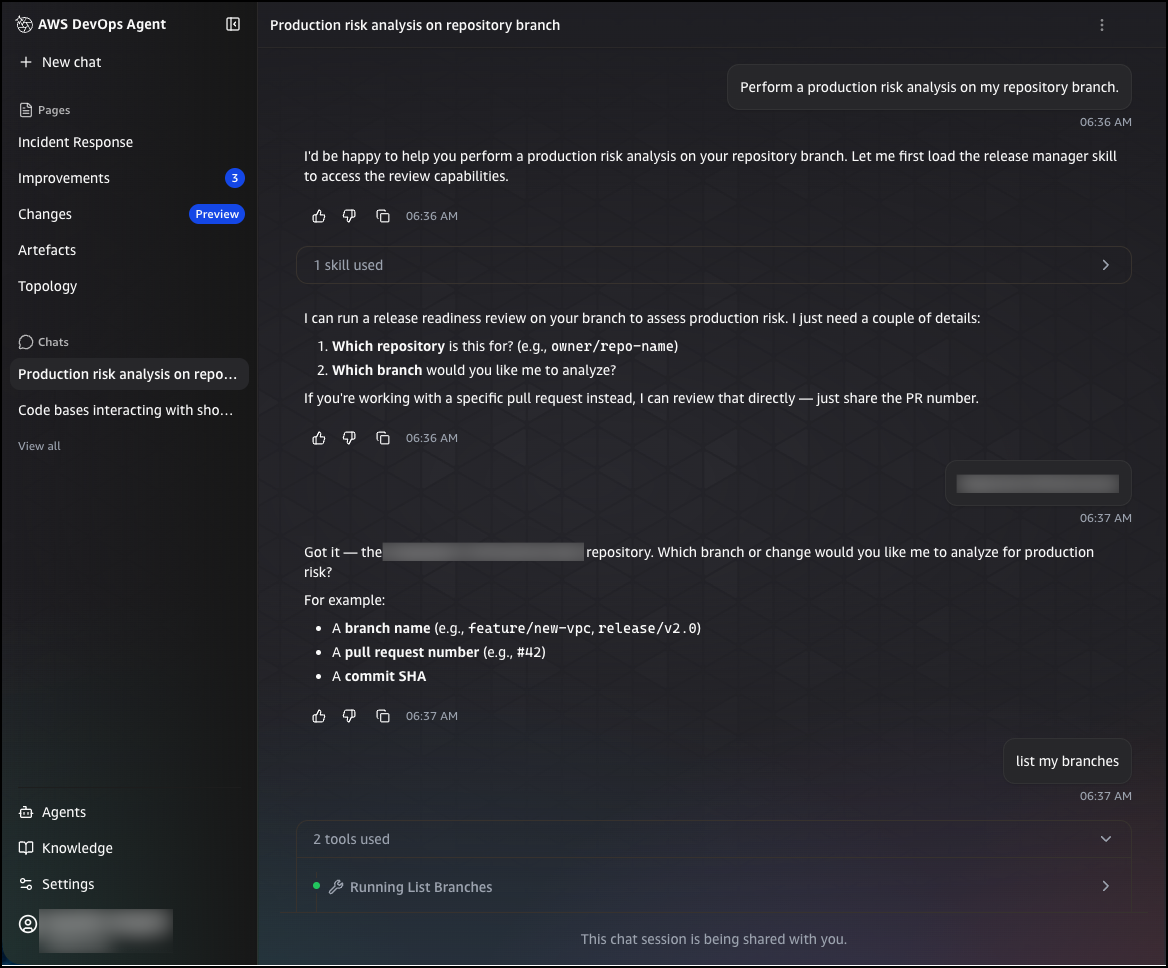
- On-Demand Analysis: Use the chat interface to trigger deep dives into specific branches or PRs. The ability to ask, "Will this change break our payment gateway?" and receive a data-backed, reasoned answer represents a sea change in how developers interact with their CI/CD systems.
Conclusion: A New Era of DevOps
The AWS DevOps Agent represents a transition toward a more autonomous, resilient, and intelligent development lifecycle. By addressing the specific challenges of AI-augmented coding—namely, the overwhelming volume of changes and the difficulty of maintaining consistent quality—AWS is providing a framework that allows teams to move fast without sacrificing stability.
As organizations continue to scale their cloud presence, the ability to automate the "readiness" of their software will become a competitive advantage. With the launch of these new features, AWS is not just providing a tool; they are defining a new standard for how high-velocity engineering organizations should operate in an AI-first world.
For developers, the future looks significantly less bogged down by repetitive review cycles and more focused on innovation. For managers, it offers a new level of predictability and safety. As we move into this era of autonomous release management, the focus shifts from managing the pipeline to refining the policies that guide it. The AWS DevOps Agent is, effectively, the new operational backbone for the modern, cloud-native enterprise.