Empowering AI Autonomy: AWS Launches Web Search for Amazon Bedrock AgentCore
In a significant stride toward more capable and reliable generative AI, Amazon Web Services (AWS) has officially announced the general availability of Web Search on Amazon Bedrock AgentCore. This new, fully managed tool provides AI agents with the ability to ground their responses in real-time, cited web knowledge without requiring data to leave the secured AWS environment. By integrating this capability, AWS is addressing one of the most persistent challenges in enterprise AI: the "knowledge cutoff" problem, where models struggle to answer questions regarding events or data that occurred after their initial training.
The Evolution of Agentic AI: Core Facts
The introduction of Web Search on Bedrock AgentCore marks a pivot in how developers build autonomous AI agents. Historically, agents were limited to the static data present in their training sets. If a user asked an agent about a recent legislative change or a technical development from yesterday, the model might "hallucinate" or provide an outdated answer.
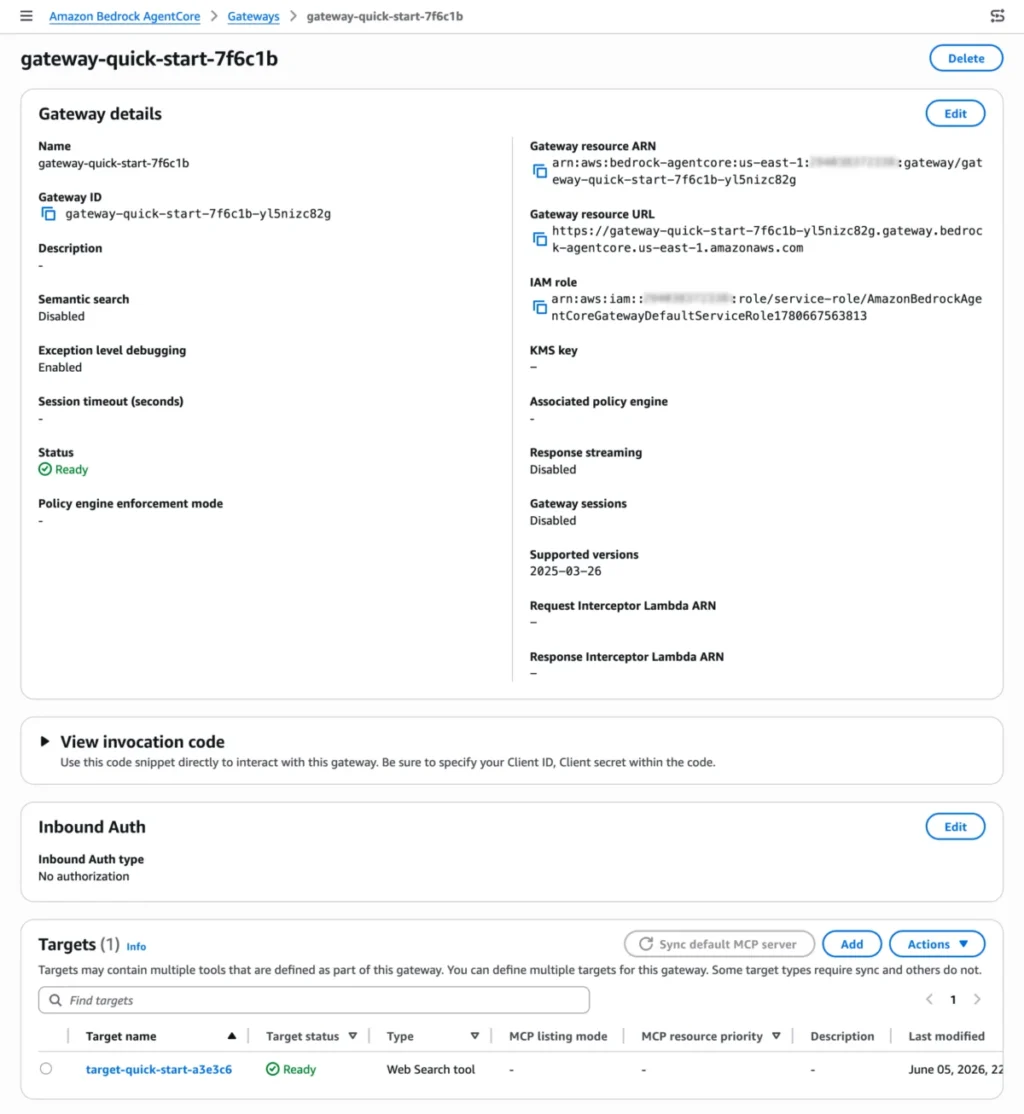
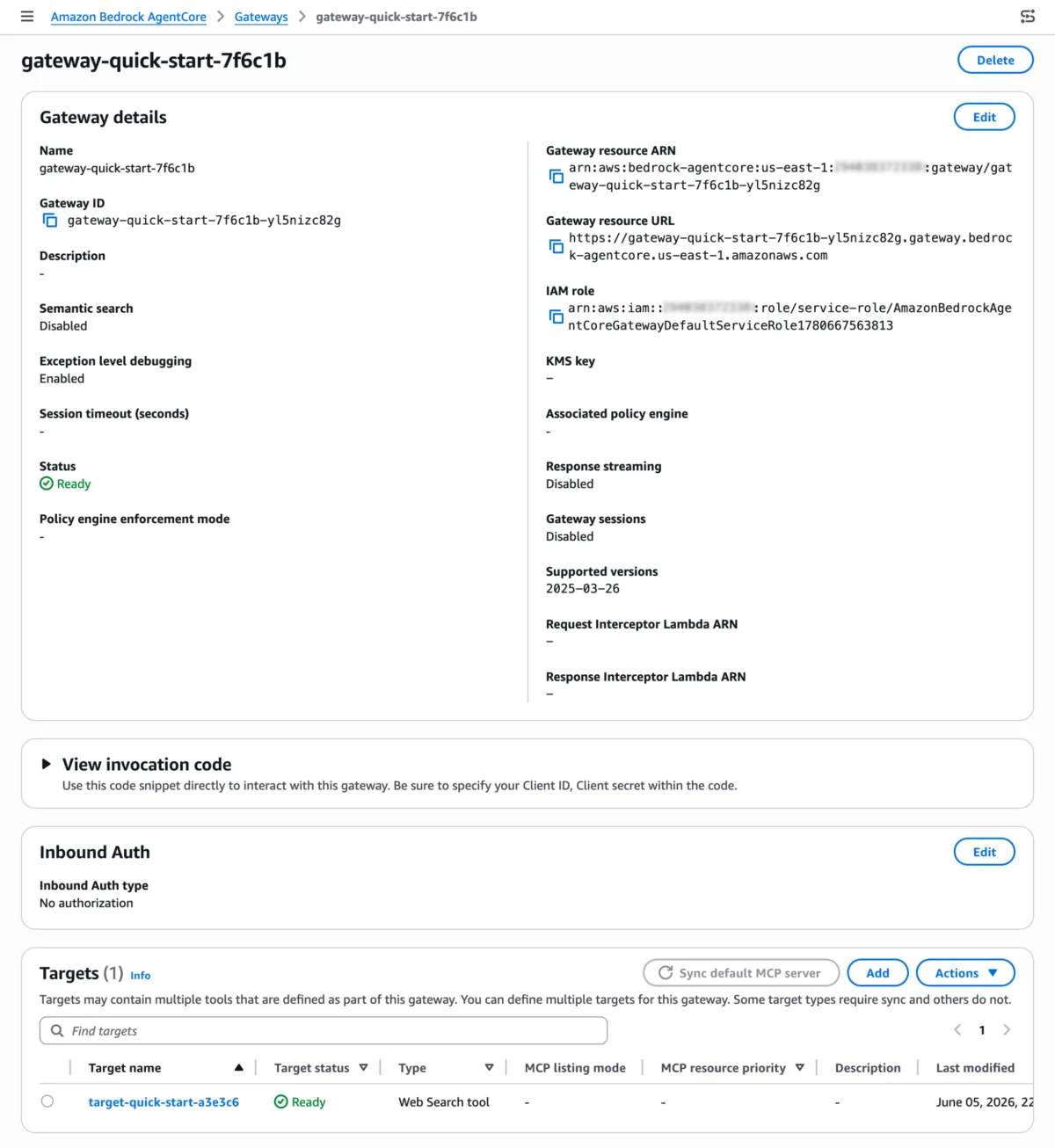
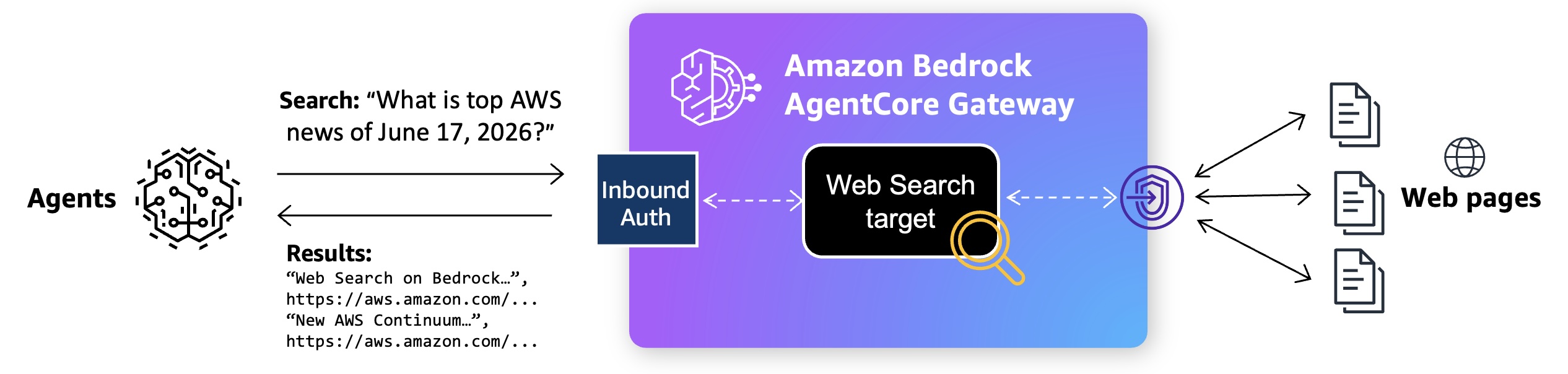
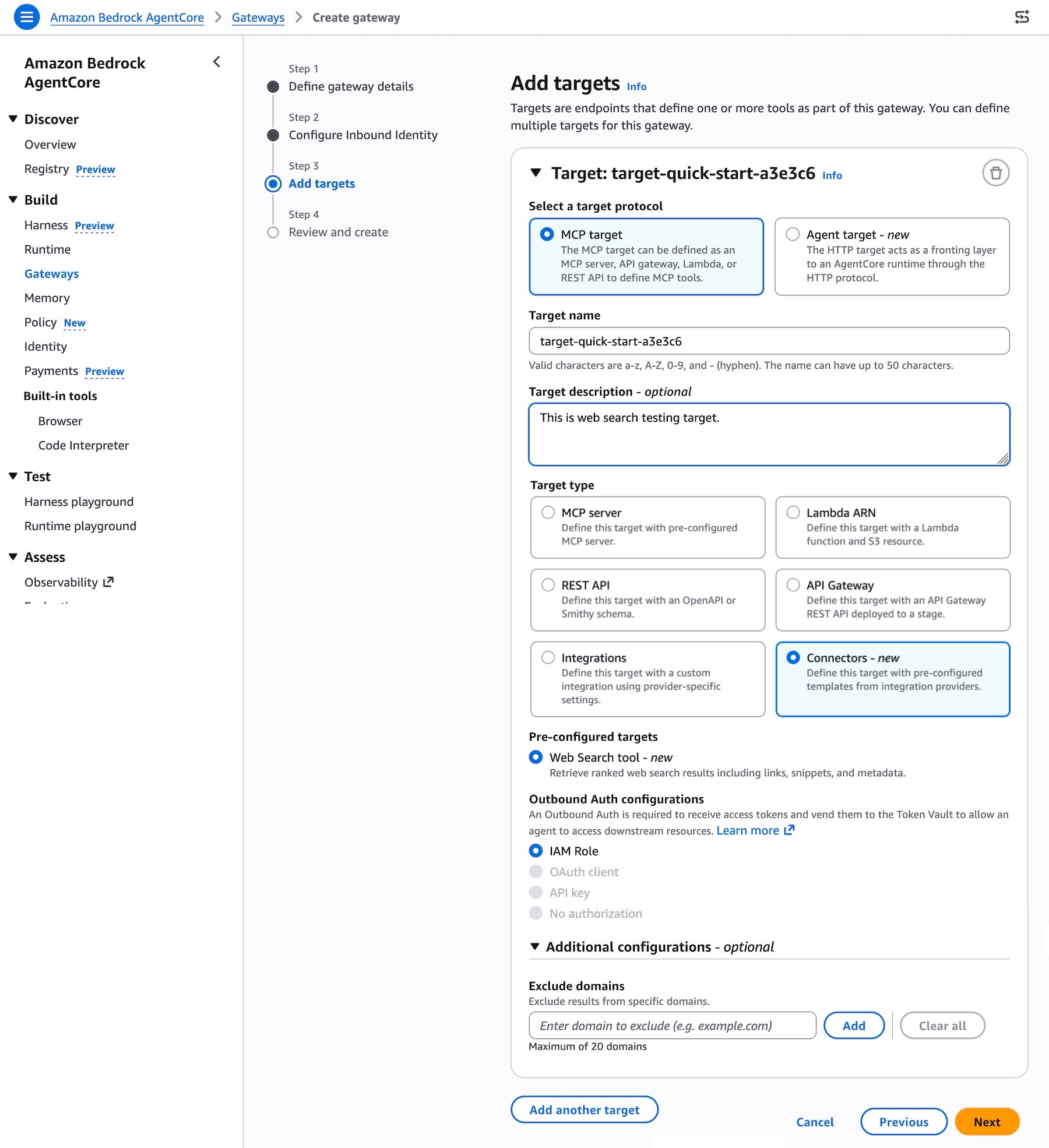
Bedrock AgentCore now solves this by providing a built-in connector that utilizes the Model Context Protocol (MCP). When an agent receives a natural-language query, it can trigger a Web Search, which returns pertinent snippets, source URLs, titles, and timestamps. The agent then processes this information to synthesize a grounded, accurate, and verifiable response.

Crucially, this architecture is built on Amazon’s robust search infrastructure, leveraging years of expertise in large-scale data retrieval. By combining a massive web index with structured knowledge graph data, the tool provides more than just raw search results; it offers verified facts that ensure high levels of accuracy.
Chronology: From Concept to General Availability
The path to this launch reflects AWS’s broader strategy of building "agentic" capabilities that prioritize enterprise security and ease of use.
- Foundation: For years, Amazon has refined its internal search technologies through platforms like Alexa+, Amazon Quick, and Kiro. These systems provided the technical blueprint for the current Web Search tool.
- Beta Phase: Throughout early 2026, select enterprise customers, including industry leaders like Benchling and Gen Digital, were granted early access. This period allowed for the stress-testing of the MCP-based integration and the refinement of the retrieval-augmented generation (RAG) processes.
- June 2026 Launch: Following rigorous testing and feedback, AWS officially pushed the feature to general availability in the US East (N. Virginia) Region, marking a milestone for developers looking to move beyond simple chatbots toward truly autonomous agents.
- Post-Launch Refinement: On June 18, 2026, AWS updated its documentation and guidance to provide further clarity on the usage-based pricing model, ensuring that organizations can scale their agent deployments with financial predictability.
Supporting Data and Technical Infrastructure
The technical implementation of Web Search on Bedrock AgentCore is designed for developers who demand both power and simplicity. By utilizing the Model Context Protocol (MCP), AWS has standardized how these agents interact with external data sources.

The Mechanism of Retrieval
When a user submits a query, the Bedrock AgentCore Gateway initiates an MCP-compliant call. Unlike third-party search APIs that might expose proprietary data to external providers, this tool keeps the entire retrieval process within the AWS perimeter. The result is a secure, compliant, and efficient workflow.
Pricing Structure
AWS has opted for a transparent, usage-based pricing model, reflecting its commitment to democratization of AI tools.
- Cost: The service is priced at $7 per 1,000 queries.
- Barrier to Entry: With no upfront commitments and a $200 Free Tier credit for new AWS customers, the service is accessible to both startups and established enterprises.
- Scalability: Because the infrastructure is fully managed by AWS, developers do not need to concern themselves with server provisioning, indexing overhead, or the maintenance of search infrastructure.
Official Responses: Customer Perspectives
The value of this update is best illustrated through the success of early adopters who have already integrated Web Search into their production workflows.
Benchling: Accelerating Scientific Discovery
Nicholas Larus-Stone, Head of AI Agents at Benchling, highlights the transformative impact on research and development. "Scientists using Benchling AI can now ask about a target they’re actively working on and get answers grounded in both their institutional data in Benchling and published literature," Larus-Stone noted. "The result is more complete science, and hypothesis generation done right. Because we’re using the Web Search tool on Amazon Bedrock AgentCore, customers have a secure, governed environment to bring that high-quality published data into their workflows without compromising how they manage their data."
Gen Digital: Enhancing Cybersecurity and Reputation
For Gen Digital, the priority was balancing innovation with safety. Iskander Sanchez-Rola, Senior Director of AI & Innovation, stated, "With the Web Search tool on Amazon Bedrock AgentCore, Norton Revamp helps professionals build their online reputation with current, grounded content ideas shaped by what’s actually happening in the world today. What we value most is that AWS uses its own search index and keeps queries within our trusted AWS environment."
Implications for the Future of Enterprise AI
The release of Web Search for Bedrock AgentCore has profound implications for the enterprise software landscape.
1. The Death of the "Stale" Agent
The most immediate impact is the obsolescence of static AI agents. In industries like finance, healthcare, and law, where information changes by the minute, agents that rely solely on training data are liabilities. This tool allows for a "living" knowledge base, ensuring that agents are as current as the internet itself.
2. Regulatory Compliance and Data Sovereignty
Perhaps the most significant differentiator is the security posture. Many enterprises have been hesitant to use AI-driven search because of the risk of data leakage—the fear that proprietary queries might be used to train public models or exposed to third-party search providers. By keeping all data egress within the AWS environment, Bedrock AgentCore allows highly regulated industries to finally adopt search-enabled AI without violating internal security mandates.
3. Shift in Developer Focus
By abstracting the complexities of web crawling, indexing, and RAG implementation, AWS is shifting the developer’s focus. Instead of building the "plumbing" for a search engine, developers can dedicate their resources to designing better prompt logic, refining agent personas, and improving the end-user experience.
4. Integration with the Wider Ecosystem
The use of the Model Context Protocol (MCP) signals a trend toward interoperability. By using an open standard, AWS is ensuring that agents built on Bedrock can communicate effectively with other tools, fostering a richer ecosystem of connected applications. As the roadmap for this technology evolves, we can expect to see deeper integration with custom knowledge graphs and private enterprise data stores, further enhancing the specificity of these agents.
Conclusion: A New Standard for Accuracy
The general availability of Web Search on Amazon Bedrock AgentCore is a testament to the maturation of the generative AI market. It moves the needle from "what can AI generate?" to "what can AI accurately verify?"
As organizations continue to navigate the complexities of digital transformation, the ability to ground AI in reliable, real-time data will become the benchmark of success. With this launch, AWS has not only provided a tool but has set a new standard for how enterprise AI should interact with the world—securely, accurately, and with the scale that only cloud-native infrastructure can provide. For those looking to build the next generation of intelligent agents, the path forward is now clearer, faster, and more secure than ever before.