Decoding the Future of Personalization: Google Announces Inaugural Recommendation Systems Developer Summit
By [Your Name/Tech Correspondent]
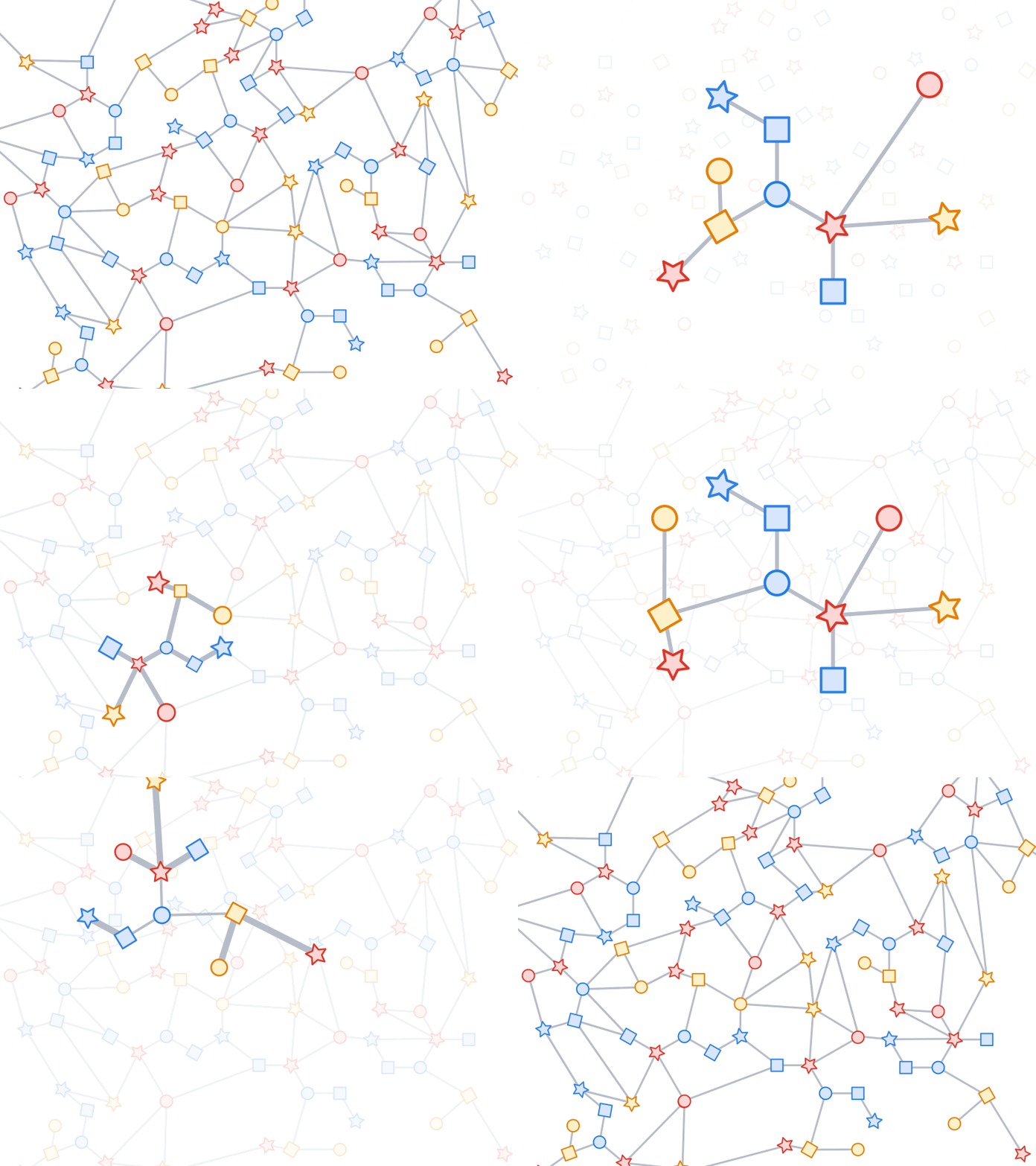
In the modern digital ecosystem, recommendation systems are the silent architects of our online experiences. From the curated playlists that define our morning commutes to the targeted product suggestions that streamline e-commerce, these algorithms serve as the connective tissue between vast, overwhelming data sets and individual user preferences. Recognizing the critical importance of these systems, Google has officially announced its first-ever Developer Summit on Recommendation Systems, a virtual event poised to demystify the mechanics of modern personalization and showcase the next generation of AI-driven retrieval.
The Main Facts: Bridging the Gap Between Theory and Practice
On June 9, 2023, from 10:00 AM to 12:15 PM (US Pacific Time), Google will host a specialized summit dedicated exclusively to the design, implementation, and optimization of recommendation systems. The event aims to transition developers from basic conceptual understanding to advanced implementation, leveraging Google’s comprehensive suite of tools.
The summit will serve as a deep dive into the TensorFlow ecosystem, with specific focus on three pillars: TensorFlow Recommenders, TensorFlow Ranking, and TensorFlow Agents. By bringing together the very engineers responsible for architecting these tools, Google aims to provide a masterclass in building scalable, production-grade recommendation engines that can be adapted for diverse business needs.
Registration for the event is currently open, and the summit is structured to be inclusive of both newcomers to the field and seasoned machine learning practitioners.
Chronology: The Evolution of Google’s Developer Support
The trajectory toward this summit began in earnest last year with the launch of Google’s centralized recommendation system landing page. Prior to this, resources were often fragmented across various repositories and documentation sites, making it difficult for developers to navigate the end-to-end lifecycle of a recommendation pipeline.
- 2022: The consolidated landing page was launched, serving as a "single source of truth" for developers. The positive reception from the community highlighted a clear shift in industry demand: developers were no longer satisfied with just "getting started"; they were demanding high-level architectural guidance for in-house deployment.
- Early 2023: Google’s internal developer relations teams, led by advocates like Wei Wei, identified a gap between general machine learning knowledge and the highly specialized requirements of recommendation engineering.
- June 9, 2023: The inaugural Developer Summit serves as the logical evolution of this initiative, moving from static documentation to interactive, expert-led knowledge sharing.
Supporting Data and Technical Context
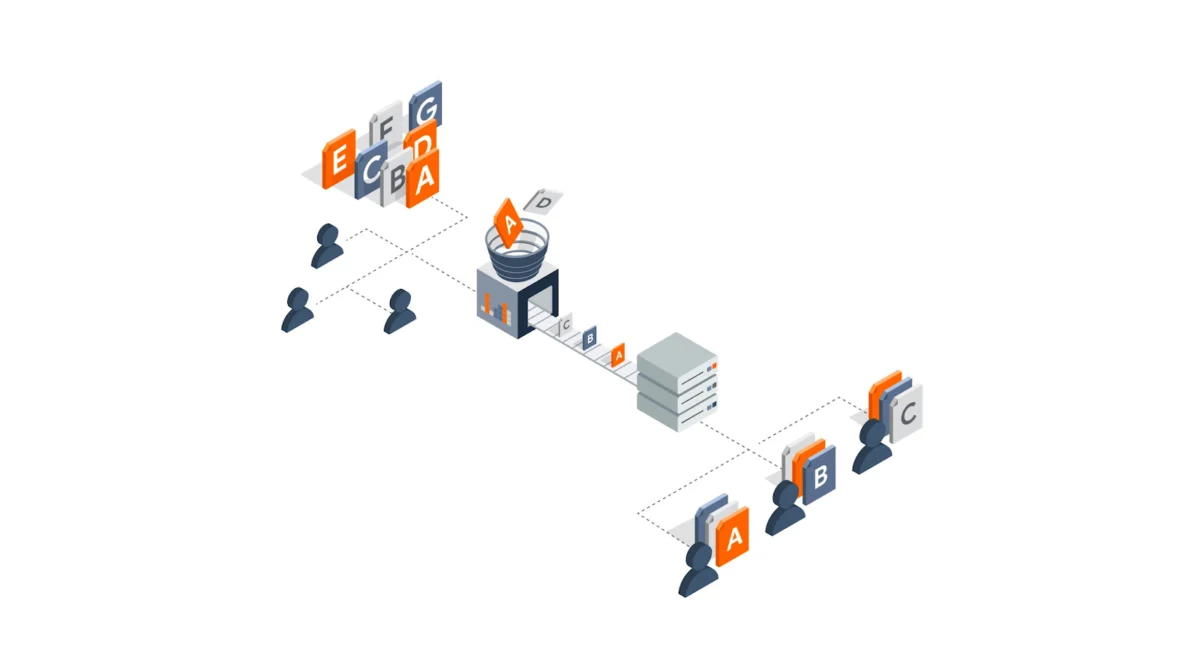
Recommendation systems are arguably the most impactful application of machine learning in the commercial sphere. The complexity of these systems has grown exponentially with the rise of deep learning. A modern recommendation pipeline typically involves four distinct stages:
- Candidate Generation: Narrowing down millions of items to a few hundred relevant ones.
- Scoring/Ranking: Assigning a value to each candidate based on user behavior and metadata.
- Re-ranking: Applying business logic, such as diversity filters or freshness constraints.
- Learning/Agents: Iterative improvement based on user feedback.
Google’s upcoming summit will address these stages through the lens of its specific library suite:
- TensorFlow Recommenders: Essential for building efficient, retrieval-focused models.
- TensorFlow Ranking: Specialized for fine-tuning the order of items to maximize user utility.
- TensorFlow Agents: Crucial for reinforcement learning applications where recommendations must adapt in real-time to user interaction.
Perhaps most excitingly, the summit will venture into the frontier of "Generative Retrieval." By utilizing generative AI techniques, researchers are moving away from traditional index-based search toward models that treat recommendation as a generative process. This paradigm shift, highlighted by recent research in generative retrieval, promises to make recommendation systems more intuitive and context-aware than ever before.
Official Insights: The Role of Large Language Models (LLMs)
One of the most anticipated segments of the summit is the discussion on augmenting traditional recommenders with Large Language Models (LLMs). The industry is currently witnessing a "transformer revolution" in search and recommendation.

In an official statement, Google’s development team emphasized that the integration of LLMs is not merely a trend but a fundamental change in how user intent is interpreted. LLMs offer the ability to parse complex, long-tail queries and provide nuanced recommendations that go beyond simple collaborative filtering. By incorporating these models, developers can theoretically reduce the "cold start" problem—the difficulty of recommending items to new users with zero interaction history—by leveraging semantic understanding rather than relying solely on historical clicks.
The summit will provide a roadmap for how developers can integrate these powerful models into existing TensorFlow workflows without sacrificing the latency requirements essential for real-time applications.
Implications for the Industry: Why This Matters
The decision to host a dedicated summit on this topic signals a major strategic pivot. For years, the focus of AI conferences has been on general-purpose model training (like GPT or Stable Diffusion). However, the "application layer"—specifically how those models are deployed to generate revenue and user value through recommendations—remains a complex, bespoke challenge for most companies.
1. Democratization of Advanced Engineering
By providing direct access to the engineers who built the TensorFlow suite, Google is effectively lowering the barrier to entry for small to medium-sized enterprises. Companies that previously couldn’t afford to hire dedicated research scientists can now leverage best-in-class frameworks to build systems that rival those of tech giants.
2. Standardization of Best Practices
The fragmentation of recommendation methodologies has long been a pain point. By establishing a standard set of frameworks and methodologies, the summit helps create a common language for ML engineers, which will likely accelerate the pace of innovation across the entire ecosystem.
3. The Future of Generative Retrieval
The discussion on generative retrieval is particularly noteworthy. If current trends continue, the future of the internet may shift from "searching for links" to "receiving tailored insights." This summit will likely be the first time many developers see the practical blueprints for this transition, moving from academic theory to industry-standard application.
Conclusion: A Must-Attend for the Data-Driven Era
Whether you are a data scientist tasked with optimizing a click-through rate, a backend engineer building scalable infrastructure, or a tech enthusiast curious about the algorithms that govern our digital lives, the Google Developer Summit on Recommendation Systems represents a significant milestone.
As recommendation systems continue to permeate every corner of our digital experience—from news feeds to financial services—the ability to build these systems ethically, efficiently, and effectively is becoming a core competency for any modern software organization. The insights shared on June 9th will undoubtedly influence the next wave of personalization technology.
For those interested in participating, early registration is encouraged. The virtual format ensures that the global developer community has a front-row seat to the latest advancements in one of the most dynamic fields in computer science.
Registration is currently live via the official Google event portal.