Empowering the Edge: Raspberry Pi Unveils Comprehensive Guide to Local AI Development
The narrative surrounding artificial intelligence (AI) has long been dominated by the image of sprawling, energy-intensive data centers and massive server farms owned by "Big Tech." However, a significant shift is occurring in the technological landscape—one that moves AI away from the distant cloud and onto the desks of hobbyists, engineers, and students. Leading this democratization of technology is Raspberry Pi, which has recently announced the release of its latest instructional powerhouse: AI Projects with Raspberry Pi.
This new publication marks a pivotal moment for the "maker" community, transitioning from simple "toy demos" to sophisticated, real-world AI applications that run locally, securely, and privately. As concerns over data privacy and the environmental impact of massive LLMs (Large Language Models) grow, the ability to run AI at the "edge"—directly on the device where data is collected—has never been more relevant.
Main Facts: A New Era of Physical Computing
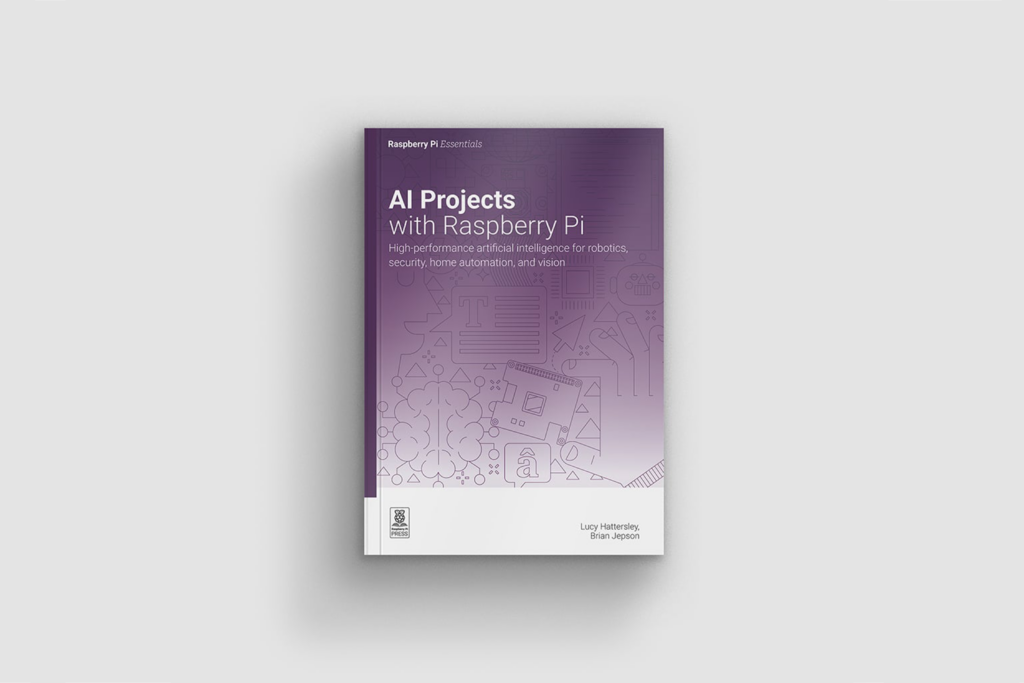
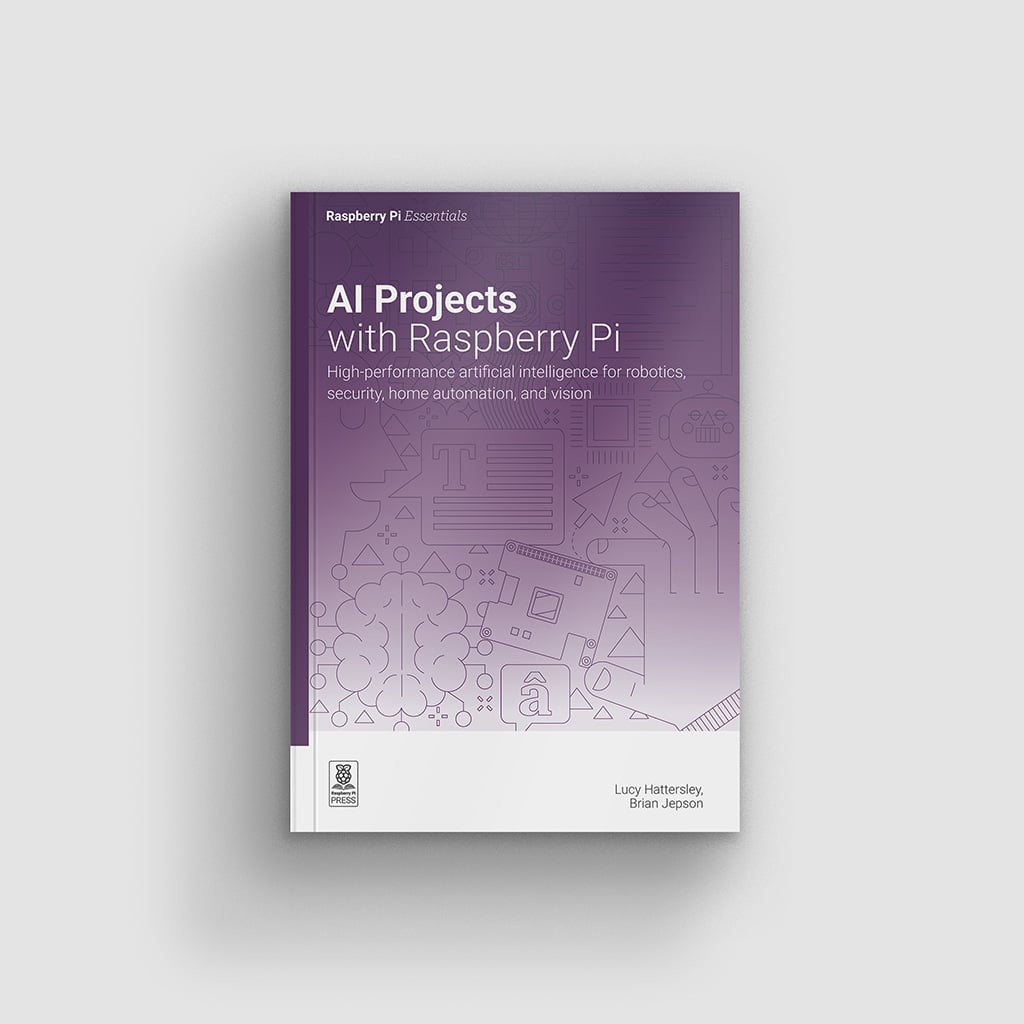
The core premise of AI Projects with Raspberry Pi is to bridge the gap between abstract AI theory and tangible, physical computing. Published by Raspberry Pi Press, the book serves as a hands-on manual for deploying machine learning models on single-board computers (SBCs) and microcontrollers.
Key Features of the Publication
- Broad Hardware Support: The guide covers the entire modern Raspberry Pi ecosystem, including the flagship Raspberry Pi 5, the Raspberry Pi 4, the compact Zero 2 W, and the Pico series of microcontrollers.
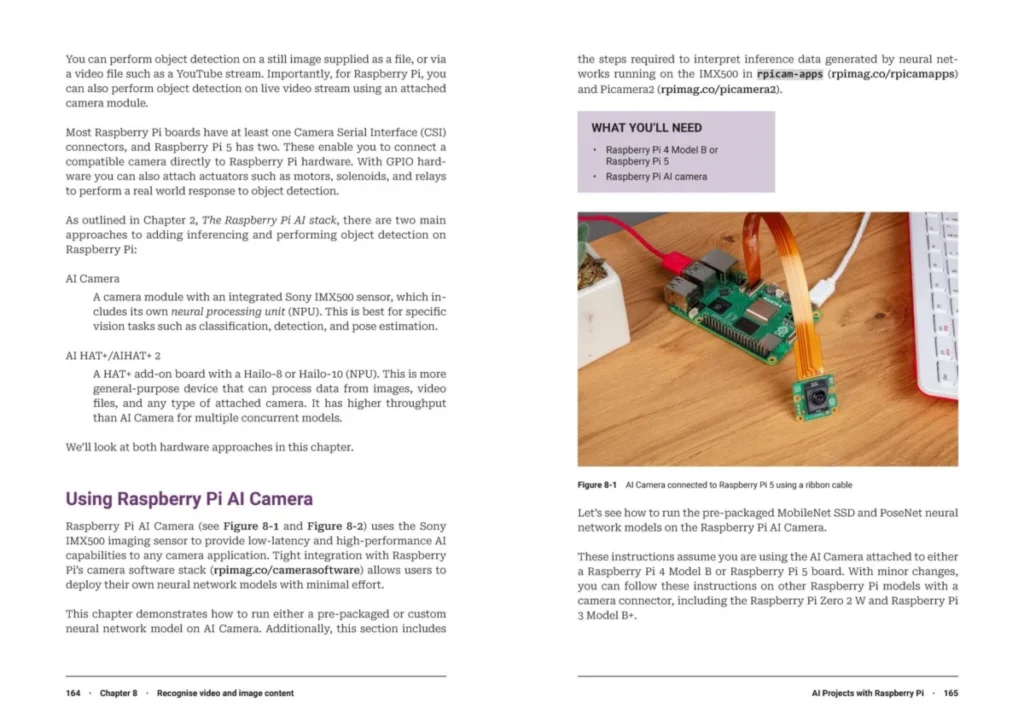
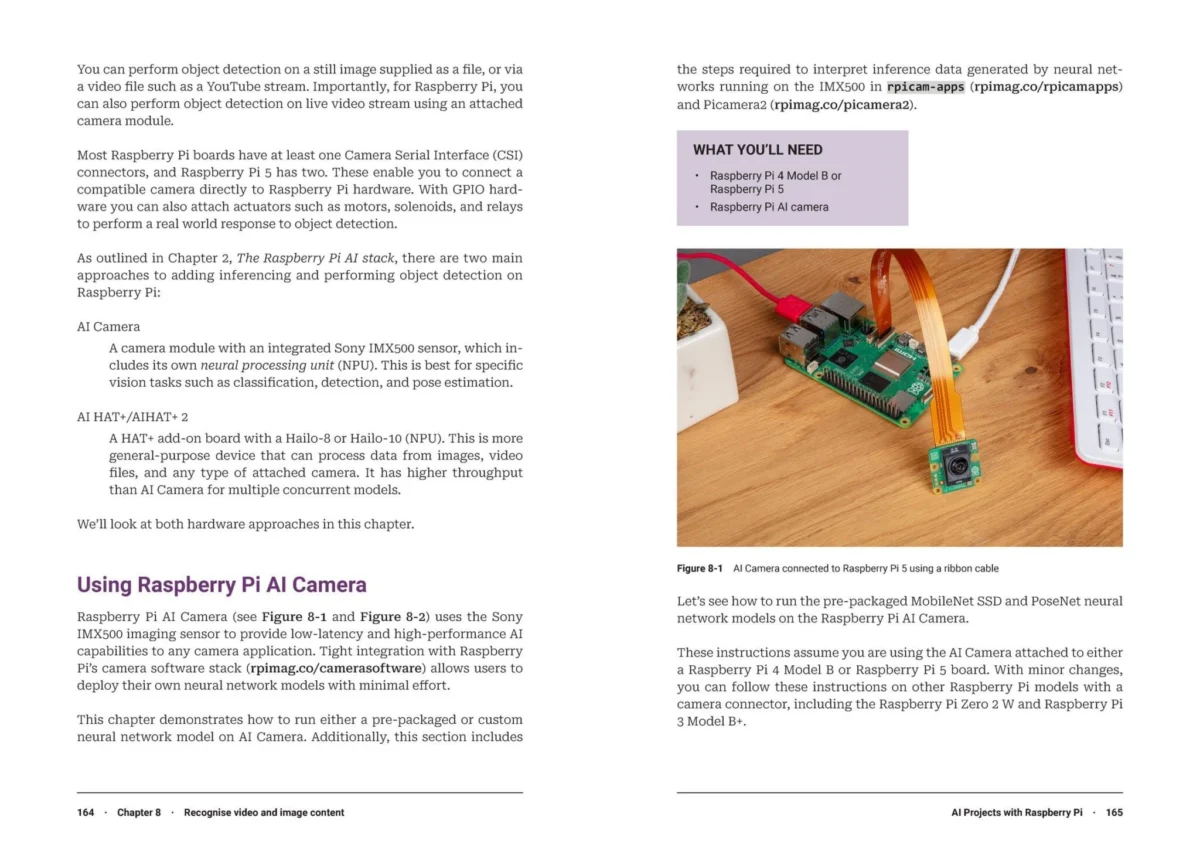
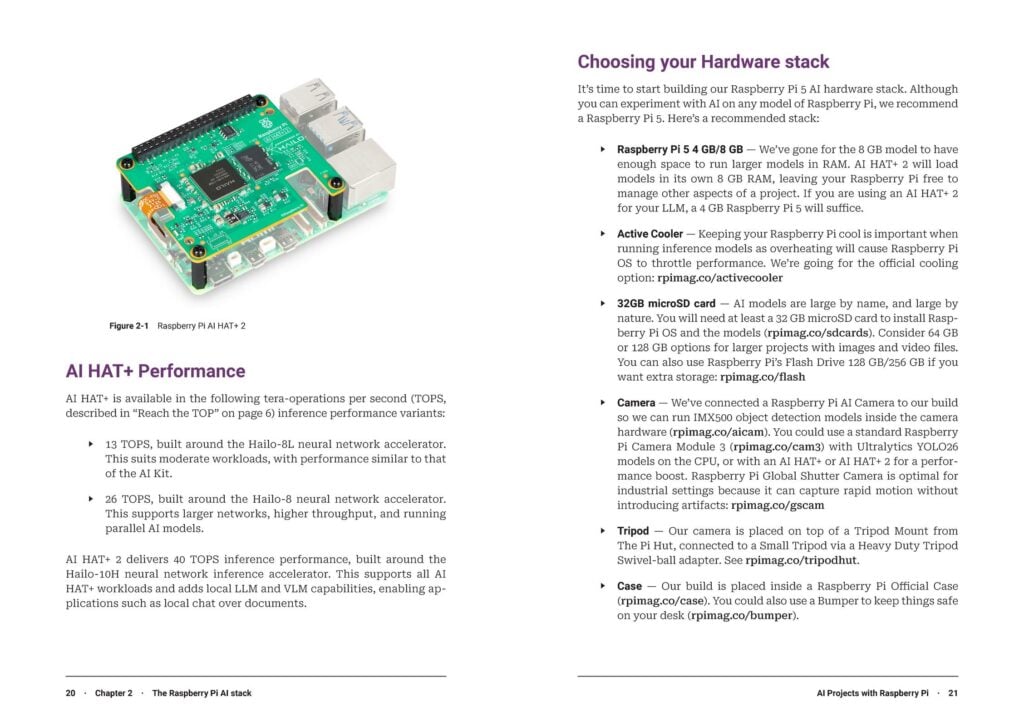
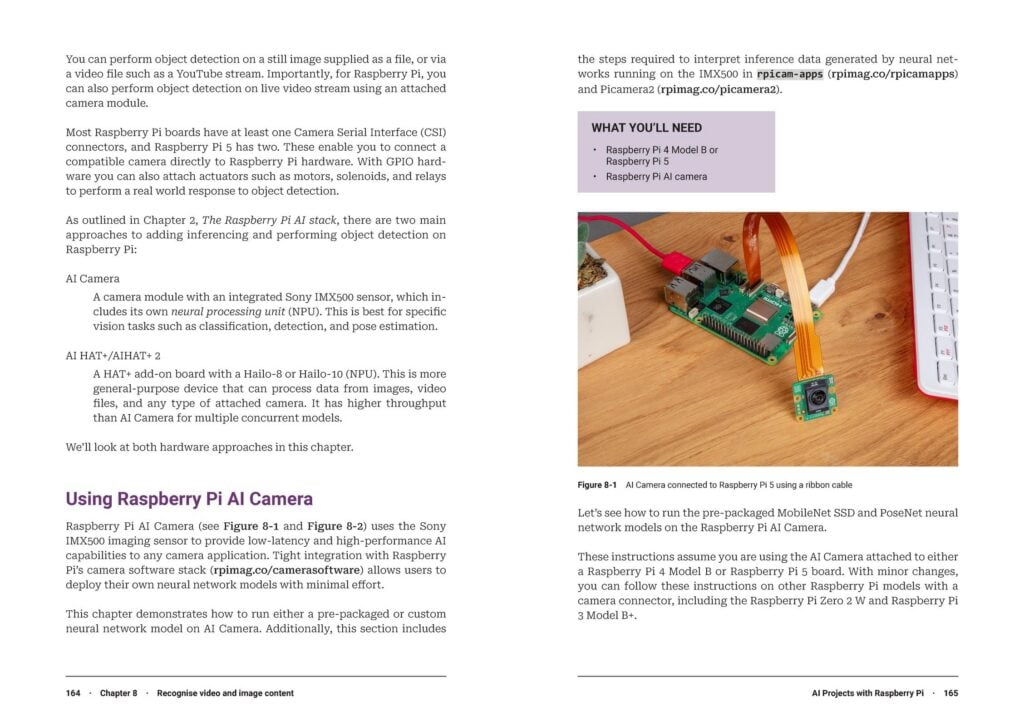
- Hardware Acceleration Focus: A significant portion of the book is dedicated to the new Raspberry Pi AI Camera and the recently released AI HAT+ and AI HAT+ 2, which utilize specialized neural processing units (NPUs) to handle intensive computations.
- Practical Project Portfolio: Rather than focusing on theoretical code snippets, the book guides readers through building functional devices, such as gesture-controlled "magic wands," local voice-recognition systems, and real-time image classifiers.
- Accessibility: The book is launched with an aggressive introductory price of £8.99 (reduced from £17.99), signaling Raspberry Pi’s commitment to making high-level technical education affordable.
The book does not merely teach users how to use AI; it explains the "why" and "how" behind the technology. It delves into the foundational data structures—tensors—and explores the nuances of model weights, training parameters, and quantization, which allows complex models to fit into the limited memory of an edge device.
Chronology: The Evolution of AI on Raspberry Pi
The journey to this book’s release reflects the broader evolution of the Raspberry Pi hardware itself. Understanding this timeline is essential to appreciating how a $35 computer became a viable AI workstation.
2012–2018: The Early Years of Limitations
In the early days of the Raspberry Pi 1, 2, and 3, AI was largely out of reach. These devices were designed for education and basic Linux tasks. While they could perform basic linear regression or very slow image processing, they lacked the RAM and CPU cycles required for neural networks. AI during this era was almost exclusively a cloud-based service.
2019: The Raspberry Pi 4 Paradigm Shift
The release of the Raspberry Pi 4, with up to 8GB of RAM and a significantly faster quad-core processor, changed the landscape. For the first time, users could run "Lite" versions of TensorFlow and OpenCV with reasonable frame rates. This period saw the rise of "TinyML"—machine learning on small, low-power devices.
2023: The Raspberry Pi 5 and the AI HAT+
The launch of the Raspberry Pi 5 provided a massive leap in raw processing power. However, the real breakthrough came with the introduction of the Raspberry Pi AI HAT+, developed in partnership with Hailo. By adding a dedicated NPU capable of 13 or 26 TOPS (Tera Operations Per Second), the Pi could suddenly outperform many traditional laptops in specific AI tasks, such as multi-object tracking and high-speed image segmentation.
2024: The Release of "AI Projects with Raspberry Pi"
Recognizing that the hardware had finally caught up to the software’s demands, Raspberry Pi Press compiled years of community knowledge and internal engineering expertise into this definitive guide. This release serves as the "software manual" for the new era of AI-accelerated hardware.
Supporting Data: The Technical Edge of Local AI
To understand why this book is significant, one must look at the technical data regarding "Edge AI" versus "Cloud AI." The projects outlined in the book leverage several key technical advantages that are often overlooked in the hype surrounding web-based chatbots.
Latency and Real-Time Response
In cloud-based AI, data (such as a voice command or a video frame) must be sent to a server, processed, and sent back. This creates latency, often ranging from 200ms to several seconds. For a gesture-controlled device or an autonomous robot, this delay is unacceptable. By running models locally on a Raspberry Pi 5 with an AI HAT+, latency can be reduced to less than 10ms, allowing for true real-time interaction.
Privacy and Data Sovereignty
A primary focus of the book is the "private" nature of local AI. When a user builds the voice-recognition project described in the text, the audio never leaves the device. In contrast, commercial smart speakers often stream audio to corporate servers. The book provides the blueprints for "Black Box-free" technology, where the user has total oversight of their data.
Energy Efficiency and Cost
Training a large model like GPT-4 costs millions of dollars and consumes massive amounts of electricity. However, inference (running a pre-trained model) on a Raspberry Pi consumes roughly 5 to 15 watts of power. The book highlights how "quantized" models—where the precision of the model is slightly reduced to save space—can provide 95% of the accuracy of a full-scale model at a fraction of the computational cost.
Official Responses: A Philosophy of Understanding
While the book provides technical instructions, its tone reflects the Raspberry Pi Foundation’s broader mission. Spokespeople for the organization have emphasized that this is not about "jumping on the AI bandwagon," but about demystifying a "thorny" and often misunderstood subject.
The book’s introduction addresses the controversial nature of generative AI directly. It notes that the text is not designed to "insist you get aboard the generative AI train," but rather to provide the tools to understand its deployment. This pragmatic approach is a hallmark of the Raspberry Pi philosophy: technology should be a tool that the user controls, not a mystery that controls the user.
"If you’re the sort of person who wants to understand AI rather than simply use it, this book is for you," the announcement states. This distinction is critical. By teaching users about model zoos, MobileNet vision models, and the "splicing" of Python code, Raspberry Pi is encouraging a generation of "AI-literate" developers who can look under the hood of the algorithms governing modern life.
Implications: Changing the Future of DIY and Industry
The release of AI Projects with Raspberry Pi has implications that reach far beyond the hobbyist’s workbench. It signals a shift in how AI will be integrated into education, industry, and the home.
In Education
For years, teaching AI in schools meant using web-based APIs. This book allows educators to teach the physics of AI—showing students how an accelerometer on a "magic wand" generates a stream of data that a model then interprets. This move toward "physical AI" makes abstract concepts tangible, potentially inspiring a new wave of engineers who understand the intersection of software and hardware.
In Industrial IoT (Internet of Things)
The "factory floor" application mentioned in the book is a nod to the Raspberry Pi’s massive footprint in the industrial sector. By mastering the AI HAT+ and image recognition through this guide, engineers can deploy low-cost visual inspection systems or predictive maintenance sensors that don’t require an expensive subscription to a cloud provider.
The Democratization of Innovation
Perhaps the most significant implication is the lowering of the barrier to entry. AI development was once the province of those with access to high-end GPUs costing thousands of dollars. By providing a guide that works on a $15 Raspberry Pi Zero 2 W or a $35 Raspberry Pi 4, the organization is ensuring that the next great AI breakthrough could come from a garage in Nairobi or a classroom in rural Wales, rather than just a Silicon Valley boardroom.
Conclusion: A Practical Path Forward
AI Projects with Raspberry Pi is more than just a collection of tutorials; it is a manifesto for the "Edge AI" movement. By focusing on local execution, privacy, and physical interaction, Raspberry Pi is providing a necessary counter-narrative to the cloud-centric AI model.
As the book becomes available across the US, UK, and globally via digital formats, it invites a global community of makers to stop being passive consumers of AI and start being active creators. Whether it is building a sparkles-emitting magic wand or a voice-powered home automation system, the message is clear: the future of AI is small, it is local, and it is in your hands.
Availability Note: AI Projects with Raspberry Pi is currently available through the Raspberry Pi Press online store and major retailers. Digital versions (PDF/ePUB) are also accessible for those looking to begin their AI journey immediately.