The Rise of Desktop AI: Analyzing the Autonomous Intern 2 and the Shift Toward Dedicated Agent Hardware
In the early months of 2026, the tech landscape was gripped by the fervor of "OpenClaw"—a wave of AI-driven automation that led thousands of enthusiasts to purchase Mac Minis, tasking them with running 24/7 autonomous agents. At the time, the utility of dedicating a $500 piece of consumer hardware to serve merely as a bridge for commercial LLMs like Claude or ChatGPT seemed, to many, like an expensive redundancy.
Yet, as the dust settles, it has become clear that these "Claw-like" agents are not merely a fleeting trend; they are a fundamental shift in how we interact with computing. To support this new paradigm, we are witnessing the birth of a new category of hardware: dedicated, purpose-built devices designed specifically to house and execute these AI agents. Leading this charge is Autonomous, a company once synonymous with ergonomic office furniture, which is now pivoting back to its roots in robotics to introduce the Intern 2.
Main Facts: What is the Intern 2?
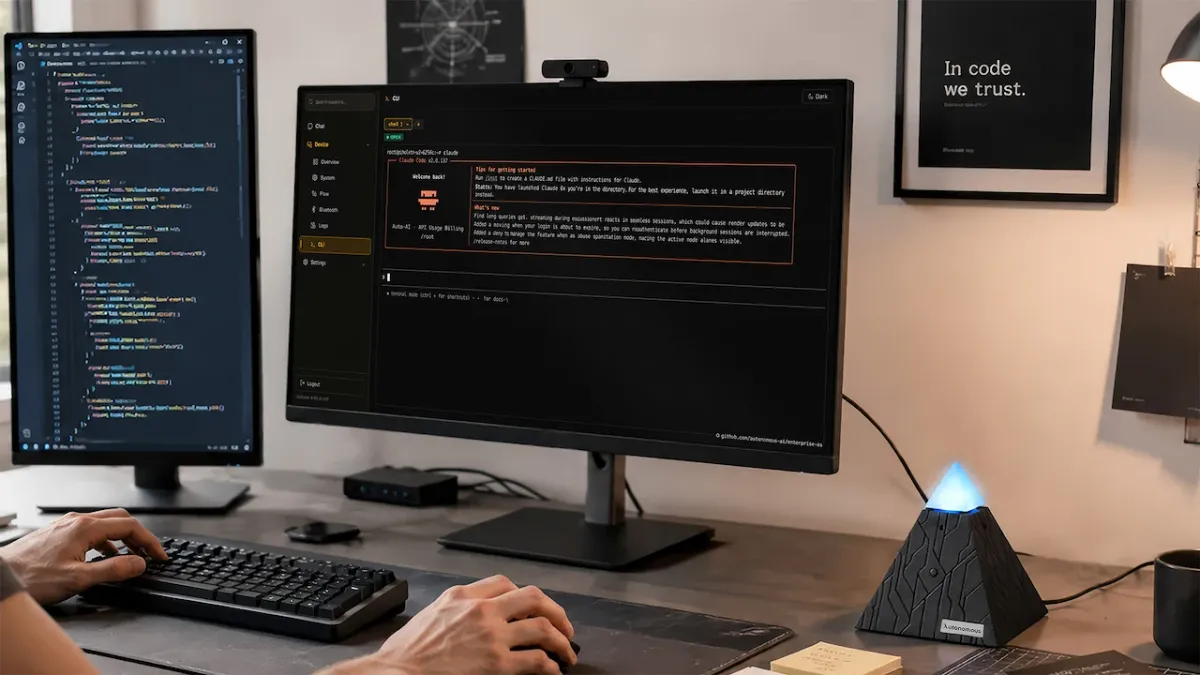
The Intern 2 is a desktop companion device, essentially a physical "home" for your AI agent. Rather than forcing a user to leave a terminal window open on a primary workstation or rely on cloud-only browser interfaces, the Intern 2 provides a persistent, hardware-accelerated environment for your digital assistant.
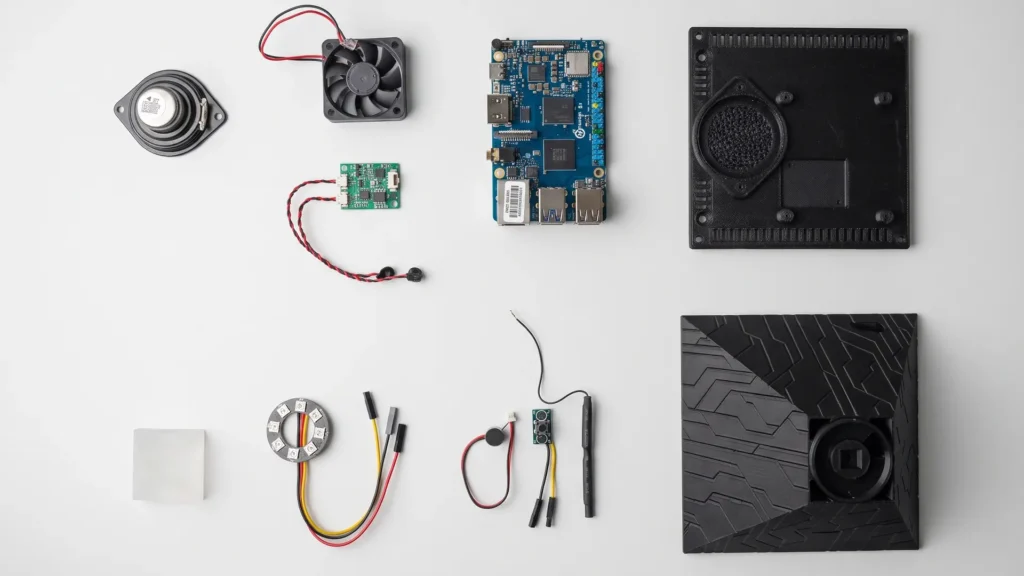
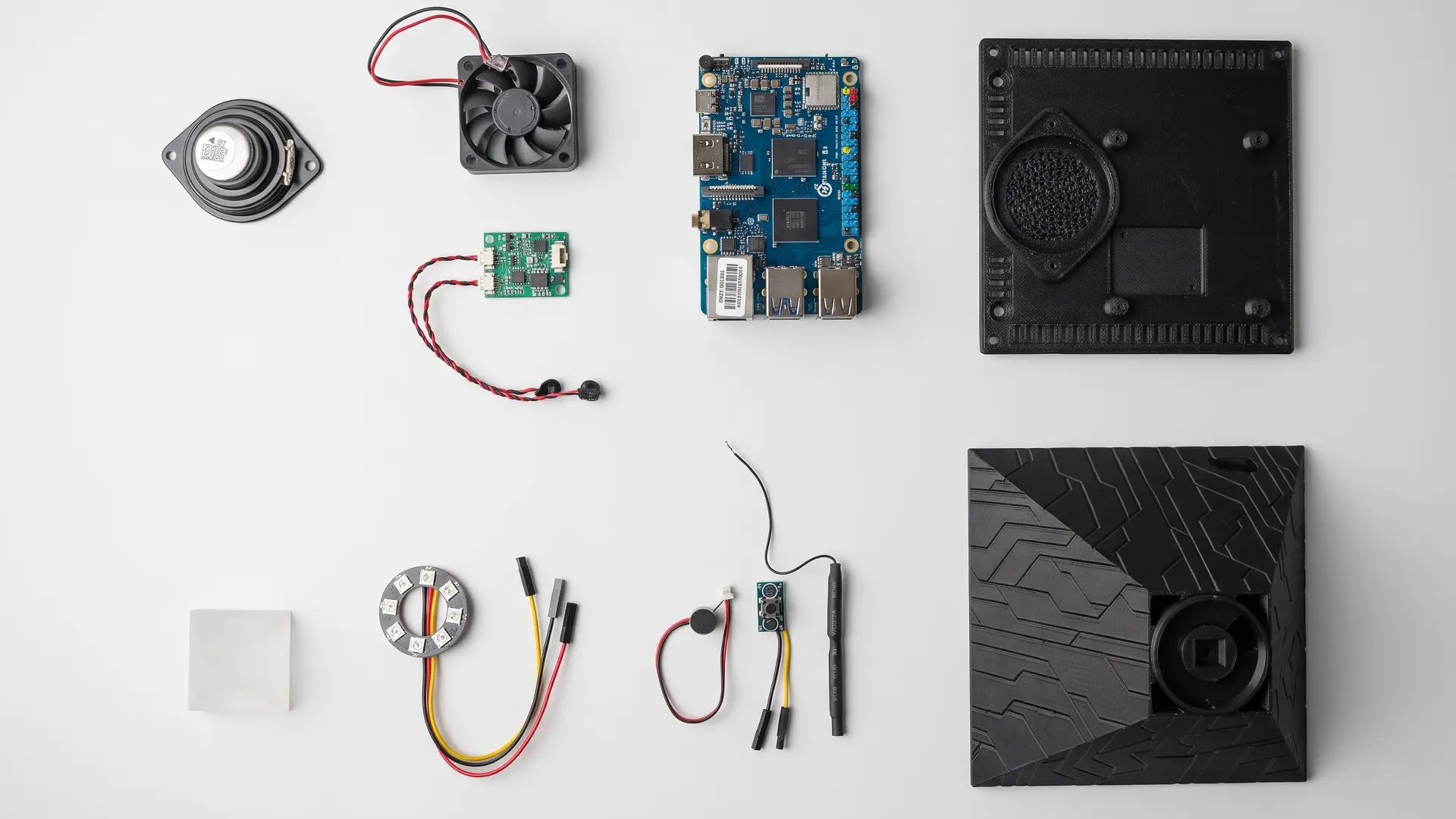
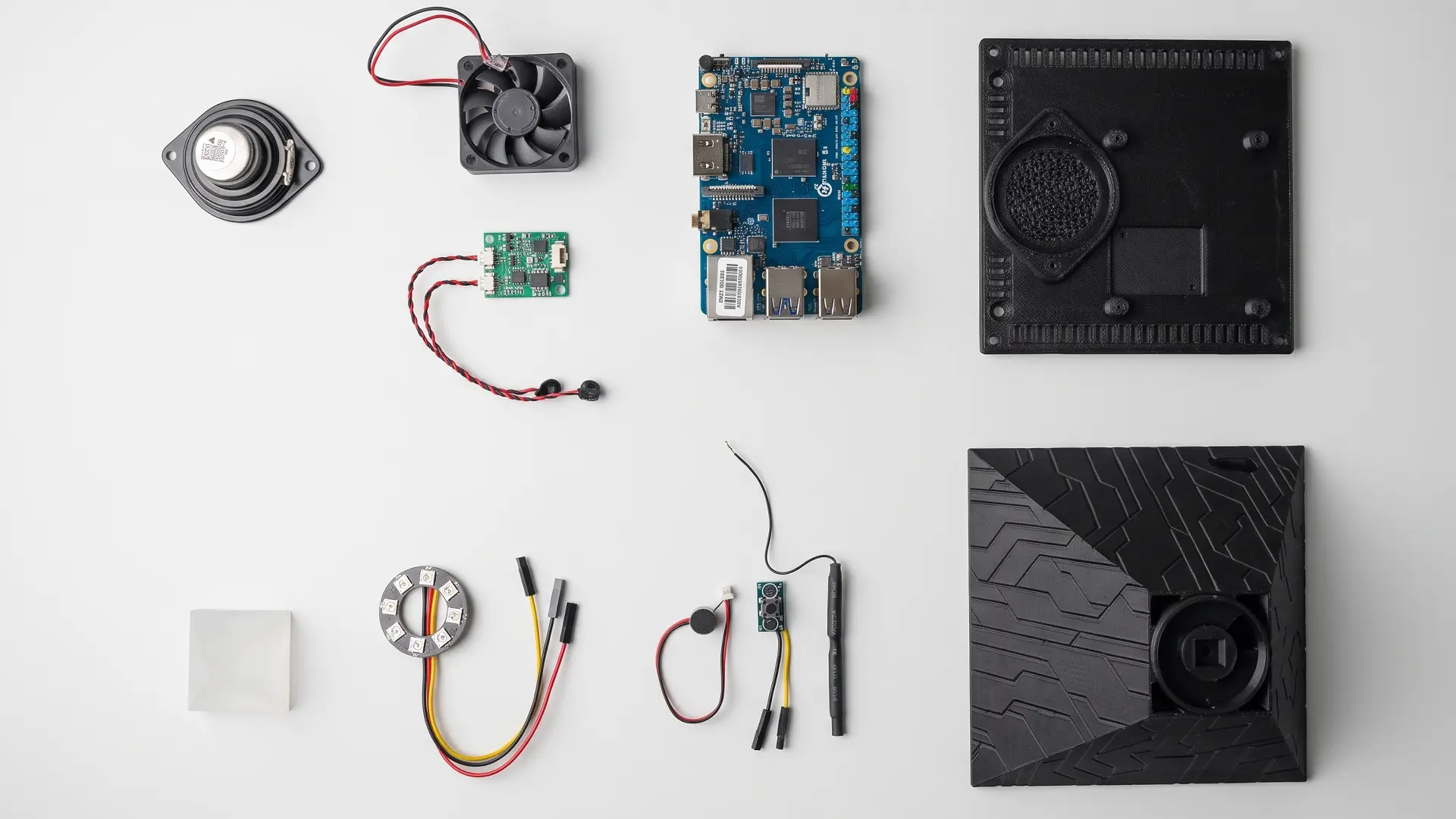
Released just six months after its predecessor, the Intern 2 represents a significant refinement in both form factor and capability. The device is a sleek, pyramid-shaped unit topped with a distinctive glowing indicator. Internally, it is powered by an Orange Pi 4 Pro, featuring an 8-core Allwinner A733 processor—comprised of two high-performance Cortex-A76 cores and six efficiency-focused Cortex-A55 cores—bolstered by a 3 TOPS (Tera Operations Per Second) Neural Processing Unit (NPU).
Starting at $249, the device is designed for seamless integration into a user’s existing digital workflow. Once connected to Wi-Fi, the Intern 2 can be added to Slack, Telegram, or Discord groups to begin triaging emails, monitoring GitHub repositories, and executing complex, multi-step tasks without human intervention.
A Chronology of the "AI Intern" Concept
The evolution of the Intern 2 is best understood through the lens of the rapid acceleration in agentic AI.
- Early 2026 (The "Claw" Craze): The rise of autonomous agents like OpenClaw sparked a DIY movement. Users began repurposing small-form-factor PCs to maintain constant, uninterrupted connectivity for their agents.
- Late Q1 2026: Autonomous, leveraging its history as "Robotbase," identified a gap in the market. They recognized that while software developers were comfortable with terminal-based configurations, the average user needed a "turn-key" solution.
- Q2 2026 (The First Intern): The original Intern device was launched as a proof-of-concept for desk-based AI interaction. It established the core premise: an "always-on" assistant that doesn’t consume the resources of your main machine.
- July 2026 (Intern 2 Launch): The release of the Intern 2 marks the maturation of this concept. It introduces improved far-field audio capabilities, expanded agent framework support, and a more robust, open-source operating system.
Supporting Data: Under the Hood
The appeal of the Intern 2 lies in its ability to balance accessibility with professional-grade flexibility. The device doesn’t attempt to reinvent the wheel regarding internal silicon; instead, it optimizes the use of existing Single Board Computer (SBC) hardware.
Hardware Specifications
- Processor: Allwinner A733 (8-core architecture: 2x Cortex-A76 + 6x Cortex-A55).
- NPU: 3 TOPS performance, allowing for localized processing of specific agent tasks.
- Audio/Interaction: Dual far-field microphones (effective up to 3 meters) and a 5W speaker for natural voice interaction.
- Connectivity: Wi-Fi and Bluetooth integration for seamless pairing with messaging apps and smart office environments.
The Software Layer: Autonomous OS
Perhaps the most significant development accompanying the Intern 2 is the launch of Autonomous OS. This open-source operating system is purpose-built to handle the complexities of physical AI agents. It serves as a middle layer that manages memory, sensing, and skill execution, while remaining "brain-agnostic." Users can swap the underlying LLM logic—choosing between OpenClaw, Hermes, PicoClaw, Claude Code, or OpenAI Codex—depending on their specific needs.
Official Stance and Philosophy
Autonomous has been vocal about its strategic pivot. By open-sourcing their operating system, they are betting on the developer community to drive the product’s growth. In their official documentation, the company highlights that the Intern 2 is not just a consumer gadget; it is a reference platform. By providing a stable, reliable hardware base for agents, they aim to remove the "friction of entry" for enthusiasts who want to experiment with automation but lack the time or hardware-engineering background to build a custom system from scratch.
The company emphasizes that the Intern 2 is designed to act as an "intern"—a capable, entry-level assistant that can handle the repetitive, administrative drudgery of the digital office, allowing the human "manager" to focus on high-level decision-making.

Implications for the Future of Work
The emergence of devices like the Intern 2 carries profound implications for the future of productivity and personal computing.
1. The Death of the Terminal-Bound Agent
Historically, running an agentic workflow required deep technical literacy. The Intern 2 abstracts this. By moving the "agent" off the primary PC, the user preserves their own machine’s resources for creative or professional work, while the Intern 2 handles the "background noise"—inbox management, issue tracking, and API-heavy workflows.
2. The Return of Hardware-Software Synergy
We are seeing a reversal of the "everything-in-the-cloud" trend. As AI agents become more deeply integrated into our daily lives, there is a tangible demand for physical, local touchpoints. Voice interaction, for instance, feels significantly more natural when directed at a physical device on one’s desk rather than a browser tab.
3. Ethical and Privacy Considerations
With an always-on, voice-enabled device that integrates with your email, Slack, and GitHub, the conversation around data privacy becomes paramount. Autonomous has opted for an open-source OS approach, which allows for greater transparency than a closed-box black-box solution. Users can, in theory, audit the code to understand exactly how their data is being handled, which is a significant advantage over proprietary alternatives.
4. The "Gadgetization" of Intelligence
The success of the Intern 2 suggests that AI is no longer just a service we subscribe to—it is an appliance we purchase. Similar to how the microwave or the printer became a staple of the office, the "AI Assistant" is moving from the cloud into a dedicated piece of hardware. This "gadgetization" will likely lower the barrier to entry for millions of non-technical workers.
Conclusion: Should You Buy In?
The Intern 2 is not for everyone. For the seasoned engineer who enjoys the process of soldering, kernel compiling, and managing containerized instances, a $299 pre-built unit might seem unnecessary. However, for the professional who values time and stability, the "out-of-the-box" experience offered by Autonomous is compelling.
The device occupies a unique space: it is sophisticated enough to satisfy the demands of a modern developer, yet simple enough to be set up by anyone with a basic understanding of network connectivity. Whether it is the ultimate office companion remains to be seen, but one thing is certain: the era of the "AI Intern" has officially arrived, and it has a physical presence on our desks.
As the market continues to mature, we can expect to see further iterations of this hardware—perhaps with more advanced local LLM capabilities and even tighter integration with physical office automation. For now, the Intern 2 serves as a fascinating, and perhaps essential, step toward a future where our digital assistants are as much a part of our office furniture as our chairs and desks.