The Sound of Action: A Deep Dive into the GoPro Wireless Mic System
After a staggering 175-month wait—a timeline stretching back to the era of the HD Hero 2—GoPro has finally entered the wireless audio market. For over a decade, vloggers and action sports enthusiasts have relied on third-party solutions to bypass the limitations of integrated camera microphones. With the 2026 launch of the GoPro Wireless Mic System, the company aims to solidify its ecosystem, offering a tailor-made audio solution that promises to turn its action cameras into comprehensive, professional-grade vlogging powerhouses.
Main Facts: What’s in the Box?
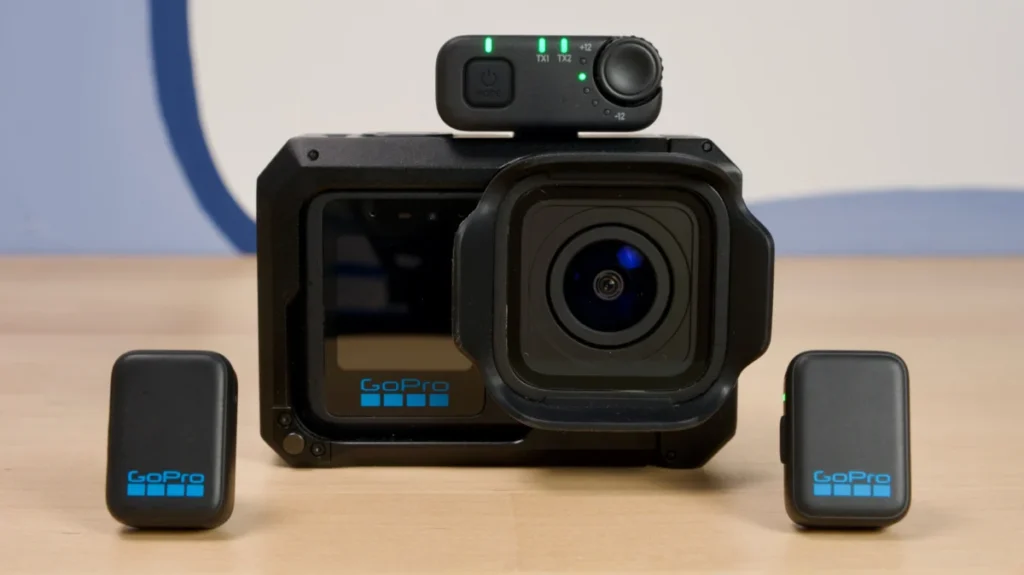
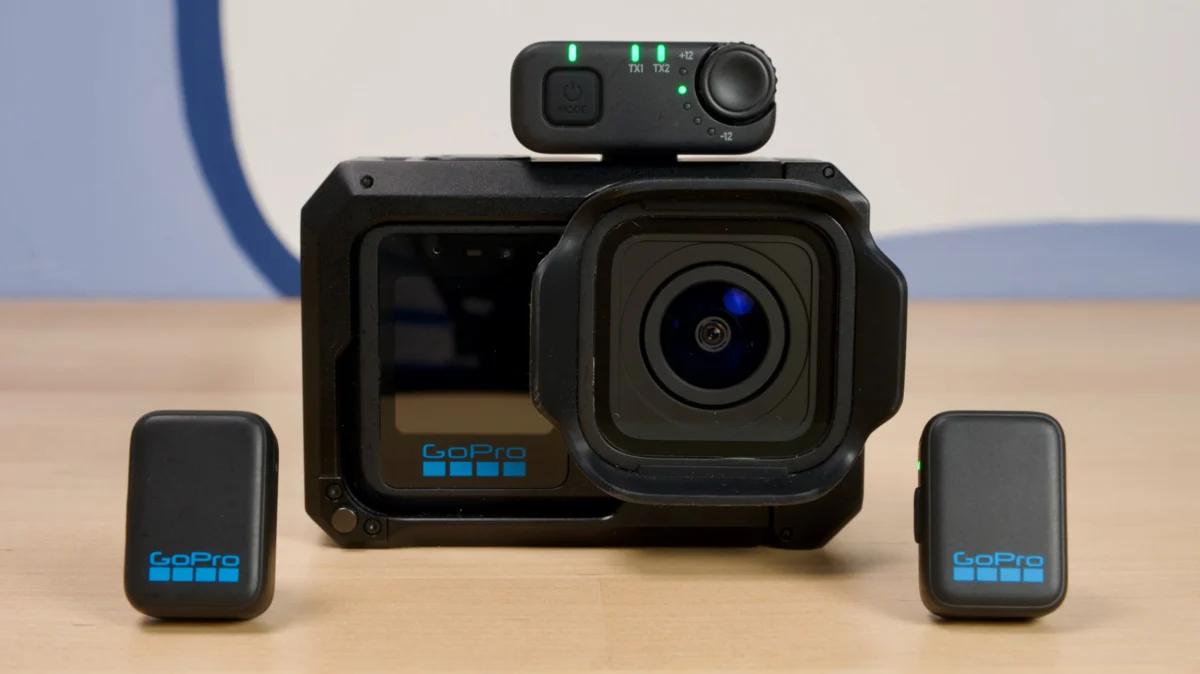
The GoPro Wireless Mic System enters a saturated market with a clear value proposition: seamless integration. The flagship $159 two-mic bundle provides a comprehensive suite of tools designed to cover most recording scenarios.
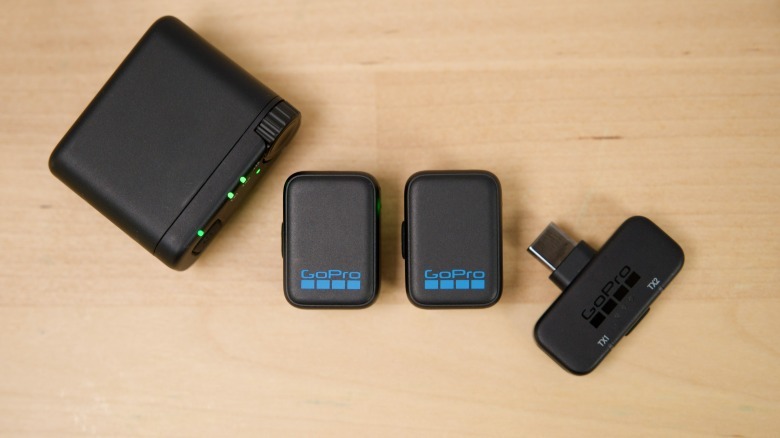
The system centers on two ultra-lightweight transmitters, each weighing a mere 10 grams (0.3 oz). These units are equipped with magnetic clips for discreet mounting on clothing. The charging case is a highlight of the hardware package, providing a combined 20 hours of battery life, with each microphone offering approximately six hours of continuous operation per charge.
GoPro has also addressed the "receiver problem" by including two distinct modules:
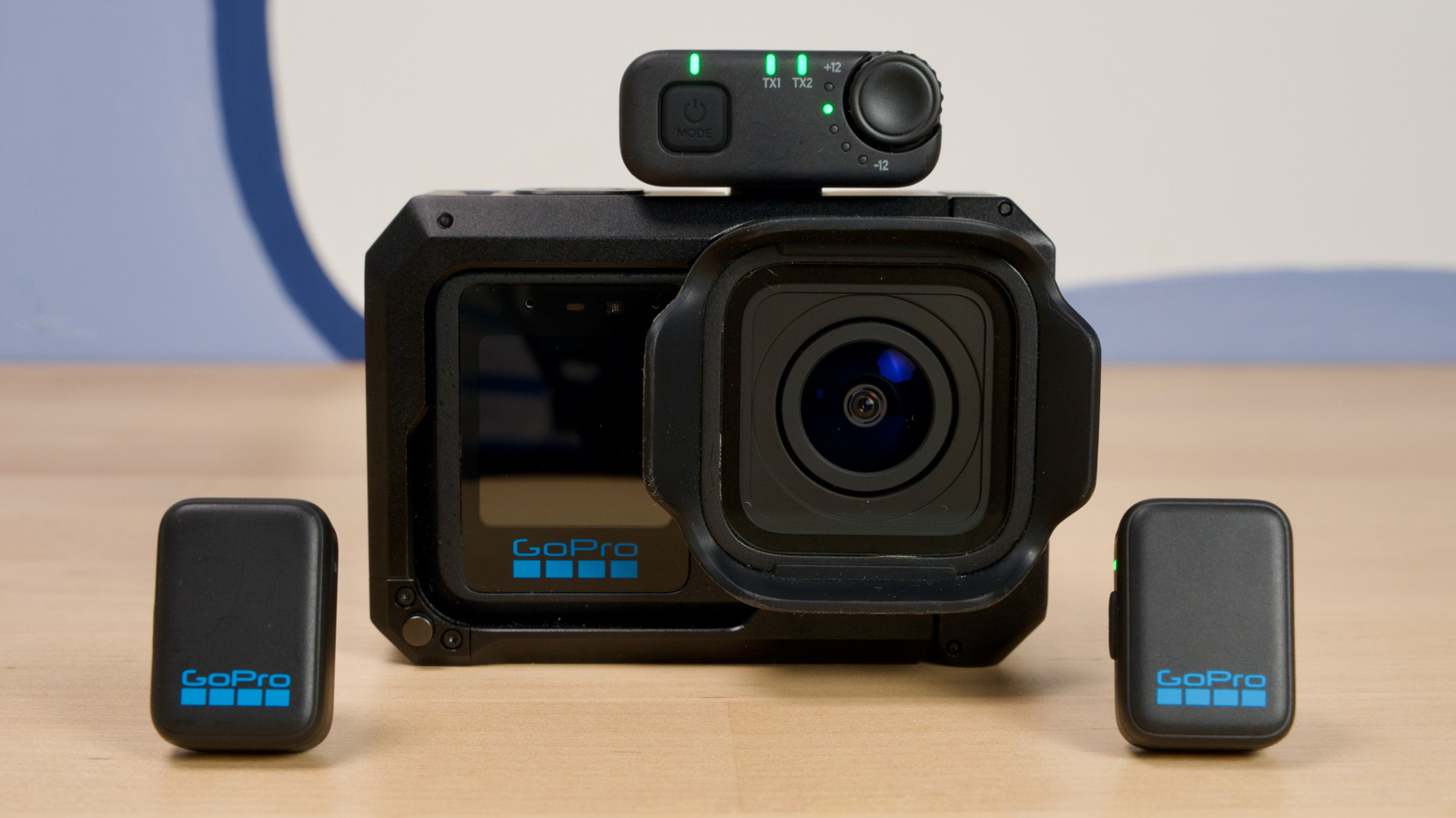
- The 3.5mm DSLR/Mirrorless Receiver: Featuring a dedicated gain control dial, headphone monitoring port, and physical buttons for switching between mono, stereo, and safety-track modes.
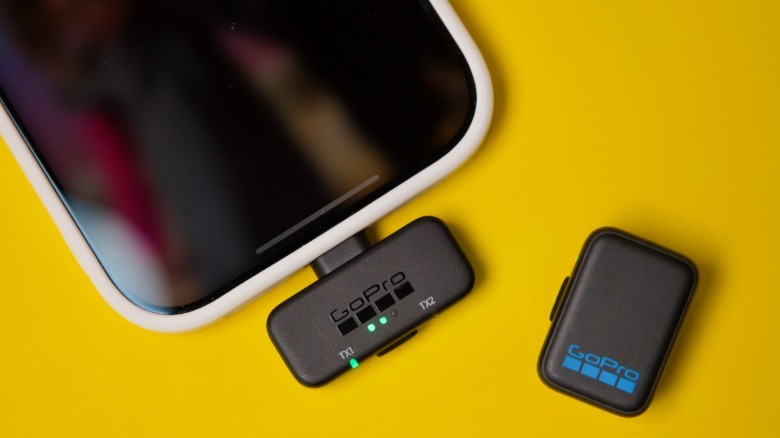
- The USB-C Receiver: A compact dongle designed for mobile phones, PCs, and the GoPro Hero series, offering a simplified interface with a single button for cycling through gain presets.
A Chronology of Audio Frustration
To understand why this launch is significant, one must look at the historical trajectory of GoPro’s evolution. In 2011, the HD Hero 2 arrived with the promise of high-definition action footage, but it lacked a reliable way to capture high-fidelity audio from a distance. For years, users were forced to use external "Media Mods" or bulky, third-party wireless transmitters from brands like Rode and DJI.
The introduction of Bluetooth microphone support in the Hero 12 was a turning point, yet it created a new irony: the best microphones for GoPro cameras were frequently those produced by its primary rival, DJI. With the release of the Wireless Mic System in 2026, GoPro is finally reclaiming the narrative. The 760-week development cycle—if one counts from the early days of HD vlogging—has resulted in a product that finally treats audio as a first-class citizen rather than an afterthought.
Supporting Data and Performance Metrics
In head-to-head testing, the GoPro Wireless Mic System earns a respectable 7.8/10 rating. The audio fidelity is notably crisp, particularly when compared to the internal microphones of the GoPro Media Mod.
Audio Quality Analysis
When tested in echo-heavy environments, such as a standard home office, the system excels at suppressing room reflections. The natural tonality of human speech remains intact, avoiding the "robotic" compression often found in budget wireless systems.
Comparison Table: Performance vs. Rivals
| Feature | GoPro Wireless Mic | DJI Mic Mini | Rode Wireless Micro |
|---|---|---|---|
| Weight | 10g | ~11g | ~12g |
| Connectivity | USB-C, 3.5mm, BT | Proprietary/USB-C | USB-C |
| Case Capacity | 20 Hours | 18 Hours | 15 Hours |
| Ecosystem Integration | Native | High | Medium |
The noise reduction feature is highly effective at eliminating constant ambient hums, such as office fans or wind noise. However, users should be cautious: while the receiver-based noise reduction is stellar, using the microphones in "Bluetooth mode" without a receiver can lead to noticeable digital artifacting. In these scenarios, the cleaner raw audio is usually preferable for post-processing.
Official Responses and Firmware Realities
GoPro has positioned this system as a versatile tool, not just for extreme sports, but for the modern content creator. However, early adopters have noted several "first-gen" quirks.
When using the USB-C dongle with a GoPro camera, the interface displays only one VU meter, even when both microphones are active. While the audio is indeed captured in a split-channel format (Mic A on the left, Mic B on the right), the lack of visual confirmation on the camera’s UI can lead to confusion. Furthermore, the absence of a "mono-merge" setting on the USB dongle currently requires users to perform extra steps in post-production software to normalize the audio for social media platforms.
In response to these concerns, industry observers note that these are largely software-defined hurdles. The GoPro Quick app and the Fluid camera platform serve as potential delivery vehicles for future firmware updates that could enable channel-merging or improved UI feedback. GoPro has not yet commented on specific release dates for these updates, but the company’s history of iterative support for the Hero series suggests that these "fixable flaws" will be addressed in due time.
Implications for the "Vlogging Kit Wars"
The launch of this system carries significant weight for the wider camera industry. We are currently in the midst of a "lightweight vlogger kit war," where companies like Insta360, DJI, and now GoPro are fighting to provide the most portable, capable, and integrated workflows.
The Ecosystem Advantage
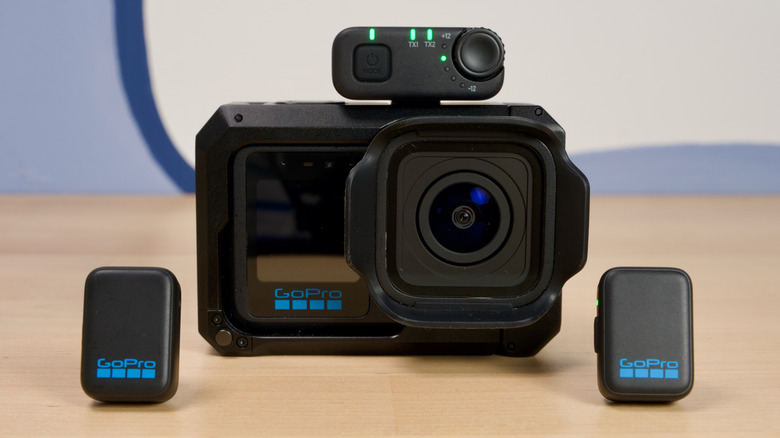
The primary implication is the solidification of the GoPro ecosystem. By providing a proprietary wireless solution, GoPro is finally able to offer a "full-stack" experience. For a creator using the latest GoPro Mission 1 Pro, the ability to snap in a USB-C receiver without needing to remove the camera’s protective door is a major quality-of-life upgrade.
The Competitive Landscape
While GoPro has produced a competitive, lightweight, and effective product, they face stiff headwinds.
- The DJI Factor: DJI’s Mic Mini 2 continues to be a gold standard for its size and ease of use, though geopolitical trade tensions have made it increasingly difficult for US consumers to acquire compared to GoPro’s readily available units.
- The Rode Standard: Rode remains the king of software-driven audio, offering advanced features like 32-bit float recording and sophisticated OLED displays on their receivers, which the GoPro system currently lacks.
The "Missed Opportunity"
Perhaps the most notable implication is the lack of remote record triggering. While DJI’s systems allow a user to start and stop their camera recording from the microphone itself, the GoPro system does not yet support this. For solo creators who often film in remote or awkward positions, this is a significant "missed opportunity" that places the system slightly behind the functional utility of the Osmo series.
Conclusion: A Necessary Evolution
The GoPro Wireless Mic System is not a revolutionary piece of audio technology in the traditional sense, but it is a vital evolution for the GoPro brand. It transforms the action camera from a specialized tool for adrenaline junkies into a viable, all-in-one production studio for vloggers.
While the system is currently hampered by minor software inconsistencies and a lack of advanced features like 32-bit float recording, its core performance is undeniably solid. It offers a compact, lightweight, and high-quality solution that finally eliminates the need for messy, third-party workarounds. For those already deeply invested in the GoPro ecosystem, this is a must-have upgrade. For the broader market, it stands as a strong, reliable alternative that signals GoPro is no longer content to be the "odd one out" in the world of professional content creation.
As firmware updates roll out, the Wireless Mic System will likely shed its "first-gen" labels and become the default choice for the GoPro generation, marking the end of a 175-month wait for audio perfection.