Escalating Tensions: FCC Moves to Close “Re-Shelling” Loopholes in DJI Drone Ban
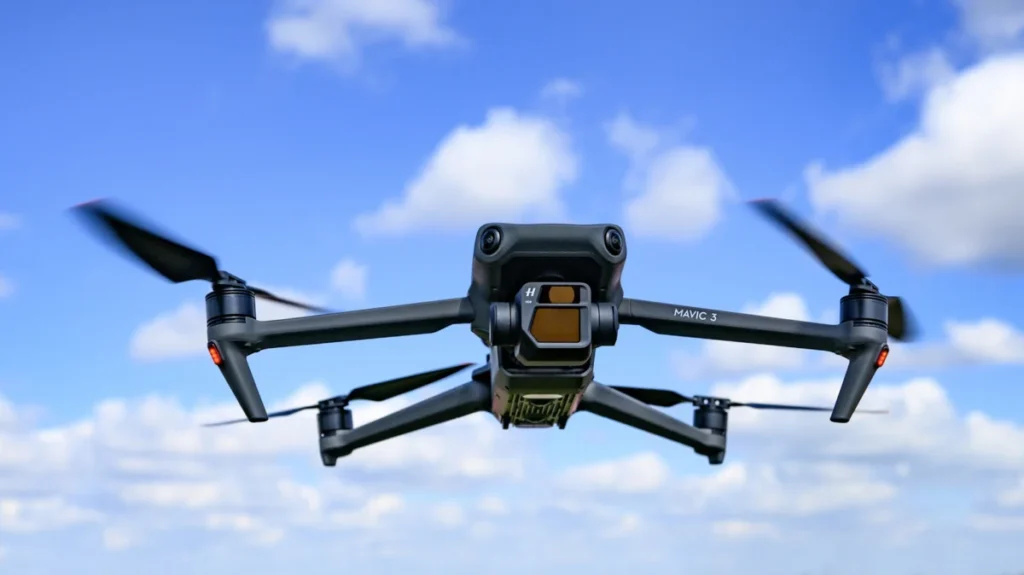
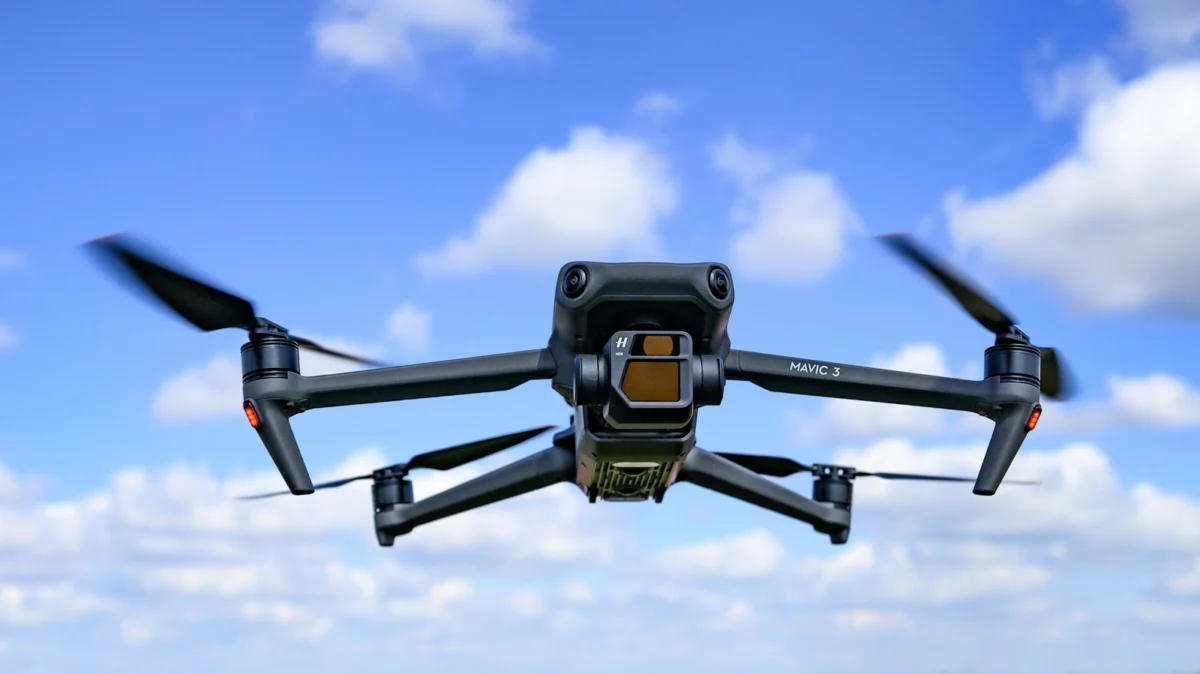
In a significant escalation of its efforts to secure the domestic supply chain against perceived foreign threats, the Federal Communications Commission (FCC) has initiated a new regulatory crackdown targeting entities suspected of circumventing national security restrictions. The agency is now moving to prohibit the importation, marketing, and sale of products from a group of companies alleged to be selling re-shelled or rebranded versions of hardware manufactured by DJI, the Chinese drone giant currently under heavy scrutiny by the U.S. government.
This latest development marks a critical shift in the FCC’s enforcement strategy, moving beyond the initial prohibition of new hardware toward a retroactive enforcement regime that aims to eliminate the "backdoor" entry of blacklisted technologies into the American market.
The Core Allegations: Targeting “Front” Entities
The FCC has identified a cohort of companies that it believes are acting as conduits for DJI technology, effectively bypassing the prohibitions set forth in the agency’s "Covered List." The list, which identifies communications equipment and services that pose an unacceptable risk to U.S. national security, is the primary legal mechanism through which the government has restricted the reach of companies like DJI.
The companies currently under the agency’s microscope include Cogito, Fikaxo, Lyno Dynamics, Skyhigh Tech, Spatial Hover, SZ Knowact, WaveGo, Xtra, and XAG. According to the FCC, these firms are suspected of engaging in the deceptive practice of "re-shelling"—taking core DJI technology, including flight controllers, camera systems, and proprietary software, and housing them in different physical chassis or branding them under obscure labels to evade customs and trade restrictions.
The agency’s proposal is not merely a request for cessation; it is a formal move to ban these entities from participating in the U.S. telecommunications and electronics market entirely.
Chronology: A Timeline of Regulatory Tightening
To understand the gravity of the current situation, one must examine the rapid progression of U.S. policy regarding foreign-made drone technology over the last 18 months.
- December 2025: The FCC officially added a broad range of foreign-made drones and components to the "Covered List." This move effectively barred the importation of new models from companies identified as national security threats, with DJI serving as the most high-profile target. At the time, the agency noted that the rules would primarily apply to new models entering the market.
- October 2025: In a pivotal procedural shift, the commission voted to grant itself the authority to retroactively ban devices. This provided the regulatory framework necessary to target legacy hardware that had been authorized prior to the December expansion of the Covered List.
- July 2026 (Early Month): The FCC initiated punitive action against the aforementioned nine companies, proposing fines of $25,000 each. The fines were issued not necessarily for the hardware itself, but for the companies’ failure to respond to official FCC inquiries regarding their relationship with DJI and their compliance with the Covered List.
- Late July 2026: The FCC escalated its stance, formally proposing an outright ban on the importation and marketing of these companies’ products, citing an "unacceptable risk" to national security.
This trajectory reveals an agency that has grown increasingly frustrated with what it perceives as cat-and-mouse tactics employed by foreign manufacturers attempting to retain their market share in the U.S.
The Mechanics of the Ban: Retroactivity in Action
The most profound aspect of the current proposal is its reach. Previous iterations of the drone ban focused on new, future-facing authorizations. However, the current FCC move specifically targets "previously authorized equipment" that the agency suspects are merely re-shelled versions of legacy DJI products.
By invoking the power granted during the October 2025 vote, the FCC is effectively asserting that it can pull the plug on hardware that was previously deemed safe. This is a rare and aggressive application of regulatory power. The agency argues that if the underlying technology, data-handling protocols, and firmware are essentially DJI’s—a company the U.S. deems a security risk—then the shell or the brand name on the box is irrelevant to the threat profile.
The commission is now in a 30-day public comment period, where it is soliciting "specific evidence" from the public, industry experts, and intelligence analysts to substantiate its claims that these nine companies are, in fact, fronting for DJI.
Official Responses and Industry Friction
The response from the affected parties and the broader industry has been one of significant friction. DJI has remained consistent in its messaging, characterizing the U.S. government’s actions as protectionist rather than security-driven.
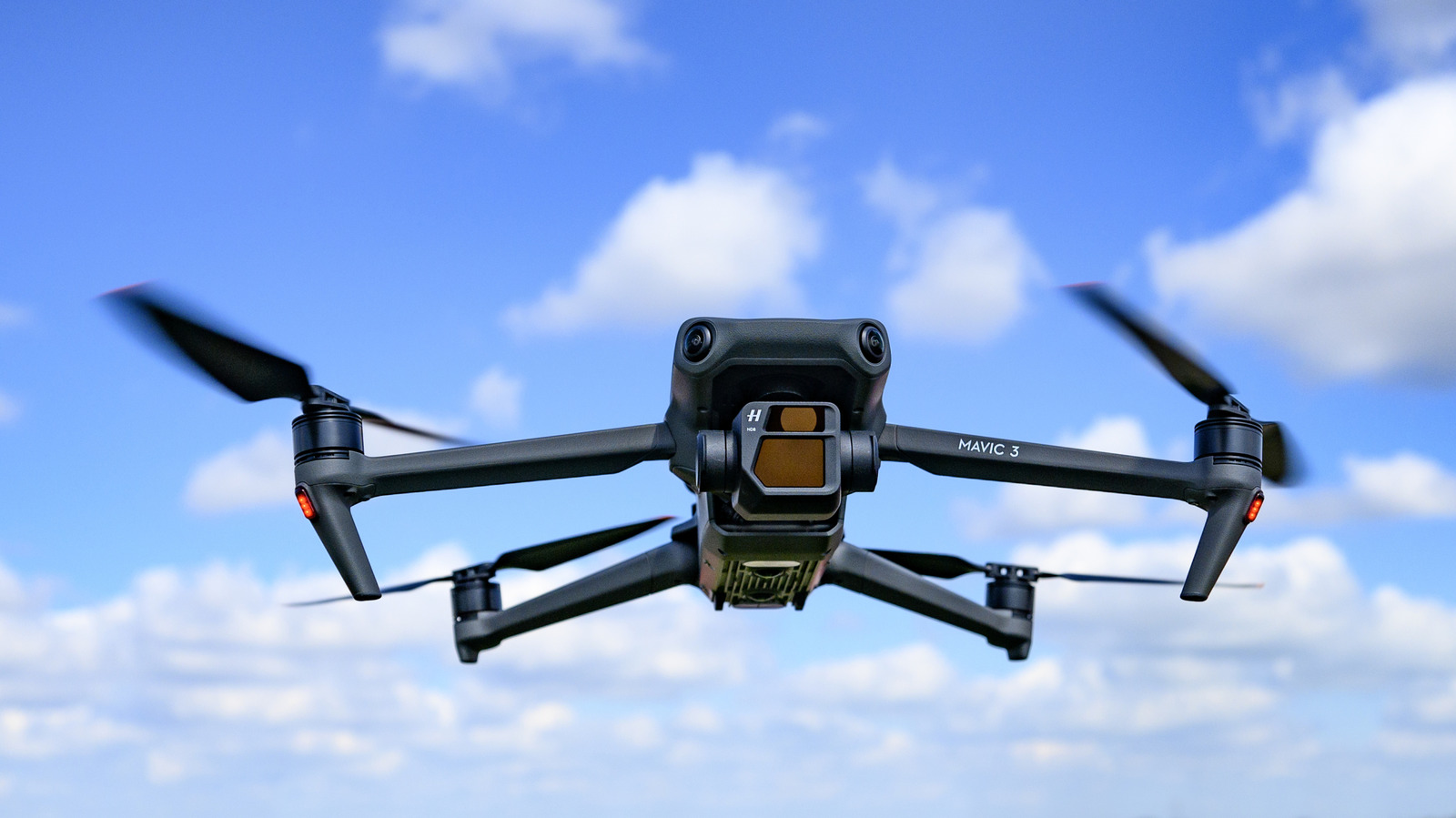
In a statement provided to media outlets, a DJI spokesperson reiterated that the company believes its data security practices have been unfairly maligned. "Concerns about our data security have not been grounded in evidence and instead reflect protectionism, contrary to the principles of an open market," the company stated. DJI maintains that it complies with all international regulations and that the persistent targeting of its products is a geopolitical strategy designed to bolster domestic competitors at the expense of global technological innovation.
The FCC, conversely, maintains that its mandate is strictly focused on the protection of American infrastructure. The agency argues that the potential for these drones to transmit sensitive telemetry data back to servers controlled by adversarial interests is not a hypothetical risk, but a tangible threat that requires the total removal of the hardware from the ecosystem.
Implications: The Future of the Drone Ecosystem
The implications of this crackdown extend far beyond the nine companies currently named.
1. Supply Chain Transparency
The move forces a new era of scrutiny on the drone supply chain. Manufacturers and resellers will now face increased pressure to disclose the origins of their components. If a drone uses a flight controller or a proprietary communication module sourced from a blacklisted entity, the entire product could be deemed non-compliant, regardless of the final assembler’s name.
2. The End of "White Labeling"
For years, the consumer electronics industry has relied on "white labeling"—the practice of buying generic or existing hardware and branding it as one’s own. The FCC’s crackdown signals that this practice is now a high-risk endeavor. Any company acting as a reseller or re-brander of foreign technology must now perform rigorous due diligence to ensure they are not inadvertently distributing prohibited goods.
3. Market Fragmentation
The aggressive enforcement is likely to lead to further market fragmentation. As companies like DJI are pushed out, there is a vacuum in the market for mid-tier, professional-grade drones. While domestic manufacturers are attempting to fill this space, they are often struggling with higher production costs and the challenge of scaling to meet the demand previously satisfied by Chinese manufacturers.
4. A Precedent for Other Sectors
The FCC’s willingness to use retroactive bans sets a powerful precedent. Analysts suggest that this logic—that the origin of the technology matters more than the current label—could be applied to other sectors, such as IoT (Internet of Things) devices, security cameras, and telecommunications infrastructure equipment. If the FCC can retroactively ban a drone, it could theoretically do the same for any connected device deemed a security liability.
Conclusion: A High-Stakes Regulatory Gambit
The FCC’s move to ban companies suspected of selling re-shelled DJI products is a high-stakes gambit. By extending the reach of its national security mandate to include legacy equipment and third-party resellers, the agency is attempting to close the final gaps in its restrictive framework.
However, the effectiveness of this policy will depend heavily on the next 30 days. The agency must present a robust evidentiary trail that justifies the claim that these nine companies are, in fact, masquerading as independent entities to hide their connection to DJI. If the FCC succeeds, it will effectively solidify a "closed-loop" domestic drone market. If it fails to provide sufficient evidence, it may face legal challenges from the affected firms, potentially creating a new battleground in the courts over the extent of the FCC’s regulatory authority.
As the comment period proceeds, the entire electronics industry will be watching. The result will define not only the future of the drone market but also the extent to which the U.S. government is willing to restructure the global supply chain in the name of national security. For the consumer, the outcome is clear: the era of easily accessible, low-cost drones from global conglomerates is rapidly being replaced by a complex, regulated landscape defined by national boundaries and strict compliance.