Beyond the AAA Deluge: Discovering the Hidden Gems of the Indie Scene
In an era defined by the relentless "AAA deluge," where gargantuan, 30-plus-hour experiences dominate headlines and consume the industry’s marketing budget, the quiet corners of the gaming world offer a different kind of nourishment. While major studios push for graphical fidelity and sprawling, open-world checklists, independent developers are busy crafting tightly focused, experimental, and deeply human experiences. This week, we step away from the noise of the mainstream to explore three standout titles that prove why indie development remains the beating heart of creative game design.
I. Mr. Platformer: The Master’s Minimalist Return
It is a rare occasion when the industry witnesses the return of a true visionary. Terry Cavanagh, the mastermind behind the gravity-defying cult classic VVVVVV, has re-emerged with his latest project, Mr. Platformer.
A Study in Mechanical Purity
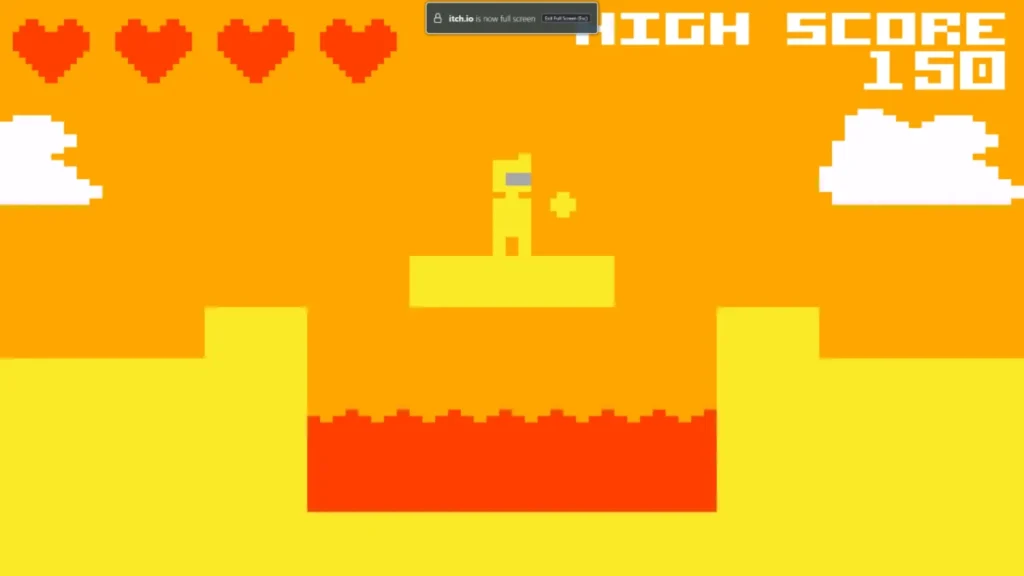
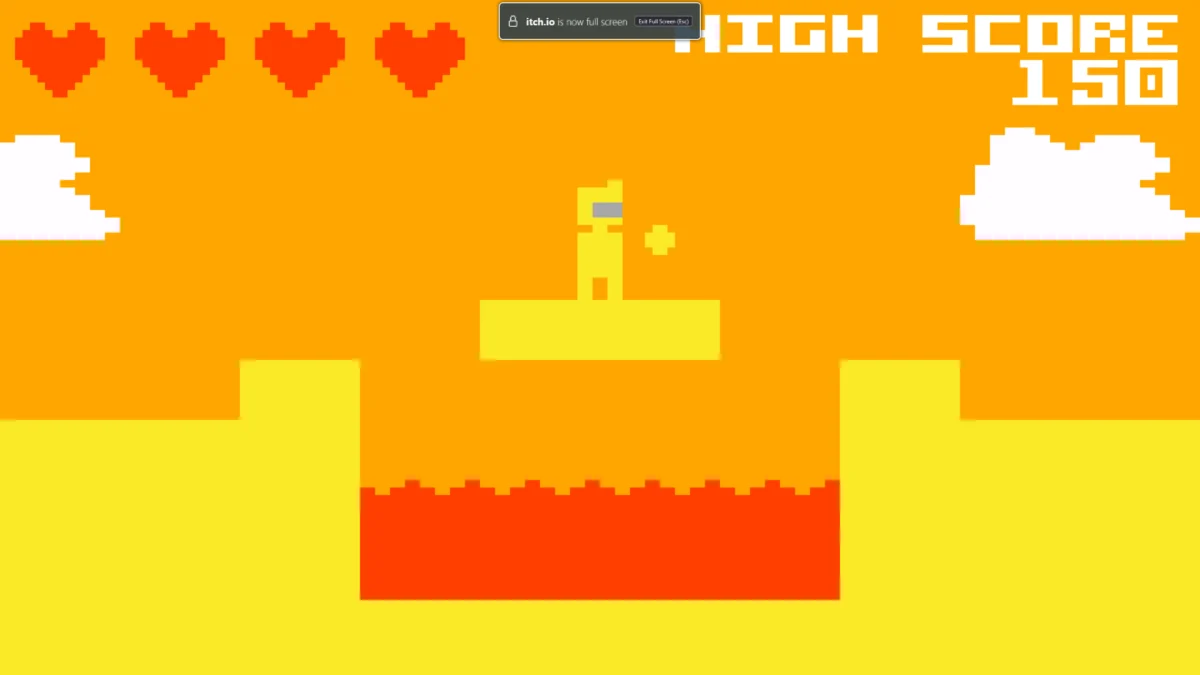
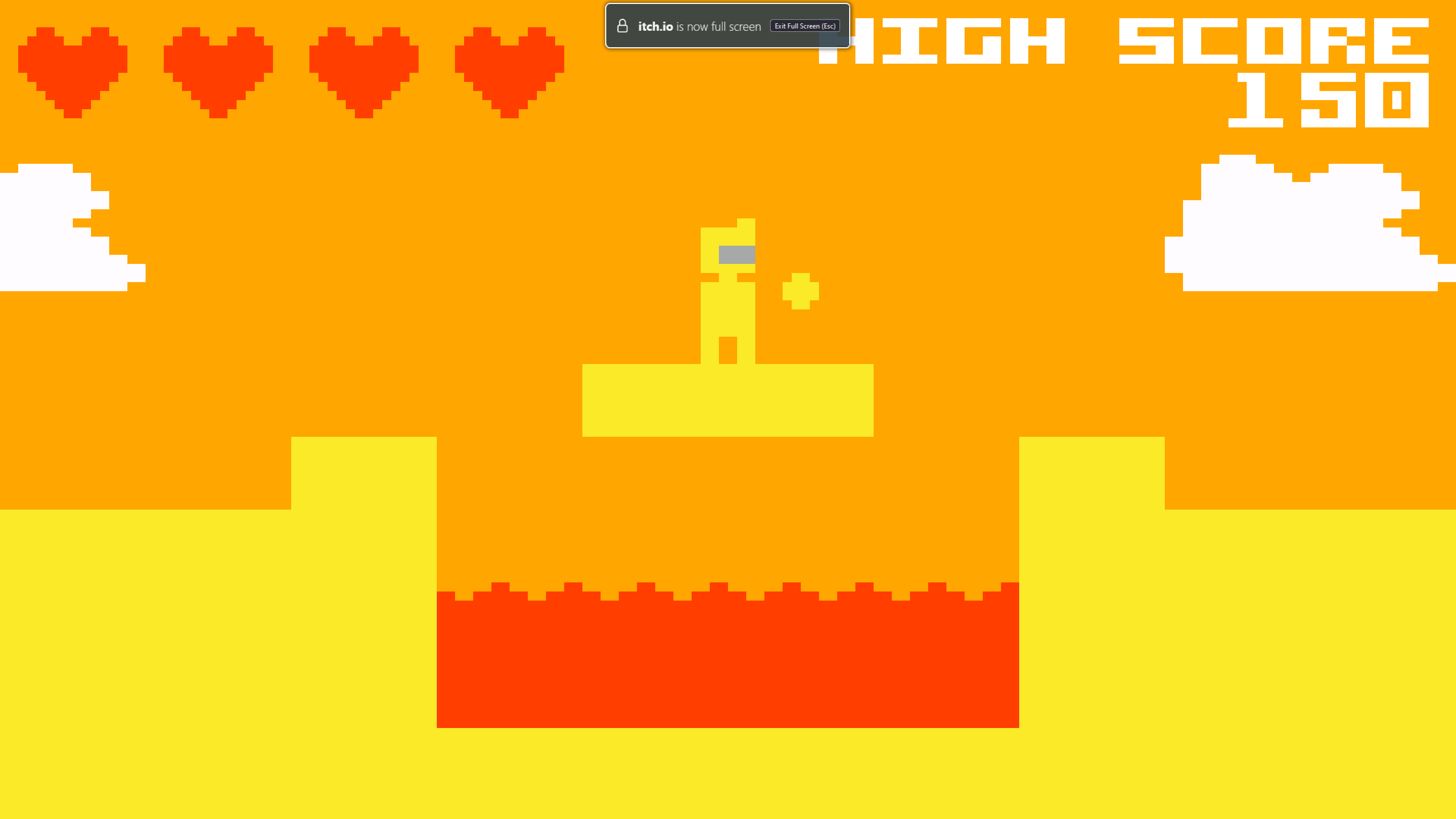
At first glance, Mr. Platformer appears almost deceptively simple. Its title is a blunt, utilitarian description of its core mechanics: running, jumping, and swimming. In a market obsessed with complex systems and endless skill trees, Cavanagh’s choice to strip the experience down to these foundational actions is a bold, deliberate statement. The game operates with a "spartan" philosophy, focusing entirely on the player’s mastery of movement.
However, to dismiss Mr. Platformer as merely a basic platformer is to ignore the subtle brilliance of its level design. As players progress, they quickly realize that the game is hiding a layer of mechanical depth that rewards exploration. Without spoiling the specific nuances of the late-game experience, it is sufficient to say that Cavanagh has once again managed to subvert player expectations. What begins as a straightforward exercise in navigation evolves into a sophisticated test of intuition and discovery.
For those seeking to understand why Cavanagh remains a titan in the indie space, Mr. Platformer serves as a masterclass in how "less is more." It is a testament to the idea that if the core loop is refined to perfection, the game requires no extraneous fluff to leave an indelible mark on the player.
II. Videoverse: A Digital Time Capsule of Connection
If Mr. Platformer is an exercise in mechanical minimalism, Videoverse by Kinmoku is a profound exploration of narrative and nostalgia. Set in a fictionalized version of a bygone era of social media, the game transports players back to a time when digital spaces felt intimate, weird, and inherently human.

The Anatomy of Virtual Community
In Videoverse, players step into the shoes of Emmett, an avid gamer and aspiring artist navigating the social complexities of a fan-run forum. The game meticulously recreates the feeling of the early-2000s internet—a space where connection was built on shared niche interests rather than the algorithmic outrage cycles that define modern platforms.
Kinmoku handles this subject matter with remarkable sensitivity. There is a palpable risk in tackling "the internet" as a narrative setting; it can easily descend into cynicism or historical revisionism. Instead, Videoverse chooses to emphasize the sincerity of its characters. Through Emmett’s interactions with friends and strangers, the game explores themes of personal identity, the evolution of creative passion, and the bittersweet nature of digital legacies.
Aesthetic Mastery
Beyond the writing, Videoverse distinguishes itself through a tonally perfect art style. Drawing inspiration from 90s and 2000s anime, the visuals do not merely mimic the aesthetic—they elevate it. The character designs are highly expressive, allowing for a deep connection between the player and the cast. The visual language is not just a stylistic choice; it serves the narrative by grounding the player in a specific, evocative cultural moment.
The success of Videoverse lies in its ability to be both a period piece and a timeless story about the human need for community. It is a thoughtful, poignant look at the digital spaces we have left behind.
III. TEST TEST TEST: The Unsettling Office Odyssey
The third entry in this week’s curation brings us to the doorstep of Mojiken, a studio that has long deserved greater mainstream recognition for its ability to weave ethereal, heartfelt stories. With TEST TEST TEST, Mojiken pivots toward the unsettling, delivering a short-form adventure that challenges the player’s comfort levels.
The Horror of Corporate Optimization
The premise of TEST TEST TEST is deceptively grounded in the mundane realities of corporate life. The player is employed by the Triquetra Consulting Firm, tasked with testing new software designed to "unlock human potential." As any fan of speculative fiction might suspect, this mission is fundamentally compromised.
The game shines in its environmental storytelling. As the player moves through the sterile, oppressive atmosphere of the office, the narrative unfolds in two parallel tracks: the technical frustrations of software testing and the creeping dread of the company’s true objectives. Mojiken’s strength has always been in the "otherworldly," and here, they apply that touch to the corporate machine, turning a standard office setting into a stage for a surreal and claustrophobic experience.
Why Mojiken Matters
The industry is often quick to praise massive, sprawling horror epics, yet TEST TEST TEST manages to cultivate a sense of unease in under an hour that many 40-hour titles fail to achieve. It is a triumph of pacing and tone. For those who have followed Mojiken’s trajectory, this game represents a fascinating evolution—a sharpening of their thematic blades that signals a studio operating at the height of its creative powers.
IV. Implications: Why the Indie Sector is Thriving
The existence of games like Mr. Platformer, Videoverse, and TEST TEST TEST highlights a vital divide in the contemporary gaming landscape. While AAA titles provide the spectacles, the indie sector provides the soul.
The Shift Toward Intentionality
The "deluge" of massive games often forces players into a state of completionist fatigue. In contrast, the titles highlighted this week are designed with high levels of intentionality. They do not demand hundreds of hours of repetitive grinding; they demand the player’s full, focused attention for a concentrated burst of quality.
Industry data from platforms like itch.io suggests a growing appetite for these "boutique" experiences. Players are increasingly prioritizing unique artistic visions over technical bloat. Developers like Terry Cavanagh, Kinmoku, and the team at Mojiken are proving that there is a sustainable, and perhaps even more loyal, audience for games that prioritize artistic identity and thematic coherence.
Official Responses and Community Reception
The reception to these titles—both from critics and the players themselves—has been overwhelmingly positive. The community dialogue surrounding Videoverse, for instance, has been particularly touching. Kinmoku has engaged directly with fans on social forums, acknowledging that the game’s success lies in the shared nostalgia of its player base.

Similarly, the discourse surrounding Mojiken reflects a growing movement within the gaming community to champion "art-house" studios. Users often express shock that these developers do not receive the same level of mainstream coverage as major publishers, leading to grassroots campaigns where fans promote these games to ensure they reach a wider audience. This community-driven discovery process is perhaps the most healthy trend in the current gaming climate.
V. Conclusion: A Call to Action
The "AAA deluge" will continue, and there is certainly a place for those massive, sprawling experiences. However, we must not allow the noise of the mainstream to drown out the brilliance of independent creators.
Mr. Platformer reminds us of the joy of mechanical mastery. Videoverse serves as a poignant reminder of the humanity found in digital connection. TEST TEST TEST proves that a short, unsettling experience can resonate just as deeply as a thousand-page epic.
This week, we encourage you to step off the beaten path. Support these creators, explore their catalogs, and engage with the stories that don’t need a hundred-million-dollar budget to change your perspective. After all, the best stories are often the ones told in the quietest voices.
What hidden gems have you discovered lately? The conversation is only as good as your contributions—join the discussion in the comments below.