Breakthrough in Cancer Immunotherapy: Kobe University Researchers Develop Off-the-Shelf Gamma-Delta T Cells
In a significant stride toward revolutionizing cancer treatment, researchers at Kobe University have successfully engineered "off-the-shelf," mass-producible gamma-delta ($gammadelta$) T cells derived from induced pluripotent stem cells (iPSCs). This breakthrough, published in the journal Stem Cell Reports, offers a potential solution to the logistical, financial, and clinical limitations that have long hampered current CAR T-cell therapies. By demonstrating that these cells can effectively shrink patient-derived colorectal cancer (CRC) tumors in preclinical mouse models, the team has opened a new pathway for scalable, standardized immunotherapy.
Main Facts: A New Paradigm for Immunotherapy
The study, led by Dr. Takashi Aoi, addresses one of the most persistent bottlenecks in modern oncology: the transition from personalized, autologous treatments to universal, allogeneic "off-the-shelf" therapies.
Current CAR T-cell therapies, while life-saving for certain liquid malignancies, rely on extracting a patient’s own immune cells, genetically modifying them, and re-infusing them. This process is inherently "bespoke"—it is time-consuming, prohibitively expensive, and often fails to address the complex microenvironments of solid tumors.
The Kobe University team pivoted to $gammadelta$ T cells, a unique subset of T lymphocytes that constitute a small fraction (3–5%) of peripheral blood. Unlike conventional T cells, $gammadelta$ T cells recognize cancer cells in an MHC-unrestricted manner. This means they do not require the specific "match" between donor and recipient that usually leads to graft-versus-host disease, making them ideal candidates for universal, donor-agnostic therapies. However, because these cells are rare in the human body and notoriously difficult to expand in laboratory settings, their clinical utility has remained largely theoretical—until now.
The Chronology of Discovery
The path to this achievement involved overcoming the fundamental biological hurdles of cellular differentiation and mass production.
Phase 1: Overcoming the Expansion Barrier
The research team first focused on the difficulty of harvesting sufficient quantities of $gammadelta$ T cells. Recognizing that direct expansion was unfeasible, they utilized iPSC technology. By reprogramming existing $gammadelta$ T cells into iPSCs, they created a "bankable" source of cells. These iPSCs possess the capacity for infinite self-renewal, allowing for a massive reservoir of potential T cells.
Phase 2: Feeder-Free, Serum-Free Differentiation
A critical milestone in the study was the development of a protocol to differentiate these iPSCs back into mature, functional $gammadelta$ T cells. In a landmark achievement, the team successfully performed this process under "feeder-free" and "serum-free" conditions. Eliminating animal-derived components is a regulatory and safety necessity for any product intended for eventual human clinical use. The researchers reported an 80,000-fold multiplication of these cells, providing a scalable framework for clinical manufacturing.
Phase 3: Preclinical Validation
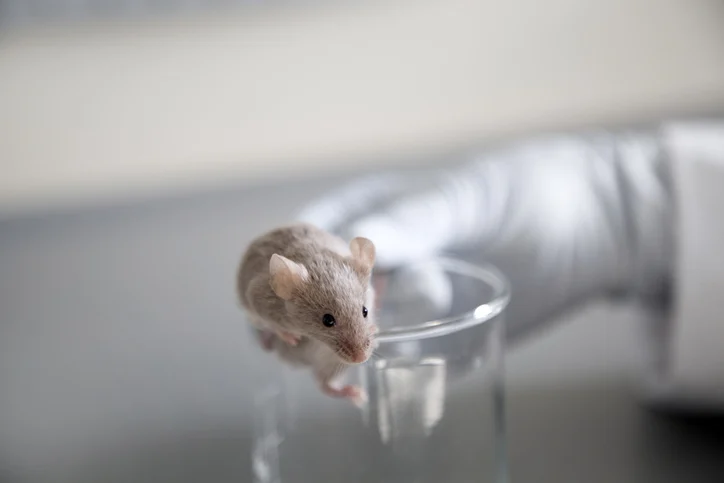
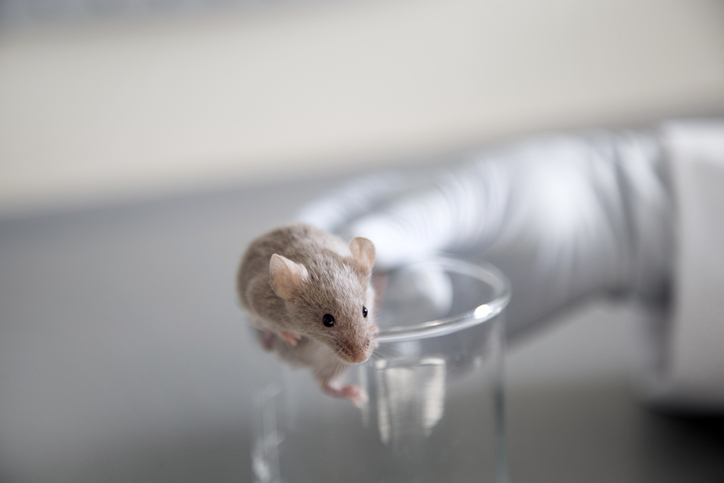
With a robust supply of iPSC-derived $gammadelta$ T cells (i$gammadelta$T cells) in hand, the team moved to in vitro and in vivo testing. They evaluated the cells against human patient-derived colorectal cancer organoids—a model far more representative of real-world cancer biology than traditional, static cell lines. Following this, they initiated in vivo studies using colorectal cancer xenograft models in mice to observe the therapeutic efficacy of the cells in a living system.
Supporting Data: Efficacy and Tumor Regression
The quantitative results reported by Dr. Aoi and his team are compelling. In their xenograft models, the i$gammadelta$T cells demonstrated significant cytotoxic activity.
- Tumor Weight Reduction: In treated mice, tumor masses were reduced by up to 88% compared to control groups.
- Systemic Efficacy: To test the cells’ ability to home to tumor sites, the researchers administered the i$gammadelta$T cells intravenously one week after tumor implantation. Even with this delayed, systemic delivery, the treated mice showed tumor weight reductions of 43%, 82%, and 92% across the cohort.
- Safety and Standardization: The ability to achieve these results without animal-derived reagents proves the feasibility of a standardized, GMP-compliant (Good Manufacturing Practice) production pipeline.
First author Dr. Ryoko Futai emphasized the importance of the patient-derived organoid testing. "Cancers from cell culture lines don’t have the same drug insensitivities as actual cancers and also don’t emulate the physical barriers that actual tumors have," Dr. Futai noted. By utilizing patient-derived organoids, the team ensured their results were not merely an artifact of simplified laboratory models, but a reflection of how these cells might behave within the heterogeneous environment of human colorectal cancer.
Official Perspectives and Expert Commentary
The research team remains cautious, emphasizing that while the results are a "robust preclinical evidence" of efficacy, they are not yet ready for human trials.
"This study is a preclinical investigation demonstrating the potential using iPS cell-derived T cells and is not yet at a stage where it can be used on patients," Dr. Futai stated. Despite this, the team is optimistic about the trajectory of their research. Dr. Aoi highlighted the broader vision: "Based on our experience with iPS cells, we thought that we could approach this issue by creating such easily storable and growable cells… and only turning them back into T cells when actually needed."
The scientific community has noted the significance of these findings, particularly regarding the "heterogeneity" of colorectal cancer. Because CRC is known for its high variability between patients, the potential to create a uniform, potent therapy that can be administered as an "off-the-shelf" product could significantly decrease the time between diagnosis and treatment—a critical factor for survival in aggressive solid tumors.
Future Implications: Toward Universal Immunotherapy
The implications of this study reach far beyond colorectal cancer. The team is already looking at the next steps, which include:

1. Combating Solid Tumor Barriers
Solid tumors have historically been "cold" to immune attacks, guarded by dense physical barriers and immunosuppressive microenvironments. The success of the i$gammadelta$T cells in penetrating and shrinking these tumors suggests that these cells may have inherent properties that allow them to bypass or degrade these defenses more effectively than standard CAR T-cells.
2. The Synergy of CAR Engineering
Dr. Aoi noted that the team intends to combine their current approach with advanced cell modification techniques, such as Chimeric Antigen Receptor (CAR) therapy. By supercharging these already potent $gammadelta$ T cells with specific receptors targeting tumor-associated antigens, the efficacy of the treatment could be increased exponentially. This "CAR-i$gammadelta$T" strategy represents the next frontier in the race to cure solid tumors.
3. Elucidating Tumor Variability
Because the i$gammadelta$T cells can be produced in large, standardized batches, they offer a unique tool for researchers to study cancer variability. By subjecting these consistent immune cells to various patient-derived cancer samples, scientists can map exactly why certain cancers respond and others remain resistant, allowing for a more data-driven approach to precision medicine.
4. Economic and Logistical Transformation
The current cost of autologous CAR T-cell therapy, often exceeding hundreds of thousands of dollars per patient, is a major barrier to global healthcare access. By moving to an allogeneic, mass-produced model, the Kobe University team is laying the groundwork for a future where immunotherapy is as accessible as standard chemotherapy or antibody-based biologics.
Conclusion
The work of Dr. Aoi and his colleagues at Kobe University marks a pivotal shift in the evolution of cellular immunotherapy. By solving the dual challenges of cell scarcity and the need for personalized manufacturing, they have provided a scalable, potent, and scientifically rigorous foundation for the next generation of cancer treatment. While the transition from the laboratory to the clinic will require rigorous safety testing and long-term trials, the successful suppression of human-derived tumors in preclinical models provides a beacon of hope for patients facing the challenge of solid-tumor cancers. As the research moves toward clinical translation, the prospect of an "off-the-shelf" cure for colorectal cancer and beyond appears more tangible than ever before.