Streamlining Game Distribution: itch.io Integrates Butler CLI into Official Desktop App
In a significant move to lower the barrier to entry for independent developers, itch.io has announced a major upgrade to its official desktop application. The platform has officially integrated "Butler"—its powerful command-line interface (CLI) for file management—directly into the itch.io app via a user-friendly Graphical User Interface (GUI). This development marks a pivotal shift in how creators manage their game updates, moving from a previously technical, terminal-based workflow to an intuitive, visual experience.
Main Facts: The Evolution of Game Deployment
For years, the itch.io platform has relied on Butler as the gold standard for uploading game builds. Unlike traditional browser-based uploads, which require developers to package and upload entire game folders or archives repeatedly, Butler functions through a sophisticated patching system. When a developer pushes an update, Butler compares the local files against the previous version, identifying only the specific data that has changed. It then transmits only those "deltas," or patches, to the server.
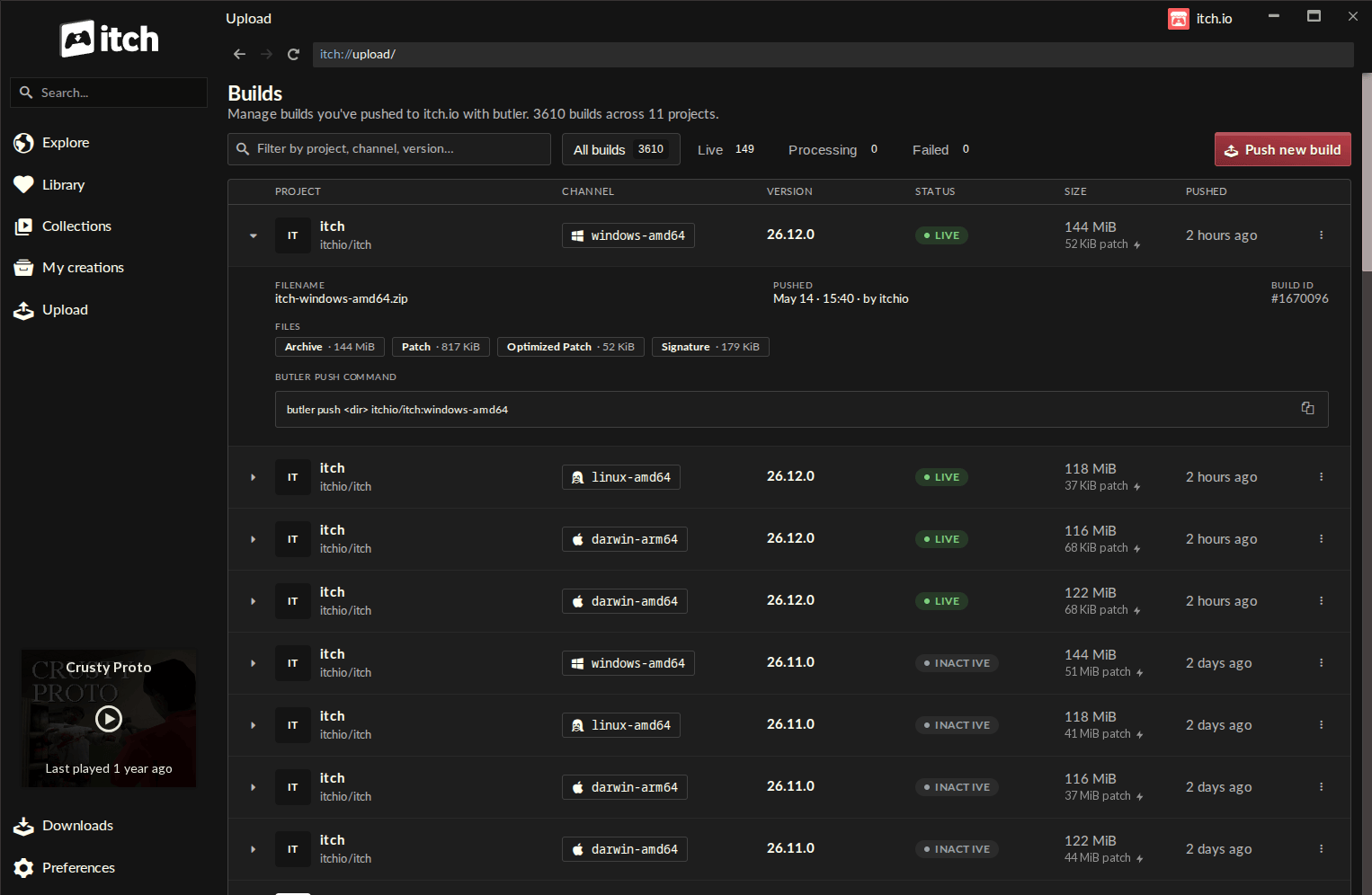
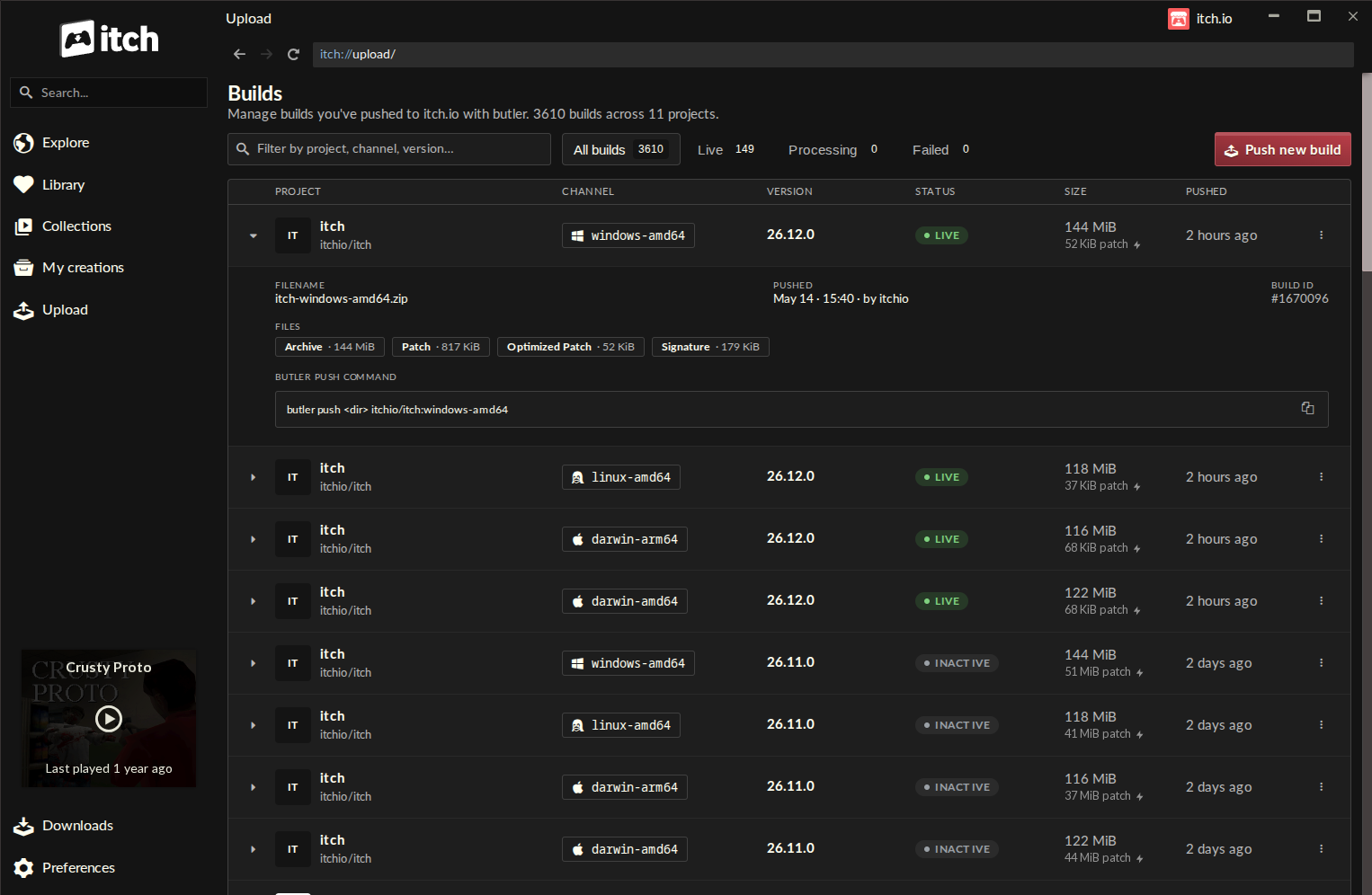
The integration of this technology into the itch.io app (starting with version v26.12.0) removes the requirement for developers to interact with command-line prompts. The new "Upload" section within the application sidebar allows users to drag and drop folders or ZIP files, select project channels, and trigger updates with a few clicks. Furthermore, the application handles the versioning of the Butler tool itself, ensuring that users are always operating with the most current, secure, and optimized software without the need for manual maintenance.
Chronology: From Terminal to Interface
The journey of Butler from a niche developer tool to a core component of the itch.io ecosystem reflects the platform’s ongoing commitment to creator accessibility.
- The CLI Era: Initially, Butler was designed solely as a CLI tool. It was lauded by power users for its speed and efficiency, particularly for games with frequent, small updates. However, it created a steep learning curve for developers who lacked experience with terminal environments, often resulting in "fiddly" or fragile workflows for beginners.
- The Development Phase: Recognizing the frustration expressed by a segment of their community, the itch.io engineering team began working to wrap the underlying Butler logic into the existing desktop application. The goal was to maintain the efficiency of delta-patching while providing the visual feedback of a modern GUI.
- The Release: With the rollout of
v26.12.0, the "Upload" tab was introduced. This release was accompanied by a comprehensive "Builds" dashboard, providing a centralized view of all project channels, version histories, and current file statuses across a developer’s portfolio.
Supporting Data: Why Delta-Patching Matters
The shift to a GUI-based Butler is not merely about aesthetic convenience; it is fundamentally about bandwidth efficiency and user experience.
Bandwidth and Speed
When a developer pushes a multi-gigabyte project using standard browser uploads, both the developer and the end-user are forced to transmit or download the entire file again, even if only a few lines of code or a single texture file were modified. Butler’s patch-based system mitigates this by:
- Reducing Upload Times: Only changed data is pushed to the server.
- Optimizing Server Performance: Once a patch is received, itch.io servers automatically re-compress and optimize the data, ensuring the smallest possible footprint.
- Enhancing Player Retention: For the end-user, the itch.io app automatically downloads these optimized patches rather than the full game, allowing for near-instantaneous updates.
The "Builds" Dashboard Transparency
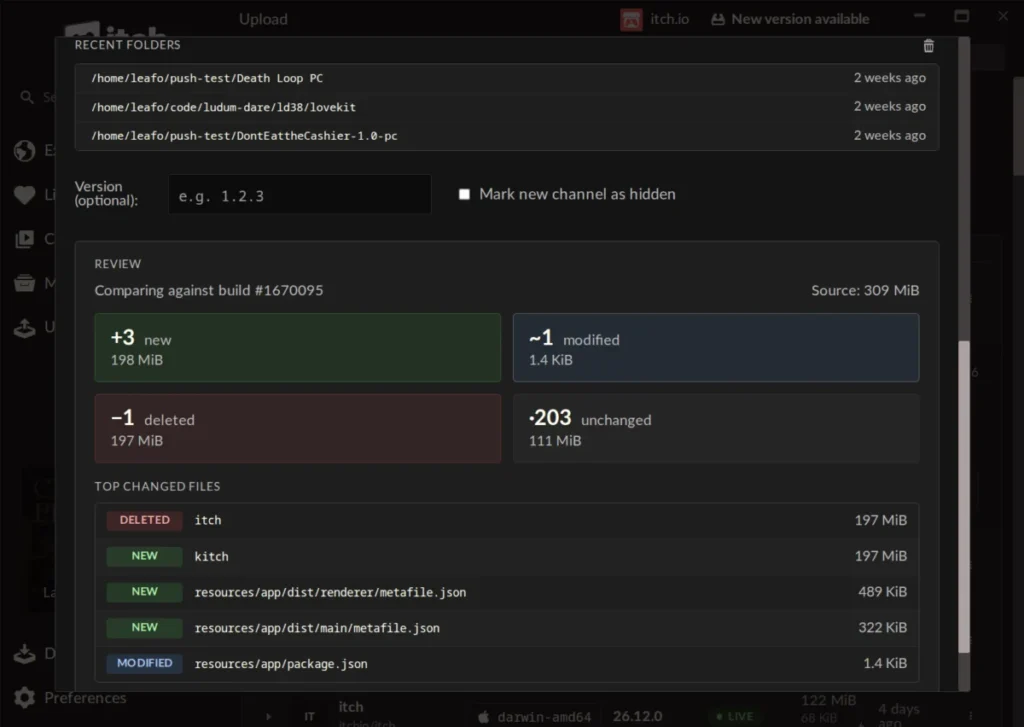
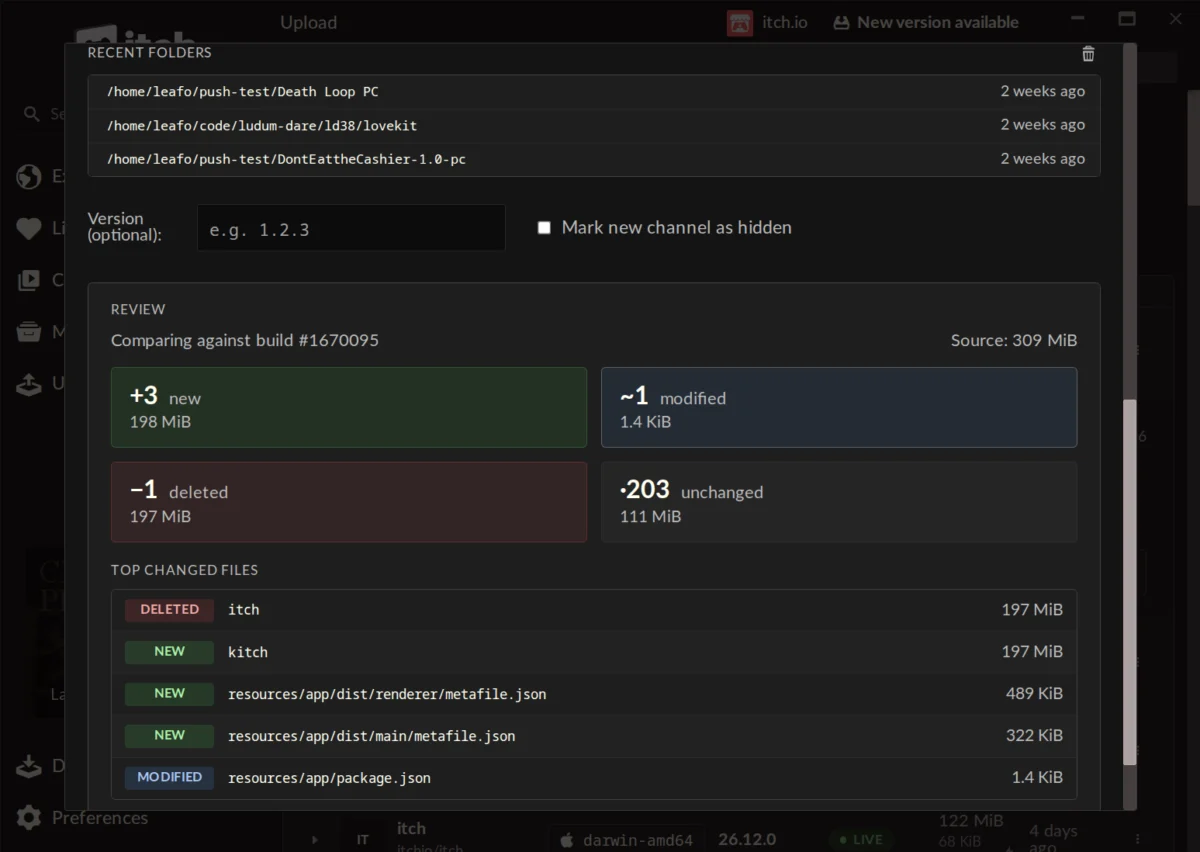
The new interface provides granular insights into the deployment process. Before a push is finalized, the app generates a "diff" summary. This report displays:
- File Changes: A count of new, modified, deleted, and unchanged files.
- Size Estimates: The specific data footprint of the proposed update.
- Error Prevention: By listing the largest modified files, developers can spot potential issues (such as unintentionally including massive temporary assets) before the upload begins, significantly reducing the risk of "broken" builds.
Official Responses and Developer Feedback
The response from the itch.io community has been largely positive, highlighting a blend of technical relief and requests for future expansion.
The Developer Perspective
Many independent developers have noted that the GUI version of Butler makes the "fragile" nature of previous manual uploads a thing of the past. One developer remarked, "The self-enforcing nature of the Compare step means I almost literally can’t mess it up, even as a noob to the app."
Official Clarifications
In a thread regarding the transition to the new system, itch.io creator Leaf Corcoran addressed a common query regarding the migration of existing games. When asked if a game not originally uploaded via Butler could be converted to the new system, Corcoran clarified:
"Unfortunately, it’s not possible right now, as a Butler push needs additional metadata alongside the file that’s computed when you’re uploading. This could be something we add in the future, but [there are] no immediate plans at the moment."
This transparency underscores the platform’s commitment to maintaining the integrity of the patching system, ensuring that data consistency is prioritized over quick-fix migrations.
Implications: A More Accessible Ecosystem
The integration of Butler into the itch.io desktop app has broader implications for the indie game development landscape. By democratizing the use of professional-grade deployment tools, itch.io is positioning itself as a more robust competitor to other digital distribution platforms.
Lowering the Barrier to Entry
By removing the "terminal barrier," itch.io is encouraging a wider demographic of creators—including digital artists, modders, and hobbyists who may not have formal computer science training—to adopt professional deployment habits. This leads to a higher quality of content on the platform, as developers are more likely to push frequent, stable updates if the process is frictionless.
Professionalization of Indie Workflows
The inclusion of a multi-profile management system within the app also supports "studio-scale" workflows. Developers managing multiple projects, or those collaborating across different accounts, can now switch between identities within the app, pushing builds to various projects with the appropriate credentials instantly.
Future Outlook
While the current update focuses on the deployment of game builds, the underlying architecture sets the stage for further enhancements. The community has already begun lobbying for more advanced features, such as the ability to exclude specific tags from searches—a testament to the fact that as the tool becomes more powerful, the user base becomes more engaged.
In conclusion, the integration of Butler into the itch.io app is a milestone in the platform’s history. It effectively bridges the gap between high-performance technical deployment and user-centric design. For the average developer, the result is simple: faster uploads, more stable versions, and a significant reduction in the "fiddly" maintenance that has historically defined the indie publishing experience. As the platform continues to evolve, this commitment to reducing friction will likely serve as a blueprint for other digital storefronts looking to empower their creator communities.