Expanding the Edge: AWS Deepens Global Infrastructure with Regional Communities and the Launch of the Athens Local Zone


Main Facts
Amazon Web Services (AWS) has officially announced the launch of a new AWS Local Zone in Athens, Greece, marking a significant expansion of its cloud infrastructure footprint in Europe, the Middle East, and Africa (EMEA). This strategic deployment is designed to bring high-performance, low-latency computing infrastructure directly to major metropolitan and industrial hubs, bridging the gap between centralized cloud capabilities and the physical locations where data is generated and consumed.
Significantly, the Athens Local Zone is only the second Local Zone in the entire EMEA region to feature native, integrated support for Amazon Simple Storage Service (Amazon S3) and Amazon Elastic Block Store (Amazon EBS) Local Snapshots. This technical capability allows enterprises and public sector organizations to store, process, and snapshot data entirely within the borders of Greece. By enabling local data processing and in-country storage, the new infrastructure directly addresses stringent local data residency and sovereignty requirements that have traditionally hindered cloud adoption for heavily regulated industries.
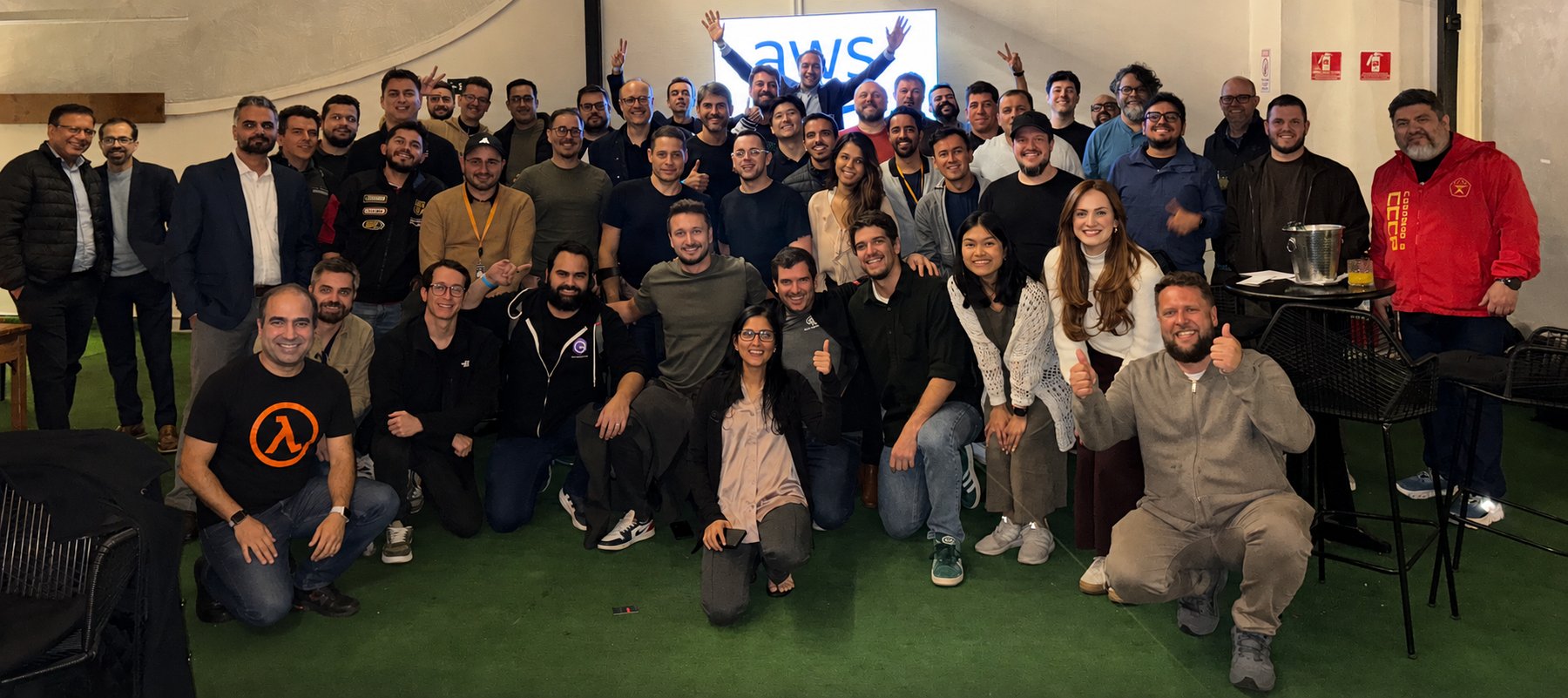
The infrastructure rollout coincides with vibrant community engagement across global tech ecosystems. Recent regional tech summits—most notably a high-profile gathering of technical builders in São Paulo, Latin America—underscore AWS’s dual commitment: advancing core infrastructure while simultaneously nurturing the human networks that design, build, and deploy modern cloud architectures.
Chronology of Events
To understand the trajectory of AWS’s edge expansion and community-driven initiatives, it is helpful to look at the timeline of recent developments leading up to the Athens Local Zone deployment:
- Mid-July 2026: AWS hosts regional technical leadership and builder summits, including prominent gatherings in Latin America, focusing on deep-dive workshops, architectural whiteboarding sessions, and cross-industry collaboration.
- Late July 2026: Preparatory announcements are circulated regarding upcoming edge infrastructure capabilities tailored for Mediterranean and Southern European markets.
- Early August 2026: AWS officially inaugurates the Athens Local Zone in Greece, deploying advanced compute instances (including C7i, M7i, and R7i instance families) alongside localized S3 storage classes and EBS support.
- Present Week: Industry analysts, technical writers, and the broader AWS Builder community review the implications of the Athens launch, highlighting its impact on data residency compliance and single-digit millisecond latency delivery for end-users across Southeastern Europe.
Supporting Data and Technical Architecture
The technical specifications of the Athens Local Zone highlight AWS’s strategy of packing enterprise-grade cloud performance into localized, edge-centric deployment models.

Compute and Storage Specifications
The Athens Local Zone introduces high-powered compute and storage options optimized for demanding, latency-sensitive applications:
- Amazon EC2 Instances: The facility supports modern, high-performance general-purpose and compute-optimized instances, specifically C7i, M7i, and R7i virtual machine families, powered by custom Intel processors designed for heavy computational workloads.
- Amazon S3 Integration: The infrastructure features the One Zone-Infrequent Access storage class, providing cost-effective, durable storage for data that does not require multi-AZ redundancy while maintaining strict in-country boundaries.
- Amazon EBS and Local Snapshots: Customers can leverage EBS volumes for low-latency block storage, backed by local snapshot capabilities that ensure data protection workflows operate entirely within Greek jurisdiction.
- Containerization Support: Native integration with Amazon Elastic Container Service (Amazon ECS) allows developers to deploy and scale containerized microservices locally without routing traffic back to a distant parent region.
Geographic and Latency Metrics
By positioning compute and storage nodes directly within the Athens metropolitan hub, AWS eliminates the long-haul network transit times typically associated with connecting to distant regional data centers (such as those in Frankfurt or Dublin). The resulting infrastructure delivers single-digit millisecond latency to end-users throughout the region. This performance profile is essential for modern use cases that cannot tolerate network jitter or propagation delay.
Industry Implications and Use Cases
The opening of the Athens Local Zone unlocks transformative potential across multiple vertical industries where latency and data sovereignty are paramount.
Financial Services
Banking institutions, fintech startups, and payment processors operating in Greece face rigorous regulatory frameworks regarding financial data handling and cross-border data transfers. The Athens Local Zone enables these organizations to execute real-time algorithmic trading, fraud detection, and transactional processing locally while remaining fully compliant with European regulatory mandates.
Healthcare and Life Sciences
Medical providers, pharmaceutical companies, and health tech firms handle sensitive patient records and genomic data. Under local privacy laws, keeping this data within national borders is non-negotiable. The ability to utilize Amazon S3 and EBS snapshots locally means healthcare providers can analyze patient data, run diagnostic imaging workloads, and maintain electronic health records securely on AWS without violating data residency statutes.
Media Production and Broadcasting
Modern media workflows—ranging from high-definition video rendering to live sports broadcasting and remote post-production—require massive data throughput and minimal latency. Production houses in the Mediterranean can now render visual effects and stream high-bandwidth content locally, coordinating assets seamlessly without the bottlenecks of transcontinental data transfers.
Real-Time Gaming and Interactive Media
For online multiplayer gaming platforms and real-time interactive applications, user experience depends heavily on ping times. Single-digit millisecond latency provided by the Athens Local Zone ensures responsive, lag-free gameplay for participants across Greece and the broader Balkan region, leveling the playing field for digital entertainment companies.
The Human Element: Community, Collaboration, and the Builder Ecosystem
While physical infrastructure and low-latency silicon form the backbone of modern cloud computing, AWS executives and community leaders consistently emphasize that technology is only as effective as the community wielding it.
Recent developer gatherings—such as the three-day technical intensive in São Paulo that brought together hundreds of builders from across Latin America—demonstrate the vital role of in-person collaboration. These events, characterized by whiteboard architecture sessions, coffee-fueled debugging debates, and hands-on workshops, serve as incubators for innovation.
When technical builders step away from isolated development environments and engage directly with peers, customer success stories, and partner ecosystems, they return to their organizations with broader perspectives and more resilient system designs. The intersection of robust, hyper-local infrastructure—like the new Athens Local Zone—and a globally connected, highly engaged builder community creates a powerful flywheel for digital transformation. By removing physical distance as a barrier to performance, and fostering collaboration to remove conceptual barriers to innovation, AWS continues to shape the future of enterprise technology on a global scale.