From Paperweight to Productivity: How "Wormhole Display" Resurrects the Abandoned Meta Portal
Introduction: The Ghost in the Machine
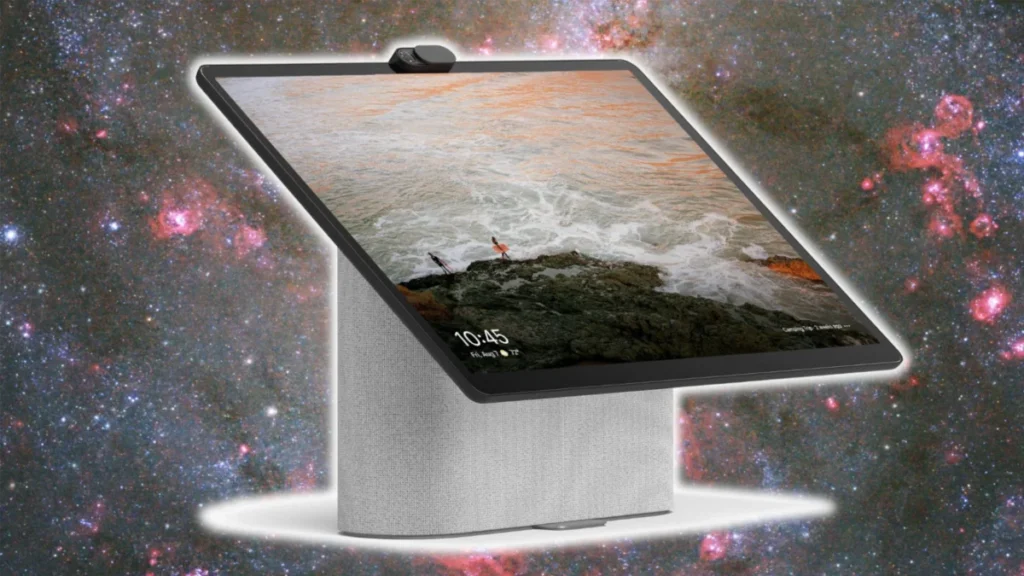
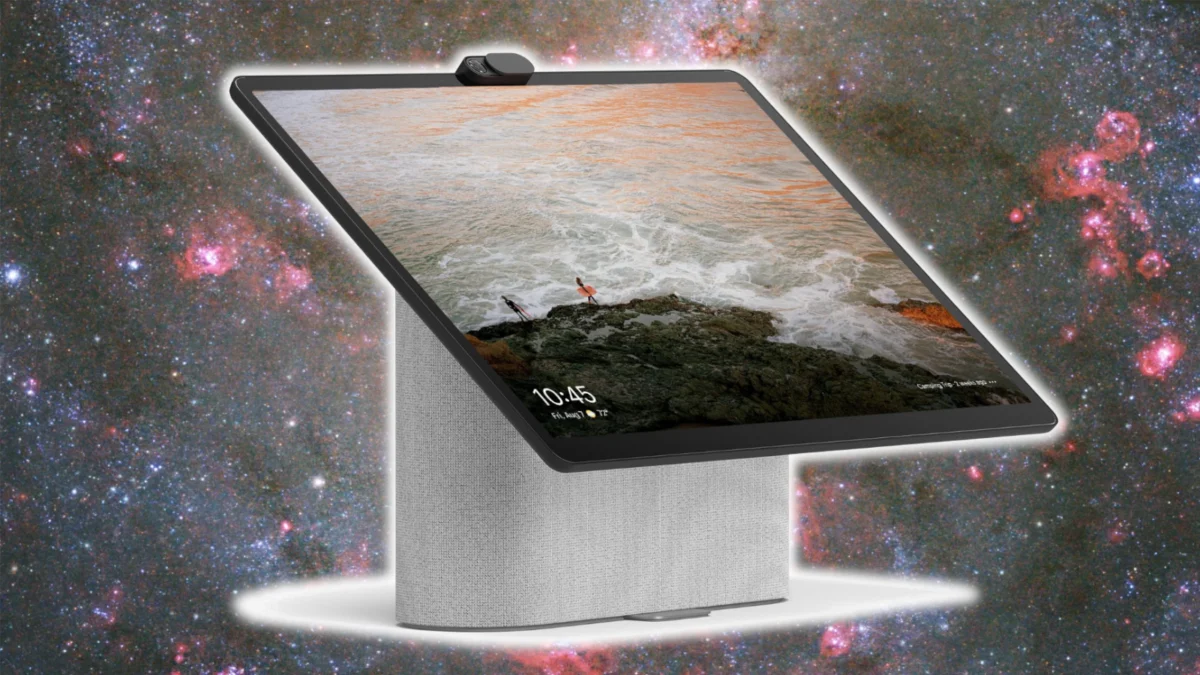
In the fast-moving landscape of consumer electronics, the lifespan of a product is often dictated not by the durability of its hardware, but by the whim of its manufacturer. Nowhere is this more apparent than in the story of the Meta Portal. Once hailed as the future of home communication—a dedicated device designed to bridge the distance between families through high-fidelity video calling—the Portal line was unceremoniously abandoned by Meta in 2022. For thousands of consumers, these devices shifted almost overnight from "smart home essentials" to glorified paperweights.
However, the ethos of the maker community dictates that hardware should never truly die. A new project, Wormhole Display, developed by GitHub user [pgodlews], has emerged as a beacon for those who refuse to let their functional screens go to waste. By leveraging the underlying Android architecture of the Meta Portal, this project transforms an obsolete video-calling terminal into a versatile, wireless secondary display for the Apple ecosystem. This article explores the technical rebirth of the Portal, the implications of hardware abandonment, and the growing movement to reclaim proprietary devices.
The Rise and Fall of the Meta Portal: A Chronology
The Ambition (2018–2020)
When Meta (then Facebook) introduced the Portal in 2018, the goal was to dominate the "smart screen" market. Unlike the Amazon Echo Show or Google Nest Hub, the Portal focused heavily on high-quality video optics, featuring AI-powered cameras that could automatically pan and zoom to keep the user in the frame. The hardware was premium, featuring crisp displays and capable speaker systems, wrapped in a proprietary, locked-down version of the Android operating system.
The Pivot and Abandonment (2021–2022)
As the global landscape shifted and Meta’s strategic focus pivoted toward the "Metaverse," the hardware division saw significant restructuring. In June 2022, reports confirmed that Meta was halting the production of the consumer-facing Portal line. By the end of the year, support was effectively wound down. The devices remained functional for existing users, but the "smart" features—reliant on Meta’s cloud infrastructure—rendered them increasingly fragile. As software updates ceased, users found themselves with hardware that was physically excellent but digitally hollow.
Unlocking the Hardware: The "Wormhole" Approach
The Technical Reality of the Portal
At their core, Meta Portals are essentially Android tablets stripped of the Google Play Store and access to the wider Android ecosystem. The hardware consists of a touchscreen, a camera, a microphone array, and speakers, all powered by an SoC (System on a Chip) capable of decent video decoding. Because the devices use the Android kernel, they are susceptible to the Android Debug Bridge (ADB), a command-line tool that allows developers to communicate with an Android device.
By enabling ADB, users can bypass the restrictive Meta interface to sideload custom applications. This is the foundation of [pgodlews]’s Wormhole Display.
What is Wormhole Display?
Wormhole Display is an APK (Android Package) that, when installed on a Meta Portal, turns the device into an AirPlay server. AirPlay is Apple’s proprietary protocol for streaming video and audio between devices. By installing this software, the Portal begins to "broadcast" itself as a destination for your Mac, iPhone, or iPad.
Once connected, the Portal acts as a secondary screen. Users can mirror their primary monitor or extend their desktop across the Portal’s screen. This is particularly useful for workflows requiring a dedicated space for chat apps, music controls, or system monitoring tools.
How it Works Under the Hood
The project is a clever port of UxPlay, an open-source Unix-based AirPlay server. The primary challenge in porting such software to a device like the Meta Portal is hardware acceleration. Standard video streaming software often relies on GStreamer, a heavy framework that can bog down low-powered or locked-down hardware.
[pgodlews] optimized the project by utilizing Android’s native MediaCodec and AudioTrack APIs. This allows the Wormhole Display app to tap directly into the Meta Portal’s onboard H.264 hardware decoder. By offloading the heavy lifting of video processing from the CPU to the dedicated hardware decoder, the app ensures that the screen remains responsive and the video stream stays fluid, preventing the lag that usually plagues software-based display solutions.
Supporting Data: The Case for Repurposing
The environmental and economic implications of "e-waste" are significant. According to the Global E-waste Monitor, millions of tons of consumer electronics are discarded annually. A significant portion of this hardware is still fully functional but deemed "obsolete" because the manufacturer has removed the proprietary server support.
The Efficiency of Secondary Displays
Data from productivity studies suggest that using a secondary monitor can increase efficiency by up to 20% to 30%. By repurposing a device that would otherwise end up in a landfill, the user achieves two goals:
- Financial: Saving the cost of a new portable monitor (which can range from $100 to $300).
- Environmental: Extending the lifecycle of the device by several years.
This movement is not limited to Meta Portals. As noted in recent tech discourse, tinkerers have successfully turned old e-readers, discarded tablets, and even vintage netbooks into secondary screens, dashboards, or "smart mirrors."
Official Responses and Corporate Responsibility
To date, Meta has provided no official documentation or support for users looking to repurpose their Portal hardware. The company’s stance remains one of "benign neglect"—the devices are not being actively "bricked" (intentionally disabled), but they are no longer receiving the security updates or feature enhancements that would keep them relevant in a modern home environment.
This lack of an official "unlocking" path or an "open-source" firmware release is a point of contention among digital rights advocates. If a company decides to abandon a product, does it have an ethical obligation to allow users to modify it for other uses? While Meta is under no legal requirement to do so, the existence of projects like Wormhole Display highlights a growing demand for "Right to Repair" and "Right to Repurpose" legislation.
Implications: The Future of Consumer Hardware
The Shift Toward Open Hardware
The success of the Wormhole Display project sends a clear message: consumers want ownership of the hardware they purchase. When companies design devices with "walled gardens" that are tied to their own servers, they are essentially renting the device to the user. When the company decides the "rental" is over, the user loses.
By enabling ADB and sideloading custom APKs, the user takes back control. This transition from "User" to "Owner" is the core of the hobbyist tech community.
What’s Next for the Portal?
With the code for Wormhole Display now available on GitHub, the barrier to entry has lowered significantly. One does not need to be a software engineer to repurpose a Portal; the installation process is becoming increasingly streamlined.
Furthermore, the integration of UxPlay opens the door for other possibilities. Since the Portal has a high-quality camera and microphone array, future iterations of these hacks might allow for third-party video conferencing, custom home automation hubs (using Home Assistant), or even dedicated Linux distributions running on the hardware.
Conclusion: A Call to the Tipsline
The Meta Portal is a perfect example of how high-quality hardware can be trapped behind a software-defined expiration date. Thanks to the ingenuity of developers like [pgodlews], these devices are being rescued from the scrap heap and integrated into modern productivity workflows.
If you have a Meta Portal collecting dust in a drawer, the path to reclaiming it is now open. As we look toward a future where sustainable tech is paramount, projects like Wormhole Display remind us that the end of official support is often just the beginning of a device’s true potential.
Have you hacked an old piece of tech to give it a second life? Whether it’s an e-reader turned into a status board or a smart speaker repurposed as a local music server, we want to hear about it. Please reach out to our tipsline and share your story. Your forgotten hardware might just be the next big project for the community.
Disclaimer: Modifying consumer electronics involves inherent risks, including the potential to void warranties or, in rare cases, render the device unresponsive. Always back up your data and proceed with caution when interacting with developer tools like ADB.