Beyond the Grind: How Modern Indie Games are Reimagining Labor, Community, and Play
In the contemporary gaming landscape, the definition of "play" is undergoing a profound transformation. While AAA titles often focus on grand narratives of individual heroism, the independent development scene is increasingly turning its lens toward the mundane, the systemic, and the collective. This week, we examine three standout titles that challenge the traditional boundaries of interactive media: Time Bandit, Ducky’s Delivery Service, and Communite. These games offer a compelling critique of labor, an exploration of joyful efficiency, and a radical vision of communal growth, respectively.
1. The Anatomy of Labor: Deconstructing the System in Time Bandit
Main Facts and Systemic Critique
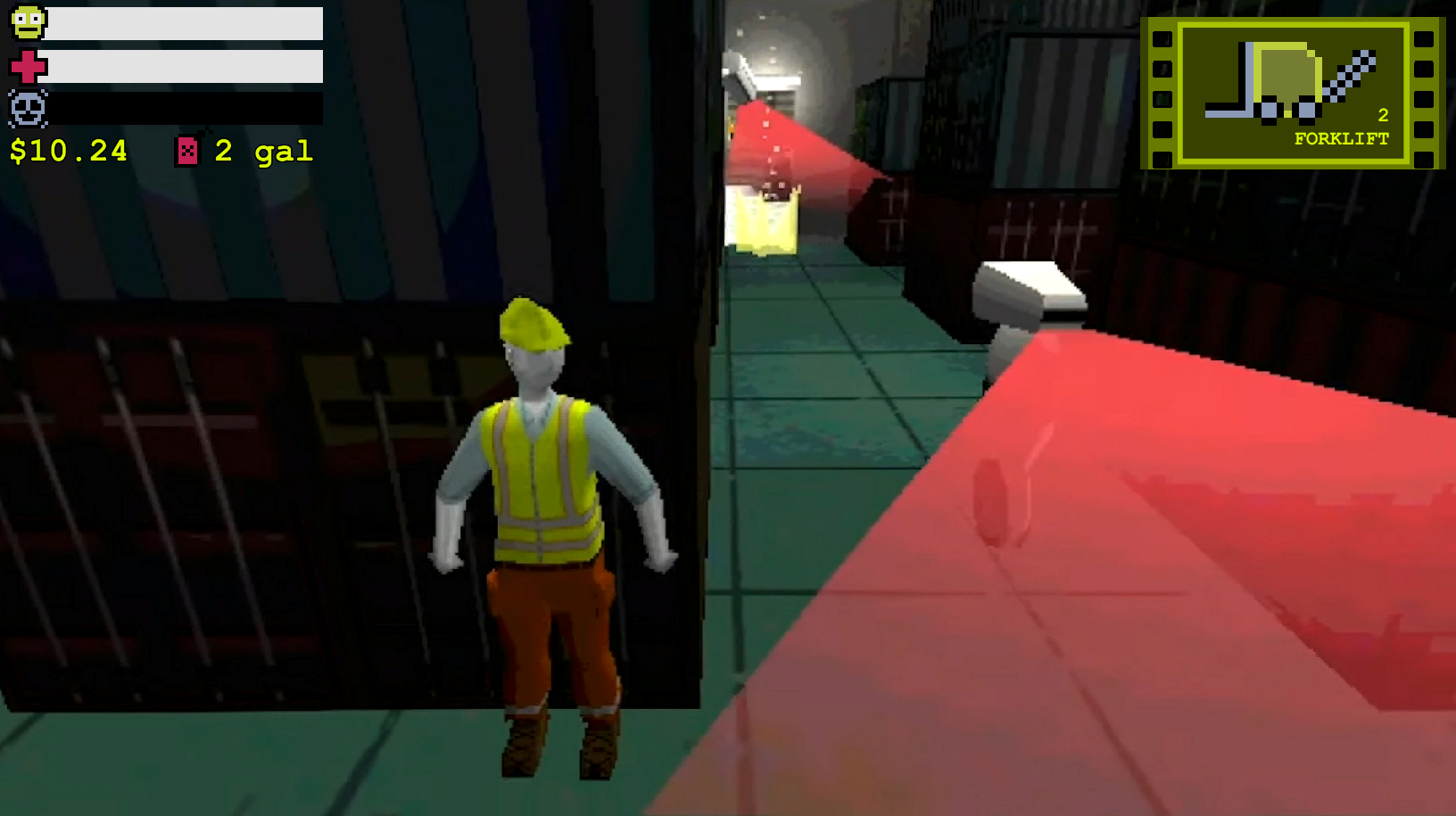
At the heart of the indie movement is a desire to mirror the complexities of the human experience. Time Bandit (developed by Phoenix Up) serves as a scathing, yet deeply immersive, commentary on the modern workplace. Unlike games that gamify labor through simple "clicker" mechanics, Time Bandit interrogates the very concept of time as a commodity.
The game functions on a real-world clock, tethering the player’s virtual obligations to their physical environment. When the game dictates that the player is "on shift," they are expected to perform repetitive, time-consuming tasks. The genius—and the frustration—of this design lies in its fidelity to reality. Moving a crate in-game takes an agonizingly long time, mirroring the feeling of being trapped in a bureaucratic machine. The production of "Time Crystals" acts as a metaphor for the surplus value extracted from the worker, a process often invisible in traditional game loops.
The Duality of Progress
Time Bandit operates in two distinct phases: the "On-Shift" period and the "Off-Shift" period. During the former, the player is a cog in the machine. During the latter, the game transitions into a stealth-based thriller. The player must navigate their workplace to reclaim the fruits of their labor. This juxtaposition asks the player a fundamental question: Is it more ethical to conform to the system’s demands, or to subvert it by "stealing" back what you have created? By forcing the player to risk their virtual livelihood to reclaim their stolen time, Time Bandit effectively highlights the precarity of the modern working class.
2. Efficiency as Art: The Joy of Ducky’s Delivery Service
Chronology and Design Philosophy
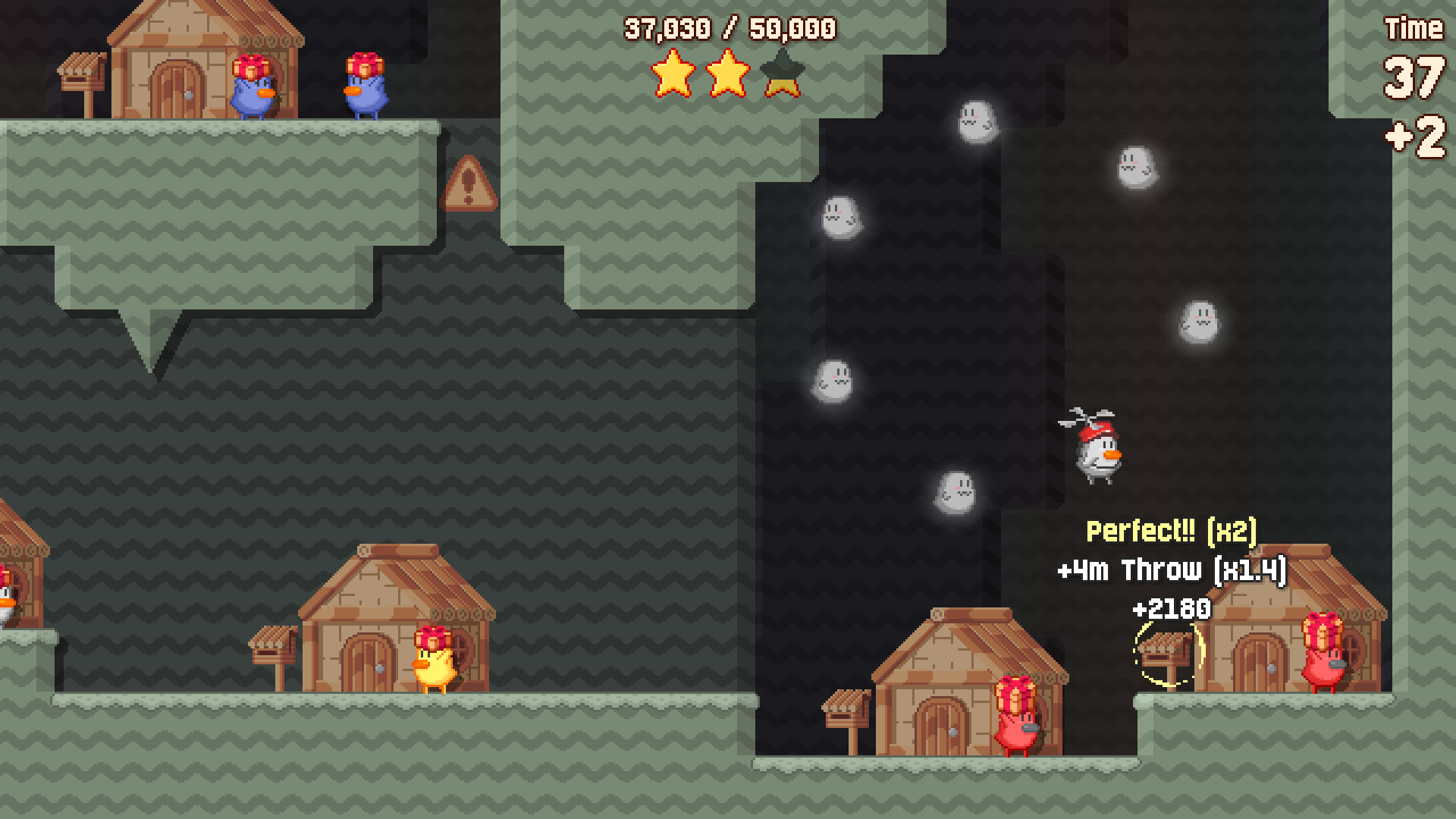
While Time Bandit explores the heaviness of labor, Ducky’s Delivery Service (by CTMatthews) treats labor as a playground for mechanical mastery. Released as a refined postal arcade experience, the game shifts the focus from the meaning of work to the pleasure of execution.
The gameplay loop is deceptively simple: navigate a physics-based environment to deliver packages. However, the developer has integrated a sophisticated scoring system that rewards technical prowess. By utilizing a "balloon-flight" style movement mechanic—reminiscent of arcade classics—players must balance the chaos of navigation with the precision required for high-scoring trick shots.
Supporting Data and Accessibility
What sets Ducky’s Delivery Service apart from its peers is the granularity of its design. The developer has prioritized accessibility, ensuring that the barrier to entry is low while the ceiling for mastery is exceptionally high.
- Customization: The game offers a wide suite of accessibility tools, allowing players to adjust the physical demands of the controls.
- The "Sweat" Factor: The design allows for two distinct modes of play: a casual, relaxing delivery experience or a high-octane, "sweaty" score-attack mode.
- Mechanical Depth: The inclusion of complex combos and trick-shot rewards turns a mundane task (mail delivery) into a performative art form.
This game serves as an official response to the "dour" nature of labor-focused narratives, suggesting that if labor is inevitable, perhaps it should be designed with the grace, rhythm, and joy of a high-score arcade challenge.
3. The Architecture of Togetherness: Communite
Implications of Asynchronous Collaboration
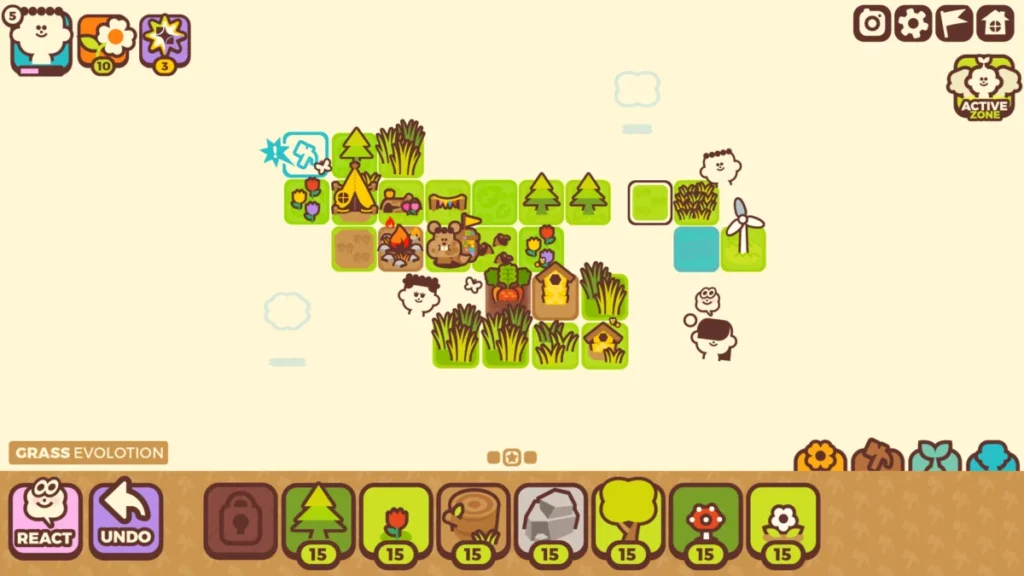
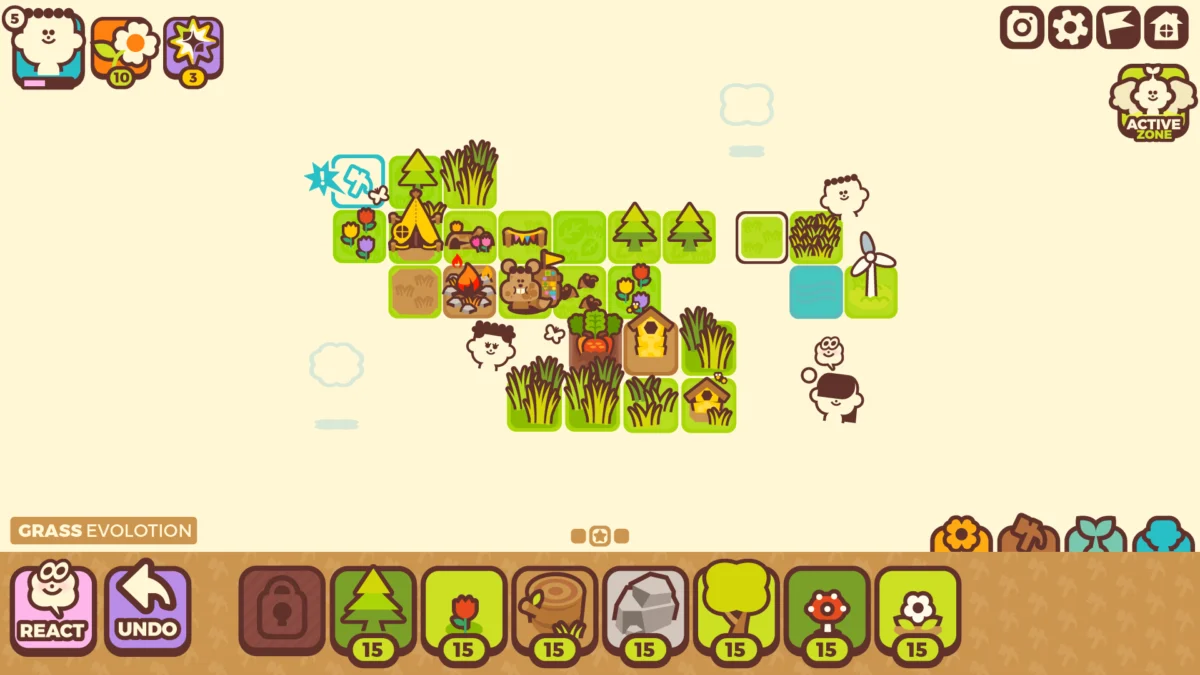
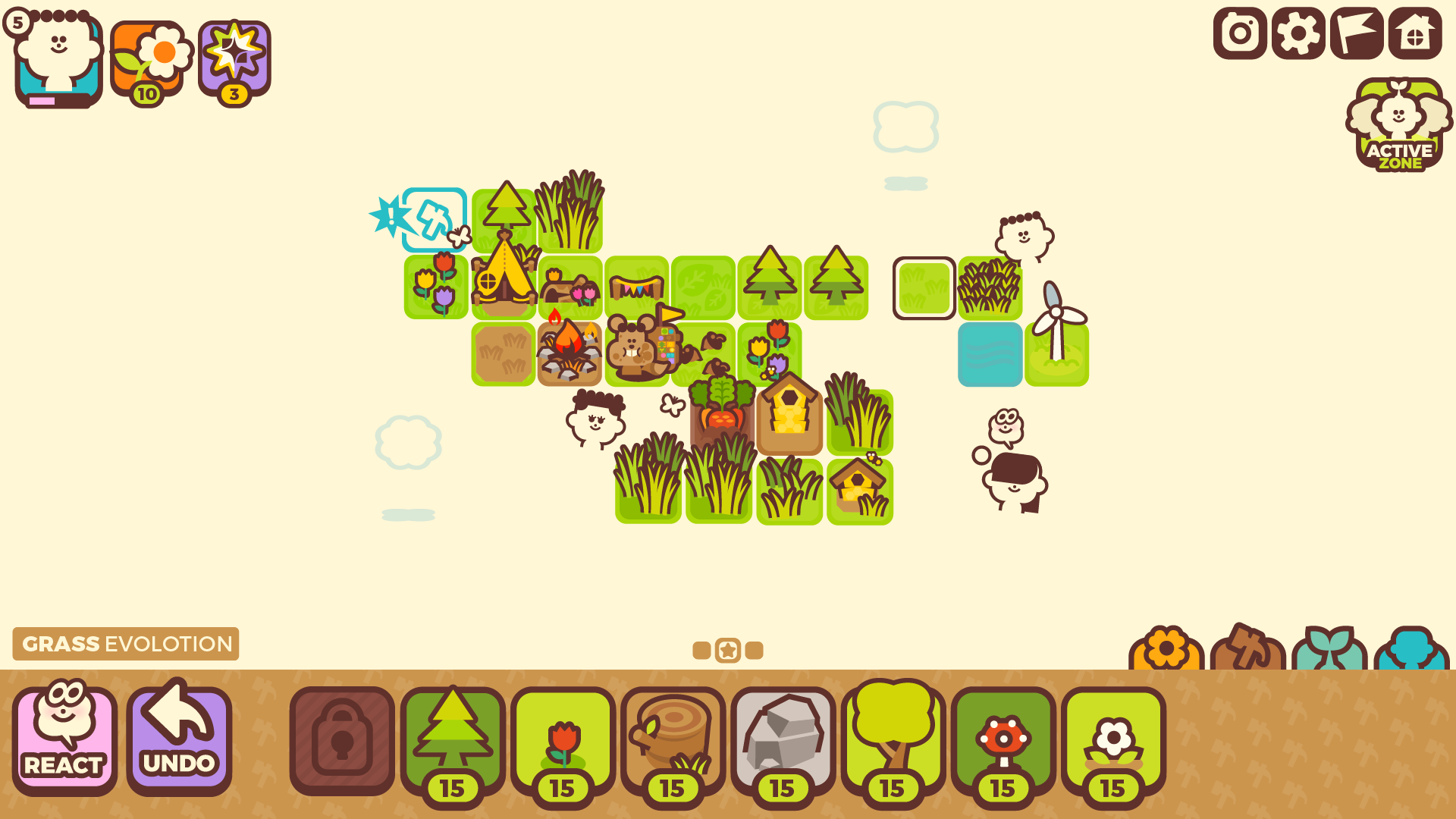
If Time Bandit is about the individual struggling against the system, Communite (by JimJum) is about the individual surrendering to the collective. In this title, the mechanics of construction are fundamentally tied to the presence—or absence—of other players.
Communite is a top-down building simulator where no single player can achieve success in isolation. If a player initiates a project, the structure remains incomplete until others contribute their own stamina and effort. This design decision effectively gamifies the concept of a communal garden, where the output is a result of a distributed, asynchronous labor force.
The "Stamina" Limitation as Social Glue
One might expect a stamina system to be a deterrent to engagement. In Communite, however, it functions as a social tether. By limiting how much a single person can build, the developer forces the player to step away, allowing others to pick up the mantle.
The game’s notification system—which directs players to the areas most in need of construction—ensures that the community is always moving toward a shared goal. When a player returns to the game after an absence, they are greeted by a transformed landscape, built by anonymous neighbors. This creates a powerful sense of belonging. The implications here are profound: by stripping away the "hero" narrative, Communite demonstrates that the most meaningful digital spaces are those that require us to be selfless.
Synthesis: What These Games Tell Us About Our Future
The current trends in independent game development reveal a shift in player values. We are moving away from the power fantasies of the early 2000s and toward a more nuanced understanding of our roles within larger systems.
Official Perspectives and Community Response
The developers behind these titles have largely remained quiet on the political implications, letting the mechanics speak for themselves. However, the community discourse surrounding these games suggests that players are hungry for titles that reflect their own struggles.
- On Labor: Players of Time Bandit have noted that the game is "uncomfortably accurate," highlighting the psychological toll of the modern "nine-to-five."
- On Skill: The reception of Ducky’s Delivery Service emphasizes that there is still a massive market for high-fidelity, skill-based arcade games that respect the player’s time and ability.
- On Community: Communite has been praised as a "digital balm," providing a space that promotes altruism over competition.
Future Implications for the Industry
As these games gain traction, they set a precedent for future developers. The success of Time Bandit, Ducky’s Delivery Service, and Communite proves that mechanics—when thoughtfully designed—are capable of conveying complex socio-economic critiques without sacrificing the core tenets of entertainment.
The industry is learning that players do not always want to be the "chosen one" tasked with saving the world. Sometimes, players want to explore what it means to be a cog, a courier, or a contributor. Whether through the lens of critical satire, technical mastery, or communal building, these games invite us to re-evaluate our relationship with the world around us.
In conclusion, the evolution of the "Games of the Week" series showcases a vibrant, evolving medium. We are entering an era where the most compelling stories are not found in the dialogue of a script, but in the rhythm of a delivery, the patience of a shared construction project, and the defiance of a worker fighting for their own time. We look forward to seeing how these developers—and the community that supports them—continue to shape the future of interactive labor and collective play.
What do you think? Does the gamification of labor help us understand our world, or does it merely remind us of our daily stresses? Join the conversation in the comments below.