Trojan Horse in the Living Room: How Budget Android TV Boxes Fuel a Multimillion-Dollar AI Ad Fraud Empire
By Global Security Desk
Published: July 2026
For years, cybersecurity professionals have issued urgent warnings regarding the hidden dangers of cheap, unbranded streaming devices. Marketed heavily across mainstream e-commerce platforms like Amazon, Best Buy, and Newegg, these generic Android TV boxes promise consumers an alluring shortcut: a one-time fee for a device that unlocks endless, unmetered streaming content without the burden of subscription services.
However, security researchers have long exposed a darker reality. Far from being mere entertainment hubs, these devices often operate as clandestine relays, quietly renting out the user’s home internet connection to anonymous third parties.
Now, a groundbreaking and exhaustive analysis by threat intelligence firm Bitsight reveals that the threat is far more sophisticated—and far more lucrative—than previously understood. These devices are not just passive proxies; they are active combatants in a sprawling, automated digital fraud enterprise. By impersonating high-end mobile phones, these TV boxes interact with artificial intelligence-generated websites to siphon ad revenue from online merchants and digital advertising networks on a massive, global scale.
Main Facts: Anatomy of an Ad Fraud Engine
The investigation, led by Bitsight threat researcher Pedro Falé, exposes how an entire ecosystem of cheap hardware has been co-opted to commit digital fraud. The architecture of the scheme relies on pre-installed malicious software that executes complex routines disguised as legitimate human web traffic.

At the center of the operation is a popular line of streaming devices known commercially as H96. When plugged into a consumer’s television, these boxes establish background connections that transmit full hardware diagnostics and application lists back to command-and-control servers.
However, Falé discovered a glaring discrepancy in the telemetry data. While reporting themselves as factory Android TV boxes, nearly all of these devices simultaneously transmitted metadata claiming to be high-end mobile phones manufactured by globally recognized brands, including Samsung, Vivo, Huawei, and Xiaomi.
The software orchestrating this deception traces back to Zhejiang Fengwo IoT Technology Ltd., a mainland Chinese entity founded in 2019 that manages an expansive ad-publishing portfolio under the moniker Fengwo Group. Bitsight’s investigation linked Fengwo to multiple shell identities across Hong Kong, Singapore, and single-person legal entities designed to mask the flow of illicit monetization.
Rather than viewing static web pages, the H96 devices are instructed to visit a network of AI-generated websites created and operated by Fengwo Group. These fake portals span a wide array of topics—including finance, health, education, gaming, music, and food blogs—featuring machine-generated news articles and graphic assets designed to fool automated quality-check filters used by ad exchanges. Crucially, these sham sites do not display advertisements to ordinary visitors; ads are dynamically triggered only when the connecting device successfully matches the spoofed mobile profile of an infected H96 streaming box.
Chronology of Discovery: Unmasking the Fengwo Network
The unravelling of the Fengwo ad fraud empire began with a stroke of analytical serendipity combined with meticulous threat hunting.

- The Historical Setup: Over several years, millions of budget Android TV boxes containing unofficial, uncertified versions of Google’s Android operating system were manufactured in Asia and shipped globally. Bundled within their firmware were hidden background applications designed to siphon bandwidth and execute background tasks.
- Domain Seizure and Telemetry Access: Pedro Falé gained a crucial window into the botnet’s infrastructure by registering an expired domain name that had previously served as a telemetry collector for H96 streaming sticks.
- The Anomaly Identified: Upon taking control of the domain, Falé began inspecting the incoming data traffic. He noticed tens of thousands of devices connecting to the domain while broadcasting contradictory device signatures—reporting basic TV box architecture while explicitly identifying as mobile smartphones.
- Tracing the Code: A deep-dive analysis of the telemetry-harvesting apps revealed they were authored by Zhejiang Fengwo IoT Technology Ltd. Security tools mapped shared SSL certificate data, connecting the telemetry domain to Fengwo’s primary cloud infrastructure (
fwgcloud.com). - Public Disclosure: Following comprehensive attribution, Bitsight publicly published its findings, exposing the operational mechanics of the Fengwo enterprise and alerting global ad-tech platforms to the fraudulent traffic streams.
Supporting Data and Technical Mechanics
The Bitsight report paints a picture of a highly industrialized, cost-efficient fraud operation that leverages modern automation tools to minimize human labor while maximizing financial yields.
Low-Code Malicious Development
According to Bitsight, Fengwo Group leverages a proprietary implementation of Blockly—a Google-built visual programming language originally designed to teach children how to code. By utilizing Blockly’s drag-and-drop interface, low-skilled operators within the organization can assemble complex web-scraping and ad-clicking routines without needing deep technical expertise in underlying programming languages.
Once an operator constructs a workflow, the system exports it as JavaScript and uploads it to Amazon S3 storage buckets. As Falé noted, this structural efficiency means that only a small cadre of highly skilled architects is required to build core execution templates, while less technical operators can deploy fraud modules at will, drastically lowering operational overhead.
Dual-State Operation: Proxy by Day, Fraud by Night
One of the most fascinating discoveries of the analysis is the operational bifurcation of the infected hardware. Bitsight observed that H96 devices never performed residential proxy duties and ad fraud simultaneously.
- When the TV is On: If a user activates their television (detected via an active HDMI signal), the streaming box immediately ceases ad fraud activities and pivots exclusively to functioning as a residential proxy. Researchers believe this resource-allocation strategy prevents intensive ad-fraud scripts from lagging or disrupting the user’s video playback experience, thereby keeping victims oblivious to the compromise.
- When the TV is Off: The moment the television is turned off, the box shifts back into an aggressive botnet node, awaiting ad-fraud jobs, launching hidden background browsers, managing tabs, and executing automated clicks.
Scale and Financial Yields
Monitoring just one of Fengwo’s older core telemetry domains, Bitsight tracked approximately 38,000 active H96 TV boxes worldwide. Based on this conservative sample size, researchers estimate that the ad fraud network generates close to $50,000 per day in fraudulent revenue—a figure that excludes the substantial secondary income generated by renting out the same devices as residential proxies.

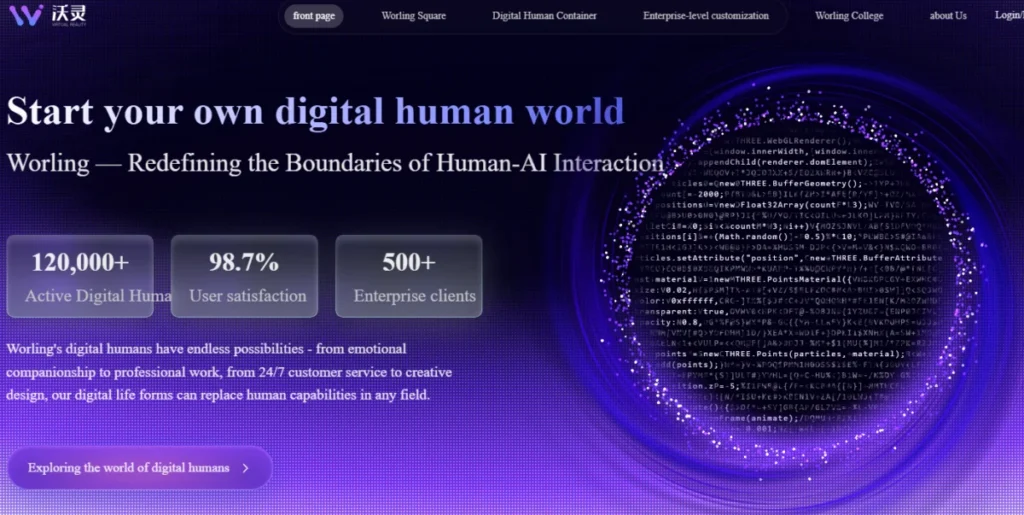
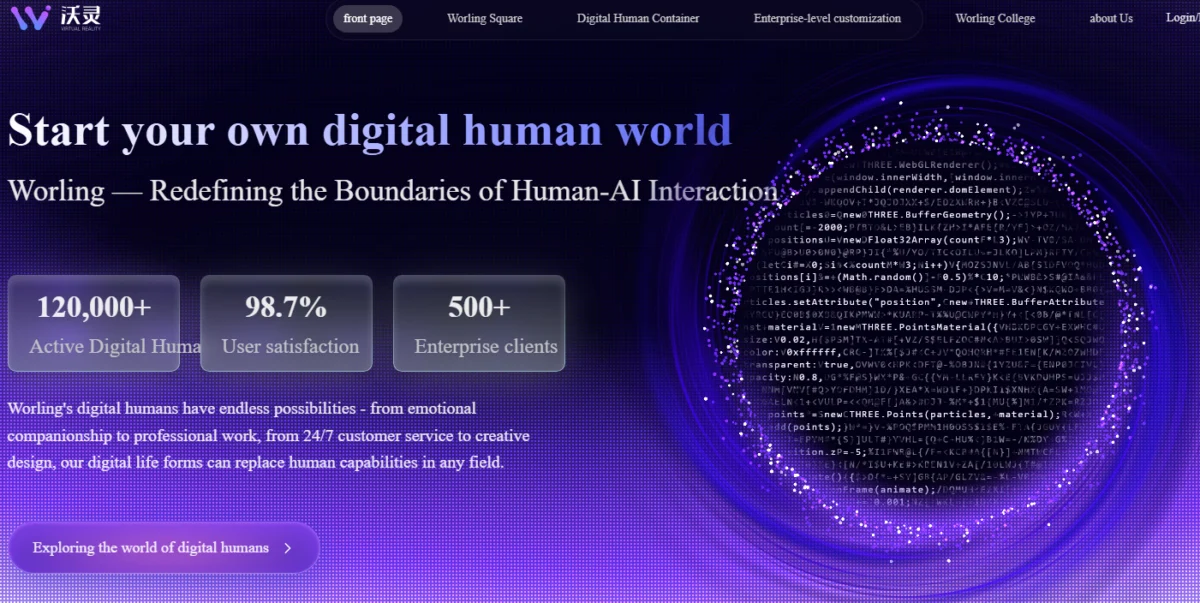
Furthermore, the Fengwo Group’s public web portal boldly claims to manage over 120,000 "AI digital humans" available for everything from emotional companionship to 24/7 customer support. However, security analysts assess that this grand claim may either be a sophisticated marketing facade designed to obscure the true nature of their botnet infrastructure or a clever smokescreen to deter regulatory scrutiny.
Official Responses and Industry Implications
The revelations surrounding the Fengwo enterprise underscore a systemic failure within the global supply chain for consumer Internet of Things (IoT) devices.
Regulatory and Law Enforcement Warnings
Law enforcement agencies, most notably the Federal Bureau of Investigation (FBI), have repeatedly warned consumers about the severe cybersecurity risks tied to uncertified smart home devices. Official advisories highlight that cheap imported electronics frequently ship pre-infected with malicious proxy software and unauthorized backdoors. These networks are frequently weaponized by cybercriminals for credential stuffing, web scraping, DDoS attacks, and financial fraud.
Despite these warnings, major multinational e-commerce platforms—including Amazon, Best Buy, and Newegg—continue to list hundreds of off-brand media streaming boxes. These products are frequently supercharged by online influencers who market them as "jailbroken" or free alternatives to subscription-based streaming services.
The Broader Botnet Landscape
The H96 ad fraud scheme is part of a broader, systemic crisis involving insecure consumer hardware. In January, proxy-tracking firm Synthient documented how separate botnets, such as the notorious Kimwolf botnet, successfully enslaved millions of generic TV boxes by exploiting compounded software vulnerabilities in pre-installed proxy applications and insecure device firmware.

Beyond streaming hardware, security analysts have discovered identical residential proxy software embedded within other popular consumer IoT devices, particularly digital photo frames and smart home accessories.
When security researchers attempted to contact the Fengwo Group for comment via the email address listed on their corporate homepage ([email protected]), the inquiry failed instantly with a bounce-back notice stating:
"Your message couldn’t be delivered to postmaster@fwgcloud[.]com. Their inbox is full, or it’s getting too much mail right now."
Conclusion and Recommendations
The exposure of the Fengwo Group’s AI-driven ad fraud operation serves as a stark reminder of the hidden costs associated with bargain-bin consumer technology. What appears to be a thrifty way to bypass cable bills often exacts a heavy toll on personal network security, global advertising ecosystems, and internet integrity as a whole.
Security experts advise consumers to take immediate precautionary measures:

- Stick to Reputable Brands: Avoid unverified, ultra-cheap streaming sticks. Consumers should exclusively purchase media players from established, trusted manufacturers (such as Google, Roku, Apple, or Amazon Fire TV).
- Verify Operating Systems: Google provides official guidelines allowing users to verify whether a device runs a legitimate, Play Protect-certified Android TV OS.
- Audit Home Networks: Utilize threat feeds and tracking lists—such as those maintained by research firms like Synthient—to identify and isolate potentially compromised IoT hardware.
- Practice Network Segmentation: If unverified IoT devices must be utilized, place them on a restricted guest Wi-Fi network isolated from primary personal computers, NAS drives, and sensitive local network resources.
As ad-fraud syndicates increasingly adopt artificial intelligence, low-code automation, and sophisticated device-spoofing techniques, securing the perimeter of the modern smart home has never been more critical.