The Era of Multi-Device Continuity: Understanding Apple’s Revolutionary iPhone Handoff
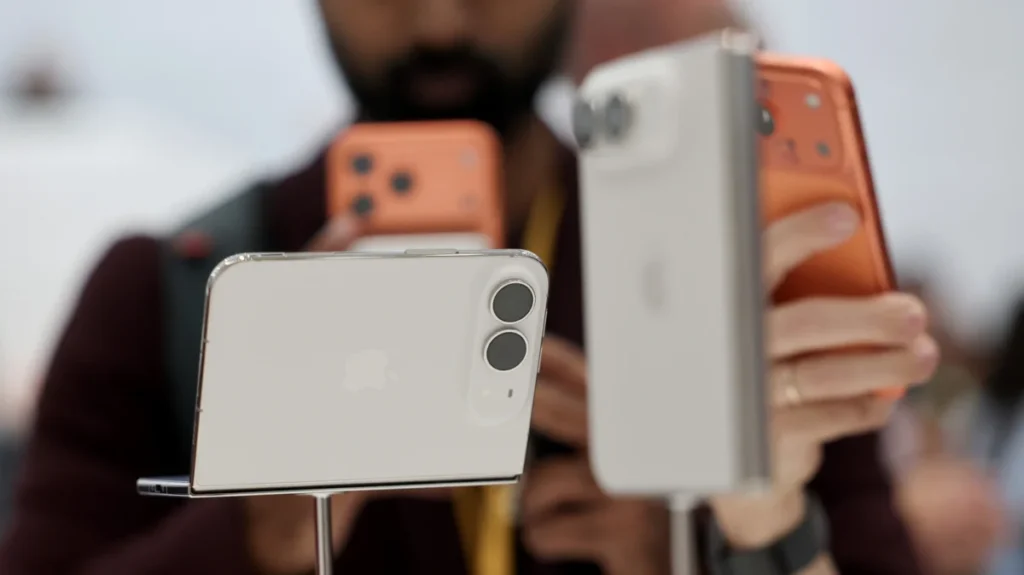
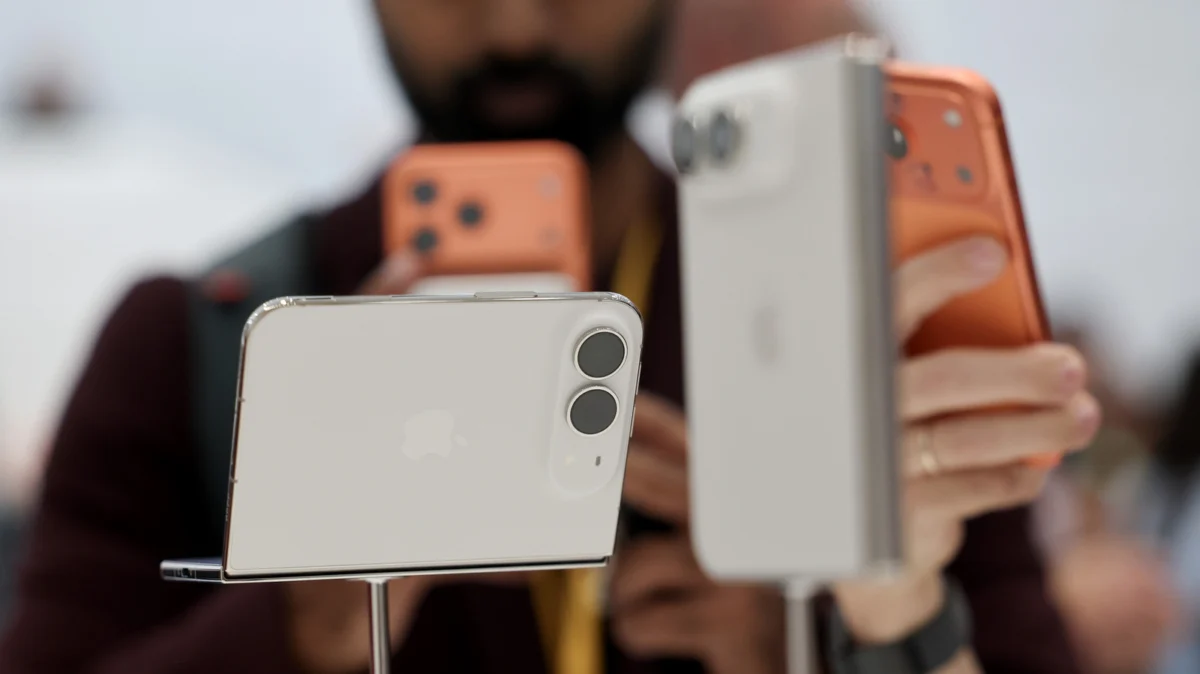
For years, the "One Number, One Device" paradigm has been the rigid cornerstone of mobile telecommunications. Whether you were a high-powered executive balancing a work and personal device or an enthusiast who enjoys cycling through Apple’s latest hardware, the friction of switching iPhones—managing SIM cards, syncing messages, and toggling iMessage accounts—has long been a source of significant digital fatigue.
That era has officially come to a close. With the introduction of iOS 27, Apple has unveiled "iPhone Handoff," a feature that shatters the limitations of traditional cellular connectivity. By allowing a single mobile number to exist natively across two distinct iPhones, Apple is fundamentally changing how we interact with our mobile ecosystem.
The Core Mechanics: What is iPhone Handoff?
At its most basic level, iPhone Handoff is a sophisticated synchronization layer that allows two iPhones to share the same identity on a carrier network. Unlike traditional "call forwarding," which merely redirects incoming signals, Handoff allows for a deep integration of services.
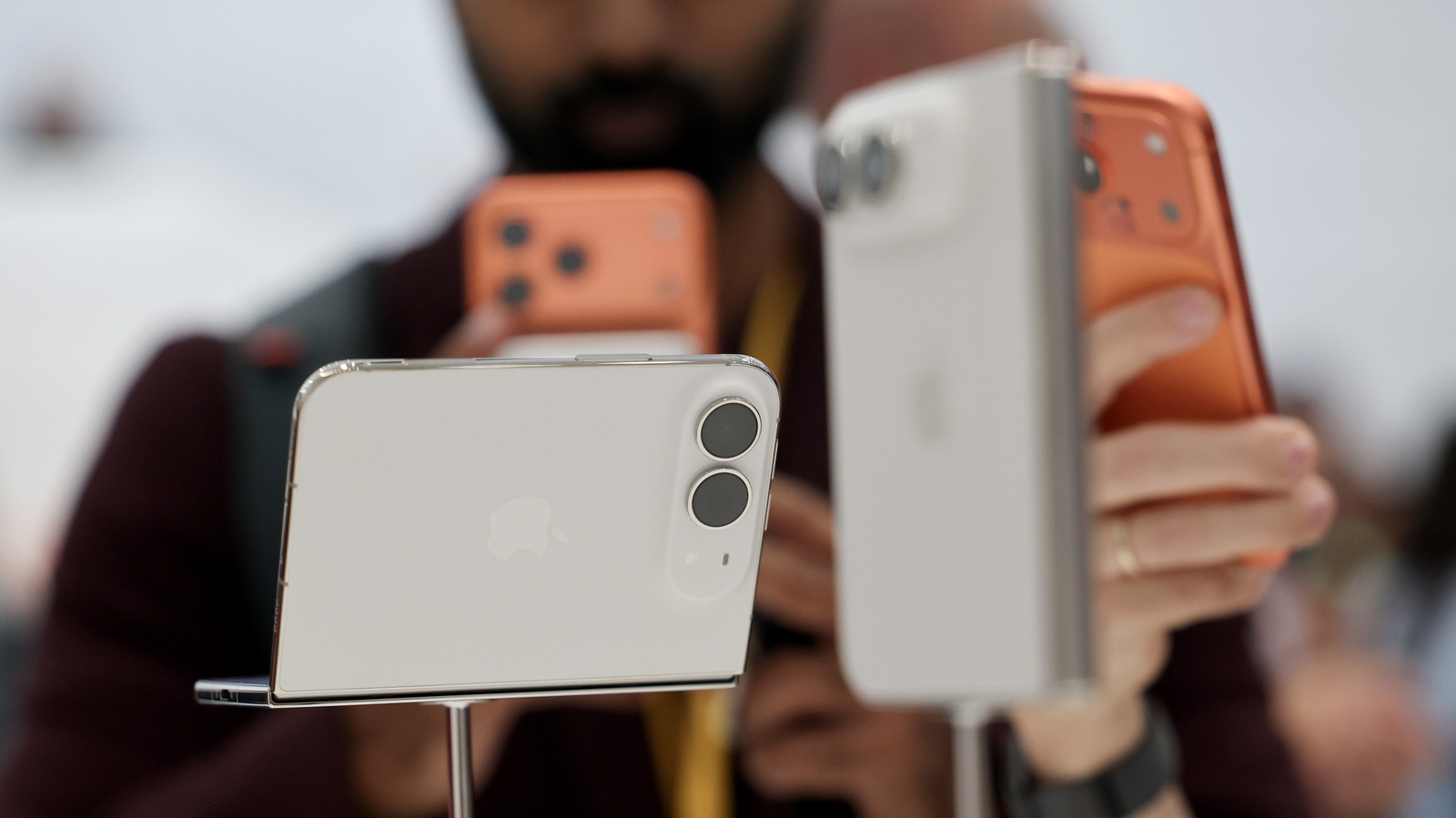
Once enabled, a user can initiate a text conversation on an iPhone 18 Pro and seamlessly pick up that same thread on a secondary device—perhaps a smaller, more durable model for travel or a secondary "lifestyle" phone—without any manual toggling. When you unlock the device you wish to use, the network recognizes the authentication, and your digital life follows you instantly.
The feature manages the heavy lifting in the background. It synchronizes iMessage, FaceTime, and even payment cards stored in the Apple Wallet. The transition is signaled by a subtle, elegant indicator in the Dynamic Island, providing users with real-time confirmation that the device is currently active and synced with the primary cellular identity.
A Chronology of the Feature’s Development
The journey toward iPhone Handoff began in the shadows of Apple’s R&D labs, but the public trajectory was clear to those watching the company’s recent ecosystem pivots.
The WWDC 2026 Tease
During the Worldwide Developers Conference (WWDC) in June 2026, Apple provided a brief, cryptic glimpse into "Project Bridge," a backend infrastructure update designed to allow for more fluid device handovers. While the keynote was dominated by the massive overhaul of Siri’s AI capabilities, developers noted specific APIs in the iOS 27 beta that pointed toward multi-device number sharing.
The "Surprise and Shine" Event
The true unveiling took place on September 9, 2026, at Apple’s "Surprise and Shine" event. In an unexpected segment, Apple executives demonstrated the ability to leave a main device on a desk while walking out the door with a secondary, pocketable iPhone, all while maintaining full connectivity. The room, which had been buzzing with anticipation for the new hardware, turned its attention to this software-level convenience that promised to solve a decade-old pain point.
Supporting Data and Technical Requirements
To utilize iPhone Handoff, users must meet a specific set of criteria that ensures the security and stability of the connection:
- OS Requirements: Both devices must be running iOS 27 or later.
- Account Synergy: Both phones must be signed into the same Apple Account for iCloud, FaceTime, and iMessage.
- Network Proximity: During the initial setup, both devices must be on the same Wi-Fi network.
- Carrier Support: This is the primary hurdle. As of the current launch window, the feature is limited to select providers, most notably T-Mobile in the United States and Telekom in Germany.
- Cost: Integration is not entirely free. T-Mobile, for example, has instituted a $5 monthly surcharge to maintain the secondary connection on the carrier’s network.
The Limitations of the Current Build
While the integration is profound, it is not exhaustive. Users should be aware that:
- Apple Watch Pairing: Handoff does not currently support dynamic switching of an Apple Watch. The Watch remains paired to the primary device, necessitating a potential workaround for power users.
- Digital Wallet Restrictions: While payment cards sync, certain high-security digital IDs and transit passes are currently locked to the primary device to satisfy regional security regulations.
- Carrier Lock-in: Disabling the feature is not a simple toggle in the Settings menu; it requires direct coordination with the carrier to remove the secondary device from the cellular plan.
Official Perspectives and Industry Implications
The introduction of Handoff has sent shockwaves through the telecommunications industry. For carriers, the feature represents a delicate balance between providing value-added services and managing network traffic.
"We are entering an age where the device is secondary to the account," said one industry analyst. "Apple is effectively moving the ‘phone number’ from the physical SIM card to the cloud-linked identity. This is a massive shift that will force other carriers to modernize their back-end systems if they want to remain competitive with the Apple ecosystem."
T-Mobile’s decision to charge a $5 monthly fee is seen as a test case for how carriers will monetize this new convenience. Should the service prove popular, we can expect a competitive landscape where major carriers race to offer Handoff as a "value-add" to premium plans, potentially using it as a retention tool to keep users within the Apple fold.
The Broader Implications: A Changing User Experience
Why would someone want two phones? The use cases are more diverse than one might think.
The "Ultra" Paradox
With the release of the $2,000 "iPhone Duo," many users find themselves owning a device that is essentially a high-performance computer. Carrying such a premium piece of hardware to the gym, a hiking trail, or a crowded concert can be a source of anxiety. With Handoff, a user can leave the "Duo" safely in a charger at home and carry a standard, more ruggedized, or older iPhone model without missing a single call or important notification.
The Professional Divide
Professionals have long clamored for a way to separate their work and personal lives without having to manage two entirely different sets of contacts, calendars, and authentication tokens. Handoff offers a middle ground. While it doesn’t create two distinct profiles, it allows for a "physical context switch." One can carry a minimalist, distraction-free device during the work day and switch to a more feature-rich, media-heavy device in the evening, all while remaining reachable on the same number.
The Migration Path
Finally, Handoff serves as an elegant solution for the "transition period." When upgrading to a new iPhone, users often spend days ensuring all data is migrated. With Handoff, the secondary device can act as a bridge, allowing the user to slowly move into the new device while maintaining the full functionality of their previous one.
Looking Toward the Future
As iOS 27 continues to mature, we can expect the limitations of iPhone Handoff to diminish. Apple’s track record with "Continuity" features—such as Universal Clipboard and Sidecar—suggests that this is only the first iteration.
In the future, we may see expanded support for tablets, laptops, and even third-party wearables, turning the "iPhone Number" into a universal identifier that isn’t tied to any single piece of silicon. For now, however, the ability to effortlessly switch between two iPhones is a triumph of software engineering that makes the complex infrastructure of cellular networks feel like magic.
For the average consumer, the message is clear: the hardware is becoming fluid. Your digital presence is no longer defined by the phone in your hand, but by the account in your pocket. As we watch this technology propagate across the global market, one thing remains certain: the days of being tethered to a single device are officially numbered.