The End of an Era: Portainer 3.0 and the Future of the Community Edition
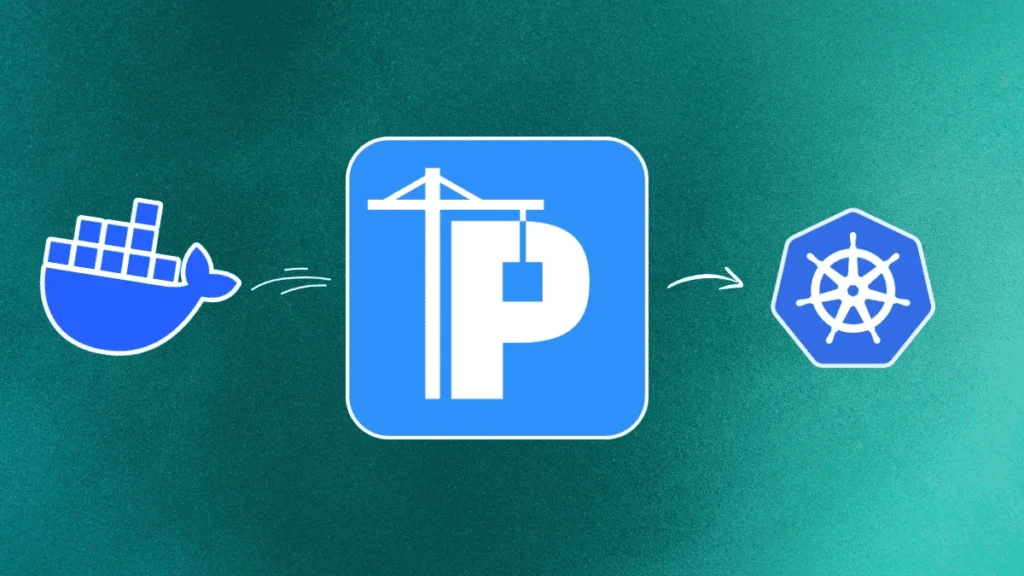
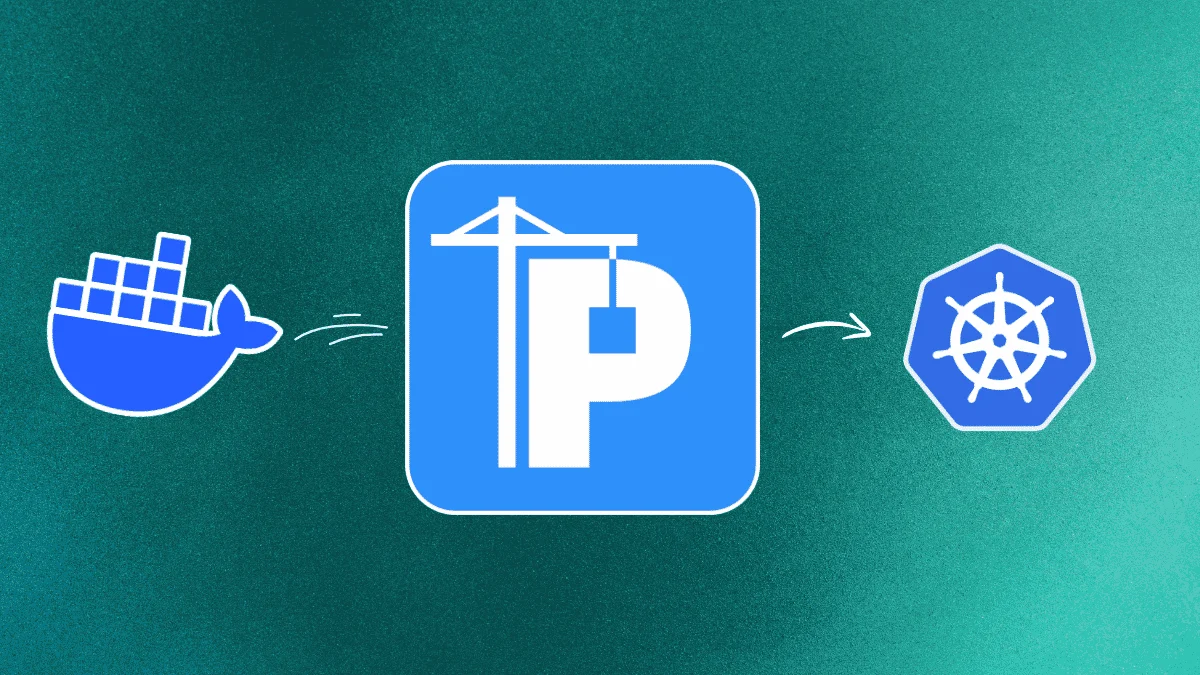
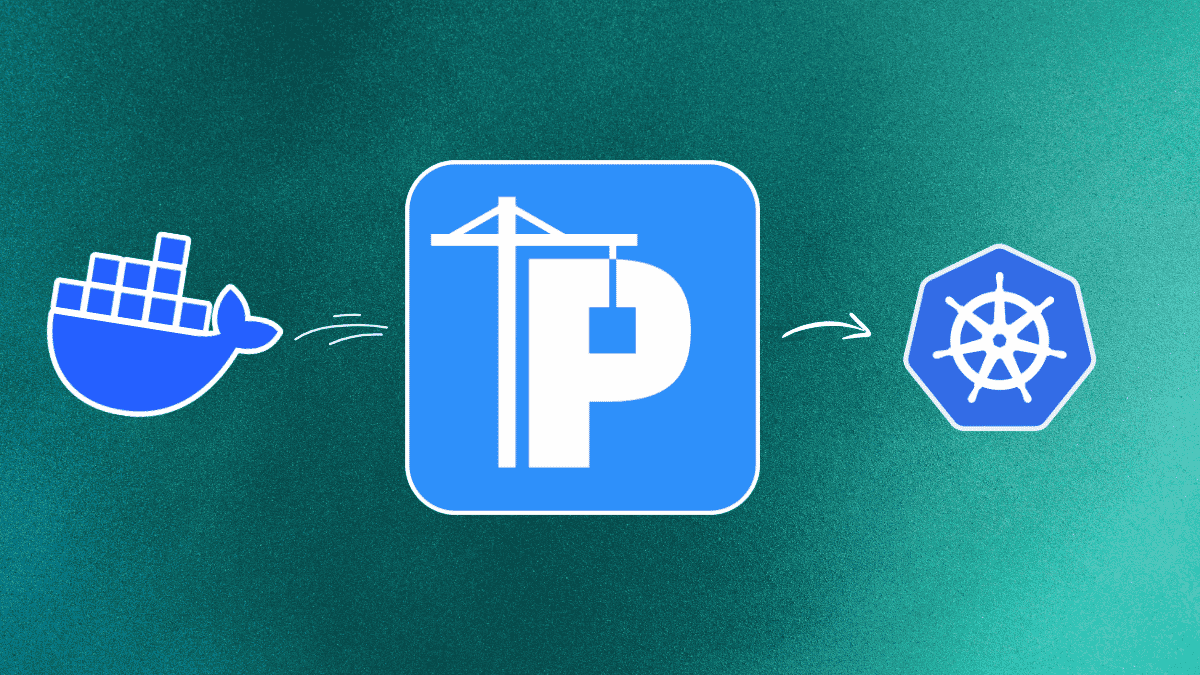
For a decade, Portainer has stood as the gold standard for container management. By providing a clean, intuitive graphical user interface (GUI) atop the often-daunting command-line interfaces of Docker and Kubernetes, it democratized container orchestration for homelab enthusiasts, small business sysadmins, and developers alike. However, the open-source community recently received news that marks a significant inflection point in the project’s history.
Portainer 3.0, the highly anticipated ground-up rebuild of the platform, will not be released as a Community Edition (CE). This decision effectively freezes the development of the open-source branch at version 2.45 LTS. As the industry grapples with the implications of this shift, it is essential to analyze the motivations, the technical justifications, and the long-term impact on the open-source container ecosystem.
The Core Shift: A Strategic Pivot or Maintenance Necessity?
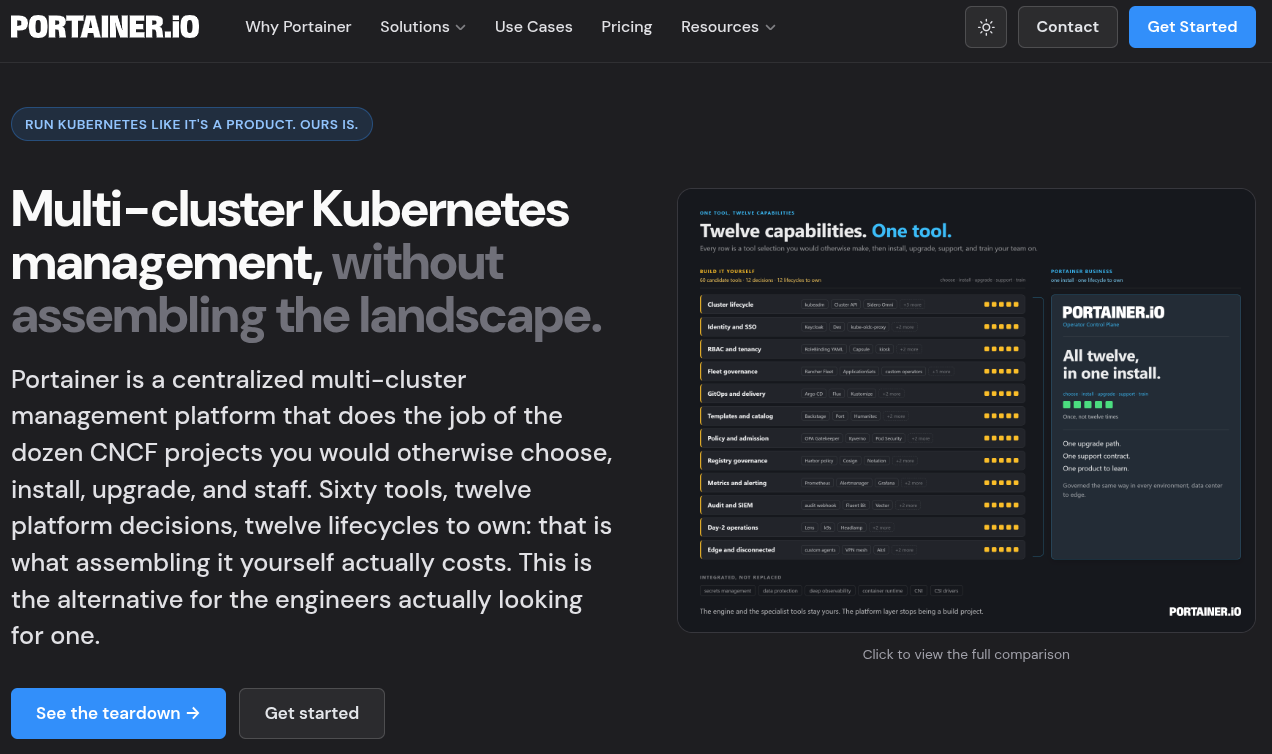
The announcement, delivered by Portainer CEO Neil Cresswell, signals a fundamental change in the platform’s architectural philosophy. Portainer 3.0 is designed from the ground up to be "Kubernetes-native." The platform is moving away from the "one-size-fits-all" interface that defined the 2.x era, replacing it with five specialized consoles tailored to specific operational roles.
According to the official communication, this is not merely a strategy to push users toward paid tiers, but a direct response to a mounting technical debt crisis. Maintaining the 2.x codebase had become an unsustainable endeavor. The team found themselves forced to build every new feature, policy, or API capability three times over—once for Kubernetes, once for Docker Swarm, and once for standalone Docker/Podman environments.
By abandoning the monolithic approach, the company hopes to streamline its development velocity. However, this shift means that the open-source Community Edition (CE) no longer aligns with the company’s new roadmap. CE will remain anchored to the 2.45 LTS release. While it will continue to receive critical security updates and bug fixes, it will not receive the architectural enhancements or the new feature sets that characterize the 3.0 transition.
Chronology of a Transition
To understand why this change feels so disruptive, one must look at the trajectory of Portainer’s growth over the last decade:
- 2015–2017: Portainer emerges as a lightweight UI for Docker, quickly gaining traction in the burgeoning container community due to its ease of deployment and intuitive visual representation of containers and volumes.
- 2018–2020: The platform expands support for Kubernetes and Docker Swarm, establishing itself as the "universal" management tool. The community grows, and the "Community Edition" becomes the go-to recommendation for beginners and medium-scale deployments.
- 2021–2024: The company introduces the Business Edition (BE), creating a clearer distinction between free features and enterprise-grade requirements (such as advanced RBAC and multi-cluster management).
- 2025–2026 (The Turning Point): Portainer announces the 3.0 rebuild. It becomes clear that the architectural divergence between Kubernetes primitives and standard Docker API calls is too wide to bridge within a single open-source codebase.
- Late 2026: The official confirmation that CE will not receive the 3.0 upgrade path, effectively capping the open-source project’s feature set.
Supporting Data: The Architecture of Complexity
The technical justification for this split lies in the nature of container orchestration. Docker, while excellent for local development and simple service deployment, lacks the complex "primitives" required for large-scale enterprise infrastructure. Kubernetes, conversely, is built on a declarative model that requires a different paradigm of interaction—one involving ingress controllers, custom resource definitions (CRDs), and complex network policies.
The Portainer team noted that attempting to map these two worlds into a single, unified interface resulted in a "least common denominator" experience. Features that were native to Kubernetes were either impossible to implement in Docker or required massive, inefficient workarounds.
By pivoting to 3.0, Portainer is betting that the future of container management is inherently tied to Kubernetes. For the user, this means that the "Docker-first" experience is being demoted. While Docker environments will still be supported as "native connections," they will lack the advanced observability, GitOps workflows, and policy engines that will be exclusive to the 3.0 Kubernetes-centric interface.
Official Responses and Rationale
In his official statements, Neil Cresswell addressed the concerns of the open-source community with transparency regarding the company’s position. He noted that releasing the 3.0 enterprise-focused codebase as a CE product would be a disservice to the end user.

"The policy model, the operations API, and the enterprise-focused consoles assume an enterprise user from the get-go," Cresswell explained. "Releasing that as CE would misrepresent what it is and who it is for."
The company argues that the CE user base typically prioritizes simplicity and stability, whereas the 3.0 architecture is built for complexity, automation, and compliance—areas where commercial users are willing to pay for support and specialized tooling. For users who need these new capabilities but are not enterprise customers, the company points to the "3 Nodes Free" license, which is part of the closed-source Business Edition, rather than a continuation of the open-source project.
Implications for the User Base
For the average user currently running Portainer in a homelab or a small production environment, the immediate impact is negligible.
- Status Quo: If you are running Docker or Swarm on Portainer 2.x, you are in a supported environment. Security patches and bug fixes will continue to arrive. You are not forced to migrate, and the interface you have grown accustomed to will remain operational.
- The "Docker-to-Kubernetes" Bridge: For those who wish to leverage the power of Kubernetes but want to keep their Docker-style workflows, the team has introduced Portainer-D2K. This compatibility layer allows users to deploy and manage applications on a Kubernetes cluster using familiar Docker Compose files. It serves as a middle ground for users transitioning to K8s.
- The Feature Gap: The real impact will be felt over the next 18–24 months. As the industry moves toward new observability standards and GitOps practices, Portainer CE will remain static. It will not receive these modern integrations. Users who want these features will eventually have to decide between staying on an aging platform, moving to the closed-source Business Edition, or migrating to a different tool entirely.
Alternatives in the Evolving Landscape
The stagnation of Portainer CE creates a vacuum. In the open-source world, nature abhors a vacuum, and the community has already begun evaluating alternatives. While no single tool offers a perfect 1:1 replacement for the broad "swiss-army-knife" nature of Portainer, several projects are gaining momentum:
- Dockge: A reactive, lightweight, and modern UI for managing Docker Compose files. It is focused specifically on the "Docker-only" workflow, offering a much more streamlined experience than Portainer for those who don’t need Kubernetes support.
- CasaOS/Umbrel: While more consumer-focused, these platforms have gained massive traction in the home server community by abstracting the complexity of container management behind a beautiful, app-store-like interface.
- Kube-Dashboard / Lens: For those who are moving toward Kubernetes, these tools provide robust, native management capabilities that are specifically designed for the K8s ecosystem, rather than trying to shoehorn Docker paradigms into it.
It is important to note that these are not drop-in replacements. Users who have built their entire infrastructure around Portainer’s specific way of handling stacks, volumes, and secrets will face a non-trivial migration path if they decide to switch.
Conclusion: The Maturity of the Ecosystem
The move by Portainer to decouple its future from the Community Edition is a sign of a maturing industry. The "Golden Age" of one-size-fits-all container management tools is likely coming to an end. As container technology has moved from a developer convenience to the backbone of global infrastructure, the requirements for enterprise-grade management have diverged sharply from the needs of individual tinkerers.
Portainer has made a calculated business decision: it is prioritizing its viability as an enterprise software vendor over its role as a universal open-source project. While this is a loss for those who valued the "all-in-one" open-source nature of the project, it is also a reminder that in the world of infrastructure software, long-term support and innovation are rarely free.
For the user, the path forward is clear: stick with the stable, proven 2.x branch for existing setups, or begin exploring the specialized, modern alternatives that are rising to meet the needs of the next decade of container orchestration. The era of the "universal" GUI may be fading, but the ecosystem of tools to manage our digital infrastructure is more vibrant than ever.