From Virtual to Physical: The Evolution of the PICO-8 Handheld Console
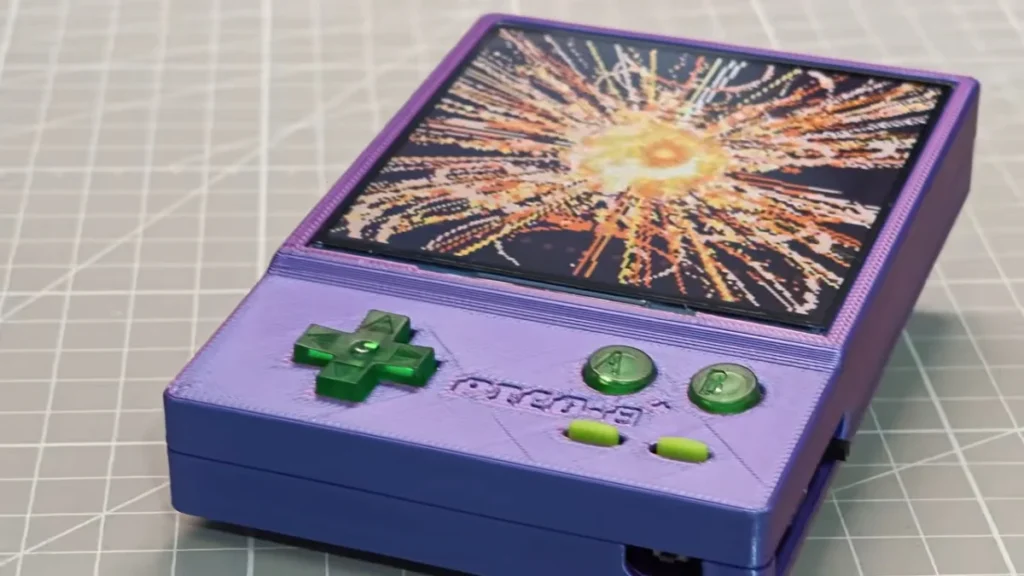
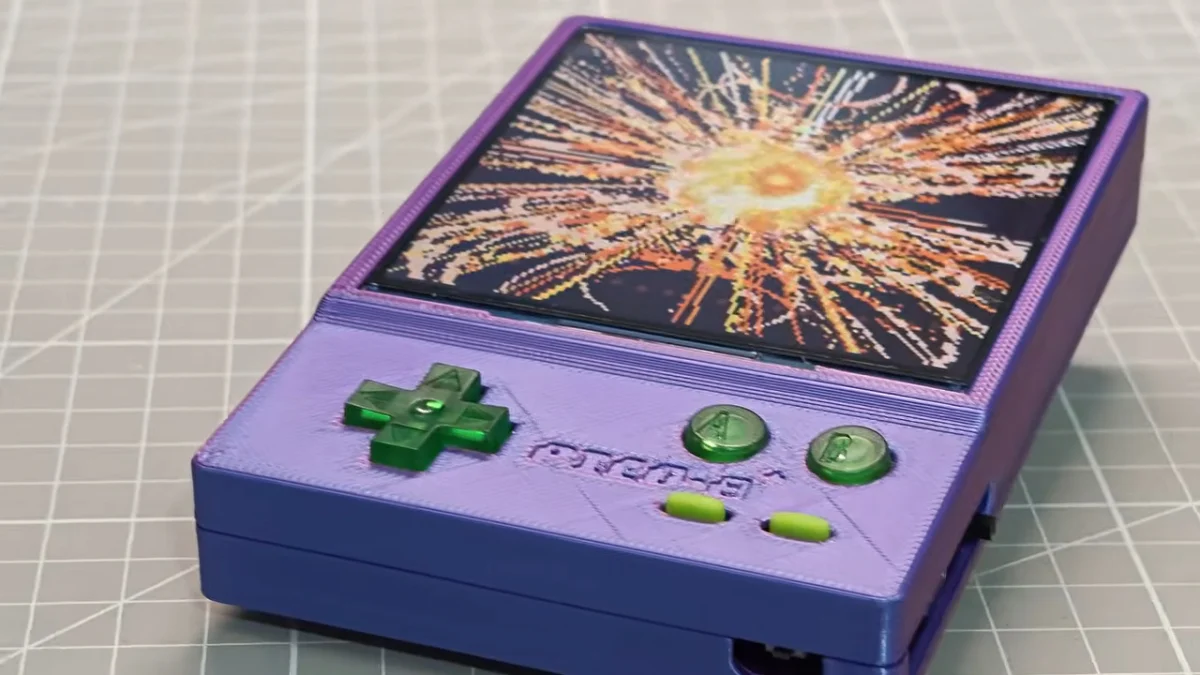
In the world of independent game development, few platforms have captured the imagination of creators quite like the PICO-8. Often described as a "fantasy console," PICO-8 is not hardware, but a virtual machine—a self-contained environment that simulates the constraints and charm of an 8-bit era machine from the 1980s. While developers have long enjoyed coding within its limitations, a recent hardware project by enthusiast and maker [UncleStem] has bridged the gap between software abstraction and tactile reality. By constructing a bespoke, aluminum-housed handheld, he has effectively taken the "fantasy" out of the fantasy console.
Main Facts: The Intersection of Hardware and Emulation
At the heart of [UncleStem]’s project lies the Raspberry Pi Zero 2W. While enthusiasts might argue that the Zero 2W is a significant over-specification for a virtual machine designed to mimic a low-power 8-bit system, its selection was pragmatic. The board provides the necessary processing headroom and, crucially, a seamless software ecosystem that allows the PICO-8 virtual machine to run natively on a Linux-based environment.
The centerpiece of the device is its display: a stunning 720×720 pixel IPS panel. This screen is perhaps the most critical design choice in the build, as it perfectly accommodates the PICO-8’s native 128×128 resolution while maintaining a 1:1 square aspect ratio. This choice eliminates the unsightly letterboxing or scaling artifacts that often plague modern handhelds attempting to run retro software. By utilizing an HDMI interface and integrated sound support, the hardware allows for a crisp, authentic experience that feels like a legitimate console from a bygone era, rather than a modern emulation box.
A Chronology of the Build: From Prototype to Production
The creation of the PICO-8 handheld was not a linear process, but rather a journey of iterative design and manufacturing challenges.
Phase I: The Concept and Component Selection
The project began with the realization that while PICO-8 is highly portable as a file format, it lacked a dedicated, physical manifestation that felt "native." [UncleStem] initially conceptualized the device around the form factor of the classic Nintendo Game Boy, seeking to evoke nostalgia while housing modern internals.
Phase II: The Case Design Dilemma
The enclosure design proved to be the most arduous stage. Initially, [UncleStem] leveraged 3D printing to prototype the ergonomic layout and button placement. However, the pursuit of a premium, "console-grade" feel led him to explore CNC machining. His first attempts at milling the chassis from aluminum block revealed the steep learning curve of industrial manufacturing. After several failed attempts and the realization that achieving a professional-grade finish requires specific tooling and expertise, he pivoted to professional fabrication. This decision shifted the project from a hobbyist DIY aesthetic to a high-end consumer-product look.
Phase III: PCB Integration
With the casing finalized, the focus shifted to the interior. By commissioning a custom PCB, the builder ensured mechanical stability for the controls and the screen. The integration of "full-colour silkscreen" technology—a process that allows for intricate, artistic designs directly on the circuit board—elevated the interior of the device into a work of art. This step bridged the gap between functional engineering and aesthetic design, a hallmark of modern maker culture.
Supporting Data and Technical Specifications
To understand the scope of this project, one must examine the specifications that define the handheld’s performance and build quality:
- Processor: Raspberry Pi Zero 2W (Quad-core ARM Cortex-A53).
- Display: 720×720 IPS High-Resolution panel with HDMI input.
- Form Factor: Custom-milled aluminum chassis, designed for comfort and durability.
- Connectivity: Integrated sound output, external battery management, and custom control mapping.
- Software Foundation: PICO-8 Virtual Machine (proprietary software).
- Documentation: Open-source hardware designs, including PCB layouts and 3D files, made available via public repository.
It is worth noting that while [UncleStem] has provided the hardware schematics and PCB designs, the PICO-8 software itself remains a closed-source product. Any user attempting to replicate this build must purchase a valid PICO-8 license, reinforcing the collaborative relationship between the independent hardware community and the developers of the virtual console.
Official Responses and the Maker Community
The community response to the project has been overwhelmingly positive, particularly among the "Retro-Computing" and "Maker" sub-sectors. The project has been highlighted by industry stalwarts like Hackaday, which have long championed the "way of the PCB artist."
The shift toward custom PCB art is a growing trend. By treating the circuit board not just as a conduit for electrons, but as a canvas for visual design, makers like [UncleStem] are pushing the boundaries of what constitutes "finished hardware." The public availability of his Google Drive assets indicates a commitment to the open-source philosophy, allowing other enthusiasts to iterate on his design, refine the milling process, or adapt the hardware for different form factors.
Implications: The Future of Fantasy Consoles
The significance of [UncleStem]’s handheld lies in what it suggests for the future of digital game preservation and independent development.
The Preservation of Constraints
Fantasy consoles are unique in that they force developers to work within "artificial constraints." By limiting the number of colors, the resolution, and the memory, PICO-8 encourages creativity over brute-force graphical fidelity. This handheld project takes those constraints and gives them a physical "home," effectively creating a permanent, tangible library for games that might otherwise exist only on a server or a hard drive.
The Democratization of Hardware Design
This project serves as a case study in the democratization of hardware manufacturing. Five years ago, a bespoke aluminum handheld would have required a massive budget and industrial connections. Today, between the accessibility of Raspberry Pi, the ease of professional PCB manufacturing, and the ubiquity of small-batch CNC services, a solo developer can produce a device that rivals the build quality of boutique consumer electronics.
Precedents and Comparisons
While this is not the first handheld built for PICO-8—notably, a camcorder-inspired, single-button console was documented in 2019—it is perhaps the most refined. The earlier camcorder design, while creative, suffered from niche utility. [UncleStem]’s build is designed for utility and compatibility, capable of running the entire library of PICO-8 games. This highlights a transition in the community: we are moving away from "proof of concept" devices toward "daily driver" retro-handhelds.
Conclusion
[UncleStem]’s PICO-8 handheld is more than a toy; it is a testament to the intersection of modern hobbyist engineering and the enduring appeal of the 8-bit era. By refusing to compromise on the materials—opting for CNC-milled aluminum and high-resolution IPS displays—the builder has created a bridge between the ephemeral nature of virtual machines and the permanence of physical hardware.
As the lines between software-based emulation and physical hardware continue to blur, projects like this offer a glimpse into a future where the console is no longer defined by the manufacturer, but by the community that builds it. Whether for the joy of building or the satisfaction of playing, the project serves as a high-water mark for the PICO-8 community, proving that even a "fantasy" console can be brought into the real world with enough passion, a few custom PCBs, and a great deal of persistence.