Elevating the Android Ecosystem: Google I/O ’26 and the Future of Differentiated App Experiences
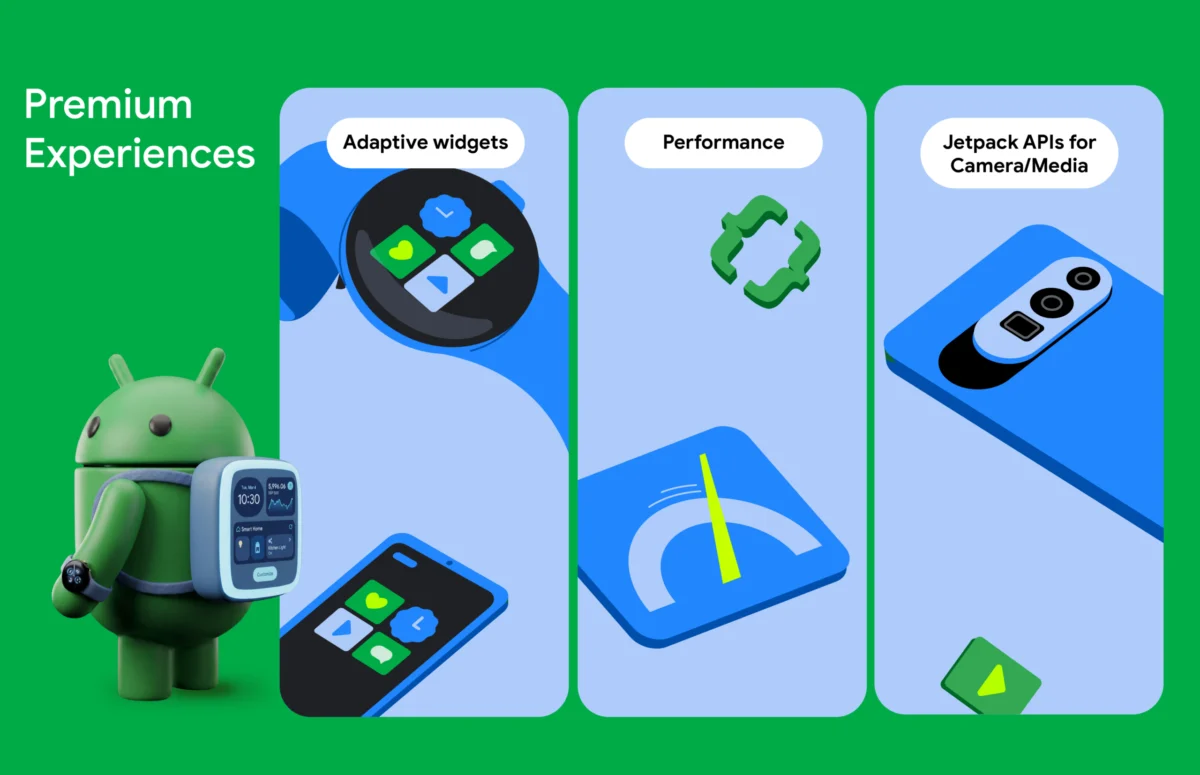
In the rapidly evolving landscape of mobile technology, "differentiation" has become the primary metric of success for developers. As the Android ecosystem expands across an increasingly diverse array of hardware—from high-performance smartphones and foldable devices to wrist-worn wearables and automotive dashboards—the challenge for developers lies in maintaining a premium user experience while managing the complexities of varying hardware constraints.
At Google I/O ’26, Android Developer Relations Engineer Ataul Munim unveiled a comprehensive roadmap aimed at empowering developers to build high-performance, unified, and media-rich applications. By focusing on three critical pillars—performance optimization, glanceable UI surfaces, and advanced media pipelines—Google is setting a new standard for what it means to build a "differentiated" Android experience.
The Core Pillars of Modern Android Development
The theme of this year’s developer sessions centered on the transition from "functional" to "premium." For Google, this means moving beyond simple compatibility and toward apps that feel natively optimized, regardless of the screen size or processing power of the device they occupy.
1. Performance as a Foundation
The introduction of Android 17 marks a significant shift in how the operating system handles resources. With the implementation of strict, device RAM-based memory limits, Google is taking an aggressive stance against memory leaks and system-wide instability. For developers, this necessitates a departure from bloated codebases.
2. The Unified Glanceable Surface
As user habits shift toward "snackable" information, the ability to surface content outside of the main application has become essential. Through Jetpack Glance and the new RemoteCompose framework, Google is creating a bridge that allows developers to write UI logic once and deploy it across mobile home screens, Wear OS tiles, and automotive dashboards.
3. Professional-Grade Media Pipelines
Finally, Google is addressing the complexity of media production. By consolidating CameraX and Media3 into a singular, production-ready toolkit, developers can now implement high-fidelity capture and AI-driven post-processing without needing to navigate the fragmented landscape of proprietary hardware drivers.
Chronology: From Concept to Ecosystem Integration
The path to these announcements began over two years ago, following feedback from top-tier developers struggling with the overhead of maintaining unique codebases for different form factors.
- Early 2024: The Android team began prototyping "Compose for Remote Surfaces," recognizing that the industry standard for UI (Jetpack Compose) needed to extend beyond the app sandbox.
- Late 2024: The R8 optimization team began observing that while many developers used R8 for code shrinking, they often inadvertently disabled its power by applying "keep rules" too broadly, resulting in massive app sizes.
- Mid-2025: Beta testing for the R8 Configuration Analyzer began with partners like Monzo, proving that automated analysis could lead to drastic performance gains.
- May 2026 (Google I/O): The official unveiling of the R8 Configuration Analyzer, the expansion of Jetpack Glance, and the introduction of the Media3 AI Effects library.
Supporting Data: The Case for Optimization
The empirical evidence presented by Google regarding the R8 Configuration Analyzer provides a compelling argument for refactoring. In a case study involving the digital banking giant Monzo, engineers utilized the new Analyzer to prune unused code and tighten obfuscation rules.
The results were significant:
- 30% reduction in cold-start times: Users were able to access their financial data nearly a third faster, directly impacting retention rates.
- 35% decrease in Application Not Responding (ANR) errors: By identifying code bottlenecks, Monzo stabilized their app, significantly reducing the "crash-and-close" cycle that plagues resource-heavy applications.
These figures illustrate that performance optimization is no longer just a technical luxury; it is a vital component of user retention and business ROI. As Android 17 enforces tighter memory thresholds, developers who fail to adopt these tools risk seeing their apps terminated by the OS, effectively ending the user experience before it begins.
Official Responses and Developer Strategy
Ataul Munim, in his address at I/O ’26, emphasized that the goal is not to force developers to build more, but to enable them to achieve more with the same resources.

"A truly differentiated Android experience is about delivering premium delight wherever your users are," Munim noted. "We are moving away from the era where developers have to choose between a feature-rich app and a performant one. With tools like RemoteCompose, we are providing the infrastructure so that you can focus on creative intent."
The official sentiment from the Android team is clear: Performance is the new UI. By automating the "boring" parts of development—such as code shrinking, memory management, and cross-platform UI rendering—Google aims to free up developer time for high-level creative work.
Implications: The Future of the Android Experience
The shift toward a unified, high-performance ecosystem has profound implications for the mobile industry.
Increased Market Reach
By standardizing the "glanceable" experience across phones, watches, and cars via Jetpack Glance, Google is lowering the barrier to entry for developers. A transit app, for instance, no longer requires three separate development teams to ensure a user can see their bus time on a phone, a watch, and a car display. The shared Compose-based model ensures that content is consistent, accessible, and performant.
The Rise of "AI-Native" Media
The Media3 AI Effects library is perhaps the most transformative addition. By providing a unified interface for complex tasks—such as Magic Eraser, background noise suppression (Studio Sound), and image enhancement—Google is effectively democratizing pro-grade creative tools. Previously, these features were the exclusive domain of first-party hardware manufacturers. Now, third-party developers can bake these capabilities directly into their apps, creating a "prosumer" experience that was previously impossible.
Hardware-Software Synergy
As Android 17 brings stricter memory management, the ecosystem is entering a period of "hardware-conscious" development. Apps that are optimized will feel snappier, consume less battery, and provide a more consistent experience across the diverse spectrum of Android hardware. This benefits everyone: the user experiences a better app, the OEM provides a better-performing device, and the developer sees higher engagement and lower churn.
Conclusion: A Call to Action for the Developer Community
The announcements at Google I/O ’26 represent a pivot point for the Android ecosystem. We are moving toward a future where the distinction between a "mobile app" and a "multi-device experience" is vanishing.
For developers, the mandate is clear:
- Audit your code: Implement the R8 Configuration Analyzer immediately to ensure your app is prepared for the stricter memory requirements of Android 17.
- Adopt RemoteCompose: Start identifying "glanceable" moments in your user journey and port them to Jetpack Glance to increase your presence across wearables and automotive surfaces.
- Leverage the Media3 Pipeline: Replace legacy media frameworks with the new, AI-integrated Media3 tools to deliver professional-grade creative experiences.
By embracing these tools, developers are not just building for the Android of today; they are ensuring their applications remain relevant, performant, and delightful in the complex, multi-device world of tomorrow. The roadmap is set, the tools are available, and the potential for a new tier of "premium" Android experiences is well within reach.
For those looking to dive deeper into these updates, the full session recordings and technical documentation are available on the official Android Developer YouTube playlist.