Bridging the Complexity Gap: How the New Headlamp Cluster API Plugin Revolutionizes Kubernetes Lifecycle Management
By Chayan Das (Independent) | Thursday, June 25, 2026
For platform engineering teams, the power of Kubernetes lies in its extensibility. Yet, with that power comes a significant operational burden—particularly when managing the lifecycle of multiple Kubernetes clusters at scale. The Cluster API (CAPI) sub-project has long served as the industry standard for declarative, Kubernetes-style cluster management. However, until now, interacting with these resources has largely remained a command-line-heavy affair, requiring deep mastery of kubectl and complex ownership hierarchies.
Today, that paradigm shifts. The launch of the Headlamp Cluster API plugin marks a major milestone in the evolution of Kubernetes tooling, offering a visual, intuitive interface that promises to transform how teams debug, monitor, and scale their infrastructure. Developed as a key component of the CNCF LFX Mentorship program, this open-source plugin bridges the gap between raw API complexity and operational clarity.
The Core Challenge: Why Cluster API Needs a UI
Cluster API brings the "Kubernetes way" of doing things—declarative APIs, reconciled states, and automated lifecycle management—to the infrastructure layer. By treating clusters as standard Kubernetes objects, platform teams can provision and upgrade environments using the same GitOps workflows they apply to applications.
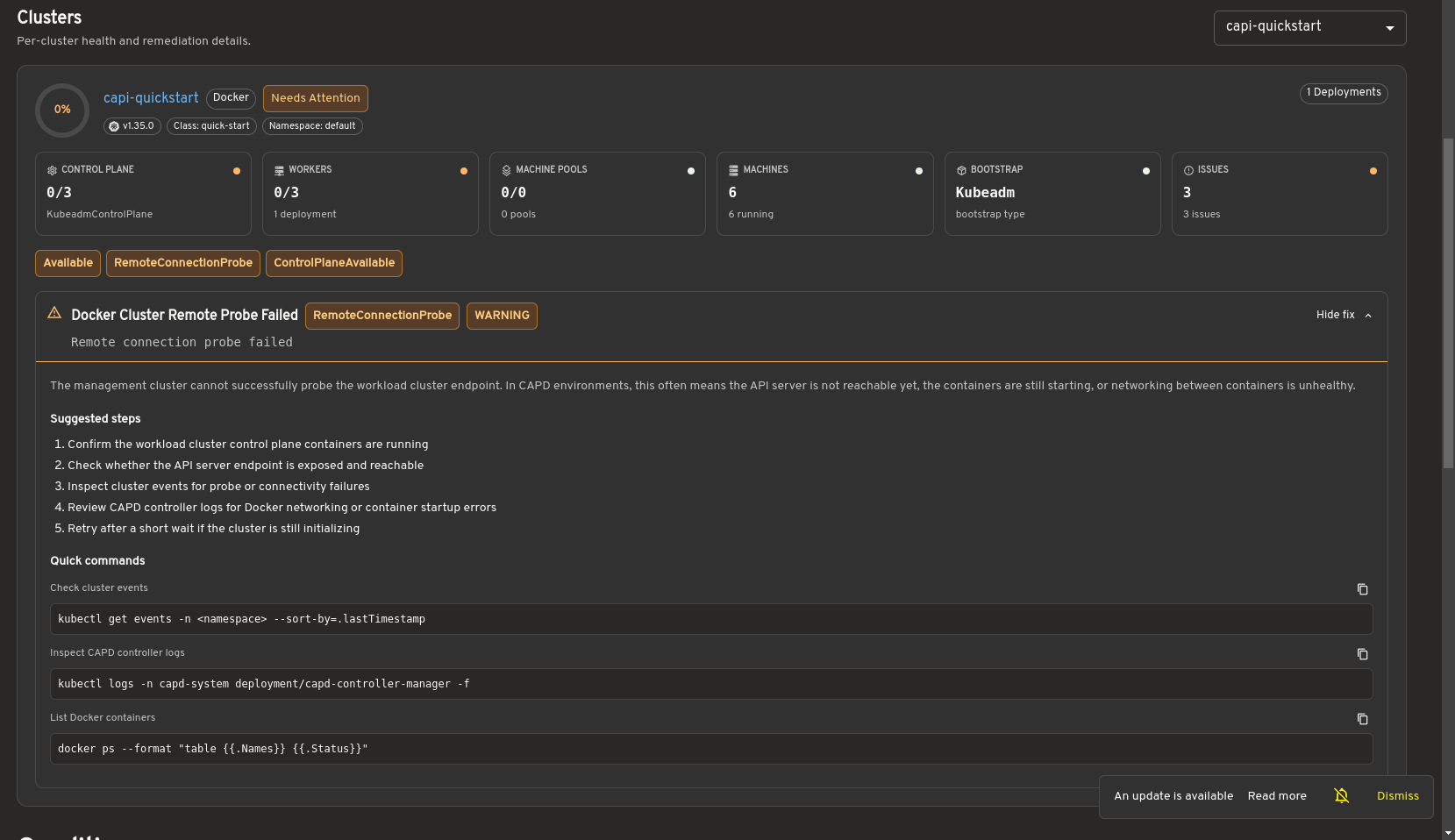
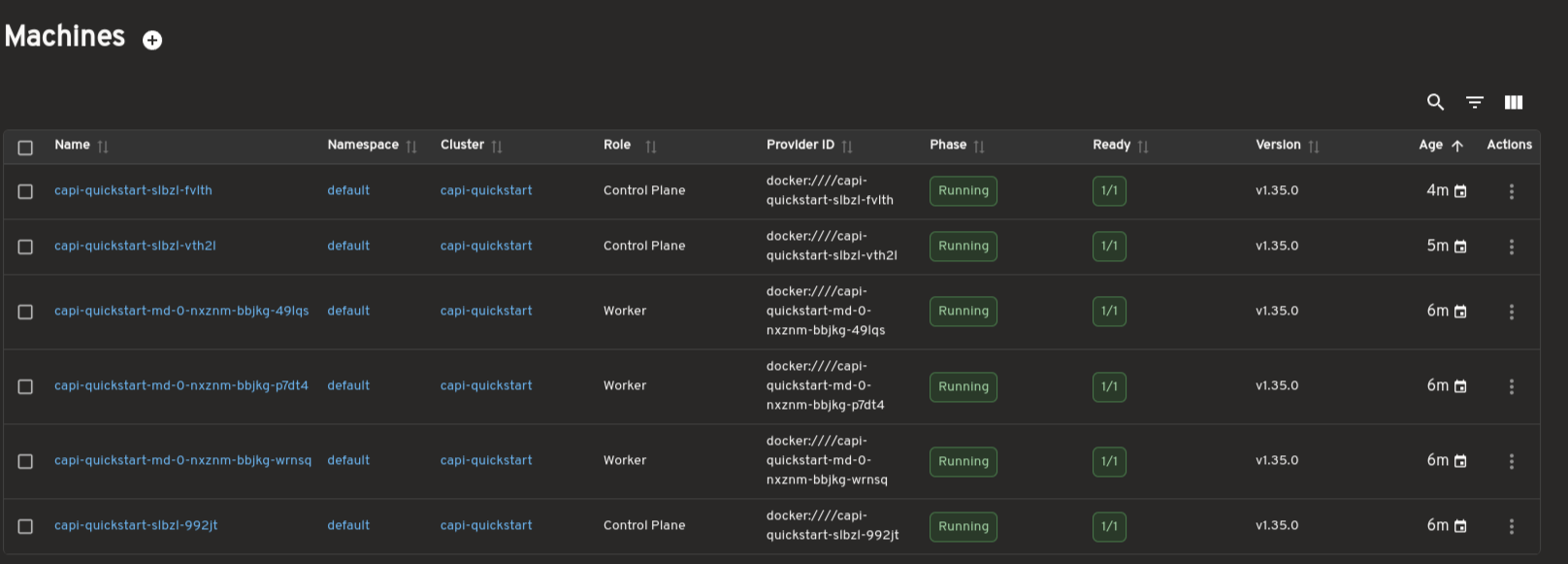
However, the "under the hood" reality of CAPI is often opaque. Tracking relationships between Clusters, MachineDeployments, MachineSets, Machines, and MachinePools requires a mental model that is difficult to maintain during a production incident. Engineers have historically relied on chaining kubectl get and kubectl describe commands, often navigating deep nesting to find the root cause of a stalled cluster upgrade or a failing node.
The Headlamp Cluster API plugin addresses these friction points by providing a centralized, browser-based control center that visualizes the state of the entire management cluster.

A New Era of Visibility: Features at a Glance
The plugin introduces a dedicated section within the Headlamp ecosystem, transforming abstract YAML definitions into actionable insights. By moving away from raw text-based inspection, the plugin offers several critical capabilities:
Centralized Dashboarding
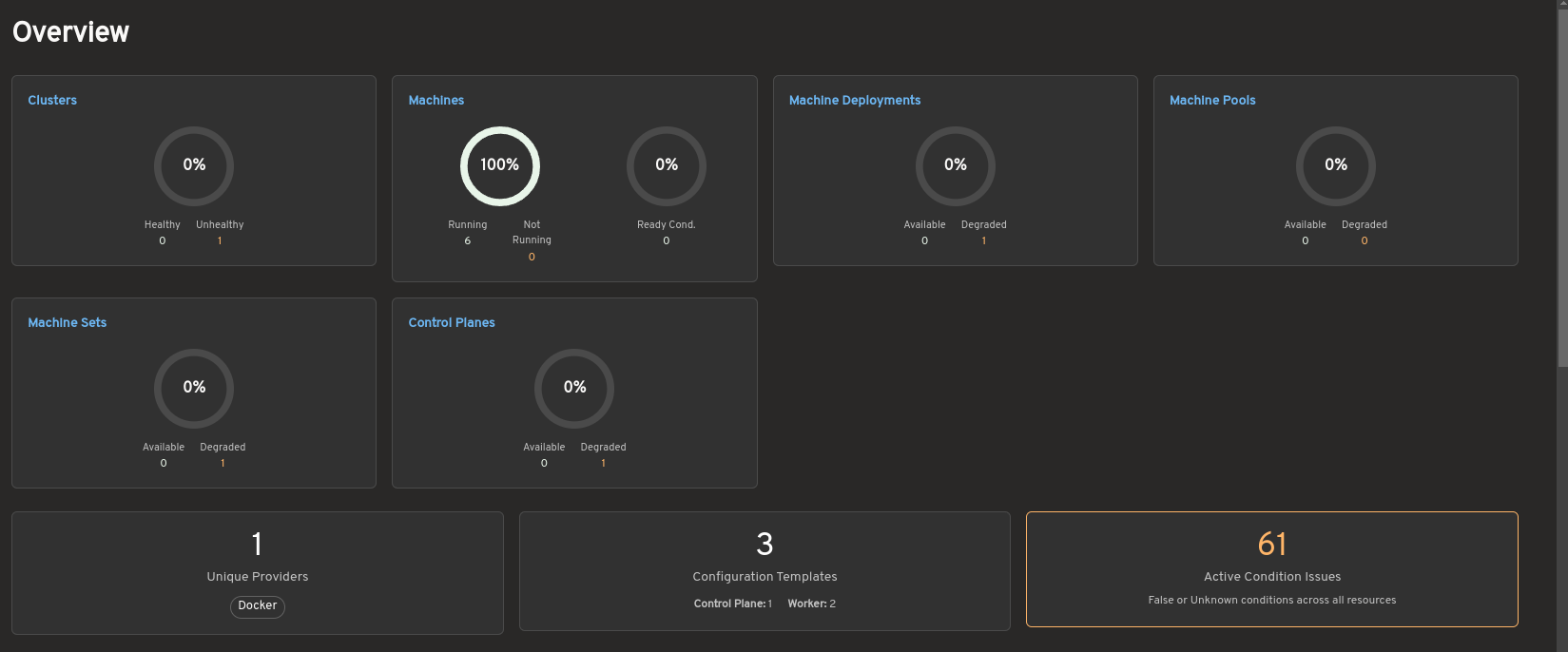
The new Cluster API dashboard provides a bird’s-eye view of an entire management environment. It aggregates the health status of all cluster components, highlighting active condition issues and provider information. This "single pane of glass" approach allows operators to instantly identify which cluster is degraded without querying multiple resource types.
Structural Visualization
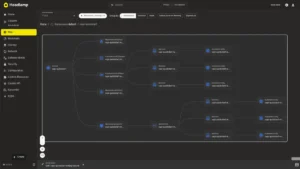
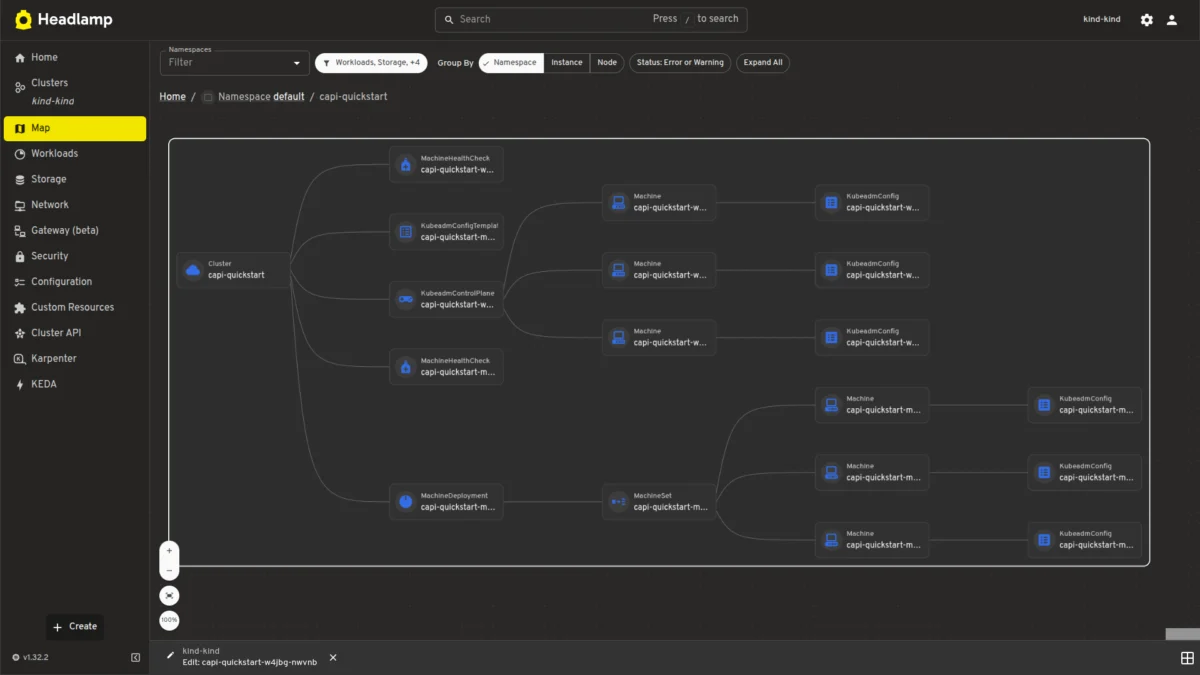
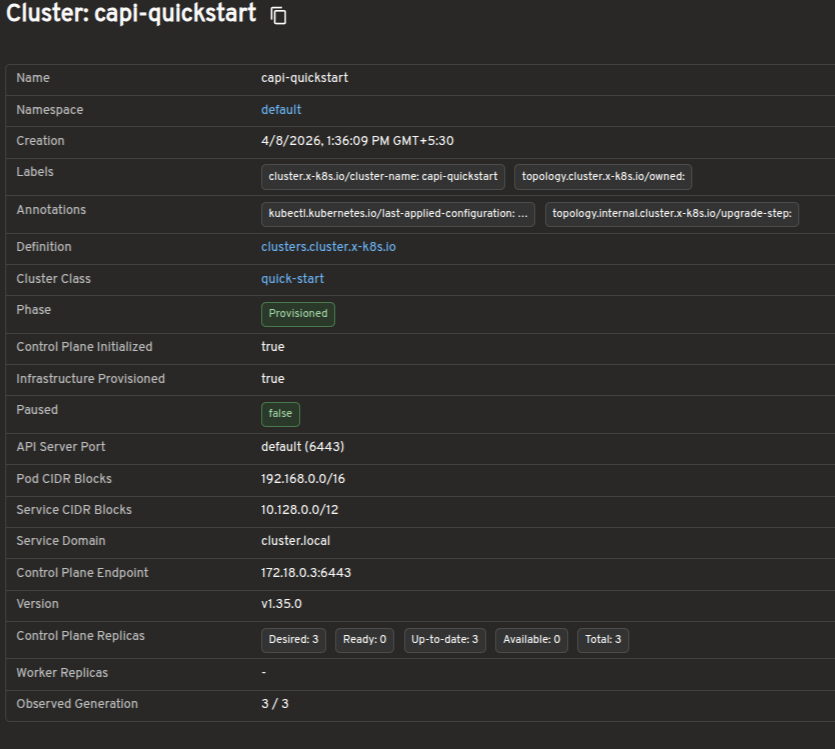
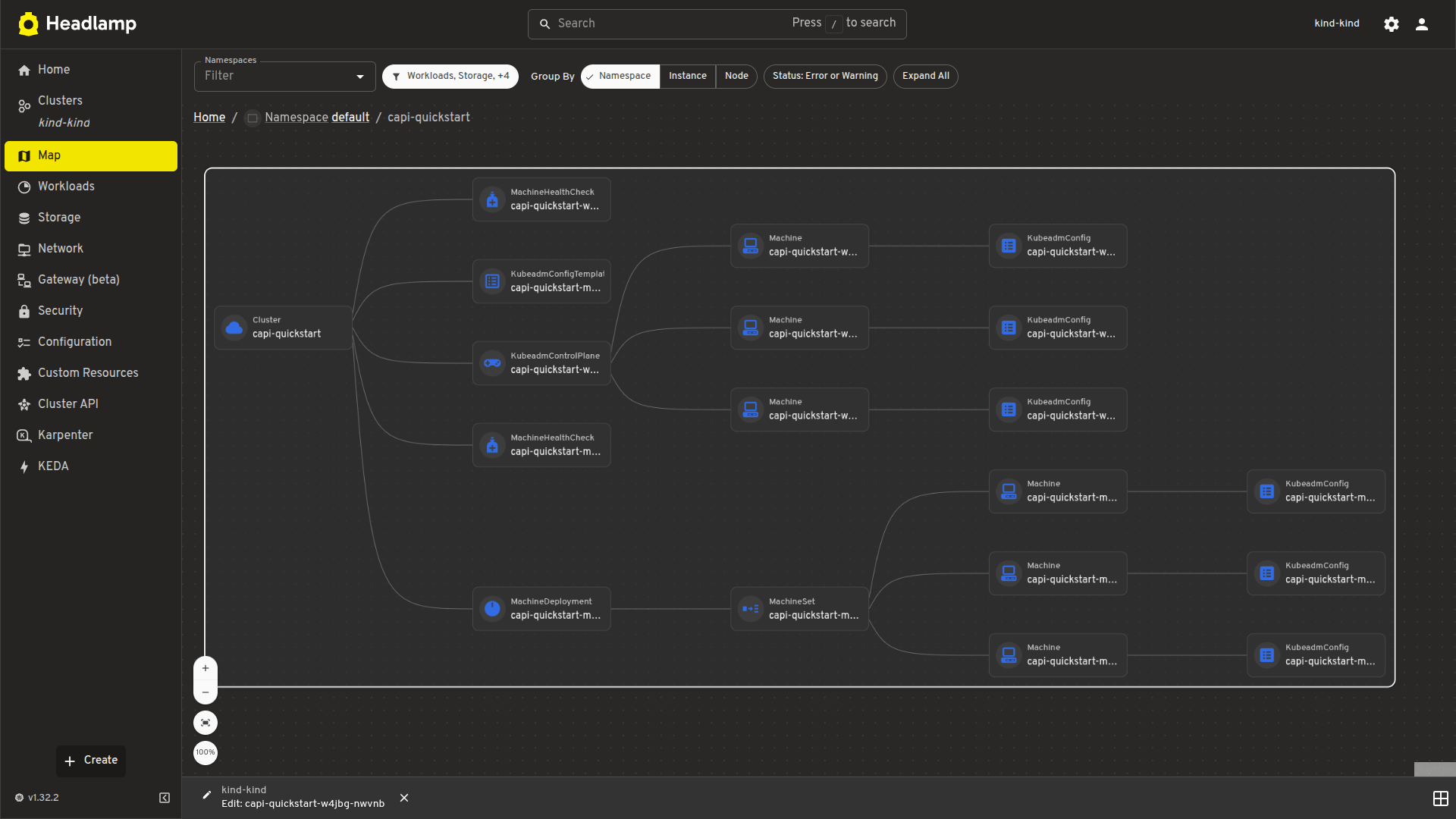
One of the most powerful features is the Map View. By visualizing the relationships between clusters, control planes, and worker nodes, the plugin removes the ambiguity of ownership hierarchies. Instead of manually cross-referencing owner references, users can see the architecture of their infrastructure at a glance.
Intuitive Scaling and Management
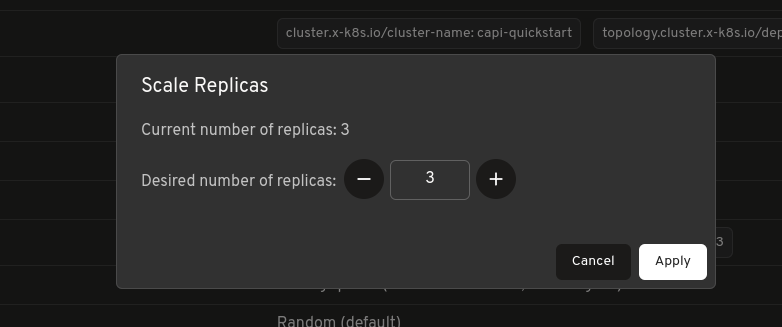
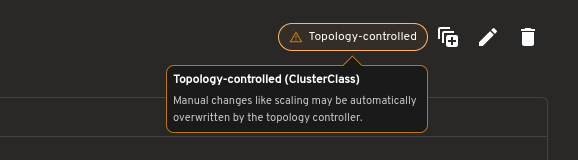
The plugin democratizes cluster operations by enabling direct interaction with infrastructure resources. Operators can scale MachineDeployments and MachineSets directly from the browser interface. Crucially, the plugin is "topology-aware," automatically guiding users to perform scaling actions at the correct level for clusters managed via ClusterClass.
Structured Configuration Inspection
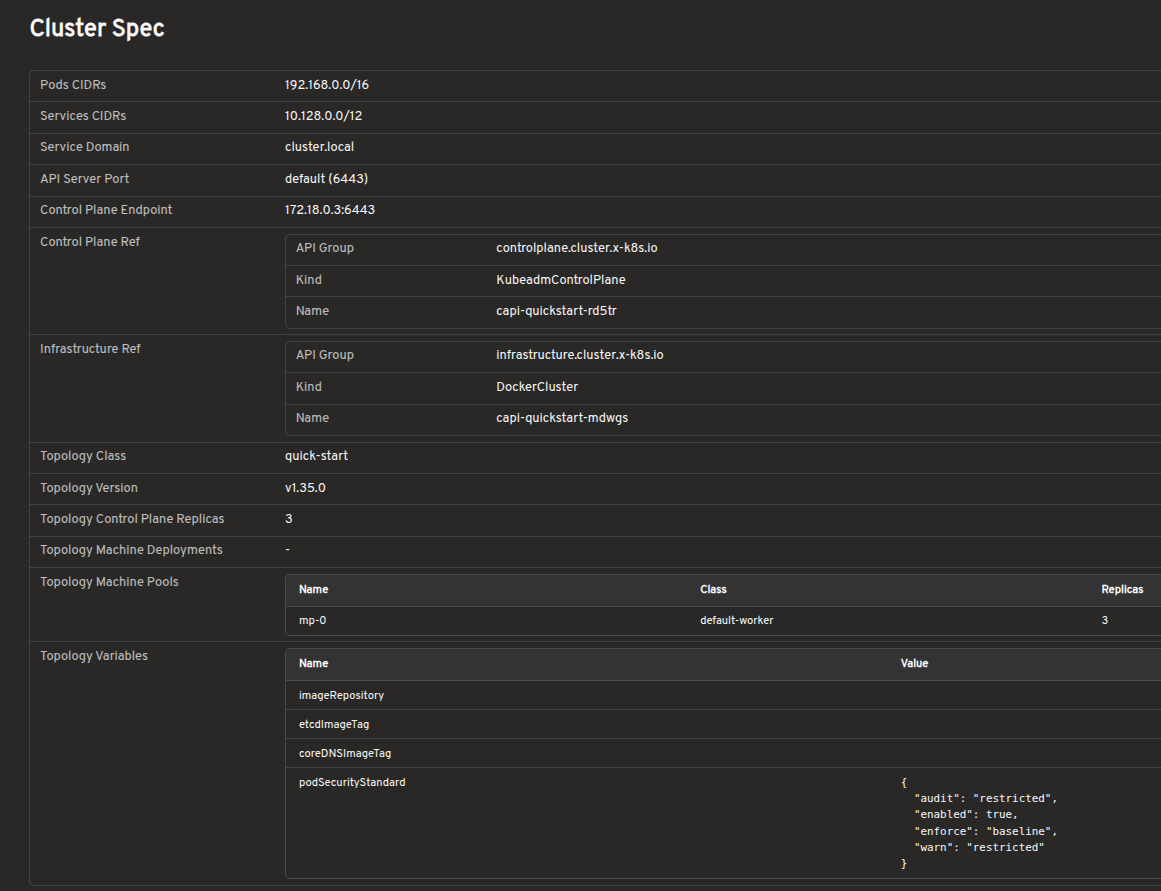
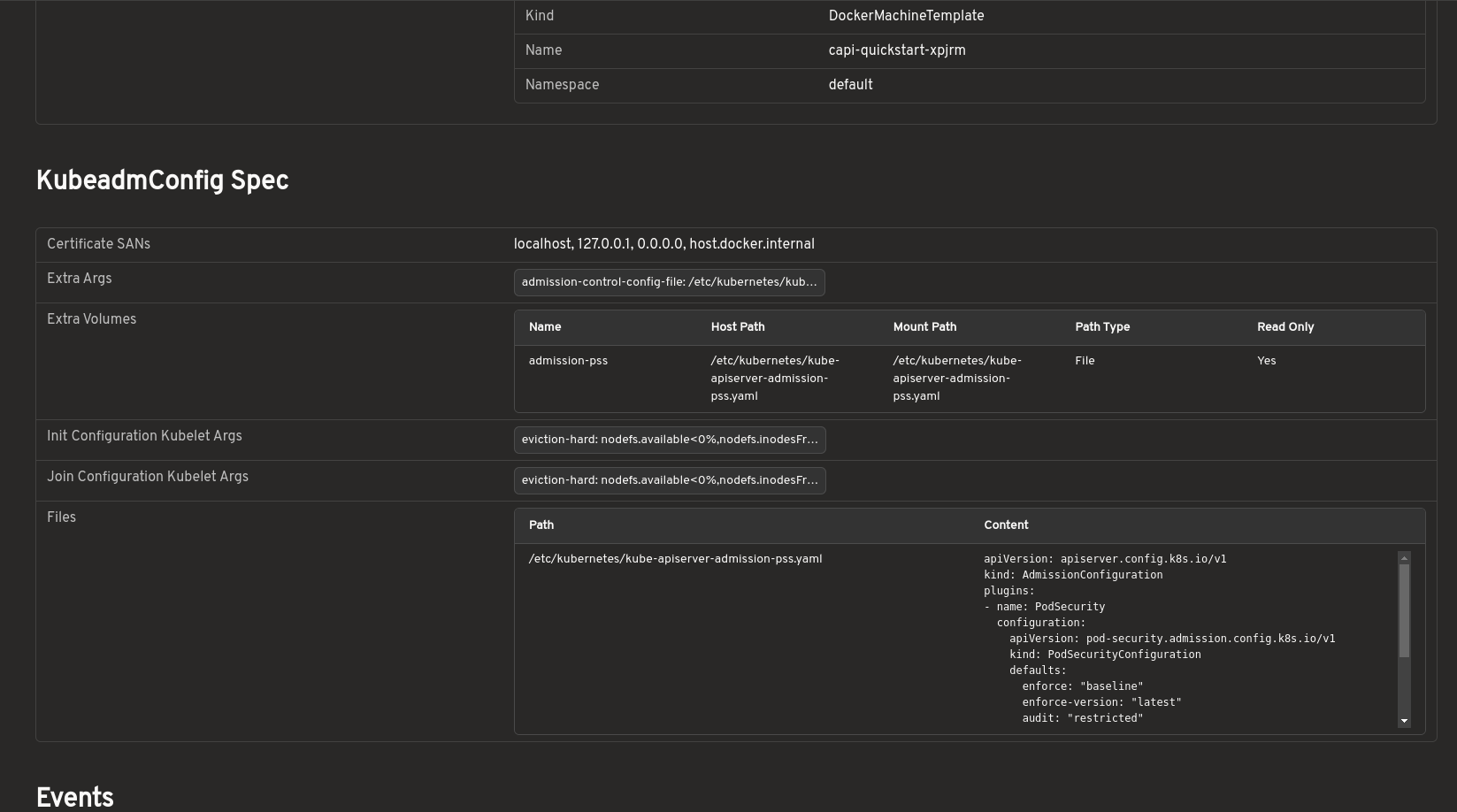
The era of sifting through thousands of lines of base64-encoded secrets or raw YAML for bootstrap configurations is coming to an end. The plugin provides a structured view of KubeadmConfig, displaying files, kubelet arguments, and join/init settings in a human-readable format.
Chronology: From Mentorship to Release
The development of the Headlamp Cluster API plugin was not an overnight success but a deliberate, community-driven journey under the CNCF LFX Mentorship program.
- Phase 1: Discovery (Early 2026): The initial focus was on user research. By speaking with platform engineers, the team identified the "pain points" of CAPI management—specifically the difficulty in correlating node status with infrastructure templates.
- Phase 2: Prototype Development: The core architecture was built, focusing on providing a read-only view of
MachineDeploymentsandMachineSets. - Phase 3: Deep Integration: The project expanded to include write operations (scaling) and the sophisticated map-view visualization, which required mapping complex ownership hierarchies into a graph-friendly format.
- Phase 4: Metrics Integration: The final stretch involved integrating the Headlamp Prometheus plugin, allowing users to see real-time performance metrics alongside their resource configuration.
- Phase 5: Alpha Release (June 25, 2026): The plugin was officially unveiled to the public, marking the transition from an experimental mentorship project to a supported open-source tool.
Technical Synergy: Integrating Prometheus Metrics
One of the standout features of this release is the tight integration with the existing Headlamp Prometheus plugin. In standard workflows, an engineer might see that a Machine is failing in the CAPI dashboard, but they would then have to navigate to a separate Grafana or Prometheus dashboard to correlate that failure with CPU or memory spikes.
By embedding metrics inline on the CAPI detail pages, the plugin enables rapid troubleshooting. An operator can now observe a cluster’s health condition and simultaneously view its real-time resource utilization. This reduction in "context switching" is expected to significantly lower Mean Time to Resolution (MTTR) during cluster outages.
Implications for Platform Engineering
The release of this plugin signifies a maturation of the Kubernetes ecosystem. As organizations shift from managing single clusters to managing fleets, the cognitive load on platform engineers has become unsustainable.
Reducing "Day 2" Operational Costs
By simplifying common tasks—such as scaling worker pools or inspecting bootstrap configs—the plugin lowers the barrier to entry for junior team members. It allows teams to manage infrastructure with higher confidence, reducing the likelihood of human error inherent in manual kubectl operations.
Standardizing Observability
The plugin enforces a consistent way of looking at CAPI resources. Regardless of the underlying infrastructure provider (AWS, Azure, GCP, or bare metal), the Headlamp view remains constant. This standardization helps teams build repeatable internal processes, as they no longer need to learn provider-specific CLI tools to monitor their clusters.
Community-Led Innovation
The development process underscores the importance of the LFX Mentorship program. By allowing contributors to work directly on the tools they use, the CNCF ensures that new features are not just theoretically sound but practically useful. The plugin’s focus on "real-world usability" is a direct result of this community-centric design approach.
Looking Ahead: The Future of CAPI Management
While the current Alpha release provides a robust feature set, the roadmap for the plugin is ambitious. Future iterations are expected to include:
- Advanced Troubleshooting Workflows: Automated "health check" wizards that can automatically run diagnostic commands against unhealthy nodes.
- Expanded Topology Support: Deeper integration with ClusterClass, allowing for more complex cross-cluster configurations.
- Enhanced Security Auditing: Providing a visual view of RBAC and network policies applied to management clusters.
As the industry moves toward more complex, multi-tenant cluster environments, tools that provide clarity will become just as critical as the orchestration engine itself. The Headlamp Cluster API plugin is a definitive step toward making Kubernetes lifecycle management as accessible as it is powerful.
For teams currently struggling with the complexities of Cluster API, this plugin offers an immediate, tangible improvement in operational efficiency. By bringing the "management cluster" out of the terminal and into the browser, the project is helping to ensure that the future of infrastructure remains manageable, observable, and, most importantly, human-centric.
For those interested in contributing to or deploying the plugin, the source code and documentation are available on the Headlamp GitHub repository.