The Legacy of "Ameyega": itch.io’s Retro April Fools’ Experiment and the Future of UI Customization
Introduction: A Digital Time Capsule
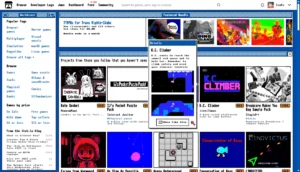
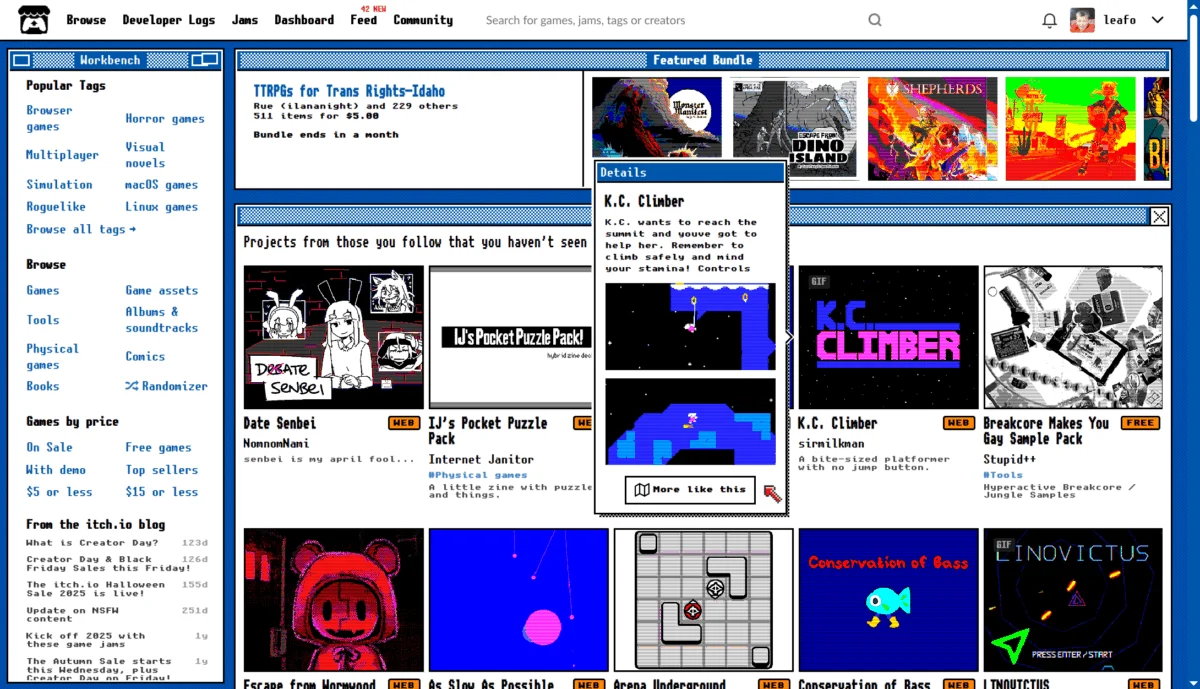
For a brief window in early April 2024, the visitors of itch.io, the world’s leading digital marketplace for independent game developers, were greeted with a jarring, yet nostalgic departure from the site’s sleek, modern aesthetic. The platform’s homepage underwent a radical transformation into "Ameyega mode," a text-heavy, ASCII-inspired interface that felt plucked from the nascent days of the internet.
What began as a tongue-in-cheek April Fools’ Day prank quickly snowballed into a polarized community discourse. While the itch.io team intended the move as a lighthearted tribute to the history of computing, the reception served as a lightning rod for broader discussions regarding site accessibility, the importance of UI/UX stability, and the community’s evolving relationship with the platform’s design language.
Chronology of the Ameyega Event
The transition to Ameyega mode was rolled out on April 1, 2024. Due to a slight delay in the deployment of the update, the itch.io development team opted to keep the aesthetic active for longer than the traditional twenty-four-hour window associated with April Fools’ pranks.
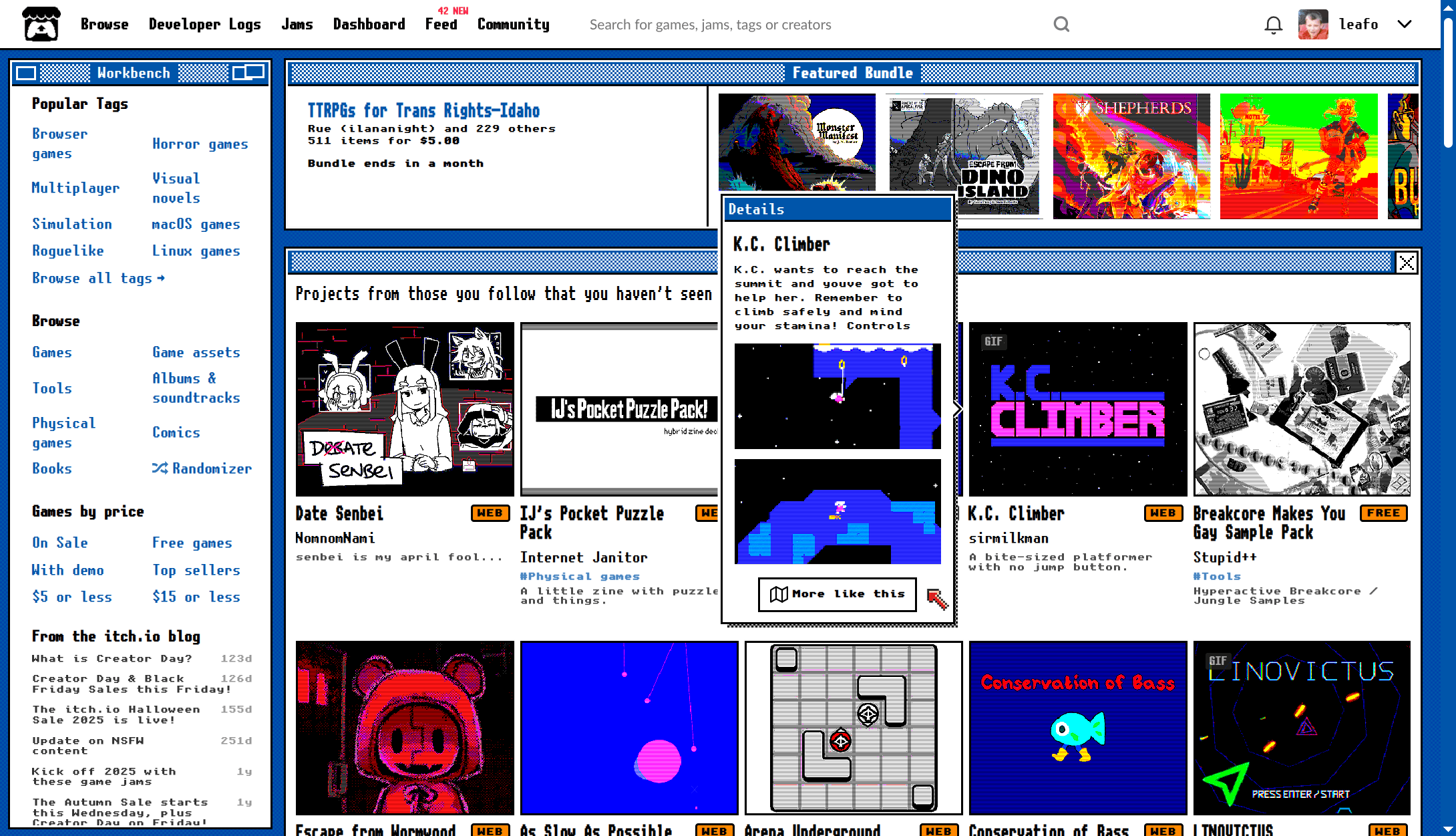
- April 1: The interface goes live. The standard, responsive, and image-heavy layout of the itch.io homepage is replaced by a monochrome, grid-based layout utilizing UNSCII fonts, a project created by developer viznut.
- April 2–3: As the "joke" persisted beyond the initial day, the community began to react in earnest. Support tickets and social media posts spiked as users grappled with navigation issues.
- April 4: The itch.io team officially acknowledged the end of the mode, noting that while the primary prank was over, the "Ameyega" URL (itch.io/?ameyega) would remain functional for users who wished to revisit the aesthetic until further notice.
Supporting Data: A House Divided
The reaction to the Ameyega update was markedly bifurcated, providing a fascinating case study in user base demographics and accessibility needs.
The Proponents of Nostalgia
A significant segment of the community expressed genuine affection for the design. Users praised the ASCII aesthetic as a "delightful throwback" that captured the indie spirit of the site. For many, the minimalist, text-focused approach was not merely a prank but an efficient way to browse content without the "clutter" of high-resolution banners and thumbnails. Several users requested that the mode be preserved as an optional theme, suggesting a market desire for retro-style browsing experiences.
The Accessibility and UX Critique
Conversely, a vocal portion of the user base reported significant friction. The complaints centered on three primary pillars:
- Accessibility: Users with visual impairments reported that the high-contrast, low-resolution aesthetic was difficult to parse, leading to eye strain and navigation fatigue.
- Functionality: As the theme was deployed, it inadvertently broke several standard site features, including the "Dark Mode" integration that many users rely on for extended browsing sessions.
- Professionalism: Some developers argued that because itch.io serves as a professional storefront, the "prank" compromised the platform’s credibility, making it difficult for creators to showcase their work in a serious context.
Official Responses and Technical Adjustments
The itch.io development team maintained a transparent stance throughout the duration of the event. In their official update, they credited the use of the UNSCII font library and admitted to the "late" deployment of the feature, which led to the extended duration of the prank.
When issues regarding the "Dark Mode" toggle began to surface, the team demonstrated responsive management. Within hours of user reports, technical adjustments were implemented to ensure that the site’s backend settings, such as theme preferences, were correctly acknowledged even within the constraints of the experimental layout. This back-and-forth between the developers and the user base highlights the inherent difficulty of maintaining a large-scale platform while simultaneously experimenting with its core identity.
Implications for the Future of itch.io
The Ameyega event serves as more than just a footnote in the site’s history; it provides several key takeaways for the platform’s future development.
The Demand for Theming
The request by many users to keep the "Ameyega" look as a permanent, optional theme is indicative of a broader trend in software: the desire for user-driven customization. As platforms grow, the "one-size-fits-all" approach to UI often leaves segments of the user base alienated. The success of the "retro" aesthetic suggests that itch.io could benefit from a "Themes" library, allowing users to toggle between different layouts that cater to either high-fidelity visuals or minimalist, text-based navigation.
The Balancing Act of Community Engagement
The feedback loop within the comment sections—where users voiced concerns about "locked" accounts and broken navigation—reminds the platform of its primary mission: to foster a space where developers can interact with their audience. When UI experiments interfere with these fundamental interactions, the community is quick to push back. The incident highlights that while innovation is encouraged, it must not come at the expense of the core functionality that keeps the indie game ecosystem alive.
Addressing the "Gated" Community
A recurring theme in the feedback was the frustration regarding communication. Users noted that they felt "locked out" of forming connections on game pages, a critical aspect of the itch.io experience. The Ameyega prank acted as a catalyst for these frustrations to surface, suggesting that the platform’s user base is currently highly sensitive to any changes that threaten their ability to network and support one another.
Conclusion: Lessons from a Digital Prank
The Ameyega experiment was a bold, if divisive, exercise in brand personality. It demonstrated that itch.io is not a faceless corporate entity, but a platform with a distinct, often playful, personality. However, it also underscored the profound responsibility that comes with managing a community of thousands of independent developers.
Moving forward, the challenge for the itch.io team will be to channel the creativity that birthed Ameyega into sustainable, user-friendly features. Whether or not the team decides to implement a permanent "retro" theme, they have learned a valuable lesson about their audience: they are a community that cares deeply about the platform, holds strong opinions about its usability, and is not afraid to demand a seat at the table when the UI undergoes change.
For now, the Ameyega mode sits as a preserved artifact—a link to a moment when the site turned back the clock to remind its users of the roots of digital gaming. It stands as a testament to the fact that in the world of independent development, the interface is often just as important as the content it holds. As the dust settles on this April Fools’ event, one thing remains clear: the conversation about the future of the itch.io homepage is far from over.
Summary of Key Findings
- Duration: The event lasted longer than a standard 24-hour cycle, prompting a mixture of delight and frustration.
- Technical Impact: The design caused temporary conflicts with site-wide accessibility settings like Dark Mode, which were eventually patched.
- User Sentiment: Community response was highly polarized, highlighting a divide between users seeking nostalgic novelty and those requiring consistent, accessible, and professional interfaces for their storefronts.
- Future Outlook: There is clear, demonstrated interest in optional, customizable UI themes, a feature the platform may consider to satisfy the diverse needs of its user base.