Navigating a New Era: The FDA’s Strategy for Workforce Recovery and Global Competitiveness
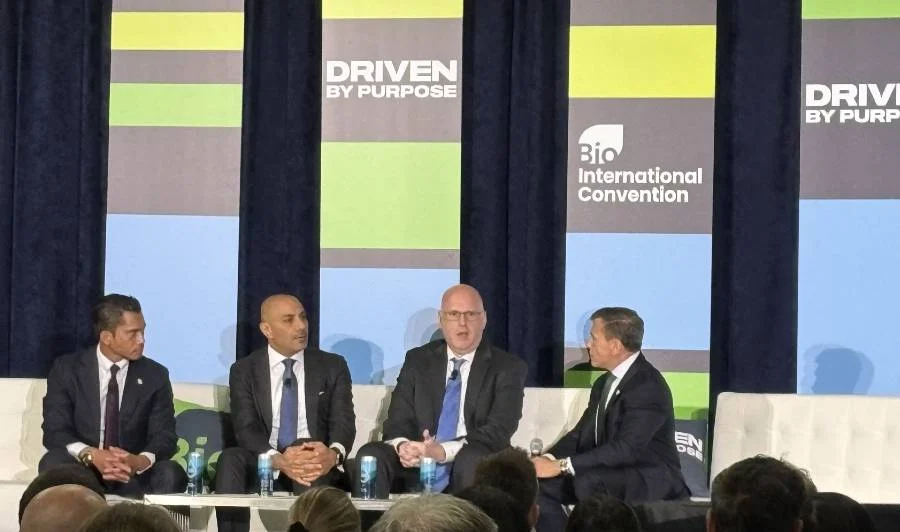
SAN DIEGO — Amidst the sprawling exhibition halls of the Biotechnology Innovation Organization (BIO) 2026 meeting, a pivotal conversation took place that signaled a profound, perhaps generational, shift in the trajectory of the U.S. Food and Drug Administration (FDA). As the agency grapples with the fallout of significant staffing turbulence and a rapidly shifting global geopolitical landscape, its leadership is pivoting toward a dual mandate: stabilizing the internal foundation while aggressively modernizing regulatory pathways to maintain American hegemony in biotechnology.
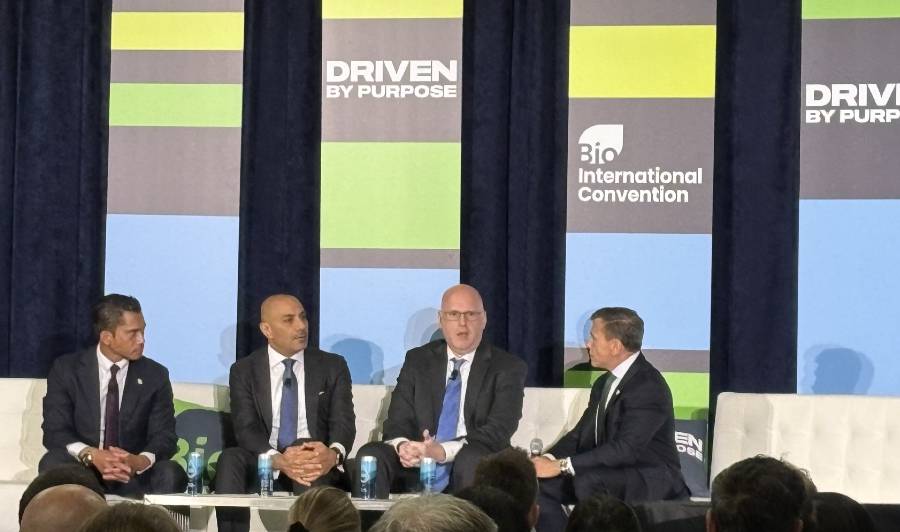
Moderated by BIO President and CEO John Crowley, the town hall featured three key figures currently steering the ship: Lowell Zeta, JD, acting chief of staff at the FDA; Karim Mikhail, acting director of the Center for Biologics Evaluation and Research (CBER); and Michael Davis, MD, PhD, acting director of the Center for Drug Evaluation and Research (CDER). Before a capacity crowd, these leaders outlined a vision for an agency that is not only "as fast as it is rigorous" but one that is reclaiming its role as a beacon of innovation in the face of intensifying international competition.
The Path to Institutional Stabilization
The FDA’s current operational reality is defined by its recovery from a tumultuous period. The agency recently faced a massive, government-mandated reduction in staffing—a byproduct of the Department of Government Efficiency (DOGE) initiatives—compounded by a high-velocity turnover of senior leadership.
Addressing the Knowledge Gap
The loss of institutional knowledge during this period of unpredictability was a recurring, if briefly acknowledged, theme of the panel. Rather than focusing on the past, the panelists emphasized the logistical necessity of workforce fortification.
For Michael Davis, the directive has been clear: stabilize the CDER workforce to ensure the continuity of drug reviews. "My initial efforts were aimed at fortifying the center and specifically the workforce, while identifying concrete strategies for retention and revitalized recruitment," Davis noted.
Recruitment and Retention Metrics
The scale of the agency’s ambition is reflected in its current hiring mandate. The FDA is actively seeking to fill more than 2,200 authorized positions. According to Lowell Zeta, the agency has already initiated the onboarding process for approximately 600 new hires, a figure that serves as an early indicator of progress in the agency’s recovery phase.
The strategy for long-term retention is rooted in increased transparency and communication. Leadership has implemented forums that allow staff to interact directly with agency heads to discuss operational challenges and systemic support needs. The efficacy of these initiatives appears to be taking hold; notably, staff attrition within CDER has returned to historical, sustainable levels.
Modernizing Clinical Development: Operation TrialBlazer
The cornerstone of the agency’s modern approach is the recent launch of "Operation TrialBlazer," an initiative under the broader umbrella of the U.S. Department of Health and Human Services (HHS). This policy shift represents a move away from the traditional, comprehensive review paradigm toward a more flexible, adaptive clinical development process.
Streamlining Phase I
The FDA’s proposed actions are designed to reduce the administrative friction that often stalls drug development in its infancy. By streamlining Phase I submission requirements, the agency aims to provide developers with greater clarity regarding essential data versus information that can be deferred to later stages.
"We have incredible rigor," Karim Mikhail noted, articulating the agency’s philosophy. "But we need to make sure that we are also as fast as we are rigorous." This philosophy is now being stress-tested through public comment periods, where the scientific community is invited to refine these proposed regulatory modernizations.
Integrating the Patient Voice
A significant portion of the dialogue focused on humanizing the data-heavy world of regulatory approval. Dr. Davis shared a poignant example of the agency’s commitment to patient-centricity, citing a listening session with families of children with Smith-Magenis syndrome.
"Asking what the effect is on the family dynamic makes it more real when connecting the data to what patients are actually experiencing," Davis said. This approach ensures that the FDA’s decision-making process is anchored in the daily realities of the populations they serve, rather than purely abstract clinical endpoints.
The Geopolitical Context: The "China Crisis"
Perhaps the most pressing existential threat discussed at BIO 2026 was the shifting geography of clinical trials. The consensus among industry leaders and the FDA panel was that the U.S. is currently losing ground in the global biotech race.
The Innovation Deficit
John Crowley did not mince words, stating, "China is frankly eating our lunch." The high costs and regulatory hurdles inherent in the U.S. system have forced many American innovators to relocate their early-stage trials to international markets, primarily China.
This migration of clinical infrastructure is no longer viewed merely as an economic issue but as a matter of national security. The FDA is now being tasked with a broader mission: to serve as a beacon of innovation. This requires the integration of emerging technologies—such as artificial intelligence, digital health monitoring, and wearable sensors—to modernize the clinical trial environment and lower the barrier to entry for domestic firms.
Official Responses and Regulatory Second Chances
The panel addressed concerns regarding the recent streak of rejected applications, signaling a newfound flexibility in the agency’s stance. In a move that surprised some in the audience, the FDA indicated a willingness to revisit decisions made over the past several months.
Re-evaluating Decisions
If companies whose applications were recently rejected choose to resubmit, the agency will provide a comprehensive review. "I want to make sure that we’re getting the decisions right in a way that has the confidence of the American public," Davis stated. He emphasized that the agency’s primary goal remains the public trust, which is maintained through the collaborative efforts of its multidisciplinary expert staff.
The Parameters of Safety
However, this "second chance" policy comes with a caveat. Karim Mikhail clarified that the agency will not lower its safety standards to accommodate industry pressure. The priority remains to foster an environment where safety is paramount while ensuring that the scientific expertise within the FDA is leveraged to find "the best path forward" for patient access.
"Everybody wants what is best for the patients," Mikhail added. "We are ensuring that everyone is on the same page with regards to that second chance, but we must maintain that rigor."
Implications for the Future of Biotechnology
The town hall at BIO 2026 suggests that the FDA is entering a period of deliberate evolution. The implications for stakeholders are multifaceted:
- For Innovators: The shift toward adaptive clinical design and the modernization of Phase I requirements could significantly reduce the time and capital required to reach proof-of-concept.
- For Investors: The agency’s focus on workforce stability and clearing the backlog suggests a more predictable, if still rigorous, regulatory environment.
- For the Public: The emphasis on patient-centric data collection implies that the next wave of approved therapies may be better aligned with actual patient needs and quality-of-life improvements.
As the FDA continues to rebuild its human capital and refine its regulatory framework, the broader industry will be watching closely. The agency’s success in balancing its identity as a "guardian of public health" with its new role as a "catalyst for innovation" will likely define the next decade of American biotechnology.
The message from the San Diego stage was clear: the era of organizational turbulence is being managed, and the focus has shifted firmly to the future. Whether the agency can successfully navigate the tension between safety and speed—and ultimately secure its position in a competitive global market—remains the defining challenge of the current leadership.