Amazon Unveils CloudWatch Omni: A Paradigm Shift in AI Agent Observability and Generative Application Management
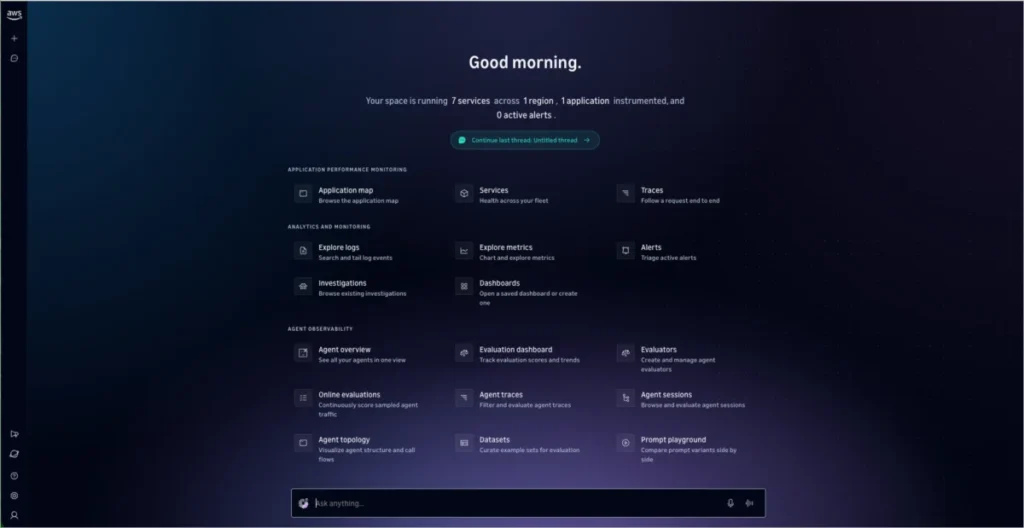
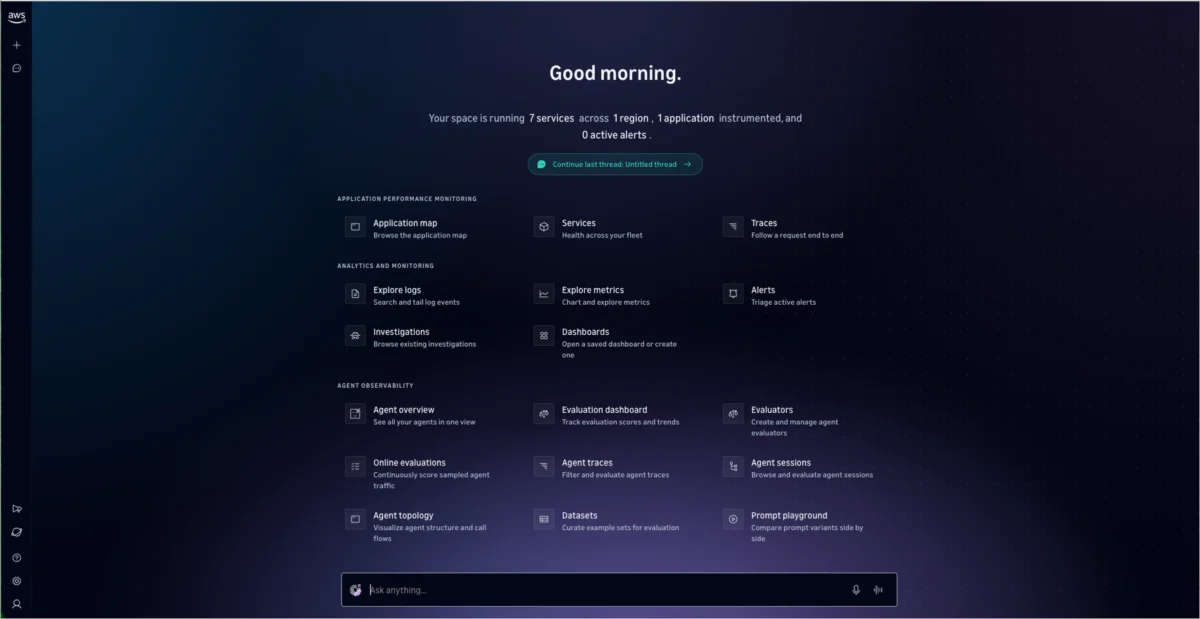
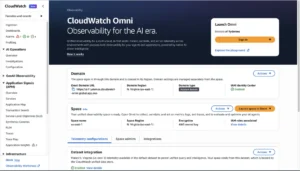
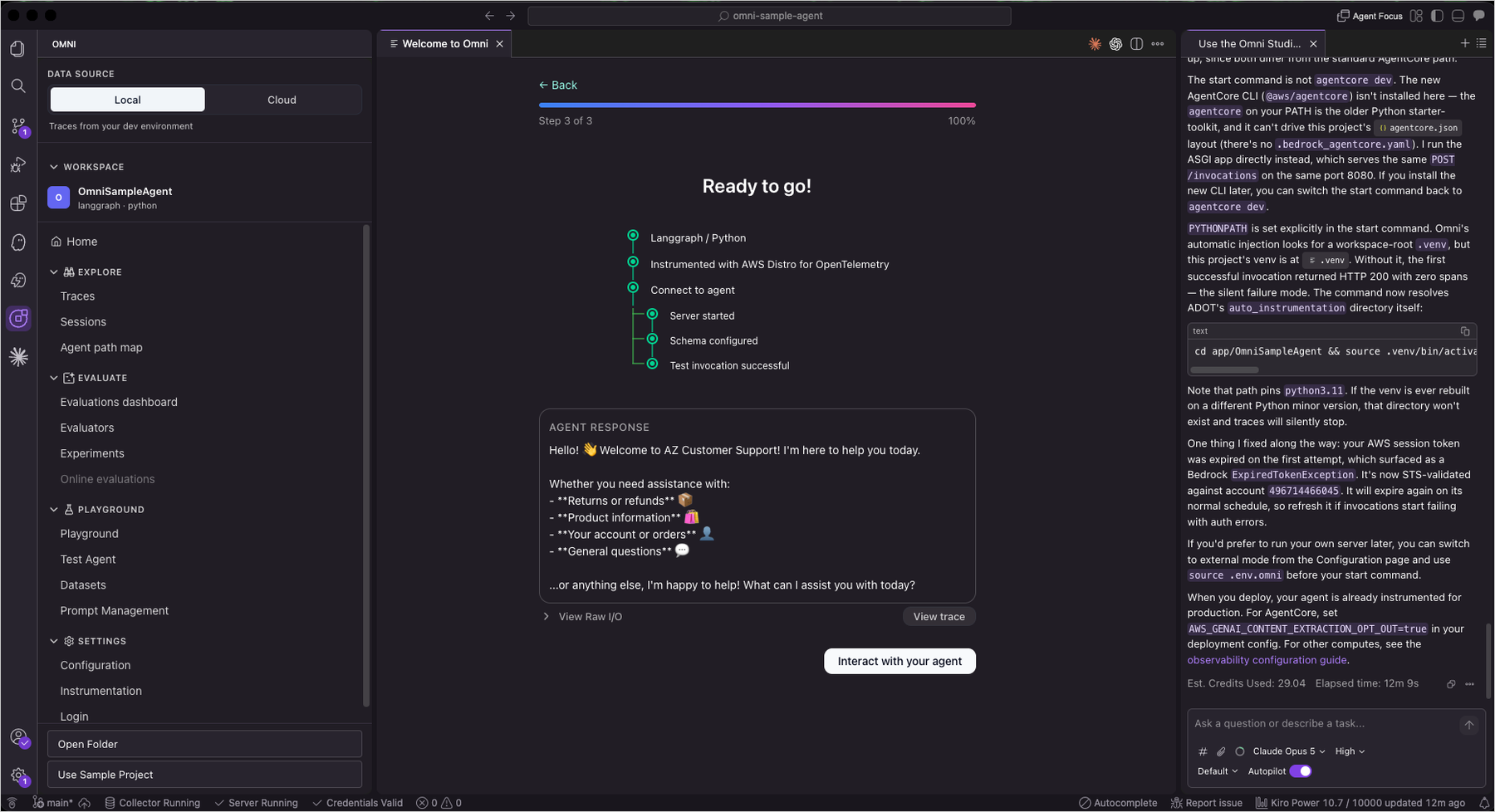
SEATTLE — In a major development poised to reshape how engineering teams build, evaluate, and scale autonomous artificial intelligence, Amazon Web Services (AWS) has officially announced the general availability of Amazon CloudWatch Omni. Billed as a unified, app-centric, and AI-powered observability platform, CloudWatch Omni is engineered specifically to tackle the non-deterministic complexities of modern agentic AI systems.
Designed to operate seamlessly off-console—directly inside integrated development environments (IDEs) and via a standalone web-based dashboard—CloudWatch Omni bridges the historical divide between software development and cloud operations. By supporting open standards such as OpenInference and the AWS Distro for OpenTelemetry (ADOT), the solution provides deep operational visibility across any model provider, runtime, or framework without forcing organizations to re-platform their existing infrastructure.
Main Facts: What Is CloudWatch Omni?
At its core, CloudWatch Omni is a purpose-built observability, evaluation, and experimentation environment tailored for autonomous AI agents and complex generative applications. Traditional monitoring tools—built for deterministic request-response architectures—often fall short when tracking AI agents. Because agent behavior is probabilistic, a minor prompt tweak or an unexpected dependency shift can drastically degrade output quality, even while standard metrics report zero errors.
CloudWatch Omni addresses this friction through a comprehensive suite of features:
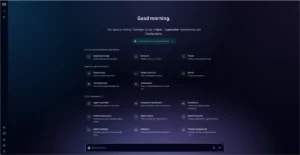
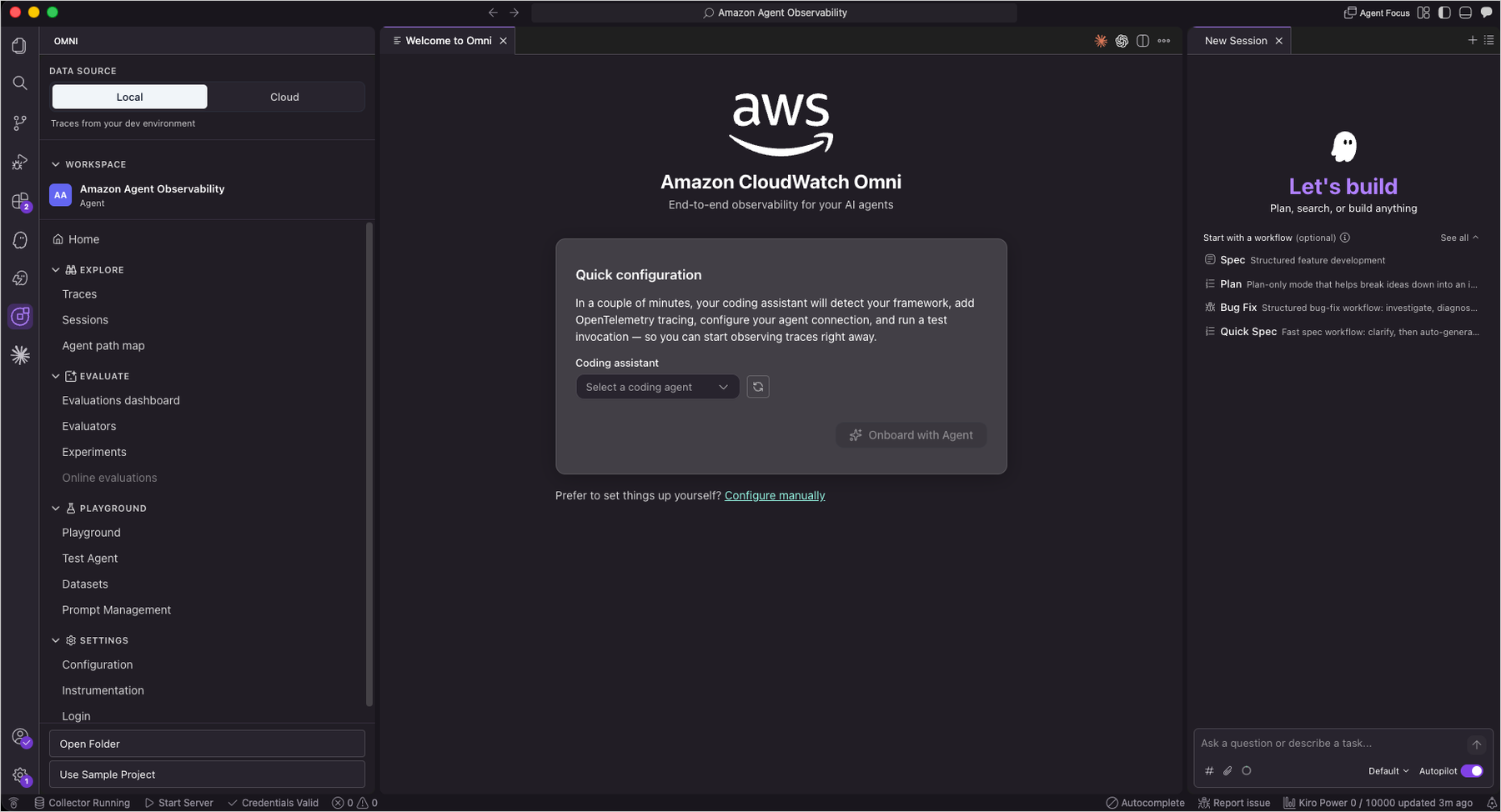
- Dual-Surface Architecture: Developers interact with the tool natively inside their IDEs (currently supporting VS Code and Kiro), while operators manage fleet performance through a standalone web interface accessible via Single Sign-On (SSO), entirely separate from the AWS Management Console.
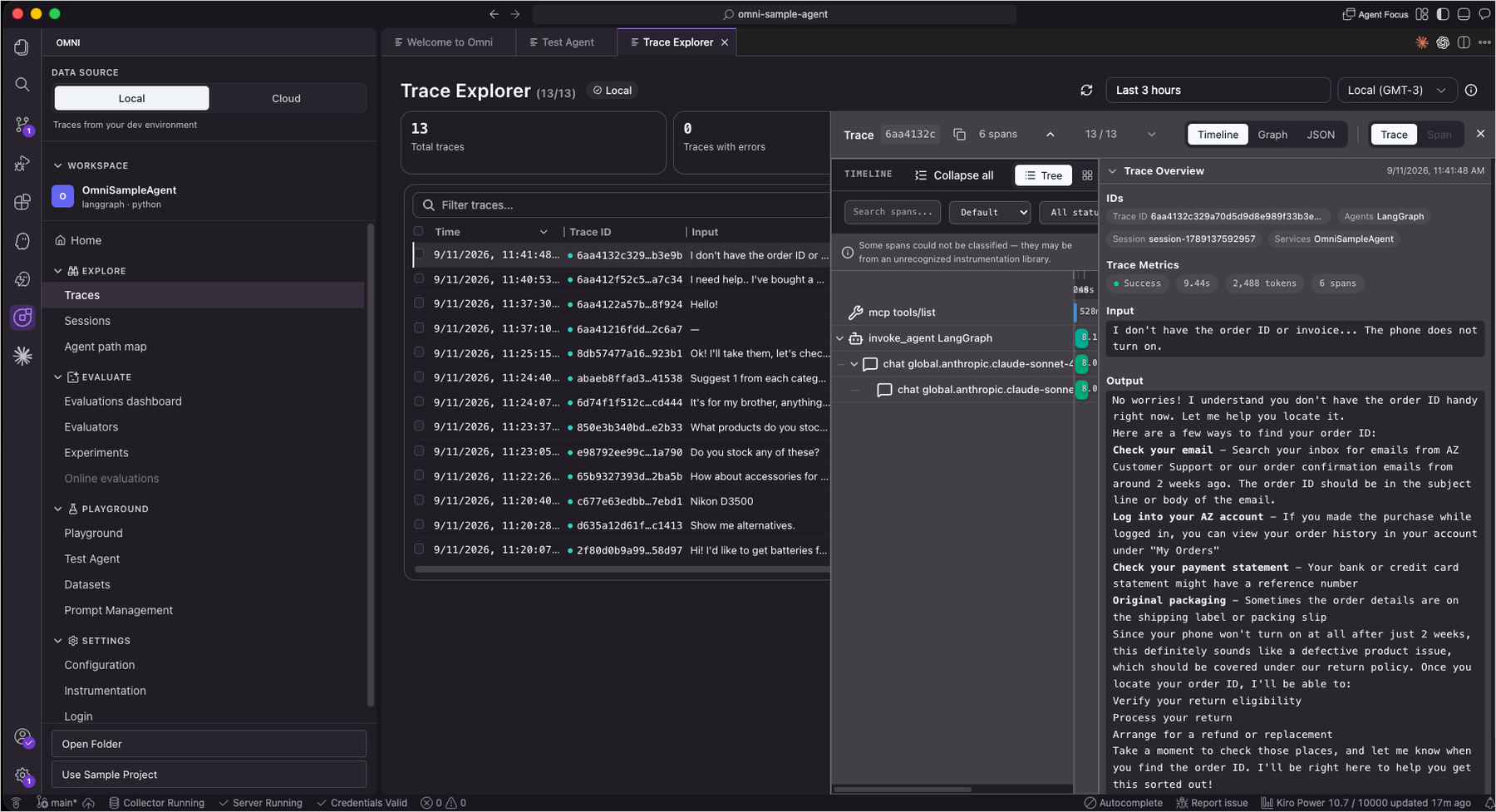
- Granular Trace Explorer: Captures every step of an agent’s execution lifecycle—including language model calls, tool selections, multi-turn reasoning chains, and sub-calls—rendered in a structured, hierarchical timeline.
- Comprehensive Built-In Evaluators: Features 17 native evaluation dimensions (such as correctness, coherence, helpfulness, faithfulness, and routing accuracy) alongside integrations with third-party tools like DeepEval and AutoEval.
- Interactive Playgrounds & Prompt Management: Enables engineers to run side-by-side prompt comparisons, build golden test datasets from production traffic, and track prompt versions over time to prevent regressions.
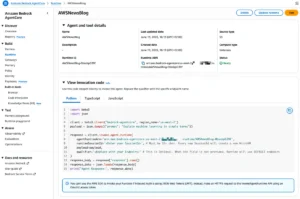
- Broad Framework Compatibility: Works natively with popular developer frameworks—including LangChain, LangGraph, CrewAI, the OpenAI SDK, Strands, and Vercel AI SDK—in both Python and TypeScript, alongside deep integration with Amazon Bedrock AgentCore.
Chronology: The Evolution Toward Agent-Centric Observability
The release of CloudWatch Omni represents the culmination of years of rapid advancement in generative AI and the subsequent operational challenges faced by enterprise engineering teams.
Phase 1: The Rise of Generative Silos (2023–2024)
As enterprises rushed to deploy large language models (LLMs), engineering teams quickly realized that traditional application performance monitoring (APM) tools lacked the capability to inspect internal model reasoning. Developers relied on fragmented, siloed monitoring scripts or browser-based dashboards that required constant context-switching. Debugging an agent meant manually parsing thousands of lines of unstructured logs across multiple disparate systems.

Phase 2: The Shift to Agentic Workflows (2025)
The industry rapidly evolved from simple chat completions to autonomous multi-agent systems capable of utilizing external tools, executing multi-step reasoning, and calling APIs independently. This non-deterministic behavior exacerbated debugging hurdles. A failure in an agentic loop could stem from a faulty prompt, an improper tool selection, or a minor drift in retrieval-augmented generation (RAG) quality.
Phase 3: The Introduction of CloudWatch Omni (September 2026)
Recognizing that observability could no longer be an afterthought confined to cloud consoles, AWS developed CloudWatch Omni to bring telemetry directly into the developer’s workspace. By launching the tool with local-first capabilities, AWS eliminated the friction of immediate cloud provisioning. Developers can now build, test, trace, and evaluate agents entirely on their local machines, opting to connect to AWS cloud storage only when preparing for production deployment.
Supporting Data & Architectural Mechanics
To understand the scale of efficiency CloudWatch Omni introduces, one must examine its technical mechanics and workflow integration.
Local-First Development to Cloud-Scale Operations
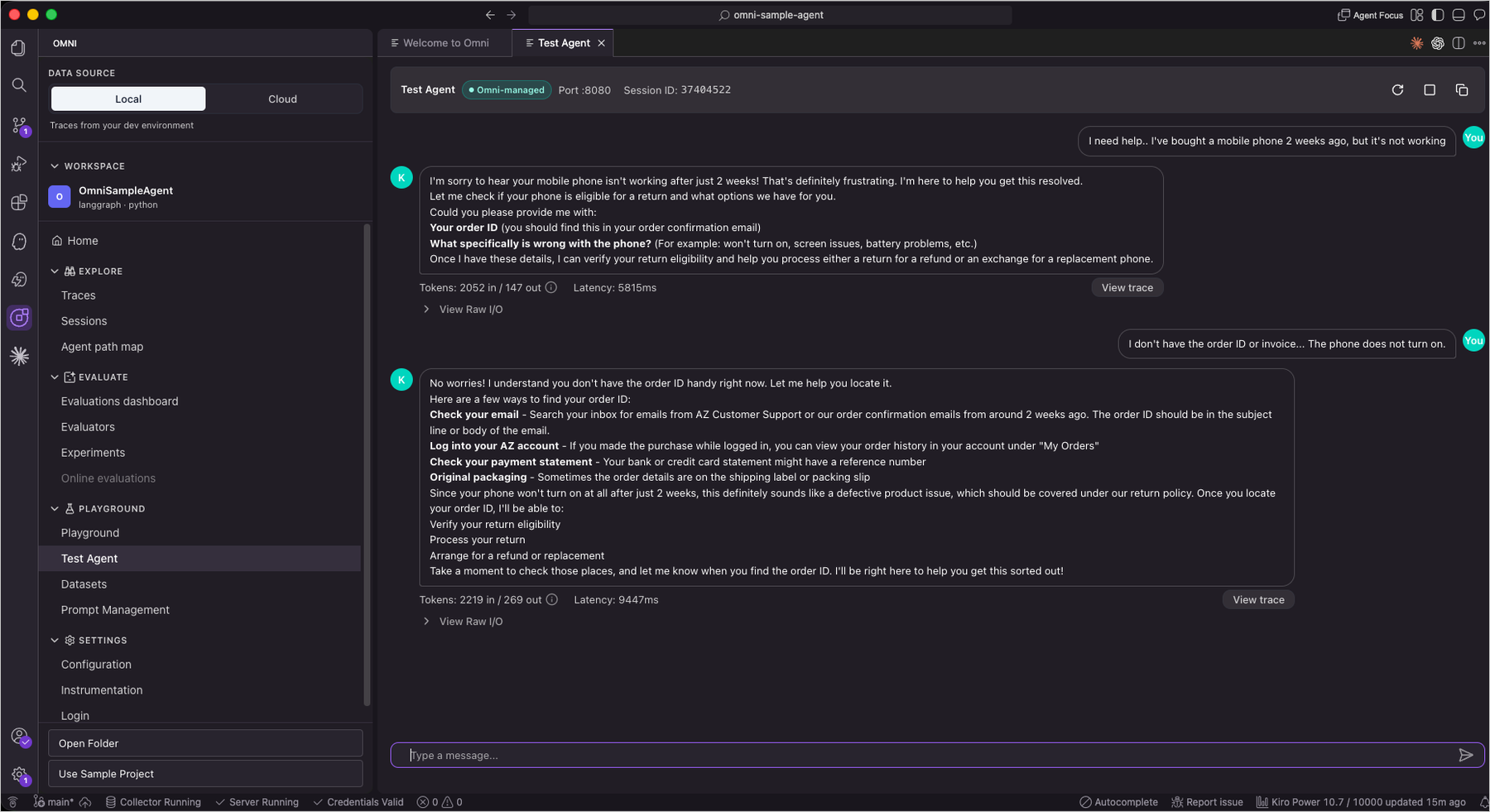
CloudWatch Omni bridges the gap between local testing and cloud monitoring through its optional Cloud Login feature. During early development phases, developers can use the Omni VS Code extension completely offline or locally. Telemetry data is stored locally by default, allowing for rapid iteration without incurring cloud resource overhead or requiring an active AWS account beyond basic model provider API keys (such as OpenAI or Anthropic).
Once an agent is ready for production, engineers can connect their local environment to their AWS account. Crucially, the telemetry trace a developer debugs in their IDE is the exact same trace an operator investigates in the cloud-based web console. This eliminates the traditional communication barrier between development and operations teams ("it worked on my machine").
[Local IDE (VS Code / Kiro)]
       │
       ▼  (Optional Cloud Login)
[Amazon CloudWatch Omni Backend] ──> [Persistent Storage & Analytics]
       ▲
       │  (SSO Access, No AWS Console Needed)
[Standalone Web Operations Experience]
Trace Exploration and Compare Mode
When an agent produces an unexpected result, the Trace Explorer breaks down the execution path into individual spans. Engineers can drill down into any span to inspect:
- Input prompts and raw outputs
- Exact token consumption metrics
- Latency per step
- Tool invocation payloads
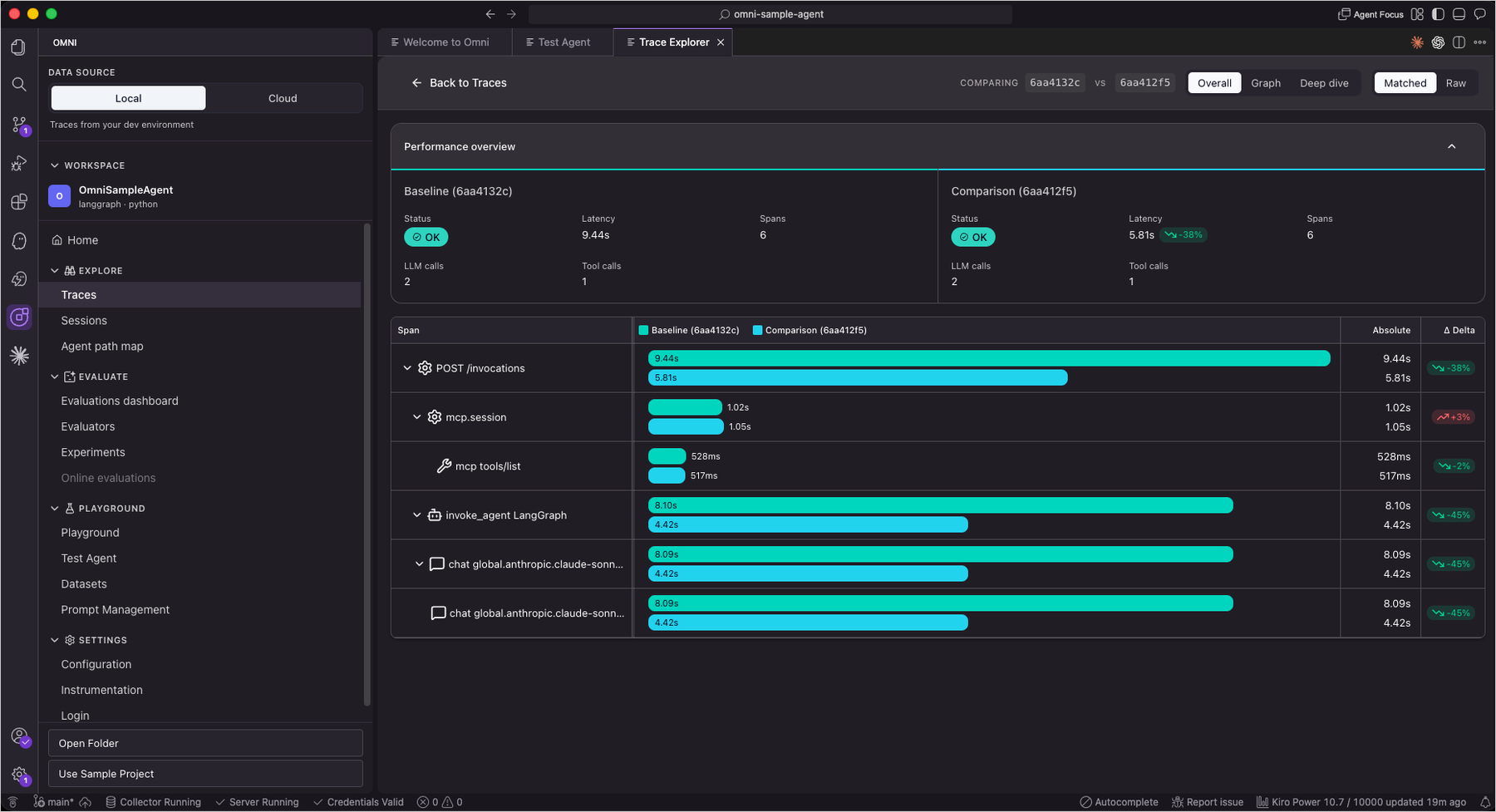
Furthermore, Compare Mode places two execution traces side by side. This allows developers to immediately spot how a prompt change or model upgrade altered the agent’s decision tree, transforming what was once hours of guesswork into a visual, data-driven investigation.
Automated Benchmarking with Golden Datasets
To ensure long-term reliability, CloudWatch Omni allows teams to curate production traces into golden datasets. Using the Experiment function, engineers can run these datasets against updated agent configurations automatically. The system scores results across multiple evaluation metrics, establishing rigorous benchmarks that catch performance regressions before updates ever reach end-users.
Official Responses and Industry Perspective
According to AWS product leadership, CloudWatch Omni was born out of direct feedback from enterprise engineering teams struggling to operationalize generative AI at scale.
"Organizations deploying agentic AI systems are hitting a wall with traditional monitoring," noted Daniel Abib, AWS cloud operations specialist, during the platform’s rollout. "Agent behavior is inherently non-deterministic. When response quality degrades despite zero standard error logs, teams spend hours manually reviewing fragmented logs. CloudWatch Omni was built to solve this exact context-switching dilemma by embedding deep evaluation and tracing directly where developers work—in their IDEs and through dedicated operational surfaces."
Industry analysts have similarly praised the move away from rigid, console-locked monitoring. By embracing open-source standards like OpenInference and ADOT, AWS has positioned CloudWatch Omni as an open ecosystem player rather than a locked-in proprietary tool. This design choice allows organizations utilizing hybrid or multi-cloud strategies—running agents across Amazon Bedrock, ECS, EKS, AWS Lambda, or external clouds—to unify their observability data streams seamlessly.
Implications for the Future of Enterprise AI
The launch of Amazon CloudWatch Omni carries profound implications for software engineering, DevOps practices, and the broader enterprise adoption of generative AI.
1. The Convergence of Dev and Ops in AI Engineering
Historically, AI model evaluation (often called "evals") and cloud operations lived in entirely different departments—data scientists managed prompt quality in notebooks, while DevOps engineers monitored latency and CPU usage in cloud consoles. CloudWatch Omni merges these domains. By placing evaluation metrics, prompt playgrounds, and trace inspection tools inside the IDE, developers are empowered to take ownership of model quality throughout the application lifecycle.
2. Acceleration of Autonomous Agent Adoption
One of the primary roadblocks holding enterprises back from deploying fully autonomous AI agents has been the "black box" nature of their decision-making. When an agent executes multiple loops, calls external databases, and writes code autonomously, enterprises demand auditable transparency. By recording every reasoning step, tool selection, and token interaction in a structured timeline, CloudWatch Omni provides the auditability required for enterprise compliance, security, and risk management.
3. Lowering the Barrier to Entry
By making the IDE extension entirely free and removing the initial requirement for an AWS account (beyond standard model provider keys), AWS has democratized advanced AI observability. Individual developers and small startups can now leverage enterprise-grade tracing and evaluation frameworks from day one, scaling up to cloud-native fleet monitoring only as their user base expands.
Getting Started and Availability
Amazon CloudWatch Omni is generally available.
- Developers can download the free extension directly from the VS Code Marketplace or access resources via the AWS Builder Center.
- Documentation and Instrumentation Guides for Python and TypeScript can be found on the official Amazon CloudWatch Documentation Portal.
- API and Tooling Support is also available via the AWS MCP Server for developers wishing to integrate AI-assisted management workflows.
As autonomous agents continue to transition from experimental novelties to core enterprise architecture, platforms like CloudWatch Omni establish a new baseline for how software is monitored, evaluated, and trusted.