Beyond Trello: The Definitive Guide to Open-Source Kanban Alternatives in the AI Era
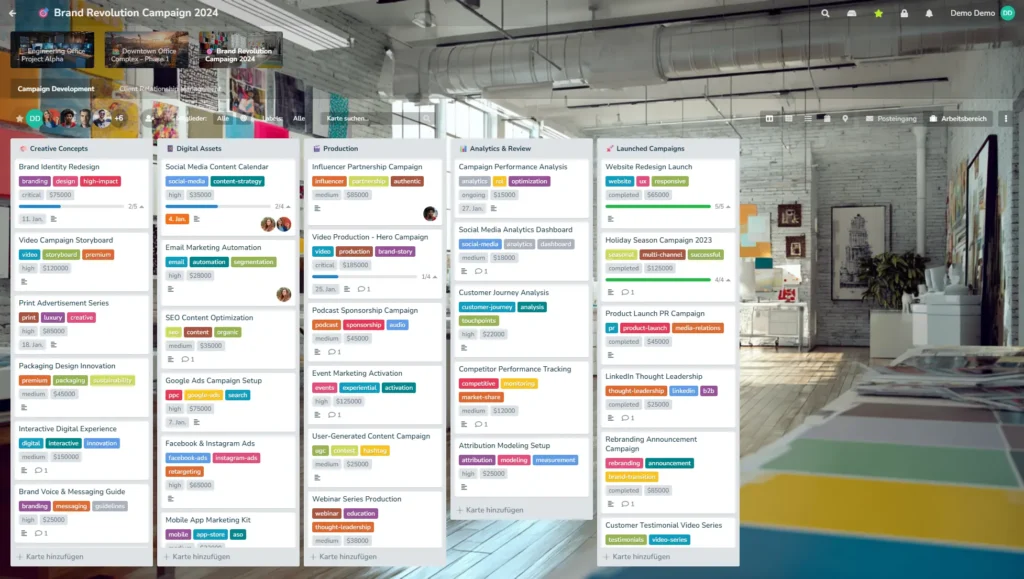
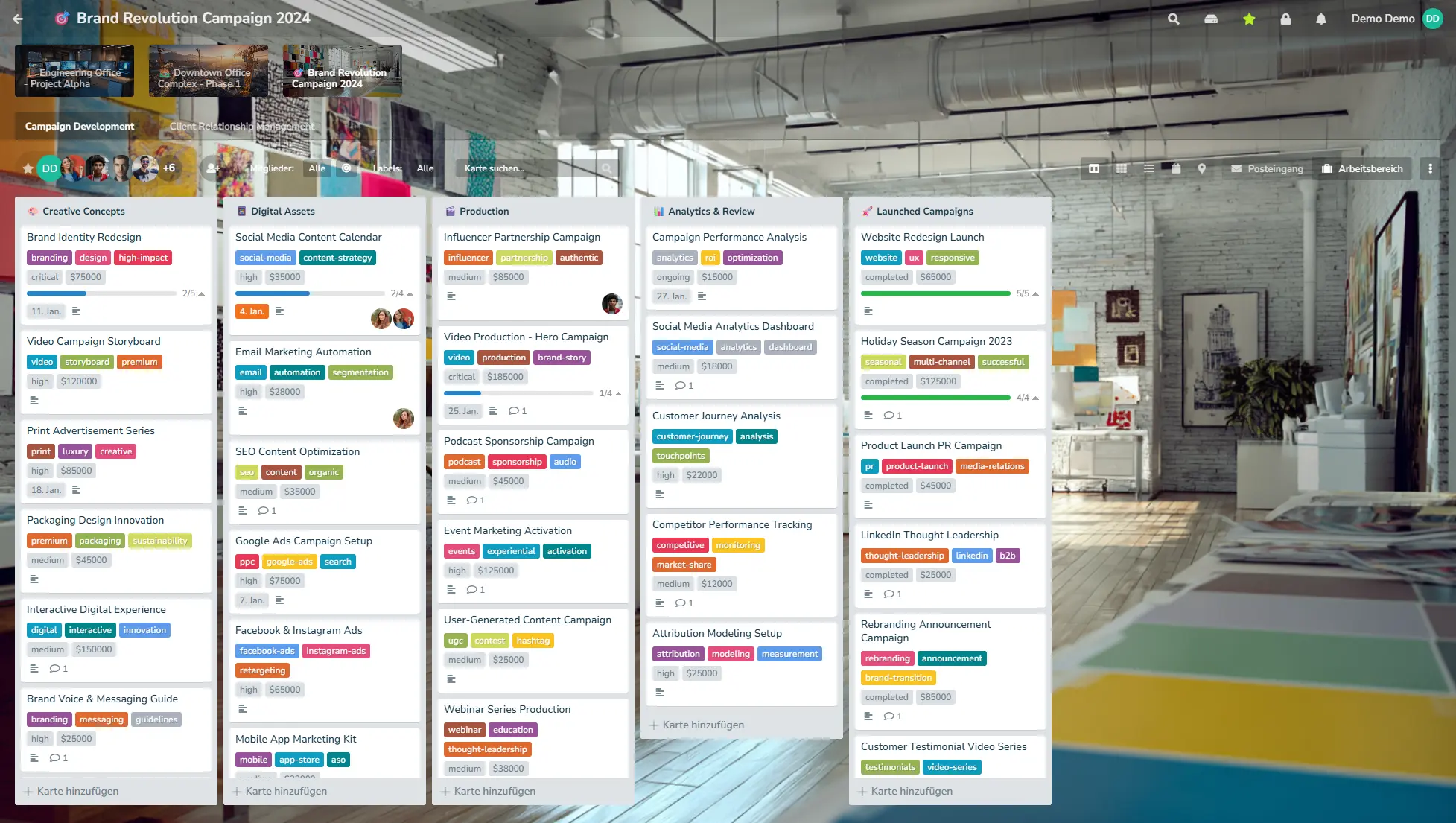
For over a decade, Trello has been the gold standard for visual project management. Since its inception in the early 2010s, its intuitive "Kanban" approach—a system of boards, lists, and cards—revolutionized how teams, from small startups to massive enterprises, tracked their workflows. However, following its acquisition and the subsequent shift toward complex AI integrations and subscription-heavy models, many long-time users are seeking alternatives that prioritize simplicity, privacy, and self-hosting capabilities.
As the software landscape shifts toward decentralization and self-sovereignty, the demand for open-source project management tools has reached an all-time high. This article examines the leading open-source and source-available Kanban solutions that allow you to reclaim control over your data and workflows.
The Evolution of Kanban: From Simplicity to Complexity
To understand why users are migrating, we must look at the chronology of project management tools.
- 2011–2014: The "Golden Age of Simplicity." Trello introduced a frictionless user experience. It was the era of "what you see is what you get," where the learning curve was virtually non-existent.
- 2015–2020: The Integration Era. As collaboration software matured, Trello and its competitors became bloated with power-ups, third-party integrations, and automated "Butler" scripts.
- 2021–Present: The AI & Privacy Pivot. With the rise of Large Language Models (LLMs), SaaS platforms are increasingly forcing AI agents into workflows. While powerful, this raises significant data privacy concerns for teams handling sensitive project information.
The move toward open-source alternatives is driven by three core pillars: Data Sovereignty, Cost Efficiency, and Minimalist Focus.

Leading Open-Source Alternatives
1. Kan.bn: The Modern Minimalist
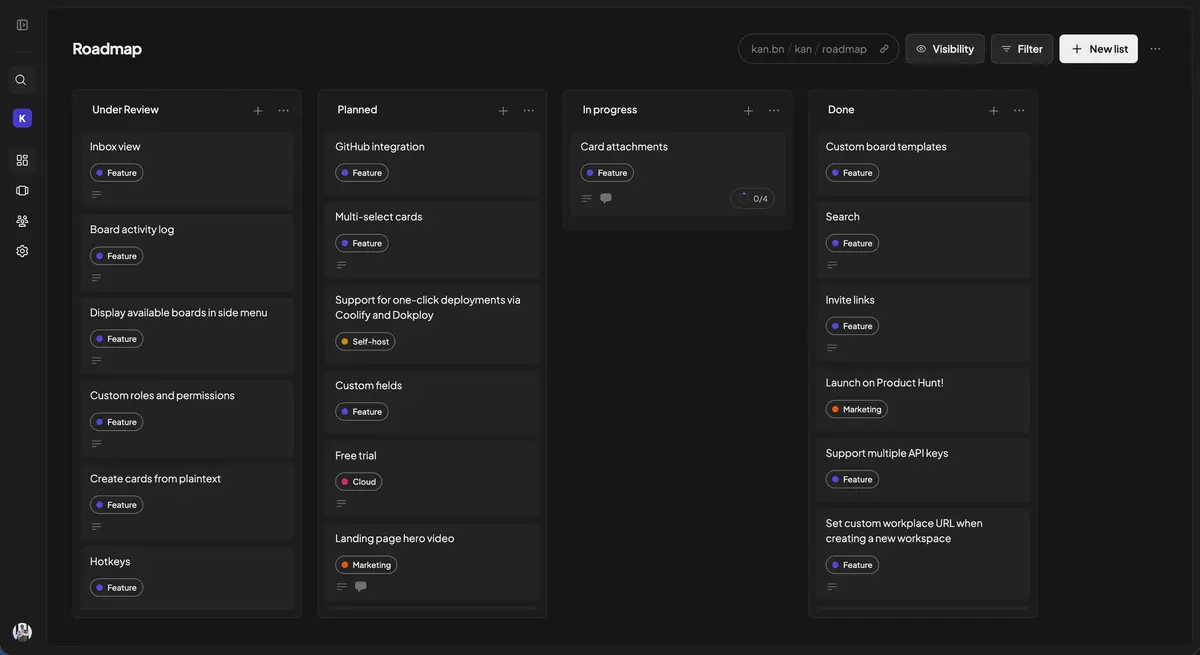
If you are searching for a direct spiritual successor to the original Trello, Kan.bn is a compelling choice. Built with TypeScript, it offers a clean, high-performance interface that mirrors the fluidity of modern web applications.
- Key Features: It includes all essential Trello staples: labels, filters, comments, and activity logs.
- Data Portability: Its standout feature is native Trello board imports, making the transition seamless for teams looking to migrate immediately.
- The Verdict: While it lacks the AI bells and whistles found in enterprise tools, its commitment to "simplicity as a feature" is refreshing. It is ideal for teams who want a modern aesthetic without the clutter.
2. Planka: The Trello Mirror
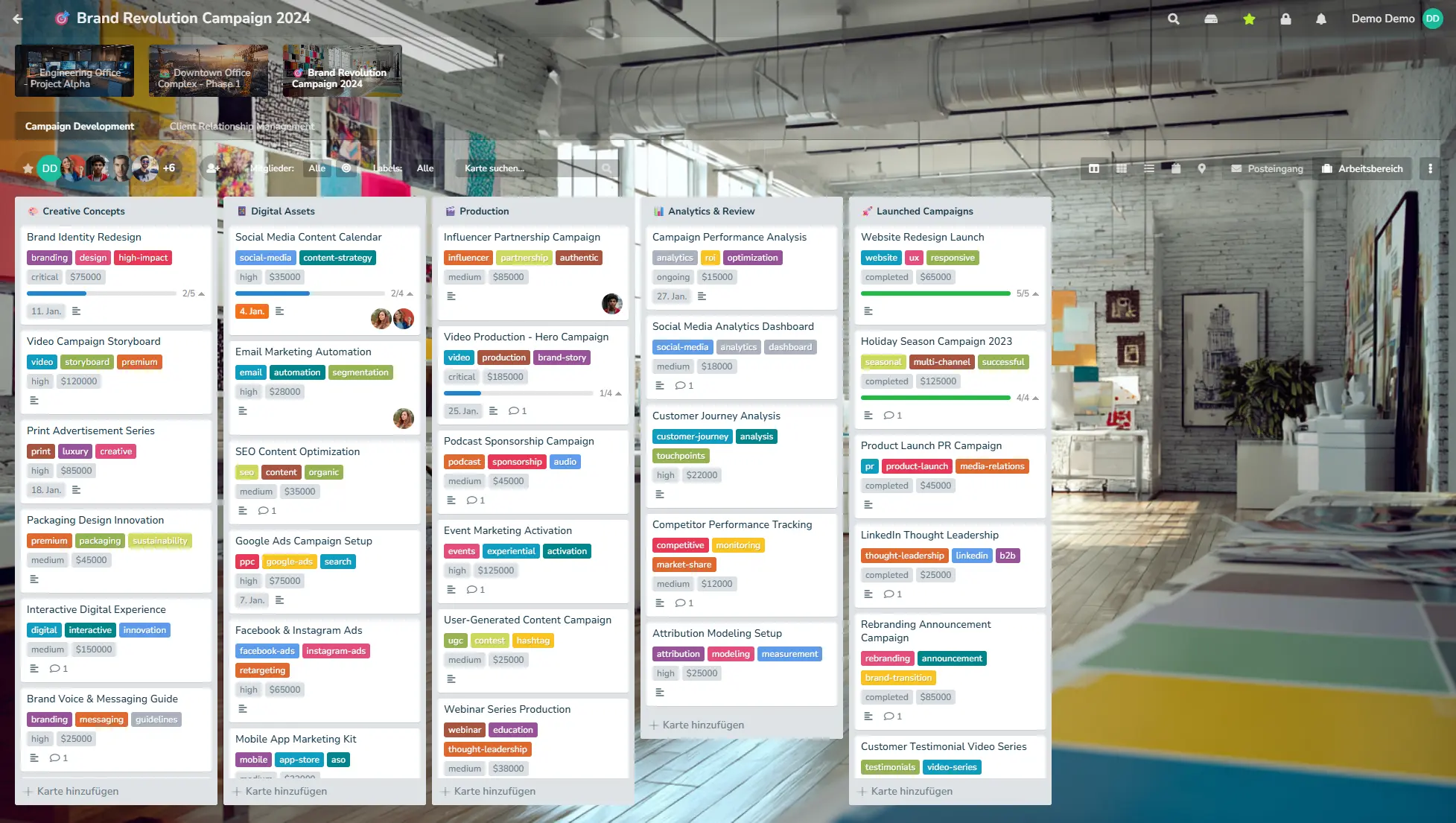
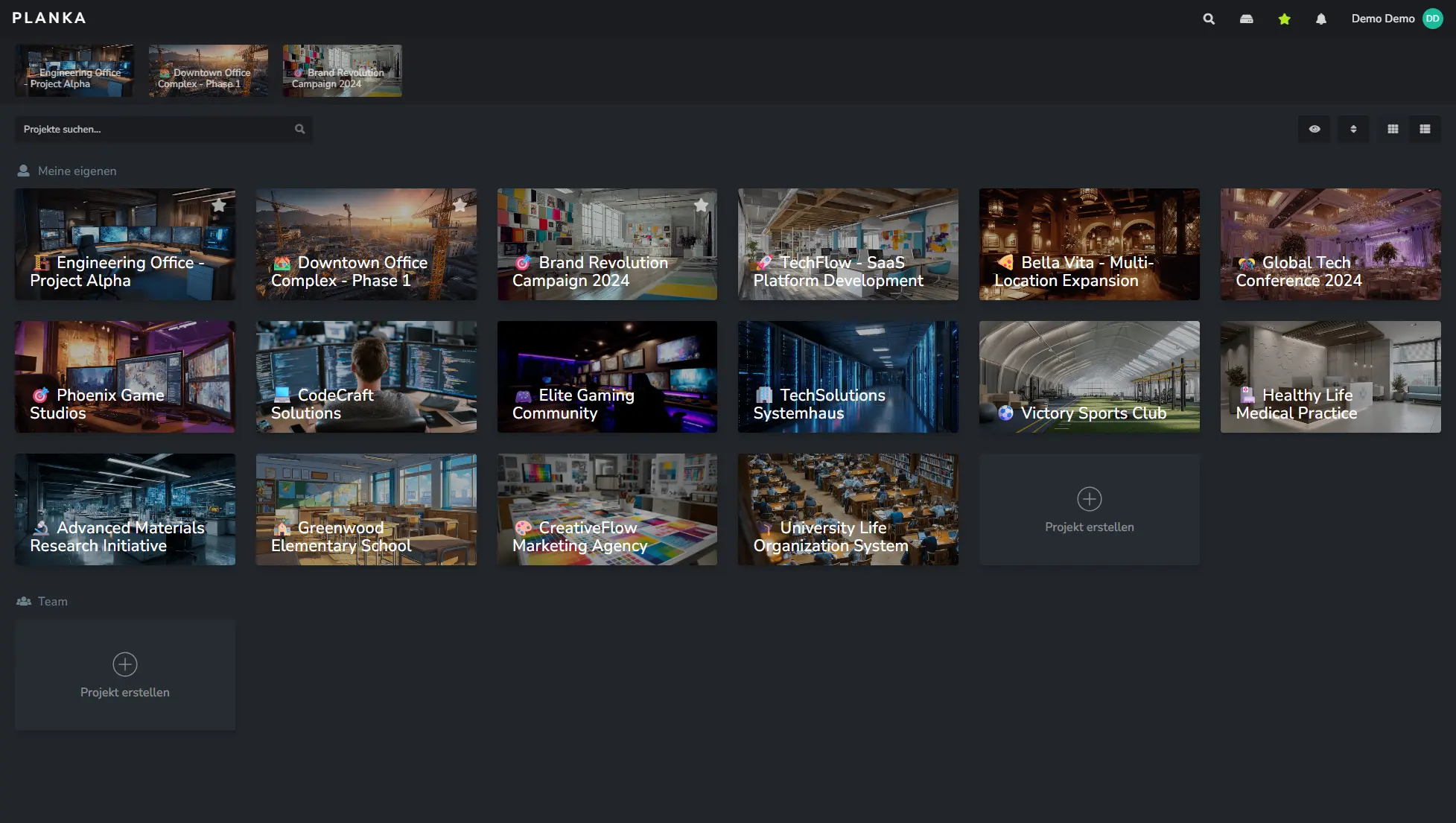
For users who find the visual transition from Trello jarring, Planka provides a near-identical user experience. It is designed to feel like a drop-in replacement, complete with project overviews and list-based management.
- Enterprise Capability: Planka offers robust support for SSO (Single Sign-On) via Google and Azure AD, making it a viable candidate for organizations.
- Licensing Note: It is important to clarify that Planka operates under a "source-open" model rather than pure open-source. While the community edition is free to self-host, the professional tier—which includes advanced role management and branding—carries a cost.
3. Vikunja: The Feature-Rich Powerhouse
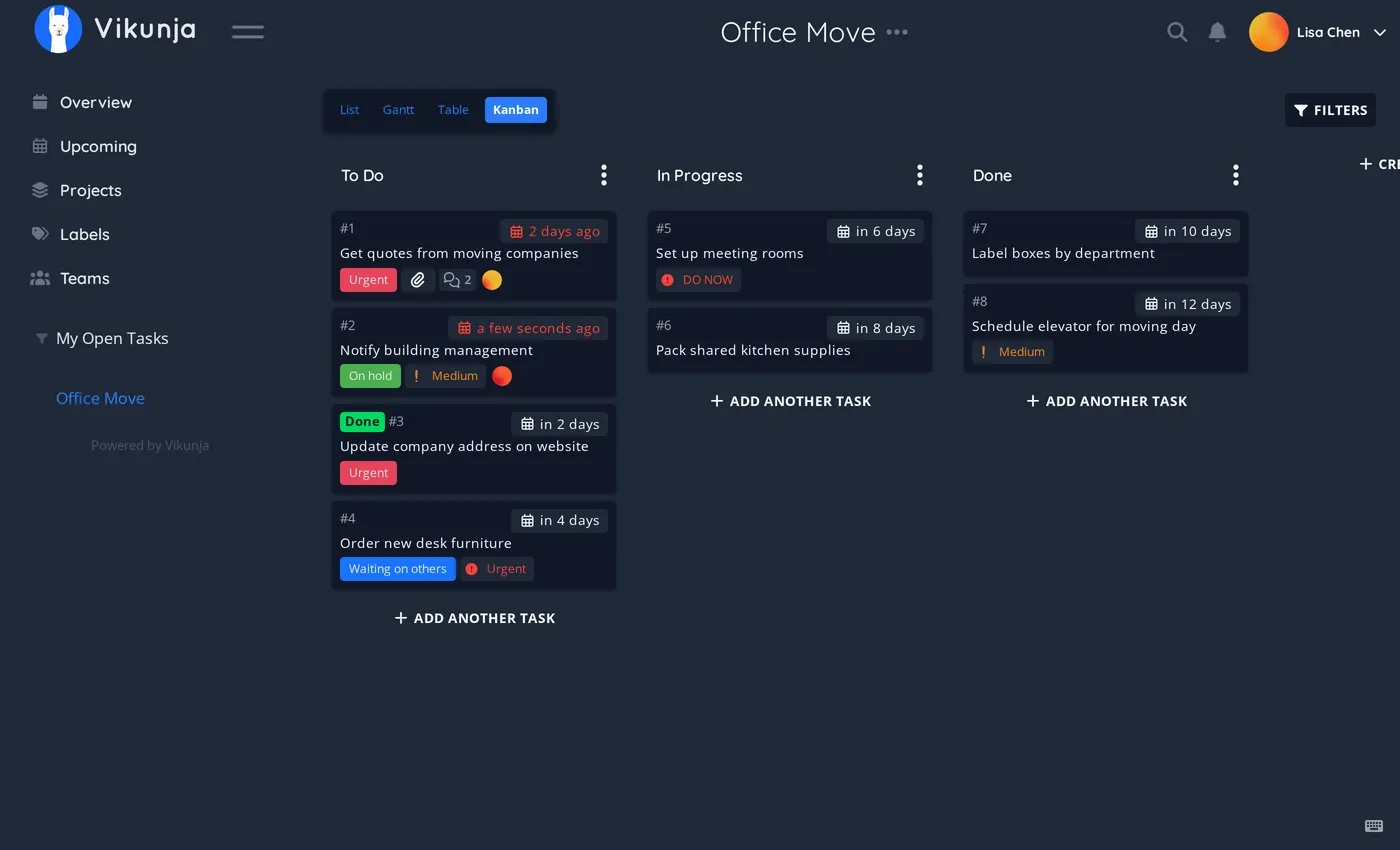
Vikunja stands out as a true open-source contender written in the Go language, prioritizing speed and versatility.
- Advanced Views: Beyond standard Kanban boards, Vikunja offers list, tabular, and Gantt chart views, providing a comprehensive view of complex projects.
- The "Quick Add Magic": Vikunja utilizes an intuitive natural language processing feature. By typing keywords or dates directly into a task description, the system automatically assigns due dates and priorities. This represents a pragmatic use of "AI-lite" features that prioritize efficiency over bloat.
- Accessibility: With public board sharing, teams can collaborate with external stakeholders without requiring them to create an account—a vital feature for agencies.
4. Wekan: The Enterprise Veteran
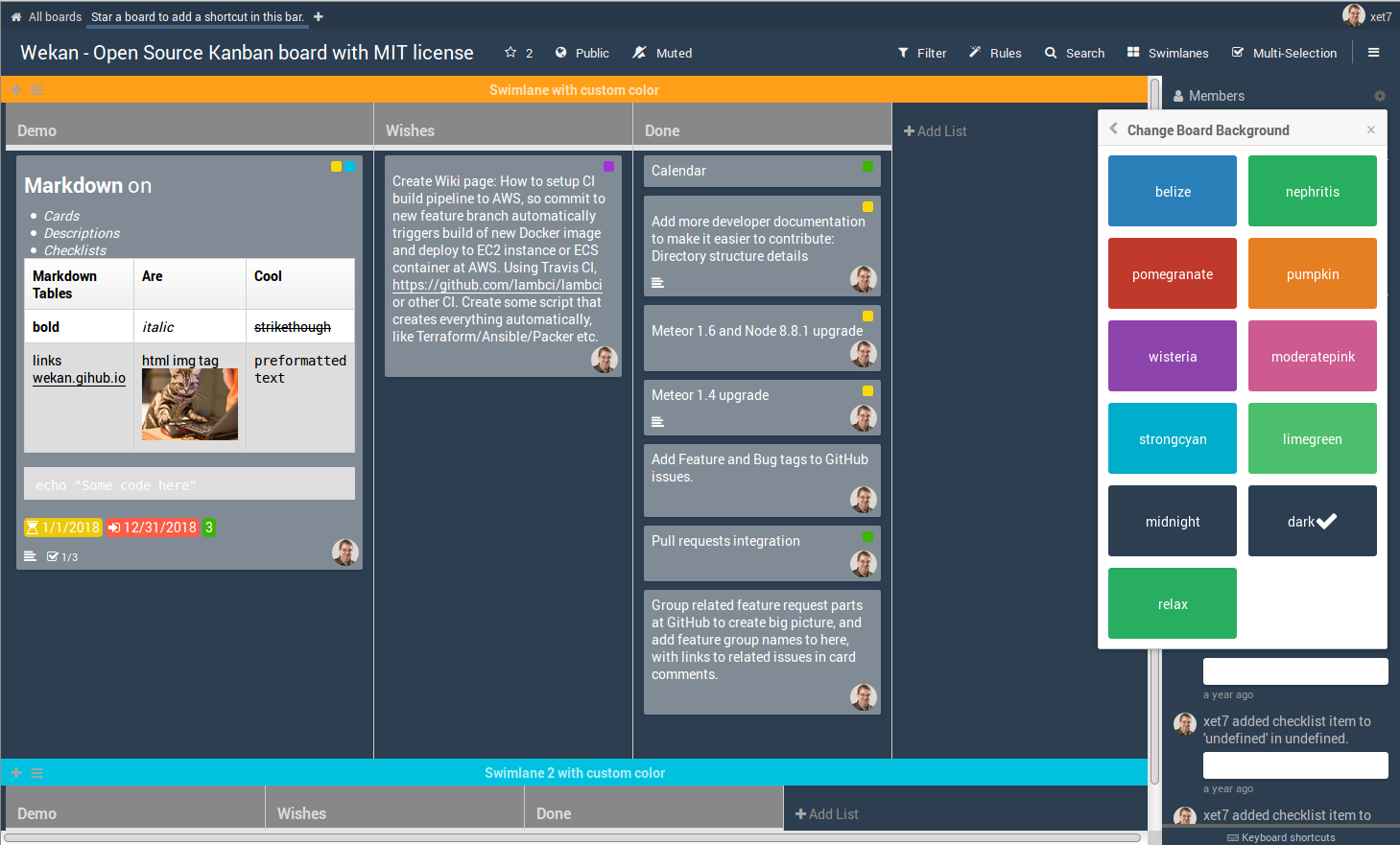
Wekan is widely considered the "OG" of open-source Kanban. It is battle-tested, highly stable, and built for large-scale enterprise environments.
- Focus: Unlike modern, flashy alternatives, Wekan focuses on functionality. The interface is utilitarian, which some may find dated, but it excels in environments where reliability and long-term support are paramount.
- Support: For businesses requiring guarantees, commercial support is available, bridging the gap between "free software" and "enterprise-grade service."
5. Tududi: Beyond the Board
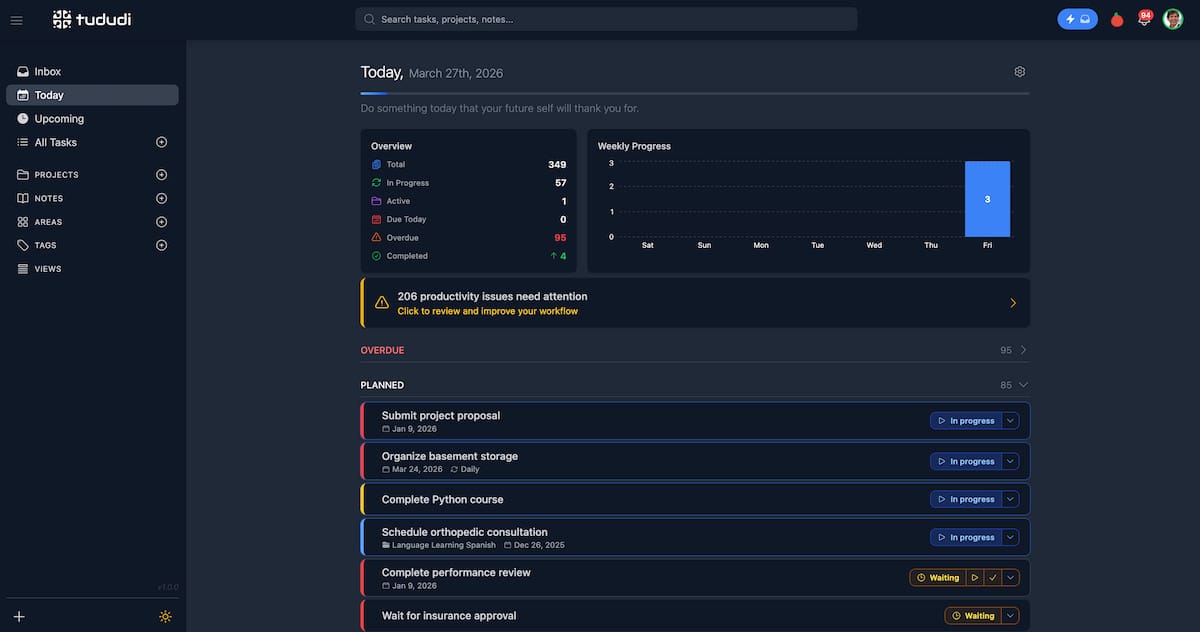
Tududi breaks the mold by acting as a hybrid between a Kanban board and a documentation hub.
- Contextual Management: Tududi allows users to create "Areas" (Work, Life, Personal) and attach notes directly to projects. For teams that need to keep their documentation and tasks in the same ecosystem, this is a major productivity booster.
- Tracking: It provides built-in productivity patterns and completion statistics, offering a high-level view of team performance without requiring complex external plugins.
6. Leantime: Neuro-Inclusive Productivity
Leantime represents a significant shift in project management philosophy. It was built with ADHD and neurodivergent workflows in mind, prioritizing visual clarity and organizational structure.
- The Blueprint Phase: A unique feature allows teams to create a "pre-planning" blueprint before a board goes live. This prevents the "blank canvas" anxiety that often occurs when setting up a new project.
- Visual Tools: With built-in whiteboarding for mind maps and wireframes, Leantime is as much a creative tool as it is a task tracker.
7. Fizzy: The "Focus-First" Solution
Developed by the makers of Basecamp, Fizzy challenges the assumption that more features equal better results.
- Constraints for Focus: Fizzy enforces a "two-column view" rule, which prevents the cognitive overload of seeing an entire project at once.
- Auto-Cleanup: Its "Auto-close" feature automatically moves stagnant tasks to a hidden list, ensuring the active board stays clean and manageable.
- Note: It is source-available rather than strictly open-source, and it lacks a native deadline feature, which may be a dealbreaker for some project managers.
Supporting Data and Technical Considerations
When migrating to a self-hosted solution, organizations must weigh several technical factors:
| Feature | Kan.bn | Vikunja | Wekan | Fizzy |
|---|---|---|---|---|
| Self-Hostable | Yes | Yes | Yes | Yes |
| Trello Import | Yes | Yes | No | No |
| Mobile Apps | No | No | Yes | Yes |
| Open Source | Yes | Yes (AGPL) | Yes | Source Available |
The "AI Agent" Integration
While some users fear AI in their project management, others view it as an essential efficiency layer. For those who want to bridge the gap, Fizzy provides a CLI (Command Line Interface). This allows power users to write custom scripts or connect AI agents to their board via API, providing the benefits of automation without the privacy trade-offs of a third-party SaaS provider.
Implications of Migrating to Open Source
The move to open-source project management is not just about cost; it is about long-term stability.
- Implications for Privacy: By self-hosting, your data remains within your infrastructure. You are no longer subject to the arbitrary terms-of-service changes or data-mining practices of large corporations.
- Implications for Workflow: These tools encourage a "boutique" approach to project management. Instead of adapting your team to the rigid structures of a platform like Trello, you can select the tool—such as Leantime for neuro-diversity or Vikunja for power-users—that adapts to your team’s unique psychology and output.
- The Maintenance Burden: The primary tradeoff for independence is responsibility. Self-hosting requires an understanding of Docker, server maintenance, and backups. Organizations must ensure they have the internal IT resources to manage these tools reliably.
Conclusion
The era of the "one-size-fits-all" Kanban board is coming to an end. As we look at the current landscape, the best tool is no longer the one with the most users, but the one that best facilitates your team’s specific cognitive and operational needs.
If you are just starting your journey, Vikunja offers the most balanced blend of features and open-source ethics. If you are a fan of modern design, Kan.bn is an excellent starting point. For those managing neurodiverse teams, Leantime offers an unparalleled user experience.
The power to choose has returned to the user. Whether you are a solo developer or a mid-sized enterprise, the open-source community has provided a robust suite of tools to ensure that your project management remains in your hands—not in a black-box server in the cloud.