F-Droid 2.0: A Modern Renaissance for Open Source Android
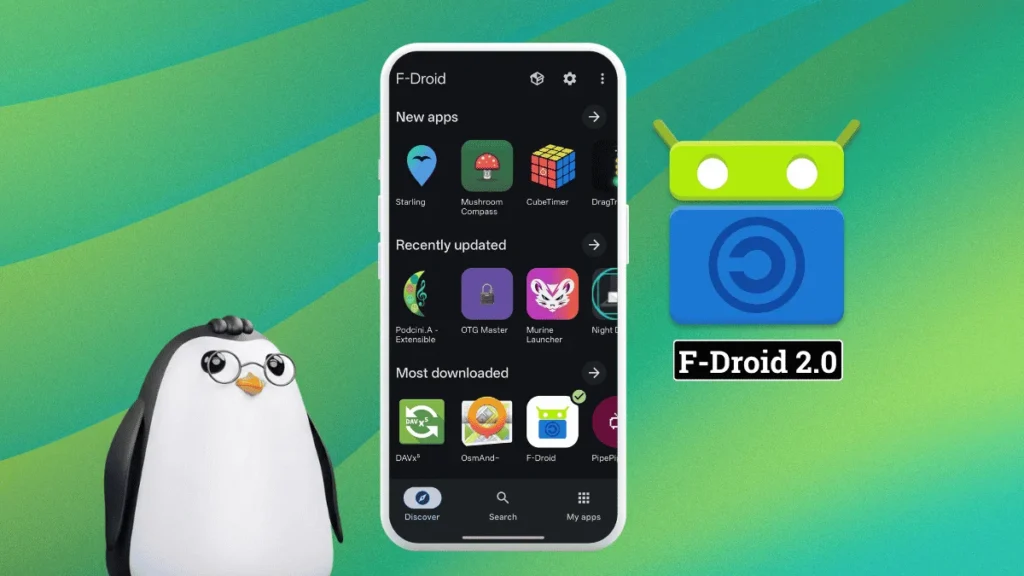
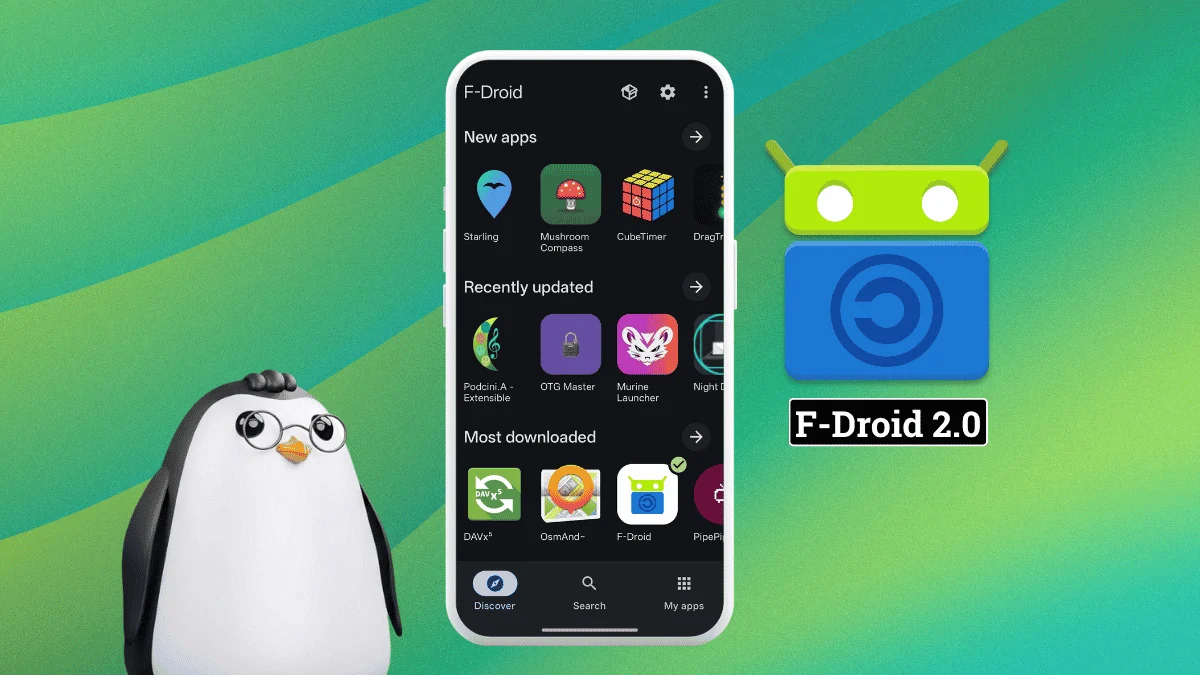
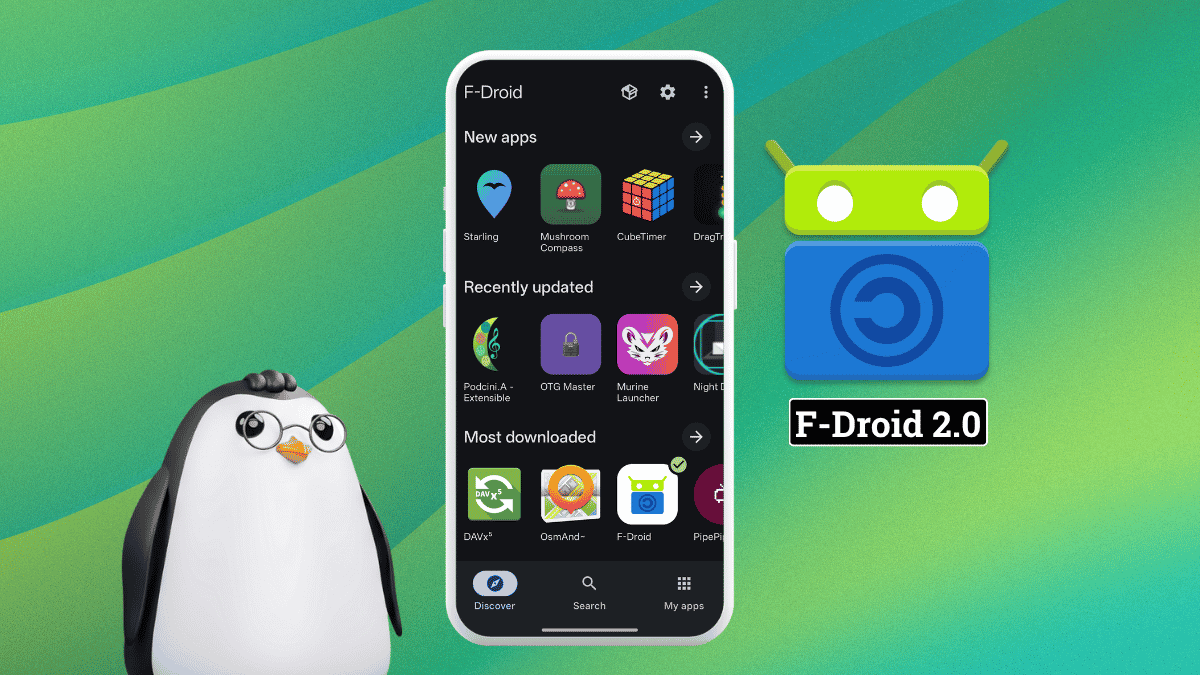
Since its inception in 2010, F-Droid has stood as the definitive bastion for free and open-source software (FOSS) on the Android platform. For over a decade, it has served as the primary alternative to the centralized, proprietary ecosystems maintained by Silicon Valley giants. However, as Android’s design language and underlying architecture have evolved, the F-Droid client had begun to show its age. After more than a year of intensive development, testing, and community iteration, the project has finally unveiled F-Droid 2.0—a comprehensive, ground-up rewrite that aligns the platform with modern mobile standards while reinforcing its commitment to digital sovereignty.
A Comprehensive Redesign: Architecture Meets Aesthetics
The transition to F-Droid 2.0 is far more than a simple visual update; it represents a fundamental shift in how the application is built and maintained. The original Java codebase, which served the project reliably for years, has been entirely replaced by Kotlin, the modern, preferred language for Android development. Furthermore, the user interface has been completely rebuilt using Jetpack Compose, Google’s declarative UI toolkit.
This move to Jetpack Compose is significant. It ensures that the application adheres to Material Design principles, providing a fluid, native feel that users expect from contemporary Android software. The interface is no longer a relic of older Android versions; it feels responsive, polished, and integrated into the broader operating system experience.
Navigation and User Experience
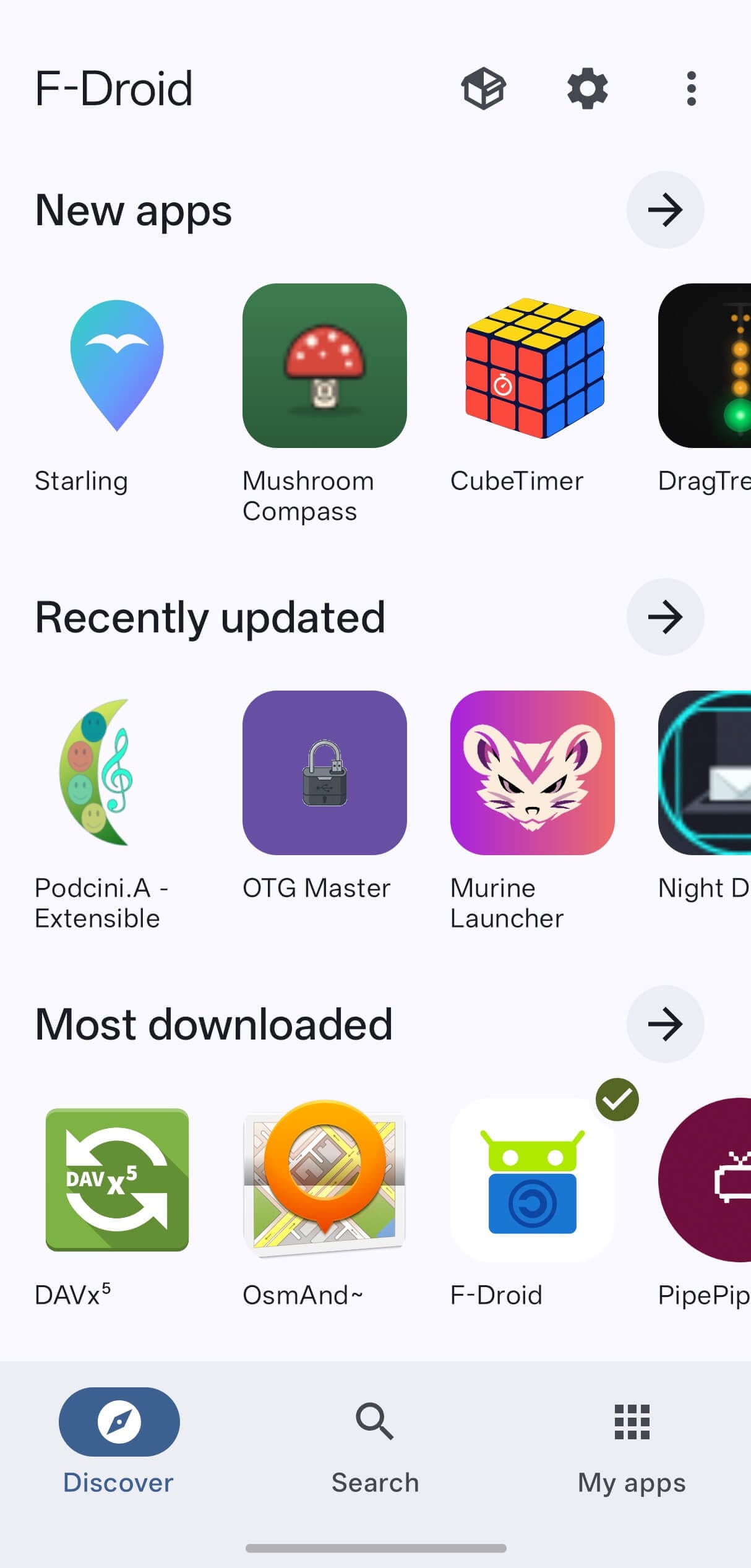
The most immediate change for returning users will be the new navigation structure. F-Droid 2.0 adopts a streamlined bottom navigation bar consisting of three distinct hubs:
- Discover: This serves as the new landing page, designed to highlight the vibrancy of the repository. It surfaces newly added applications, recently updated software, and the most popular downloads. By grouping related categories, the interface eliminates the "infinite scroll" fatigue that plagued previous versions, making the vast catalog far more accessible.
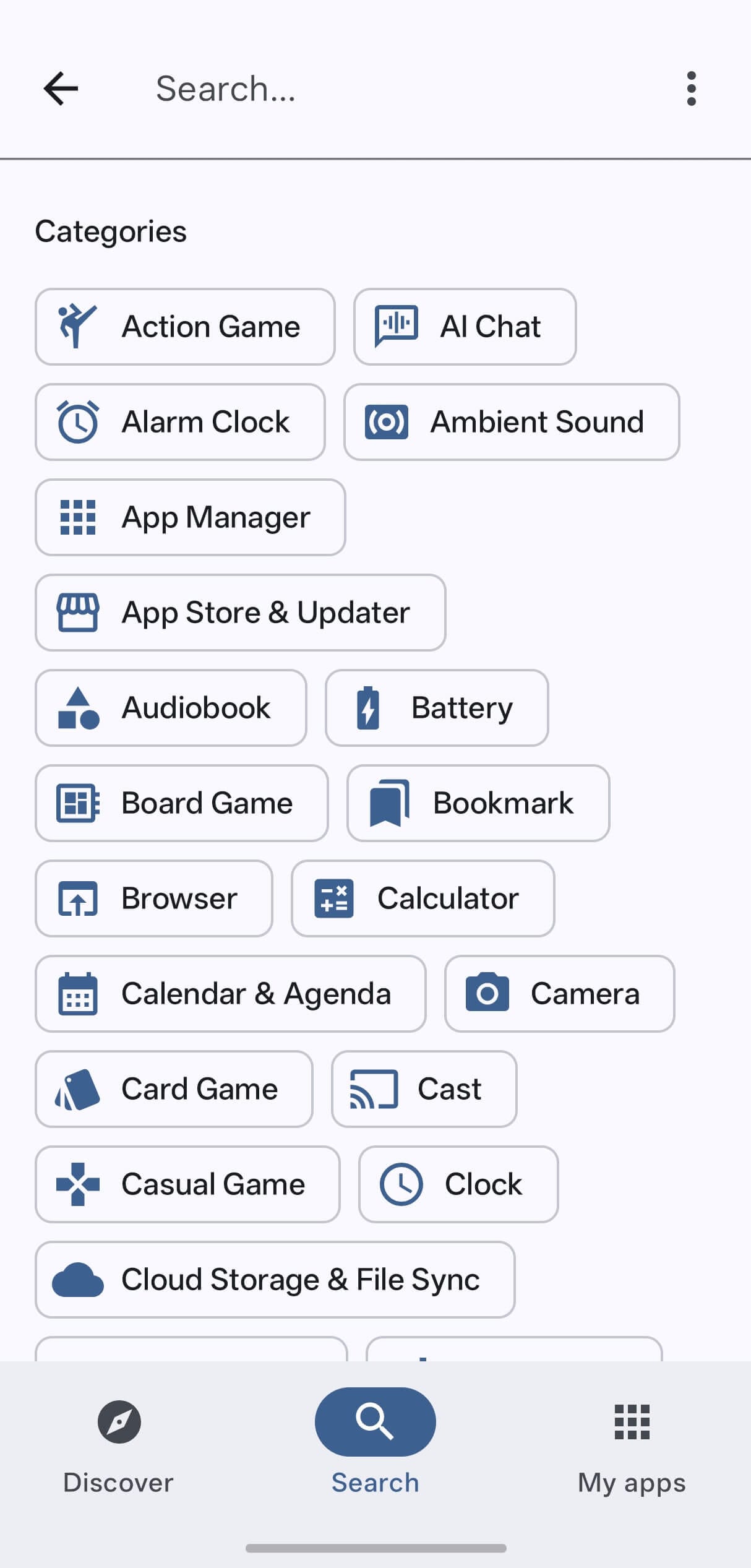
- Search: The search functionality has undergone a massive overhaul. It now indexes app descriptions, translated content, and categories alongside app titles. Notably, the engine has been optimized for non-Latin scripts, with significant improvements for Chinese, Japanese, and Korean queries. Furthermore, the inclusion of saved search history and advanced filtering—allowing users to filter by anti-features, device compatibility, and category simultaneously—turns the search tool into a powerful discovery engine.
- My Apps: This tab centralizes the management of the user’s software library. It provides a clear overview of installed applications, pending updates, and any outstanding issues, placing control firmly back into the hands of the user.
Additionally, the configuration menus have been remapped. Settings and Repository management have been migrated to a top-right access point, decluttering the primary UI and providing a logical hierarchy for power users to manage their software sources.
Evolution of Functionality: Efficiency and Automation
Beyond the aesthetic and structural changes, F-Droid 2.0 introduces operational improvements designed to save user time and system resources.

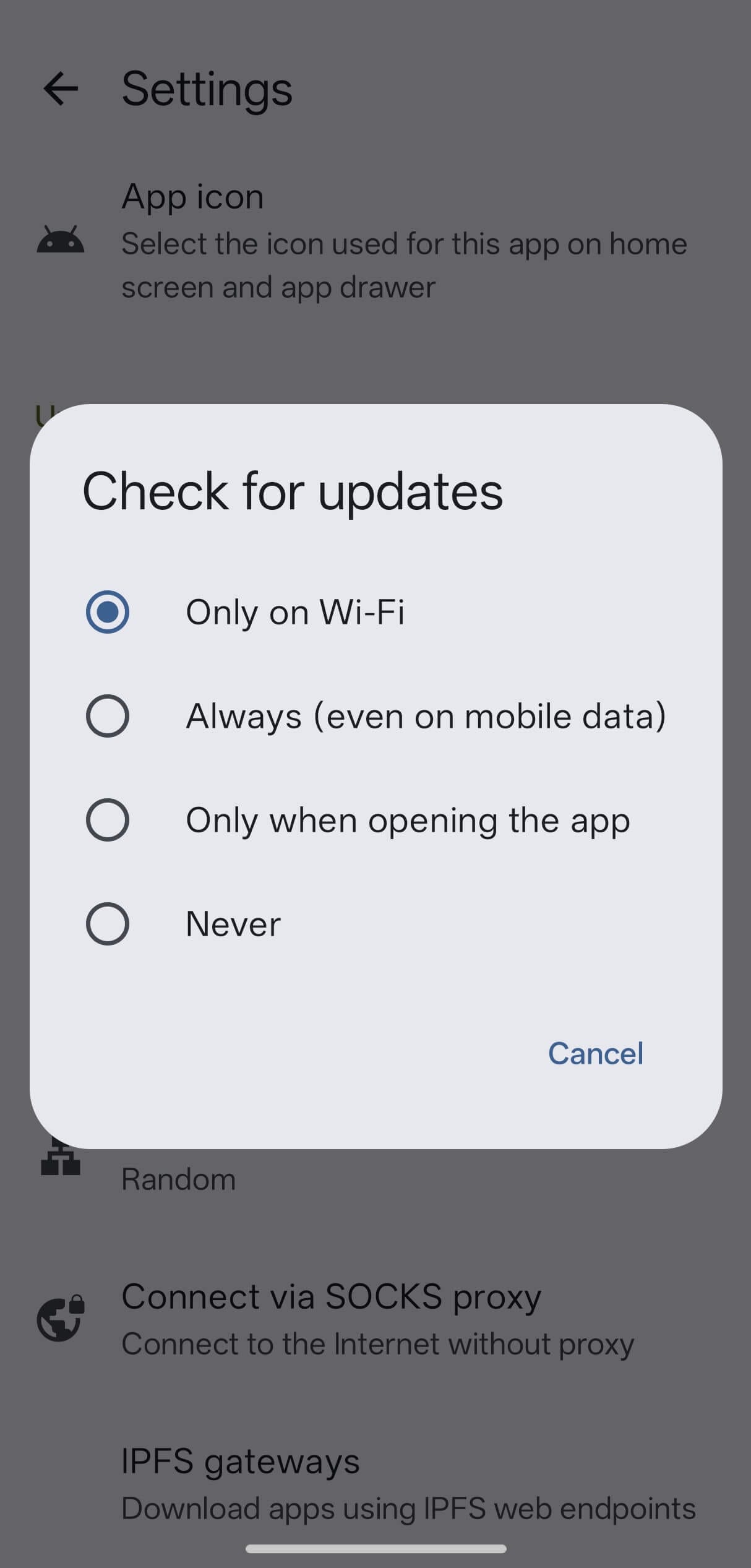
Historically, updating repositories in F-Droid required a manual "pull-to-refresh" gesture, a process that felt manual and cumbersome compared to modern app stores. F-Droid 2.0 changes this by introducing background update checks by default. The client now manages repository synchronization quietly, ensuring that the information regarding updates is always fresh without requiring active user intervention. For those who prefer manual control, the option remains tucked away in the "My Apps" menu.
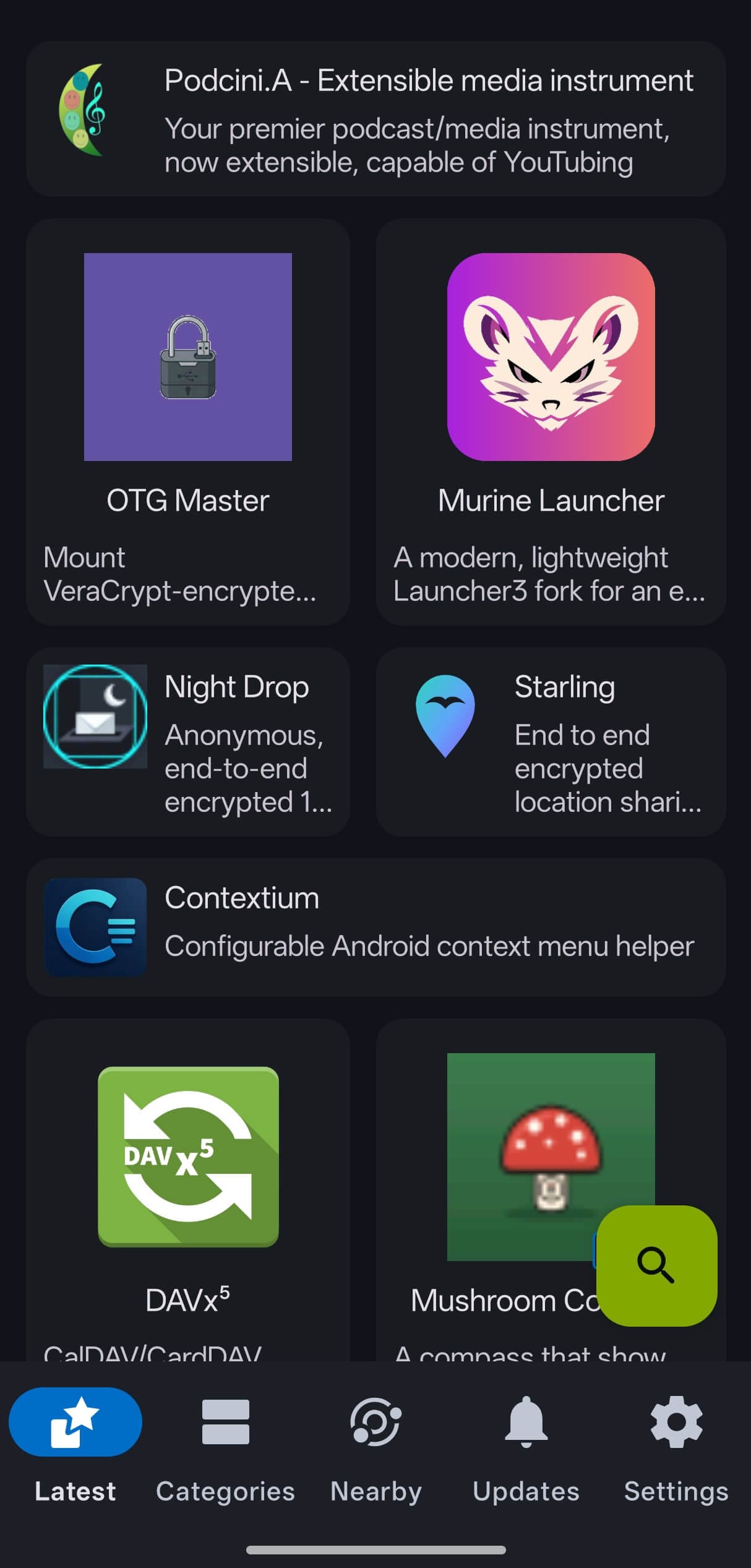
Some features have been refined for clarity. The popular "app hiding" feature—which allowed users to disguise the F-Droid icon as a calculator to maintain privacy—has been moved into the Settings under a dedicated "App Icon" section. Interestingly, the "Nearby" peer-to-peer app sharing tool has been temporarily removed, signaling that the developers are prioritizing core stability and modernization before reintroducing specialized features in future updates.
The Chronology of Development
The path to version 2.0 was neither short nor simple. Recognizing the need for a modern codebase as early as 2024, the F-Droid team initiated a long-term development roadmap.
- Phase 1 (Early 2025): The team began the transition from the legacy Java architecture to a modular Kotlin codebase. This phase was focused on technical debt reduction and setting the stage for the new UI.
- Phase 2 (Mid-2025): The implementation of Jetpack Compose began. Throughout this period, the project released numerous alpha builds to the community. These test releases were critical, as they allowed developers to gather telemetry and feedback on how the new UI behaved across various screen densities and Android versions.
- Phase 3 (Late 2026): The culmination of these efforts resulted in the release of the 2.0 stable branch. The process was marked by heavy community involvement, with beta testers across the globe providing the input that shaped the final navigation and search logic.
Official Perspectives: The "Keep Android Open" Movement
The release of F-Droid 2.0 is occurring at a critical juncture in the history of the Android operating system. The backdrop for this release is the looming shadow of new "sideloading" restrictions announced by Google in 2026. Under these new guidelines, set to take full effect in 2027, all Android app developers will be required to register with Google, provide government-issued identification, and pay an administrative fee. Apps from developers who refuse to comply will be blocked from running on "certified" Android devices.
This policy represents a direct threat to the decentralized nature of the Android ecosystem. In response, F-Droid has positioned itself at the forefront of the resistance. Marc Prud’hommeaux, a key F-Droid board member, spearheaded the "Keep Android Open" campaign. This coalition has grown to include over 70 organizations across more than 20 countries, including powerhouses like the Electronic Frontier Foundation (EFF), the Free Software Foundation, KDE, Proton, and the Tor Project.
In their official statement regarding the 2.0 release, the F-Droid team emphasized that this version is not merely a feature update, but a declaration of intent:
"F-Droid 2.0 represents a major milestone, but it is not the end of the story. Rebuilding the app has given us a stronger foundation, yet there is still plenty of work ahead. As the rollout reaches more users, we expect to learn a great deal from real-world usage. Community feedback has shaped F-Droid 2.0 from its earliest design discussions through many alpha and RC releases, and it will continue to guide future improvements."
Implications for the Future of Open Source
The significance of F-Droid 2.0 cannot be overstated. By modernizing their platform, the team is ensuring that FOSS remains a viable, user-friendly alternative to the increasingly restrictive Google Play Store.
Challenging the "Certified" Narrative
Google’s requirement for government-issued ID and fees for app developers is a fundamental departure from the open-source philosophy of "anyone can contribute." F-Droid, by providing a robust, modern, and easy-to-use client, creates a safe harbor for developers who refuse to comply with these restrictions. If the F-Droid client is as easy to use as the Google Play Store, the barrier to entry for the average user to access independent, open-source software is lowered significantly.
Technical Independence
By moving to a modular Kotlin/Compose architecture, the F-Droid team has made it easier for future contributors to join the project. A modern codebase is significantly more attractive to volunteer developers than a legacy one. This sustainability is vital for the long-term survival of the repository.
Community-Driven Evolution
The reliance on community feedback during the 2.0 development cycle underscores a different model of governance compared to the closed-source model. Features were not pushed by a product marketing team looking to maximize ad revenue; they were refined by the people who actually use the platform to secure their devices and protect their privacy.
Getting Started with F-Droid 2.0
As of this writing, the 2.0 update is being rolled out in a phased manner. Users currently running the stable version (v1.23.2) should expect to see an update notification within the coming weeks. The staggered release strategy is intended to ensure server stability and allow for rapid patching of any edge-case bugs that might appear in the new interface.
For those who are unwilling to wait, the 2.0 beta builds are available directly through the official F-Droid packages portal. While beta software carries inherent risks, the current 2.0 candidate is considered highly stable and representative of the final product.
Conclusion: A Milestone for Digital Freedom
F-Droid 2.0 is a testament to the resilience of the open-source community. In the face of increasing platform centralization and restrictive developer policies, the F-Droid team has chosen to invest in their own infrastructure rather than capitulate to corporate pressure. By delivering a modern, sleek, and highly functional application, they have ensured that the ethos of free software—transparency, privacy, and user control—remains relevant in the era of modern Android.
As we look toward the 2027 deadline set by Google, the role of independent repositories like F-Droid will only grow in importance. With a stronger, more flexible foundation in place, F-Droid is now better equipped than ever to continue its mission: keeping Android open, accessible, and free for everyone.