The Pulse of Open Source: A Comprehensive Review of Recent Industry Shifts and FOSS Developments
The landscape of Open Source Software (FOSS) is currently undergoing a period of accelerated evolution. From the structural adjustments at Canonical regarding kernel maintenance to the growing adoption of sovereign computing solutions in Europe, the ecosystem is reacting to both external pressures—such as AI-driven vulnerability discovery—and internal desires for greater simplicity and control. This report synthesizes the most significant developments in the Linux and FOSS world, providing a comprehensive look at the state of the industry.

1. The New Velocity of Maintenance: Ubuntu’s Kernel Update Cycle
In an era where cybersecurity threats evolve at machine speed, traditional maintenance schedules are being forced to adapt. Canonical has recently announced a significant shift in its Ubuntu kernel update cycle, transitioning from a four-week cadence to a two-week cycle.

The AI Imperative
The primary driver behind this increased frequency is the rapid emergence of AI-assisted vulnerability research. Security researchers and malicious actors alike are utilizing automated tools to identify CVEs (Common Vulnerabilities and Exposures) at an unprecedented rate. By moving to a two-week cycle, Canonical aims to ensure that security patches land on user systems before vulnerabilities can be weaponized at scale. With this overlap, users can expect to see kernel releases arriving on a near-weekly basis, prioritizing system integrity over the convenience of a slower release tempo.

LTS Longevity
In parallel with these maintenance updates, Canonical has confirmed that upgrades from Ubuntu 24.04 LTS to Ubuntu 26.04.1 are now enabled. This provides a clear, supported path for long-term support users, ensuring they can transition to the latest stable enterprise-grade release with minimal disruption. Furthermore, the much-anticipated beta release of Ubuntu 26.10 is expected to arrive immediately, signaling a robust development pipeline heading into the final quarter of the year.

2. Infrastructure and Governance: AlmaLinux and openSUSE
As the enterprise Linux market continues to mature, distributions are focusing on certification and consolidation to provide clearer value propositions to sysadmins and DevOps engineers.
AlmaLinux’s New Certification Standards
AlmaLinux has officially launched its software certification program. This initiative allows independent software vendors (ISVs) to formally list their products as compatible with the AlmaLinux ecosystem. For users, this provides a vital layer of assurance: a public-facing catalog where they can verify whether mission-critical software will run reliably on their hardware. To ensure transparency, AlmaLinux has also introduced a free read-only API, facilitating the bulk export of this data, which allows organizations to integrate compatibility checks directly into their internal infrastructure management tools.

openSUSE Consolidates the Stack
Meanwhile, the openSUSE project is trimming the fat from its distribution lineup. The project has decided to sunset "Leap Micro," its specialized immutable flavor designed for containerized and edge workloads. The functionality previously housed within Leap Micro is being absorbed into the core Leap 16.1 release through an optional installer mode. This consolidation strategy simplifies the project’s maintenance burden while ensuring that users who rely on immutable, container-focused architectures do not lose critical functionality.
3. Desktop Environments and Rebranding: The Evolution of User Interfaces
User-facing software continues to undergo significant visual and structural refreshes, with two notable projects taking center stage: GhostBSD and the project formerly known as postmarketOS.

Mocka: A New Frontier for GhostBSD
The lead developer of GhostBSD is currently building "Mocka," a desktop environment designed from the ground up to eventually replace MATE. The significance of Mocka lies in its independence; it shares no code with the MATE project, representing a clean-slate approach to desktop interaction. Interestingly, the name "Mocka" originated as a typo, yet it has been embraced by the development team as a symbol of the project’s unique identity. This move underscores a trend toward specialized, lightweight desktop environments that are optimized for modern hardware while maintaining a classic, productive workflow.

Nura and the Future of F-Droid
Perhaps the most significant branding news comes from the mobile FOSS community. The project formerly known as postmarketOS has officially rebranded to "Nura." This transition was not impulsive; it was the result of a rigorous process that began in March 2025, involving over 300 community submissions and a comprehensive trademark review. This commitment to professionalization mirrors the major revamp of F-Droid, the premier FOSS alternative to the Google Play Store. These changes reflect an increasing focus on UX/UI design, essential for bridging the gap between niche enthusiast use and mainstream adoption.

4. Sovereignty and Security: The NixOS Shift in Europe
A profound shift is occurring within government and public-sector digital agencies, characterized by a move away from reliance on proprietary cloud-integrated ecosystems toward sovereign, reproducible infrastructure.

The Netherlands and France: The Rise of NixOS
The Dutch government is currently in the process of architecting a new work environment based on NixOS, a move largely catalyzed by Microsoft’s decision to restrict access to certain services in 2025. This pivot to NixOS—a distribution built around the principle of declarative configuration and reproducible builds—represents a strategic move toward digital autonomy.

However, the Netherlands is not the pioneer in this space. It has been revealed that France’s digital agency has already been utilizing NixOS on internal workstations for several months. By deploying "Sécurix," a security-hardened configuration built atop NixOS, France has effectively established a blueprint for how national agencies can maintain high-security standards while operating on a flexible, open-source foundation. This trend suggests that NixOS is becoming the de-facto standard for organizations requiring granular, immutable control over their computing environments.
5. Community Engagement: Gamification and Education
Beyond the technical infrastructure, the FOSS community is finding innovative ways to engage users through education and interactive challenges.

- Tuxdle: A daily Linux-themed word puzzle that has garnered significant traction, with over 500 daily active users in its first week. The game now features detailed statistics and streak tracking, fostering a daily habit of Linux terminology recall.
- Command Conqueror: Linux Handbook has launched an interactive Capture the Flag (CTF) game. Featuring 10 levels of increasing difficulty, the game runs entirely within Docker containers on the user’s local machine, providing a sandboxed, risk-free environment for users to test their command-line proficiency and privilege escalation knowledge.
- Educational Resources: Efforts to improve documentation are at an all-time high. The "It’s FOSS" portal has reorganized its terminal and bash scripting courses into a chapter-based sidebar format, drastically improving navigation and accessibility for newcomers to the command line.
6. Implications: The Path Forward
The convergence of these events paints a clear picture of the current FOSS climate:
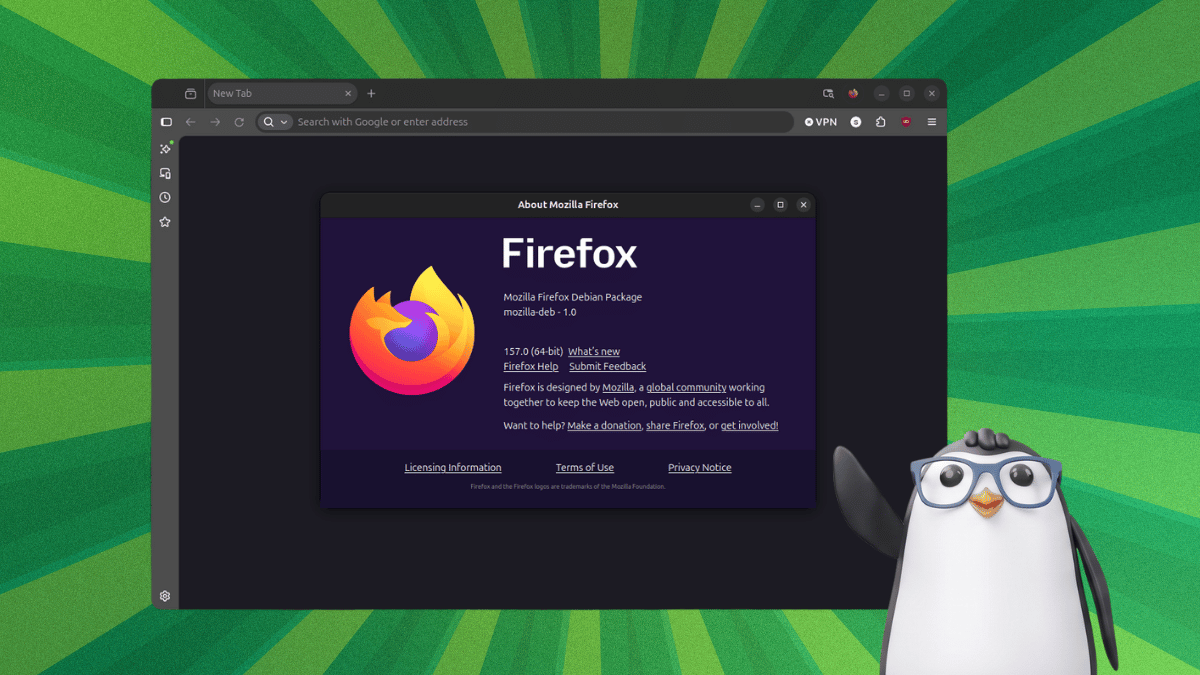
- Complexity vs. Simplicity: While software is becoming more complex (requiring more frequent kernel updates), the interfaces for consuming that software (such as the Mozilla Firefox "Nova" redesign) are becoming more refined and streamlined.
- Sovereignty as a Service: The move toward NixOS by national governments signals that "Digital Sovereignty" is no longer an abstract concept but a practical, actionable policy implemented through specific distributions.
- Community Resilience: Despite the existential threats posed by AI-generated content scraping and the dominance of Big Tech, projects like F-Droid and community-driven educational platforms are seeing renewed vigor.
The industry is moving toward a model where infrastructure is immutable, updates are automated, and knowledge is shared through interactive, gamified platforms. As we look toward the remainder of the year, the focus will likely remain on stability and security, ensuring that as the ecosystem expands, it does not sacrifice the core tenets of openness and user control that define the FOSS philosophy.
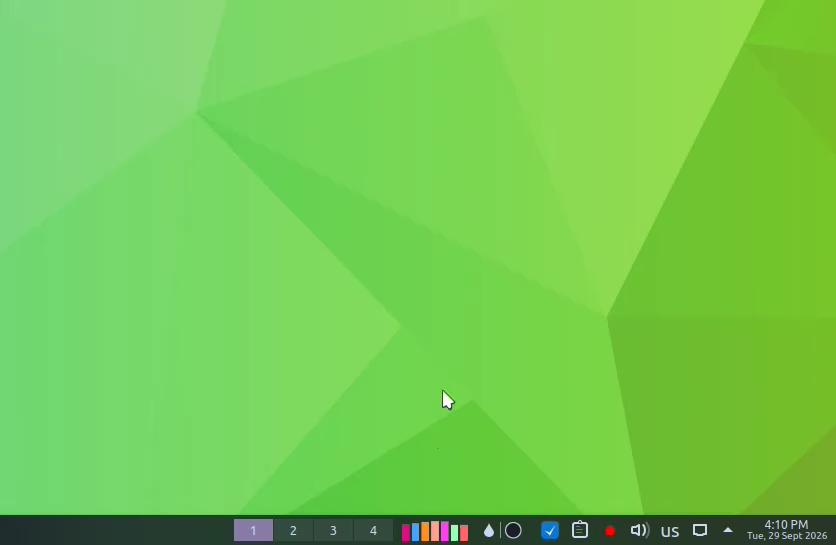
Quick Tip: Productivity in KDE Plasma
For users looking to optimize their workflow in KDE Plasma, the desktop environment offers a native feature to handle time and date formatting. By right-clicking the digital clock widget in the panel, users can access a "Copy to Clipboard" menu, allowing them to instantly grab timestamps in various formats without manual entry. This is a small but indicative example of how the Linux ecosystem continues to prioritize the "power user" experience, turning trivial daily tasks into seamless, automated actions.