The Mystery of the Ghost Cameras: St. Lucie County’s Unsettling Discovery
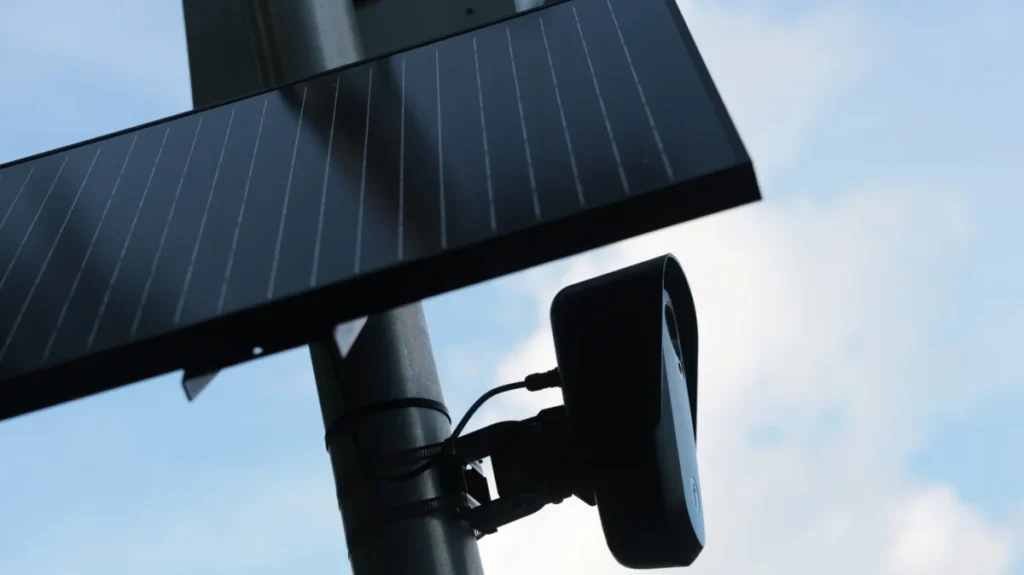
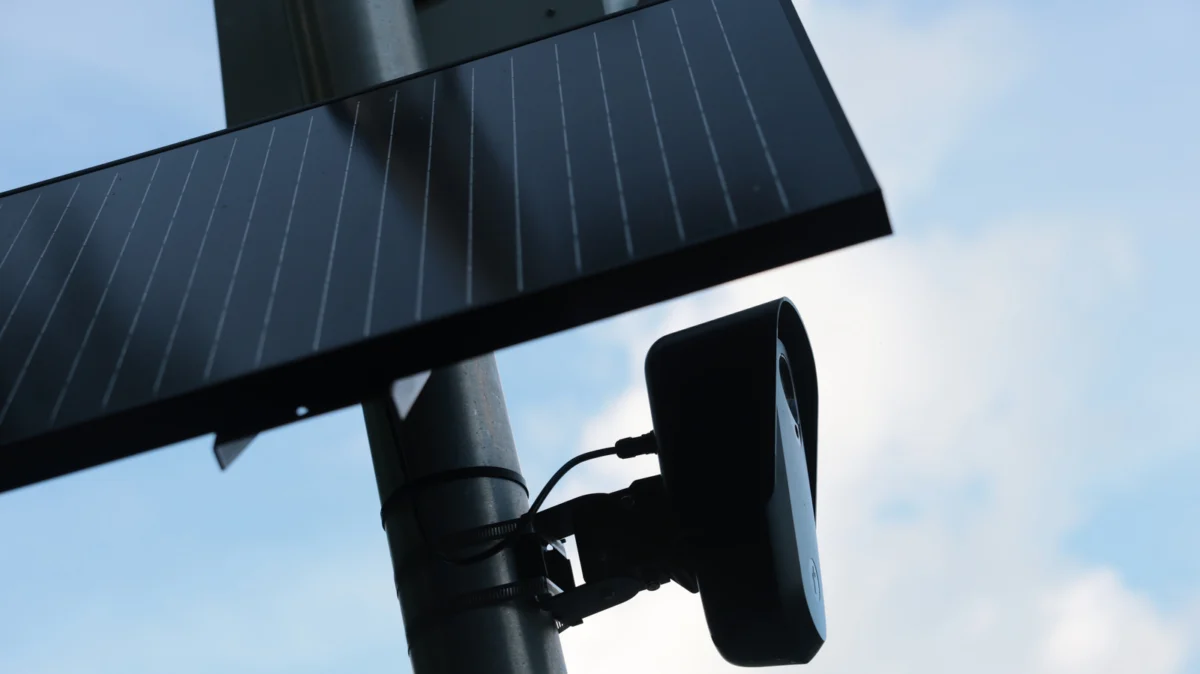
In a revelation that has sent shockwaves through the privacy advocacy community and local government circles alike, officials in Florida’s St. Lucie County have uncovered a network of "ghost" surveillance cameras operating within their jurisdiction without permits or official oversight. The discovery occurred during a routine effort to decommission and remove the county’s official fleet of Flock Safety automated license plate readers (ALPRs). What was intended to be a straightforward administrative task instead morphed into a complex investigation involving unmapped surveillance hardware, shadowy ownership, and mounting public alarm.
The Discovery: A Discrepancy in the Inventory
The incident began when St. Lucie County officials initiated a policy shift, opting to terminate their contract with Flock Safety and dismantle the surveillance infrastructure that had been deployed across the area. According to official records, the county’s inventory listed 52 authorized Flock cameras. However, as maintenance crews began the physical removal process, they stumbled upon 14 additional units that were not listed on any county permit, map, or inventory.
This discrepancy was not merely an administrative error; it represented a significant breach of local infrastructure protocols. After a preliminary investigation, the St. Lucie County Sheriff’s Office stepped forward to claim three of the 14 unpermitted units. Yet, even this admission raised more questions than it answered. The Sheriff’s Office has remained conspicuously silent regarding why these specific units lacked the necessary paperwork and how they were installed without the knowledge of the county’s oversight bodies.
This left 11 cameras remaining—devices that were actively scanning license plates and collecting metadata, yet belonged to entities unknown to the local government. The discovery of these 11 "orphaned" cameras has prompted immediate, albeit temporary, mitigation measures. County officials have placed notices on the unauthorized hardware demanding their immediate removal and, as a stopgap measure, have covered the lenses with plastic bags to prevent further data collection. In a bizarre turn of events, a journalist from The Washington Post visited the site of one such camera only to find it had been removed, leaving no trace of the owner or the entity that dismantled it.
A Chronology of Surveillance Scrutiny
The unease surrounding these ghost cameras does not exist in a vacuum. It is the latest chapter in a growing national debate over the ubiquity of AI-powered surveillance in American public spaces.
- The Rise of Flock: Over the past several years, Flock Safety has become the industry leader in ALPR technology. By utilizing solar-powered, motion-activated cameras that can capture vehicle make, color, and license plate information in real-time, the company has deployed over 100,000 units across the United States.
- Growing Resistance: As the network expanded, so did the backlash. Privacy advocates, including the American Civil Liberties Union (ACLU), have long warned that the aggregate data from these cameras creates a "dragnet" surveillance system that tracks the movements of ordinary citizens without probable cause.
- The Florida Pivot: In September, the momentum against these devices reached a tipping point in Florida. The state’s Department of Transportation enacted a formal ban on the use of Flock license plate readers on state roads, citing concerns over security risks and the unauthorized collection of sensitive citizen data.
- The St. Lucie Discovery: In the weeks following the state-level ban, local authorities in St. Lucie County began the process of cleaning up their own surveillance landscape, leading to the discovery of the unpermitted units.
Supporting Data: The Scale of the Network
To understand the gravity of the St. Lucie discovery, one must examine the sheer scale of Flock’s reach. The company’s business model relies on a "network effect," where private homeowners’ associations (HOAs), businesses, and law enforcement agencies feed data into a centralized cloud database.
According to industry reports, the company processes billions of events annually. The primary concern among security researchers is the "data silo" problem. When cameras are placed on public roads by private entities—or, as in this case, by unknown parties—the chain of custody for that data becomes impossible to audit. Who is viewing the license plate data? How long is it stored? Is it being shared with third-party intelligence brokers or federal agencies?
In St. Lucie County, the revelation that 11 cameras were operating "off the grid" suggests that the surveillance infrastructure has outpaced the ability of local government to regulate it. If private companies or anonymous individuals can install high-resolution tracking equipment on utility poles and public property without a permit, the concept of a "reasonable expectation of privacy" in public spaces becomes effectively obsolete.
Official Responses and Accountability Gaps
The response from public officials has been a mixture of bureaucratic confusion and defensive posturing. The St. Lucie County Sheriff’s Office’s decision to claim three of the cameras has been met with skepticism. Critics argue that if a law enforcement agency is installing cameras without permits, they are effectively bypassing the transparency requirements that democratic oversight demands.
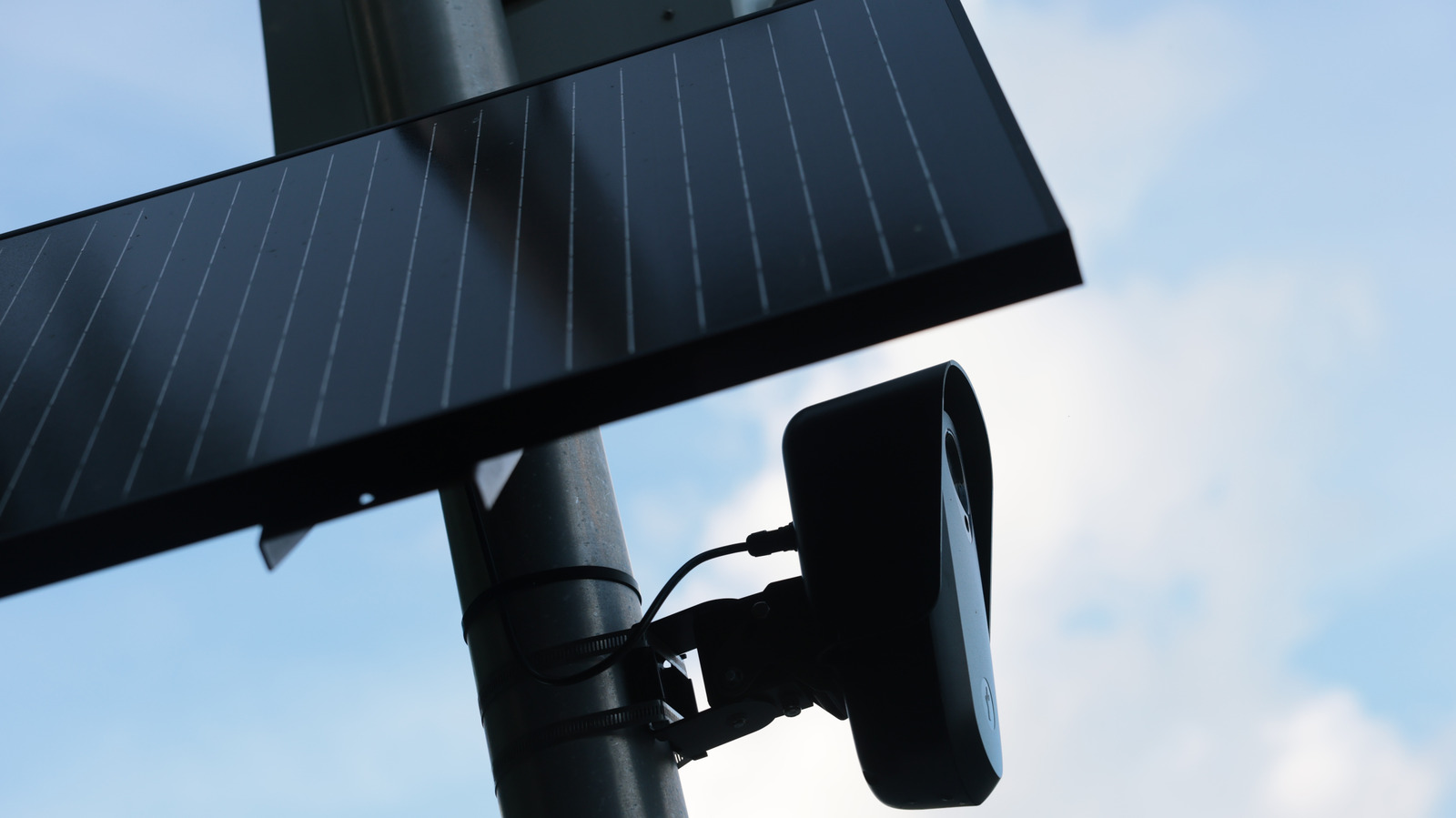
Meanwhile, Flock Safety has been the subject of numerous inquiries. When reached for comment regarding the St. Lucie incident, the company often points to their privacy policies, which mandate that customers must comply with local laws. However, the existence of unpermitted cameras suggests that the company’s internal compliance mechanisms may be failing to prevent the unauthorized deployment of their technology.
Local residents have expressed profound frustration. During recent public hearings, citizens voiced concerns that they were being monitored by cameras that no one could identify or hold accountable. "We don’t know who is watching us," one resident told local news outlets. "It could be a disgruntled neighbor, a private investigator, or a company selling our location data to the highest bidder."
The Broader Implications: Privacy in the Age of Ubiquitous Tech
The "Ghost Camera" phenomenon highlights a fundamental flaw in the current regulatory framework for smart-city technology. Legislation, by its nature, is reactive. As new technologies like AI-driven license plate readers are introduced, local governments often lack the technical expertise or the administrative capacity to manage them.
1. The Erosion of Due Process
When surveillance is automated, the "policing" of a community becomes constant. Without strict warrants or oversight, the ability for law enforcement to pull historical data on a vehicle’s movements constitutes a form of digital panopticon that can be abused for political profiling or harassment.
2. Private-Public Blurring
The most dangerous aspect of the St. Lucie incident is the lack of clarity regarding who is responsible for the data. If a private entity operates a camera on a public pole, does that data enjoy the same legal protections as data collected by a police department? Currently, the law is murky, often allowing private entities to hoard data that would be subject to strict public record requests if held by the state.
3. The Need for Auditable Infrastructure
The incident in St. Lucie serves as a wake-up call for municipalities across the country. It is no longer enough to simply approve a contract with a vendor; cities must implement rigorous, real-time auditing of their infrastructure. This includes:
- Mandatory Registry: Every camera, whether public or private, operating on public rights-of-way must be registered in a public-facing database.
- Periodic Physical Audits: As seen in this case, administrative records can be wildly inaccurate. Physical audits are necessary to ensure that the "on-the-ground" reality matches the digital map.
- Clear Decommissioning Protocols: When a contract ends or a permit is revoked, there must be a verified, documented removal process to ensure no "ghost" hardware remains active.
Conclusion: A Turning Point for Transparency
The 11 unclaimed cameras in St. Lucie County are more than just pieces of discarded hardware; they are symbols of a surveillance ecosystem that has grown too fast, too quietly. As communities grapple with the implications of the digital age, the demand for transparency is becoming a core component of local governance.
If cities cannot account for the cameras that record their citizens’ every movement, they cannot claim to be protecting their citizens’ privacy. The mystery of the unpermitted cameras in Florida is likely just the beginning. As more municipalities follow the path of St. Lucie County and attempt to audit their surveillance inventories, it is highly probable that more "ghost" networks will emerge, forcing a long-overdue national reckoning on the limits of surveillance and the rights of the public to remain unobserved.