AWS Unveils Amazon CloudWatch Omni: A Unified, AI-Powered Observability Hub for Modern Applications and Generative AI Workloads
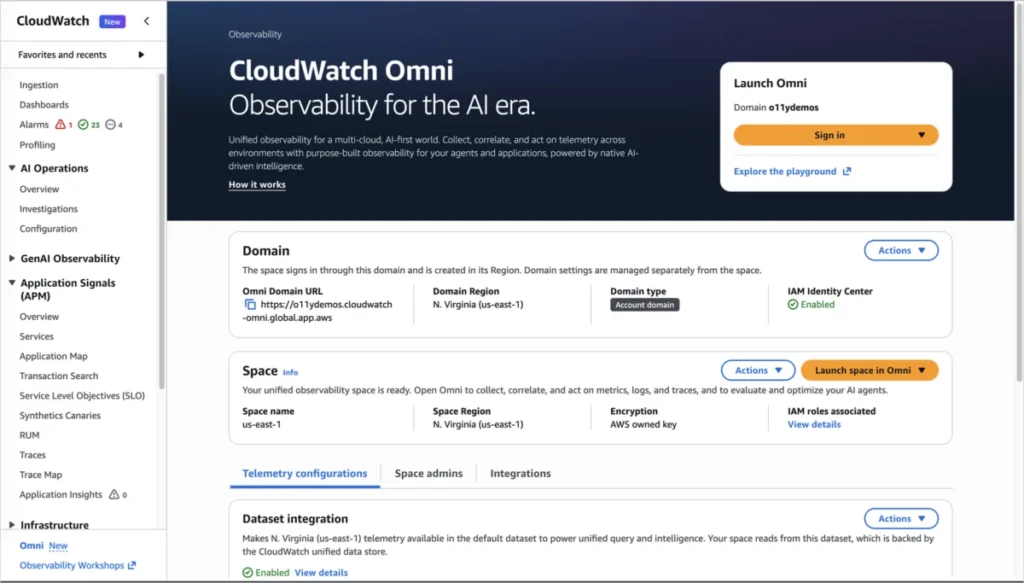
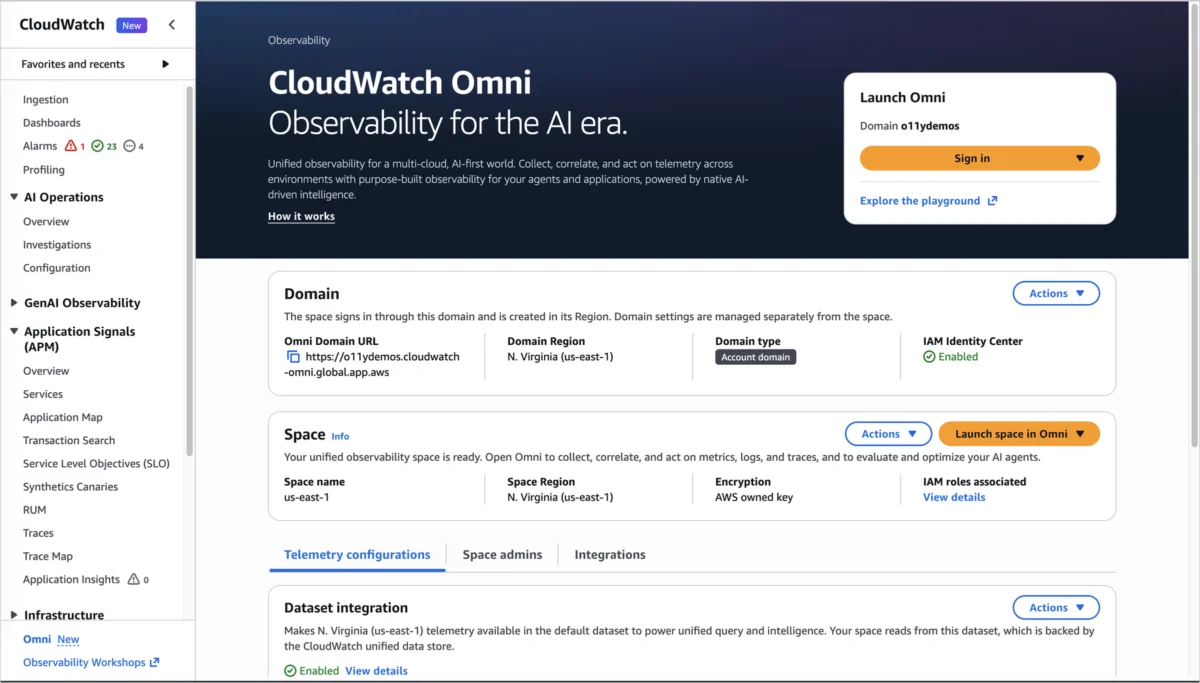
SEATTLE — In a major development for enterprise software engineering and cloud operations, Amazon Web Services (AWS) has officially announced the launch of Amazon CloudWatch Omni. Designed to radically transform how engineering organizations monitor, troubleshoot, and secure complex distributed systems, CloudWatch Omni introduces a unified, AI-powered observability experience tailored for modern applications, microservices, and emerging generative AI agentic workloads.
By breaking down the traditional silos between logs, metrics, traces, and alarms, Omni addresses one of the most persistent bottlenecks in software development: the time and context lost when engineering teams must juggle disparate monitoring tools during high-pressure incident investigations. Built natively on OpenTelemetry (OTel) and deeply integrated with enterprise identity providers and generative AI agents, CloudWatch Omni promises to shift operational paradigms away from static dashboards and toward dynamic, application-centric collaboration.
Main Facts: What is Amazon CloudWatch Omni?
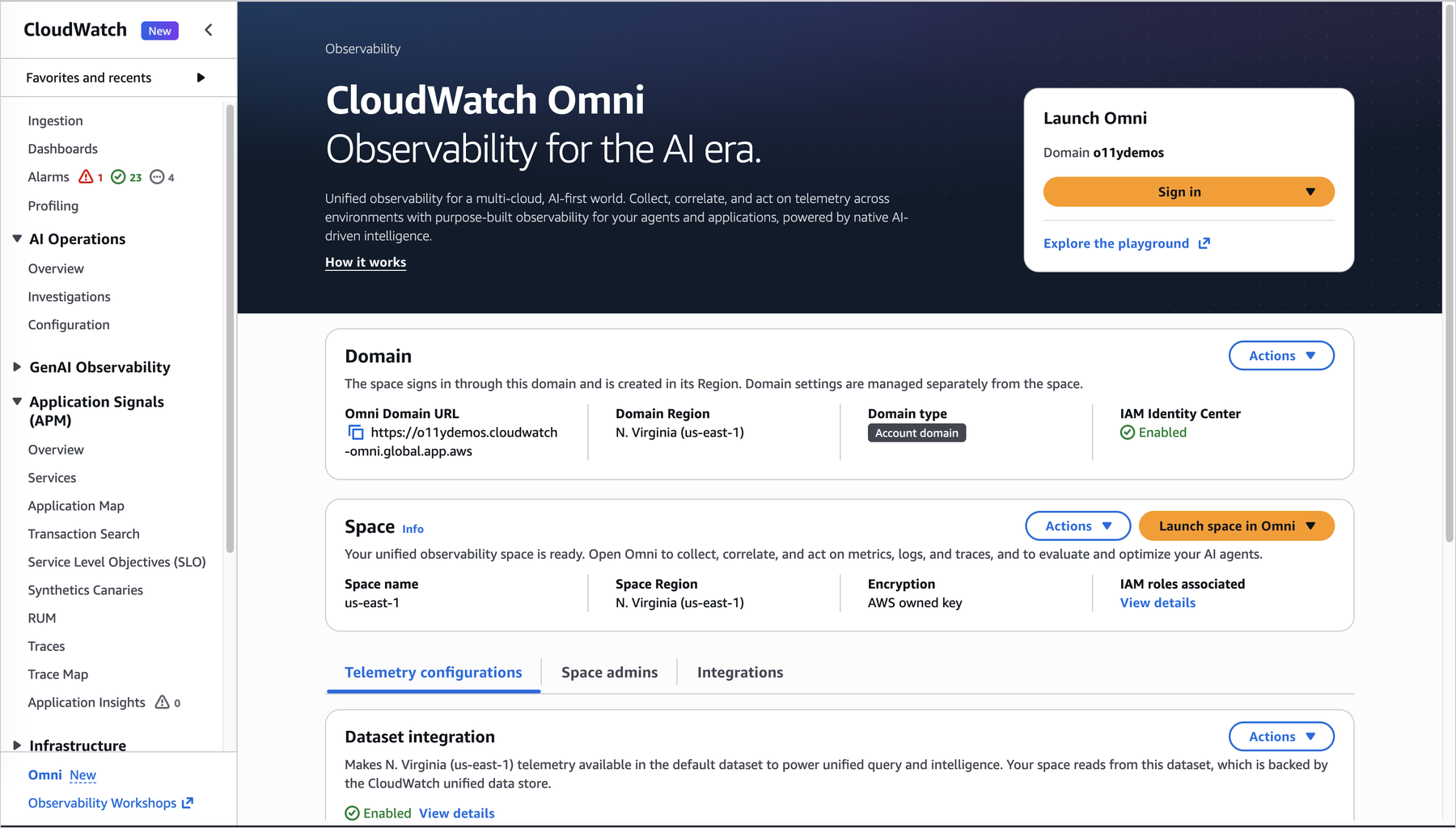
At its core, Amazon CloudWatch Omni is an advanced, centralized observability workspace that consolidates telemetry data, team workflows, and artificial intelligence into a single interface. Accessible via a dedicated organizational URL with enterprise Single Sign-On (SSO) support, Omni operates independently of the AWS Management Console, allowing cross-functional teams—including software developers, Site Reliability Engineers (SREs), database administrators, and managers—to collaborate within a shared workspace without requiring direct AWS infrastructure access.
Key architectural and functional highlights include:
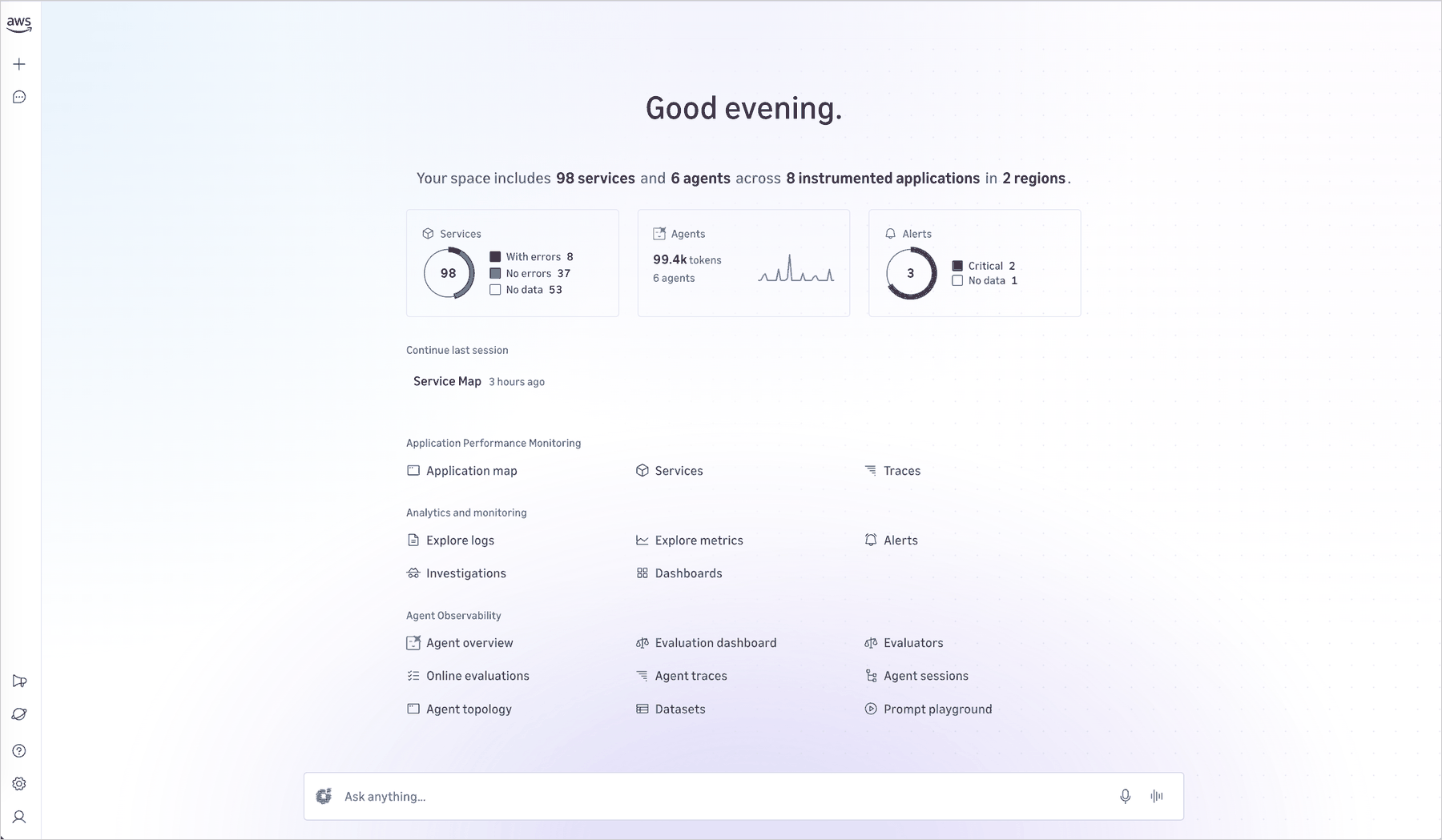
- Application-Centric Organization: Rather than forcing teams to monitor isolated infrastructure components or piecemeal metrics, Omni automatically discovers services, maps dependency topologies, and groups related workloads into collaborative environments known as "Spaces."
- OpenTelemetry Native: Omni leverages OpenTelemetry as its underlying telemetry standard. Existing data flowing into CloudWatch appears automatically with zero reconfiguration required, while external workloads can feed telemetry directly into an OpenTelemetry Protocol (OTLP) endpoint.
- AI-Powered Incident Investigation: Through deep integration with the Amazon DevOps Agent, Omni provides automated root-cause analysis, correlates cross-service signals, suggests remediation paths in natural language, and maintains a complete historical record of every investigation session.
- Dual Observability Paradigms: Alongside traditional application observability, Omni delivers purpose-built monitoring, trace exploration, and evaluation frameworks for generative AI models and autonomous agentic workloads.
Chronology: The Evolution Toward Unified Observability
The release of CloudWatch Omni represents the culmination of years of enterprise feedback regarding observability fatigue. The chronological path leading to this launch highlights the industry-wide shift toward standardized telemetry and automated remediation:
- The Rise of Microservices and OpenTelemetry: As enterprises migrated away from monolithic architectures toward distributed microservices, the volume of telemetry data exploded. Teams increasingly adopted OpenTelemetry to vendor-lock their telemetry pipelines, yet struggled with tool sprawl—often jumping between disparate Application Performance Monitoring (APM) dashboards, log aggregators, and metric tools.
- The Fragmented Incident Response Reality: Engineering surveys consistently revealed that SREs and developers spent a disproportionate amount of time curating dashboards, tuning static alarm thresholds, and translating technical context across Slack channels and disparate chat applications when incidents occurred. Cross-team collaboration remained clunky and prone to context loss.
- The Advent of GenAI and Agentic Workloads: The rapid enterprise adoption of Large Language Models (LLMs) and autonomous AI agents introduced entirely new observability challenges. Debugging non-deterministic agent loops, tracking multi-step prompt executions, and evaluating model drift required specialized tooling that traditional APM platforms were unequipped to handle.
- The Launch of Amazon CloudWatch Omni: Addressing these compounding challenges head-on, AWS engineered CloudWatch Omni to bridge the gap between traditional application monitoring and next-generation AI workloads, unifying them under a single collaborative canopy with built-in generative AI assistance.
Supporting Data: Addressing Engineering Friction Points
According to operational data gathered by AWS during the development and early testing phases of CloudWatch Omni, engineering teams face three primary structural inefficiencies that Omni is specifically designed to eliminate:

- Dashboard Maintenance Overhead: Maintaining static dashboards consumes up to 30% of an SRE’s operational bandwidth. Omni replaces static boards with dynamic, self-adjusting topologies driven by declared Service Level Objectives (SLOs), availability targets, and latency budgets.
- Context Loss During Escalation: When an incident spans multiple team boundaries—such as a front-end checkout failure triggered by a downstream payment API misconfiguration—valuable diagnostic context is frequently lost in manual handoffs. Omni’s shared investigation sessions preserve the entire history and state of the diagnostic process in real time.
- Telemetry Integration Friction: Requiring teams to completely re-instrument their applications is a major adoption barrier for new observability tools. Because Omni is built natively on OpenTelemetry and integrates directly with existing CloudWatch data stores, historical metrics, logs, traces, and alarms are instantly accessible without data migration or re-architecture.
Official Responses and Expert Insights
Daniel Abib, representing the engineering and product team behind the release, emphasized the user-centric design philosophy of the new platform.
"Engineering teams spend a significant portion of their observability time maintaining dashboards, tuning thresholds, and switching between tools to piece together what happened during an incident," Abib noted. "When an issue crosses team boundaries, context gets lost in Slack threads and screenshots. CloudWatch Omni changes this by organizing observability around your applications rather than individual signals, and bringing your whole team into the same workspace."
Industry analysts and early enterprise adopters have similarly praised the decision to decouple the observability workspace from the AWS Management Console via enterprise SSO integration (supporting AWS IAM Identity Center, Okta, Microsoft Entra ID, and other SAML 2.0 identity providers). This architectural choice broadens access for non-infrastructure personnel—such as product managers and customer success engineers—who need visibility into application health during critical outages without managing underlying cloud resources.
Implications: The Future of Cloud Operations and AI Management
The launch of Amazon CloudWatch Omni carries profound implications for the cloud computing and DevOps landscapes:
1. The Death of the Static Dashboard
For decades, building and maintaining elaborate, multi-tab dashboards has been a hallmark of cloud operations. Omni’s dynamic, intent-driven monitoring—where engineers define high-level thresholds and targets while the system automatically adjusts topology maps and service dependency graphs—signals a definitive shift toward automated, self-healing operational interfaces.
2. Mainstreaming Autonomous DevOps Agents
By embedding the Amazon DevOps Agent directly into investigation sessions, AWS is normalizing human-AI collaboration in incident response. Rather than acting as a simple chatbot or alert notifier, the DevOps Agent actively reads telemetry, correlates anomalies across distributed services, traces root causes, and generates post-incident reviews automatically. This significantly reduces Mean Time to Resolution (MTTR) and lowers the cognitive load on on-call engineers.
3. Bridging Conventional and Generative AI Workloads
As enterprises increasingly deploy hybrid applications combining traditional microservices with generative AI agents, maintaining separate observability toolchains for code and models has become unsustainable. By providing a unified "Space" that accommodates both conventional application traces and specialized agentic evaluation frameworks, CloudWatch Omni offers a cohesive governance model for the next era of software engineering.
Getting Started with CloudWatch Omni
Amazon CloudWatch Omni is generally available now. Existing CloudWatch customers can evaluate the platform immediately by navigating to the Amazon CloudWatch console and selecting "Try CloudWatch Omni."
For organization-wide deployments, administrators can configure a dedicated domain, connect their corporate identity provider via IAM Identity Center, define team-specific "Spaces," and provision user access in a matter of minutes. Comprehensive documentation, API references, and regional availability details are accessible via the official AWS documentation portals and the AWS MCP Server toolkit for preferred AI development environments.