Untethered: A Comprehensive History of the Wireless Gaming Controller
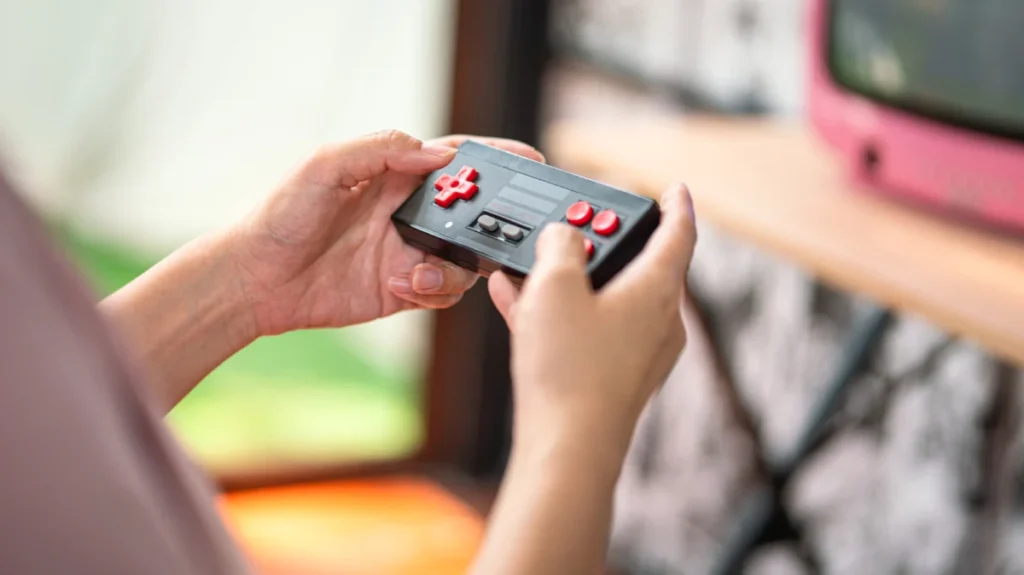
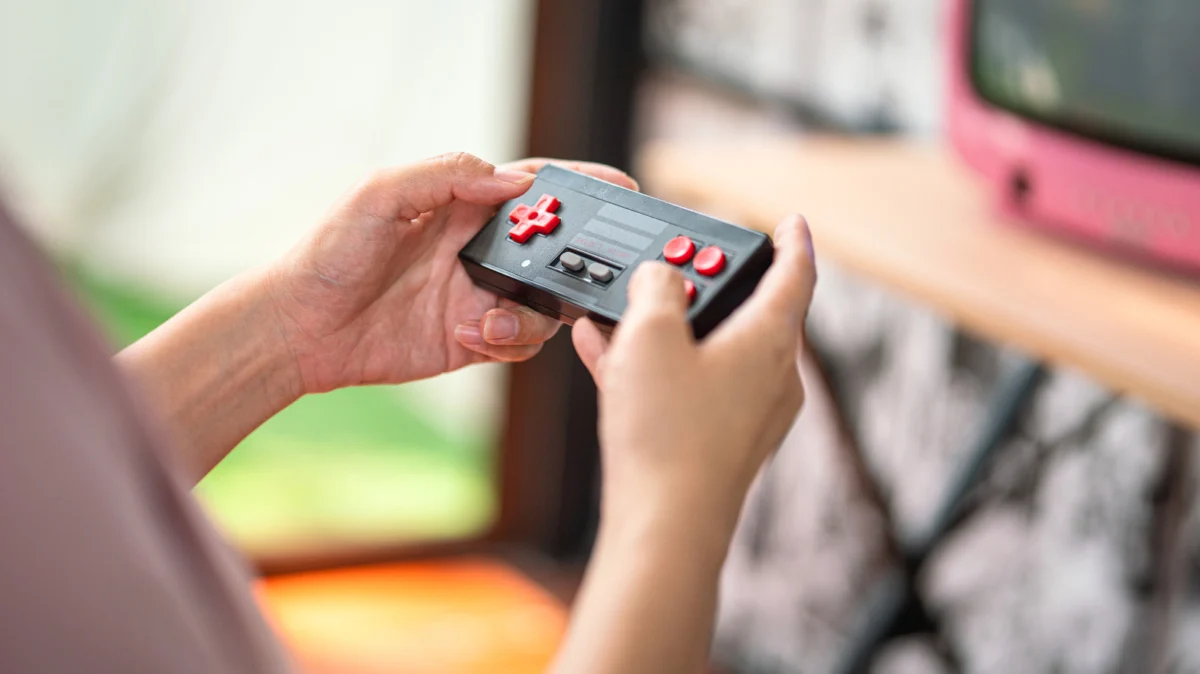
For the modern gamer, the act of sitting down, picking up a controller, and jumping into a game without a tangle of wires is as natural as breathing. We take for granted the near-zero latency, the haptic feedback, and the seamless pairing of our controllers with consoles. However, this freedom is the result of over four decades of engineering trial and error. The path to the wireless revolution was paved with bulky batteries, unreliable infrared signals, and a constant struggle against the laws of physics.
To understand where we are today, we must look back at the pioneers who first attempted to cut the cord, from the clunky peripherals of the early 1980s to the refined, haptic-rich devices that define current-generation gaming.
The Genesis: The Early Quest for Wireless Freedom
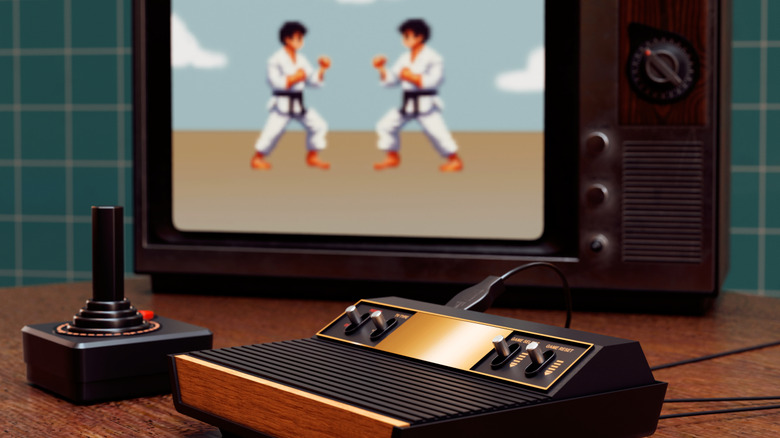
While many believe the transition to wireless was a byproduct of the modern era, the desire for freedom of movement is as old as the industry itself. In the early 1980s, the Atari 2600 dominated the living room. It was a time of primitive but addictive gameplay, and it was also the birthplace of the very first wireless controller: the Cynex Game Mate 2.
Released around 1982, the Game Mate 2 was a technological marvel for its time. Unlike the infrared (IR) controllers that would plague later decades—which required a direct line of sight to the console—the Game Mate 2 utilized radio frequencies (RF). This allowed for a reported range of up to 20 feet, granting players an unprecedented level of mobility.
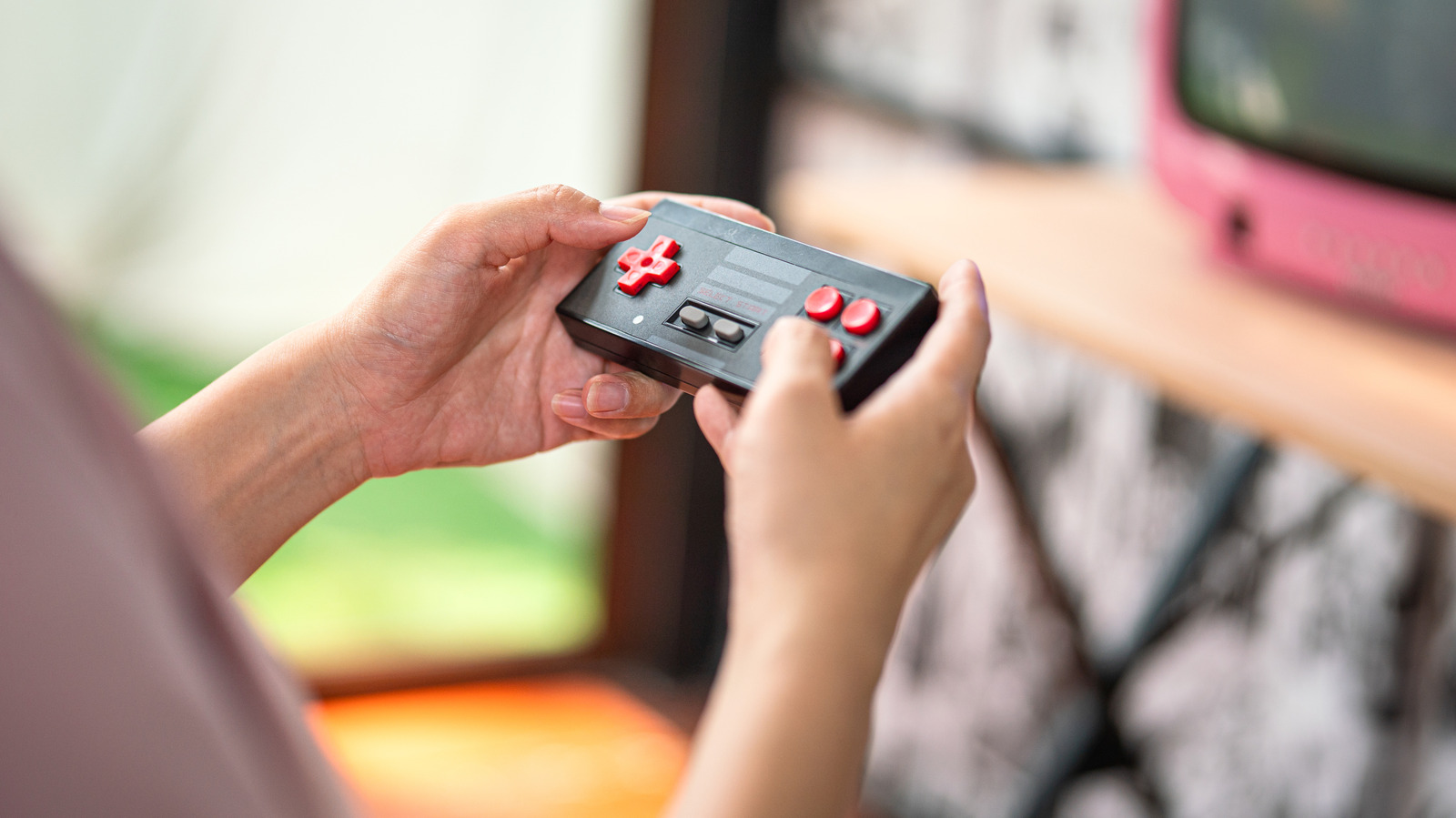
However, the hardware was far from perfect. The device was essentially a standard Atari 2600 joystick mounted on a heavy, base-station chassis. It required a 9V battery that drained at an alarming rate, and the physical footprint of the controller made it cumbersome to hold. When Atari eventually took over distribution in 1983 and rebranded the device as the "CX42 Remote Control Wireless Joystick," it served as a proof-of-concept that the industry was not quite ready to scale.
The Infrared Era and the "Line-of-Sight" Problem
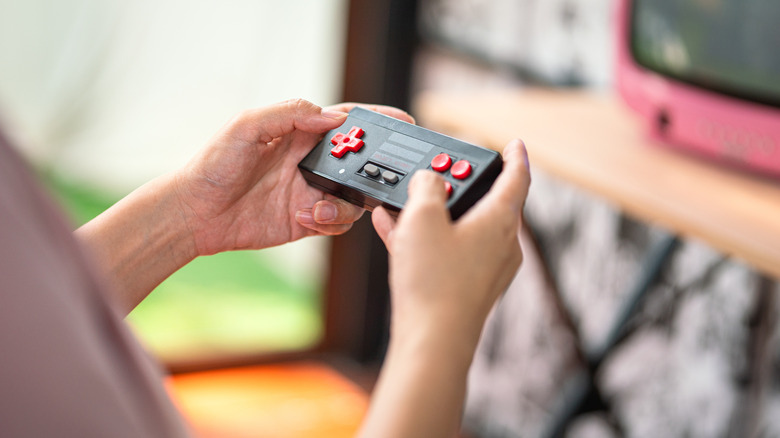
As the 1980s progressed into the 1990s, companies like Acclaim attempted to bring wireless gaming to the masses through infrared technology. The most notable example was the Acclaim Remote Controller for the Nintendo Entertainment System (NES).
Infrared technology, while cheap to implement, was fundamentally flawed for gaming. Because it relied on light signals, the controller needed a clear, unobstructed path to the console’s receiver. If a player stood up, a pet walked across the room, or a couch cushion shifted, the signal would drop, leading to agonizing moments of character "ghosting" or complete input failure. These controllers were notorious for turning competitive gaming sessions into exercises in frustration, cementing a reputation that "wireless" was synonymous with "unreliable."
The Turning Point: Nintendo’s WaveBird
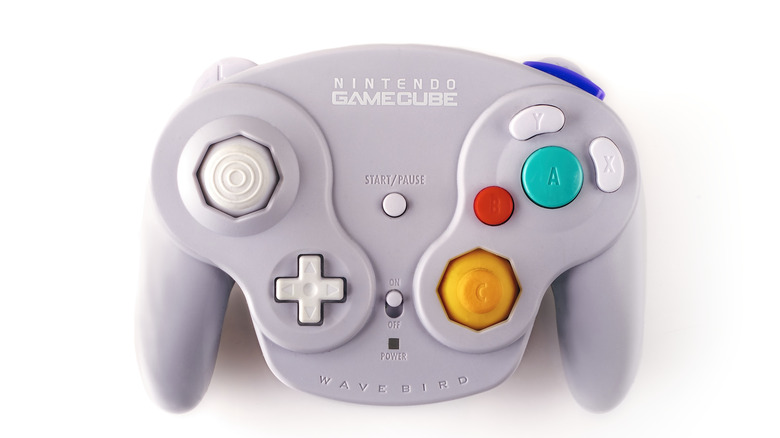
The true shift toward high-quality, reliable wireless gaming arrived in 2002 with the Nintendo GameCube WaveBird. This device is widely regarded by industry historians as the first mainstream wireless controller that did not force the user to sacrifice performance for convenience.
The WaveBird was a bulky, "brute" of a controller, but its design was intentional. By utilizing 2.4GHz radio frequency technology, it eliminated the line-of-sight issues that haunted its predecessors. It was a revelation for gamers accustomed to the tether of a six-foot controller cord.
Key Innovations of the WaveBird:
- 2.4GHz Frequency: A stable, high-bandwidth signal that worked through walls and around furniture.
- Dual-Channel Connectivity: Users could match channels via sliders on the controller and the receiver, preventing interference in multi-player settings.
- Battery Longevity: To maintain power efficiency, Nintendo famously omitted rumble motors, allowing the controller to run for up to 100 hours on two AA batteries.
For many, the WaveBird was the moment the dream of a wireless living room became a reality. It allowed for a more relaxed, ergonomic gaming experience and facilitated multiplayer sessions where players could finally spread out across the room without tripping over tangled cables.
The PlayStation Dilemma: The Sixaxis and the Struggle for Identity
While Nintendo was perfecting the wireless experience, Sony was navigating the transition from the wired PS2 to the high-definition era of the PlayStation 3. Many consumers mistakenly believe that Sony was a leader in wireless technology, but the truth is more complicated.
Sony’s first foray into wireless, the Sixaxis controller, arrived in 2006 alongside the PS3. In the eyes of many enthusiasts, it was a "stinker." To keep the controller lightweight and to push the then-novel concept of motion controls, Sony removed the dual-motor rumble feature—a staple of the PlayStation experience since the original DualShock.
The Official Stance
The removal of rumble became a major point of contention. Phil Harrison, then-President of Sony Computer Entertainment Worldwide Studios, famously dismissed rumble as a "last-generation feature." This corporate stance, combined with the often-janky implementation of motion controls in early titles like Lair, created a backlash. Sony eventually pivoted, reintroducing haptic feedback in the form of the DualShock 3 in 2008, proving that the market demanded the tactile sensation of vibration far more than the gimmick of motion-sensing.
Implications for Modern Gaming
The evolution of the wireless controller has had profound implications for the gaming ecosystem. Today, we are in an era where "wireless" is the baseline, not the luxury.
1. Ergonomics and Accessibility
Wireless connectivity has allowed for a massive shift in controller design. Without the need to accommodate a bulky port or a thick, shielded cable, designers have been able to prioritize ergonomics, weight distribution, and battery management. This has also paved the way for advanced accessibility controllers, which can be placed anywhere in a room to accommodate players with physical disabilities.
2. Latency and Competitive Play
For years, professional gamers insisted on wired connections to avoid input lag. However, the development of protocols like Bluetooth LE and proprietary 2.4GHz dongles has reduced wireless latency to near-zero levels. In modern tournaments, the difference between a high-end wireless controller and a wired one is effectively imperceptible, a testament to the decades of R&D spent refining RF protocols.
3. The Ecosystem of Accessories
The move away from wires has created a massive secondary market for charging docks, battery packs, and specialized wireless controllers. Companies like SCUF, 8BitDo, and Razer have built empires by refining the wireless experience, offering back-paddles, trigger stops, and custom software mapping—features that would have been nightmares to implement in the early era of tethered joysticks.
Conclusion: Looking Toward the Future
From the clunky, battery-draining Game Mate 2 to the highly sophisticated, haptic-dense controllers of the PlayStation 5 and Xbox Series X, the journey of the wireless controller is a story of persistence. It is a reminder that technological breakthroughs are rarely instantaneous; they are the result of iterative failures, consumer feedback, and the relentless pursuit of a more immersive experience.
As we look toward the future—with cloud gaming, VR, and haptic feedback evolving at a rapid pace—the "controller" as we know it may eventually change form again. But the goal remains the same: to remove the physical barriers between the player and the game. We have come a long way from standing six feet from the television, praying that our infrared signal doesn’t cut out. Today, we are truly free to play on our own terms.