The AI Evolution: Linus Torvalds Embraces Machine Learning in Linux Kernel Development
In a significant departure from his previously skeptical stance on artificial intelligence, Linus Torvalds, the creator and lead maintainer of the Linux kernel, has publicly embraced AI as a functional tool for systems programming. This shift is not merely philosophical; it is being actively demonstrated within the Linux source code itself. A new experimental branch in Torvalds’ own kernel repository, titled noref-filemap-read-with-llm, serves as a tangible testament to his evolving relationship with machine-assisted development.
The Technical Breakthrough: Optimizing the Page Cache
The kernel branch in question—built upon the foundation of Linux 7.3-rc6—introduces a series of eight patches designed to optimize how the kernel handles concurrent file reads. To understand the significance of this work, one must first understand the bottleneck that has plagued Linux performance in high-concurrency environments.
The Bottleneck
Currently, when multiple threads attempt to read the same file, they rely on the "page cache"—the kernel’s in-memory repository of recently accessed data. Under the existing architecture, every individual read operation must "lock" the cached data to ensure consistency and release it once the read is complete. Because every thread is required to update a shared counter to manage this locking mechanism, threads inevitably experience contention, effectively "tripping over each other" and creating a performance ceiling.
This issue, which was originally highlighted by kernel developer Matthew Wilcox in 2024 following feedback regarding specific high-load customer workloads, has long been a known inefficiency.
The AI-Assisted Solution
The proposed patches implement a clever workaround: by delaying the reclamation of memory that leaves the cache, the kernel ensures that data remains accessible for a short window. This allows reader threads to copy data directly from the cache without needing to hold a lock, significantly reducing contention.
The results are striking. In performance testing conducted on his personal hardware (with certain security mitigations disabled), Torvalds observed a massive leap in throughput. Eight threads reading a single file saw performance jump from approximately 10 million reads per second to a staggering 30–33 million. Notably, the commit message credits Claude Code—an AI assistant—for the bulk of the heavy lifting, including the drafting of the technical explanation, the generation of the code, and the development of the test suite.
A Chronology of Change: From Skeptic to User
To appreciate the gravity of this development, one must look at the trajectory of Torvalds’ opinions on the AI industry.
- 2024: The Era of Skepticism: Throughout 2024, Torvalds remained notoriously dismissive of the AI hype cycle. He famously categorized the AI industry as being composed of "90 percent marketing and 10 percent reality," signaling a deep-seated distrust of the bloated claims surrounding Large Language Models (LLMs).
- August 2024: The First Experiment: The first public hint of a change in approach occurred when Torvalds utilized an AI tool to assist in debugging a complex issue within the Intel Xe graphics driver. It was a measured, low-stakes experiment that suggested a shift in strategy: using AI not as a creator, but as a specialized diagnostic assistant.
- Late 2025/Early 2026: Full Integration: With the
noref-filemap-read-with-llmbranch, the integration has reached a new level. The AI is no longer just finding bugs; it is proposing architectural optimizations and drafting the corresponding technical documentation.
The Pragmatic Perspective: Insights from Prague
At the Open Source Summit Europe in Prague, held this past Friday, Torvalds sat down with long-time collaborator and friend Dirk Hohndel, the head of Ericsson Software Technology. During this candid conversation, Torvalds provided the most direct commentary to date on his adoption of AI.

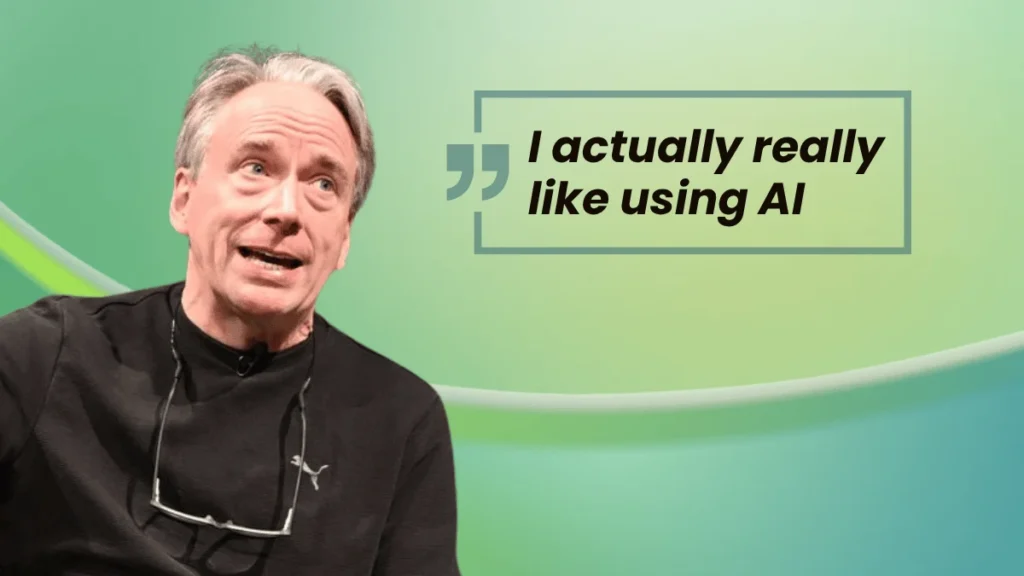
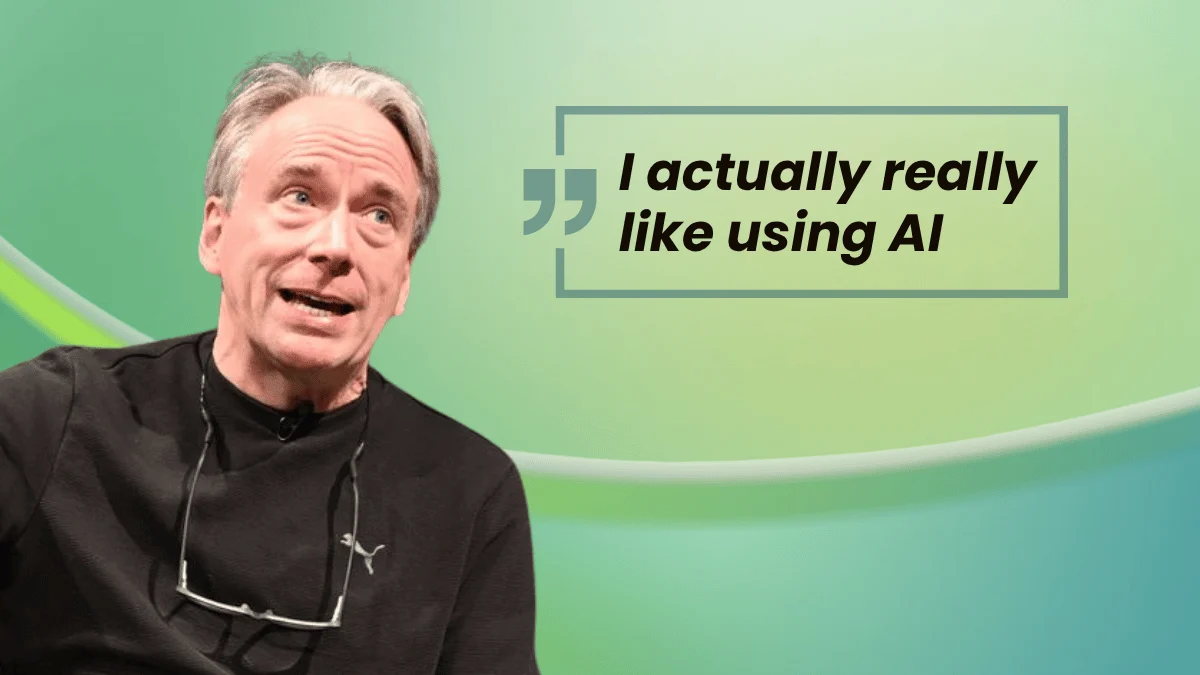
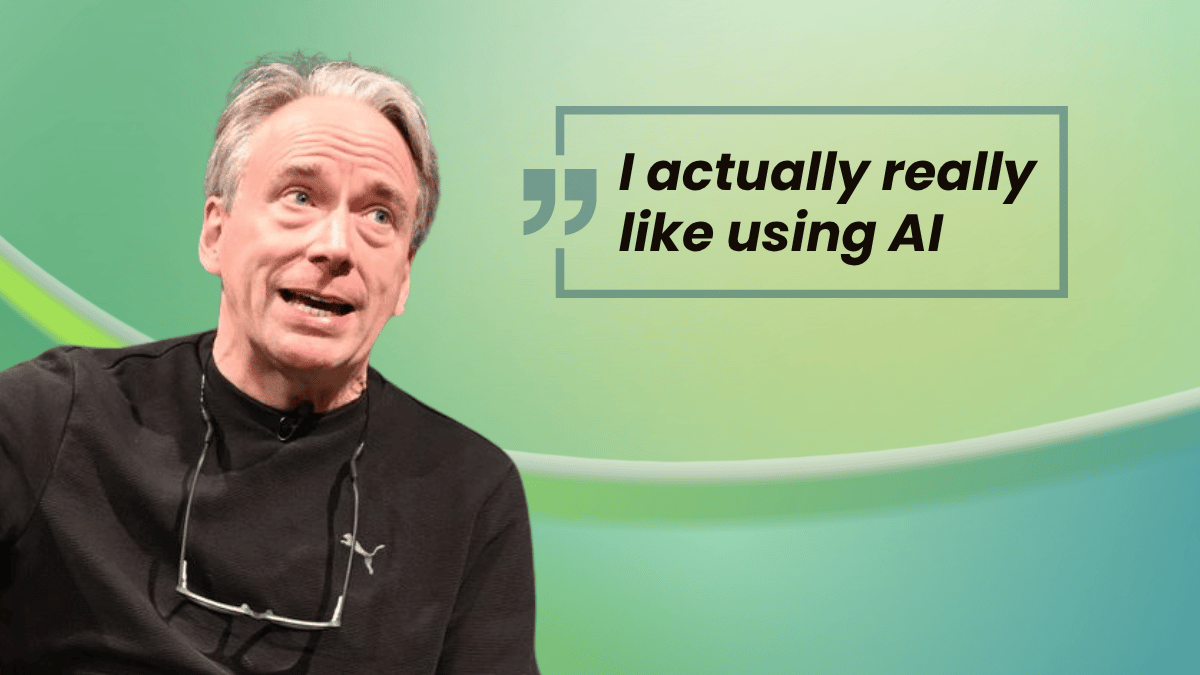
"I actually really like using AI," Torvalds admitted, reflecting on his change of heart. He noted that his previous rejection of the technology was rooted in the perception that it was a marketing-driven "solution in search of a problem." However, he has since recalibrated his view: AI works exceptionally well when treated strictly as a tool within a specific, bounded domain.
"Doing the Things I’m Bad At"
Torvalds illustrated his current methodology using a personal project: a guitar pedal interface written in C. While he is an expert in kernel-level C, he noted that he lacks the patience and interest for modern GUI design and front-end aesthetics. By leveraging AI to handle the "modern look" of the interface, he was able to focus his energy on the logic he actually enjoys. "I use AI to do the things that I’m bad at," he explained.
This philosophy—using AI to bridge gaps in personal skill sets or to handle tedious, boilerplate-heavy tasks—is the cornerstone of his current approach to software engineering.
Implications for the Linux Ecosystem
The adoption of AI by the world’s most influential kernel maintainer carries profound implications for the open-source community at large.

1. The "Vibe Coding" Philosophy
Torvalds defended the concept of "vibe coding"—the practice of using AI to generate code based on a high-level intent or "vibe"—as a "wonderful way to find joy in programming," particularly for newcomers. By lowering the barrier to entry, AI could potentially rejuvenate interest in low-level programming among a generation of developers who might otherwise be intimidated by the steep learning curve of the Linux kernel.
2. The Burden on Maintainers
However, Torvalds offered a significant caveat that resonates throughout the maintainer community. While AI is undeniably improving the quality and speed of code generation, it is simultaneously creating a "real problem" regarding the load placed on human maintainers. If AI-generated code floods the mailing lists, human reviewers must work twice as hard to verify the output. The risk of "hallucinated" bugs or subtle security vulnerabilities introduced by AI, which may look technically sound but function incorrectly, places a premium on the expertise of human gatekeepers.
3. The Future of Kernel Development
The move toward AI-assisted development suggests that the future of the Linux kernel will be a hybrid one. It is unlikely that AI will replace the need for high-level architectural oversight, but it will become an increasingly standard component of the "toolchain." From writing commit messages to optimizing performance-critical paths, AI is becoming an extension of the developer’s intent.
Conclusion: A New Chapter for Open Source
Linus Torvalds’ pivot toward AI is not a surrender of human control; it is a tactical expansion of his capabilities. By stripping away the marketing fluff and focusing on the tangible utility of LLMs, he has demonstrated that the most effective way to interact with AI is to keep it under strict human supervision.

As the Linux kernel continues to evolve, the noref-filemap-read-with-llm branch serves as a preview of what is to come. The goal remains what it has always been: technical excellence, stability, and performance. If an AI can help shave off microseconds from a file read operation or help a developer navigate a language they are unfamiliar with, the kernel—and by extension, the entire global computing infrastructure—stands to benefit.
The industry will be watching closely as these patches move from experimental branches to the mainline. If they succeed, the argument for AI in systems programming will move from "controversial" to "indispensable." For now, Torvalds remains the ultimate arbiter, proving that even for the most seasoned skeptic, the right tool can change everything.