Powering Up: itch.io App v26.22.0 Brings Seamless Collection Management and Enhanced Steam Deck Integration
The itch.io development team has unveiled its latest update for the itch app, version 26.22.0, marking a significant milestone in user experience and platform integration. As the digital marketplace continues to serve as the primary hub for independent game development, these updates prioritize streamlining the library management process and enhancing compatibility with modern gaming hardware. From long-awaited in-app collection editing to sophisticated Proton support for Linux-based devices, this update reflects a concerted effort to unify the itch.io ecosystem with the broader gaming landscape.
Main Facts: What’s New in Version 26.22.0
The latest release focuses on three primary pillars: library organization, interoperability, and future-proofing the platform’s accessibility.
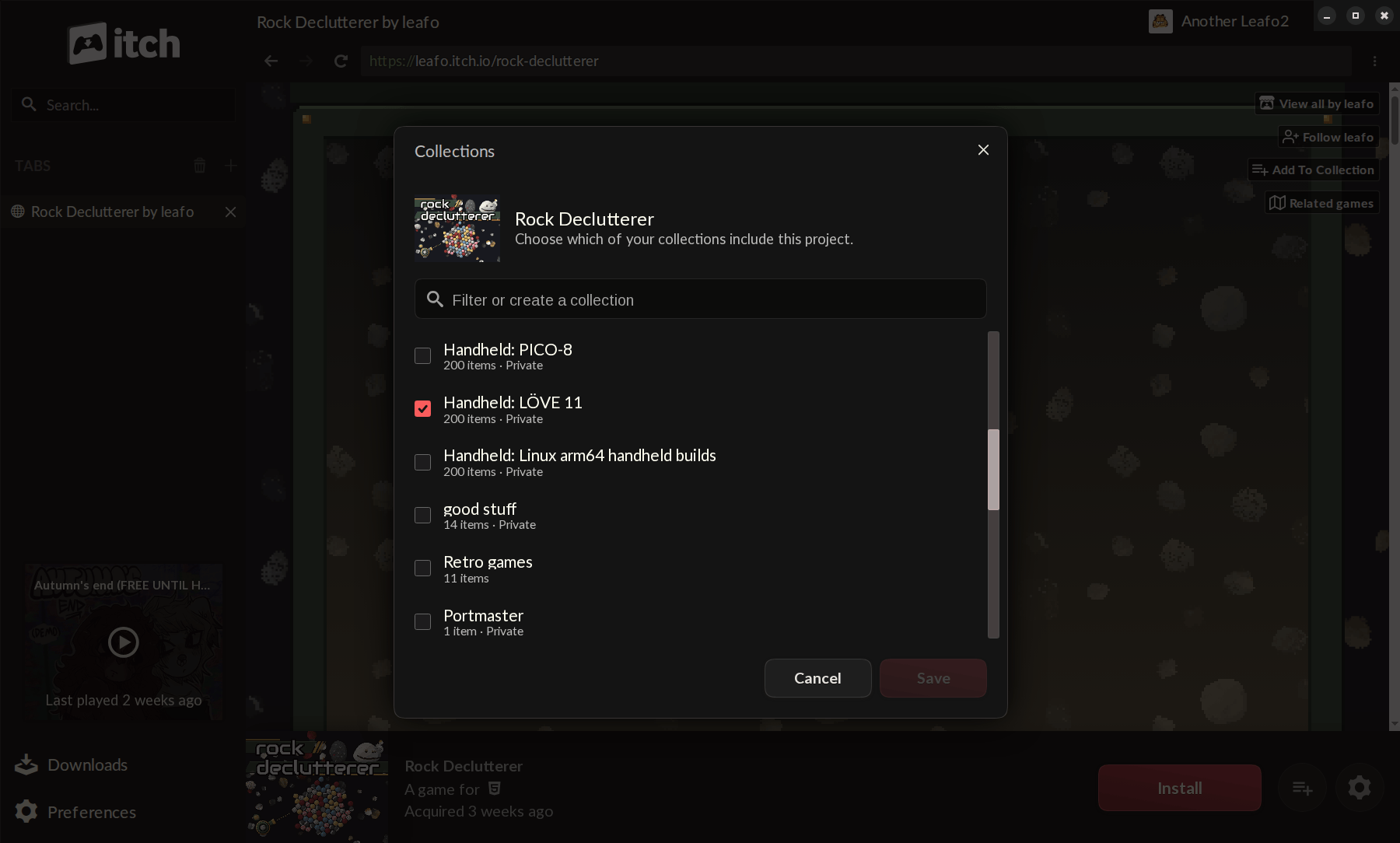
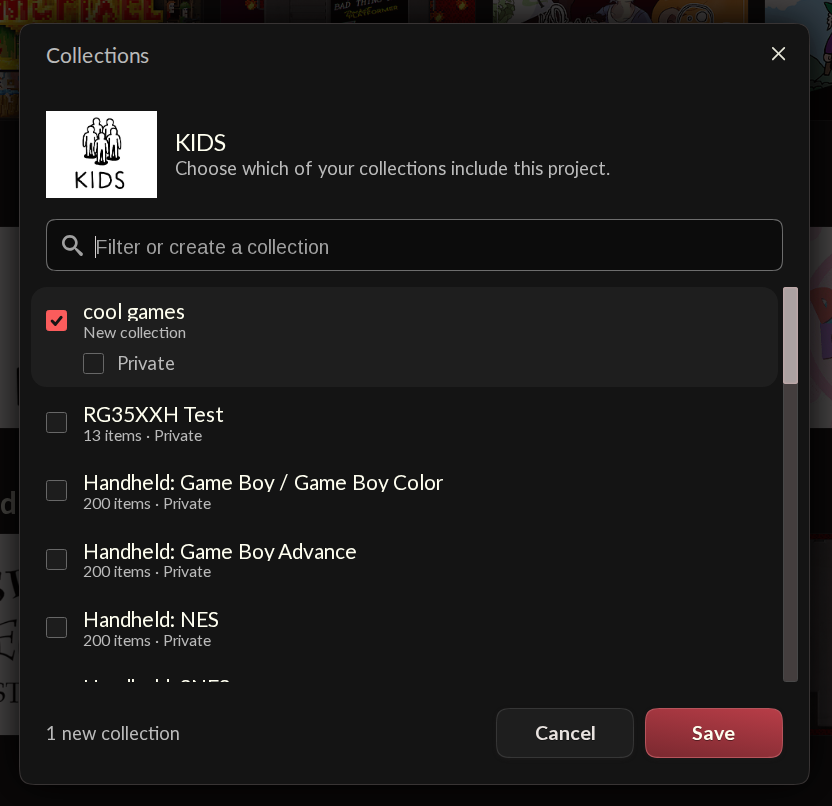
The most immediate change for users is the full integration of collection management within the app. Previously, users were required to navigate to their browser to curate their libraries. Version 26.22.0 eliminates this friction, allowing users to create, modify, and organize their collections without ever leaving the desktop client. This includes a new bulk-editing dialog that enables users to remove multiple items or reorder them instantly.
Furthermore, the update addresses the growing demand for Steam cross-compatibility. Building upon the "Steam Shortcuts" feature introduced in the previous iteration, this update introduces robust support for Proton. This allows users to seamlessly add Windows-based itch.io games to their Steam library and launch them via Proton, effectively bridging the gap between itch.io’s indie catalog and the Steam Deck’s proprietary gaming ecosystem.
Finally, the update includes a technical foundation update with Butler v15.32.0, which provides a suite of backend stability improvements and bug fixes, ensuring that the app remains performant as it scales.
Chronology: A Roadmap of Development
The itch.io app has seen a rapid evolution over the past year. The journey toward the current v26.22.0 release can be traced back to the platform’s commitment to "headless" launching and library portability.
- Initial Steam Integration (Q3 2024): The itch team first introduced the Steam Shortcuts tool. This was a response to the community’s desire to use their Steam library as a "universal launcher" for all their games, regardless of where they were purchased.
- The Feedback Loop: Following the initial release, developers monitored user reports concerning installation paths and profile configuration errors. This feedback phase was crucial in identifying the edge cases that were addressed in the current v26.22.0 release.
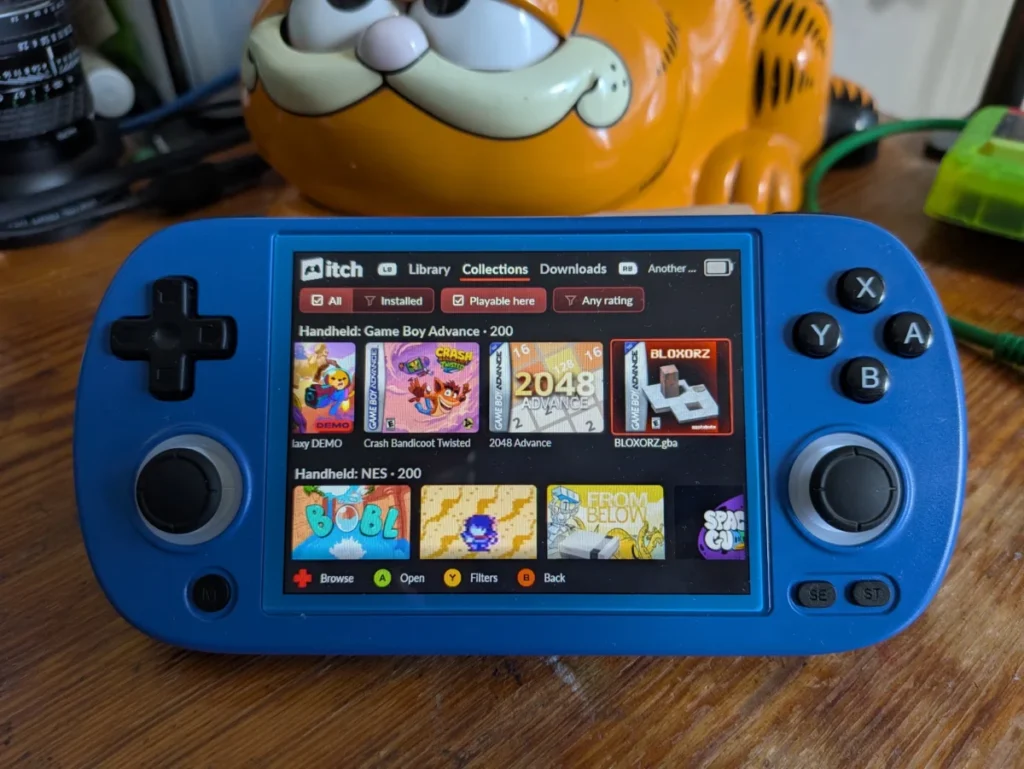
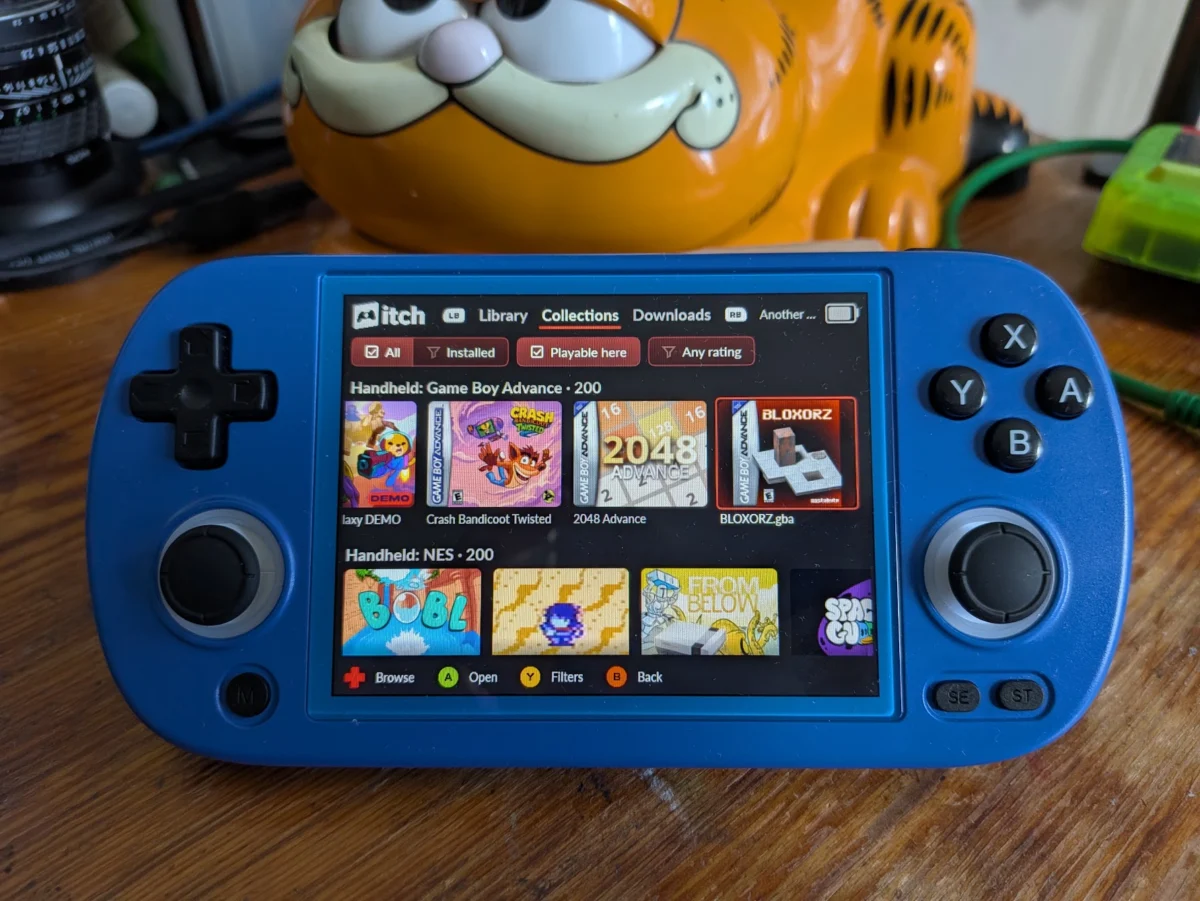
- The "Donk" Concept (Current Phase): Simultaneously, the team began exploring the "itch donk" initiative, an experimental branch of the app specifically designed for low-powered Linux handhelds. This project represents the latest shift in the company’s hardware-agnostic philosophy.
Supporting Data: The Rise of Linux and Handheld Gaming
The decision to lean into Proton support and the "itch donk" project is backed by a clear shift in user demographics. Since the launch of the Steam Deck, the market for "retro handhelds" and Linux-based portable gaming devices has exploded.
Industry analysts note that thousands of independent games on itch.io are compatible with the Linux/ARM architecture, yet they remained difficult to access on portable hardware due to the lack of a native, lightweight client. By focusing on "itch donk"—which optimizes the app for low-powered devices—the platform is positioning itself to be the primary distribution source for the growing ecosystem of Linux-based handhelds.
The "donk" initiative is currently in the R&D phase, with the team conducting rigorous testing on native Linux ARM builds and specialized game engines like LÖVE. The ultimate goal is to move away from general-purpose desktop computing and toward an "appliance-like" experience where the itch.io interface is as responsive as the console UI on a handheld device.
Official Responses and Developer Insight
In the accompanying release notes, the itch.io team emphasized that the "itch donk" project is more than just a port—it is a re-evaluation of how file metadata is handled. A significant portion of the work involves scanning the massive itch.io repository to tag files based on platform and runtime compatibility. This automated tagging system is expected to be a game-changer for discovery, as it will allow users to filter games by whether they will run natively on a specific handheld device.
Regarding the Steam integration, the developers noted, "The end-to-end experience is now fully functional. You can install Windows games on Linux via itch, and then add them to Steam to be launched with Proton. This is perfect for those who are using a Steam Deck and may have picked up a few bundles over the years."
Implications for the User Community
The implications of these updates are profound, particularly for power users and those invested in the Linux gaming community.
1. The Death of the "Browser Bridge"
By bringing collection management into the app, itch.io is acknowledging that users view the app as a primary destination rather than a secondary tool. This reduces the cognitive load of managing a growing library, effectively turning the itch app into a true "launcher" in the same vein as Steam or GOG Galaxy.
2. Steam Deck as a First-Class Citizen
By optimizing the Steam Shortcut tool for Proton, itch.io is essentially endorsing the Steam Deck as an itch.io device. Users who have purchased large bundles of indie games now have a seamless pathway to play those titles on the go without the manual labor of configuring Wine or Proton manually for every individual executable.
3. The "Donk" Future
The most significant long-term implication is the "itch donk" project. If successful, this could turn the entire catalog of itch.io games into a massive library for retro-style handhelds. This opens up a new market for independent developers: those who create titles for low-spec, portable hardware.
Community Feedback and Future Expectations
While the reception to v26.22.0 has been largely positive, the user community has been vocal about what comes next.
- Collection Parity: A recurring request in the community forums involves the "Add/Remove" functionality for collections. Users on mobile platforms are currently unable to manage their itch.io collections effectively, as the mobile web interface lacks the robust features found in the new desktop app.
- Tag Exclusion: A notable critique from users is the desire for more granular control over content, specifically the ability to exclude certain tags from their feeds. While workarounds exist via browser extensions, users are calling for native integration within the itch app.
- The "Donk" Branding: There is a mix of curiosity and amusement regarding the name "itch donk." Despite the informal branding, the technical ambition behind the project—the effort to index thousands of ROMs and ARM-compatible games—is widely viewed as a major technical undertaking that could redefine the platform.
Conclusion
The release of itch.io app v26.22.0 is a testament to the platform’s ability to adapt to the changing habits of modern gamers. By focusing on the "quality of life" improvements that make library management easier, and by aggressively supporting the Linux/Steam Deck ecosystem, itch.io is ensuring that it remains the premier home for indie gaming.
As the development team continues to refine the "itch donk" and prepares to roll out automated compatibility tagging, users can expect the itch.io experience to become even more deeply integrated into their hardware. Whether you are a desktop enthusiast managing hundreds of titles or a Steam Deck user looking to maximize your collection, this update provides the tools necessary to bridge the gap between discovery and play.
For those eager to dive into the technical details or provide feedback, the full documentation for Butler v15.32.0 and the latest app release notes are available on the itch.io GitHub repository. As the community continues to grow, the dialogue between the developers and the users remains the engine driving these improvements, ensuring that the itch app evolves in lockstep with the needs of the independent gaming community.