The Convergence Dream Reborn: Exploring Luma, the Next Frontier of Linux
For over a decade, the Linux community has chased the "Holy Grail" of computing: true convergence. It is a vision where a single operating system seamlessly bridges the gap between the desktop workstation, the portable tablet, and the pocket-sized smartphone. While Ubuntu famously attempted to capture this lightning in a bottle with its Unity 8 project and the Ubuntu Phone, those efforts were eventually abandoned in 2017, leaving a void in the open-source landscape.
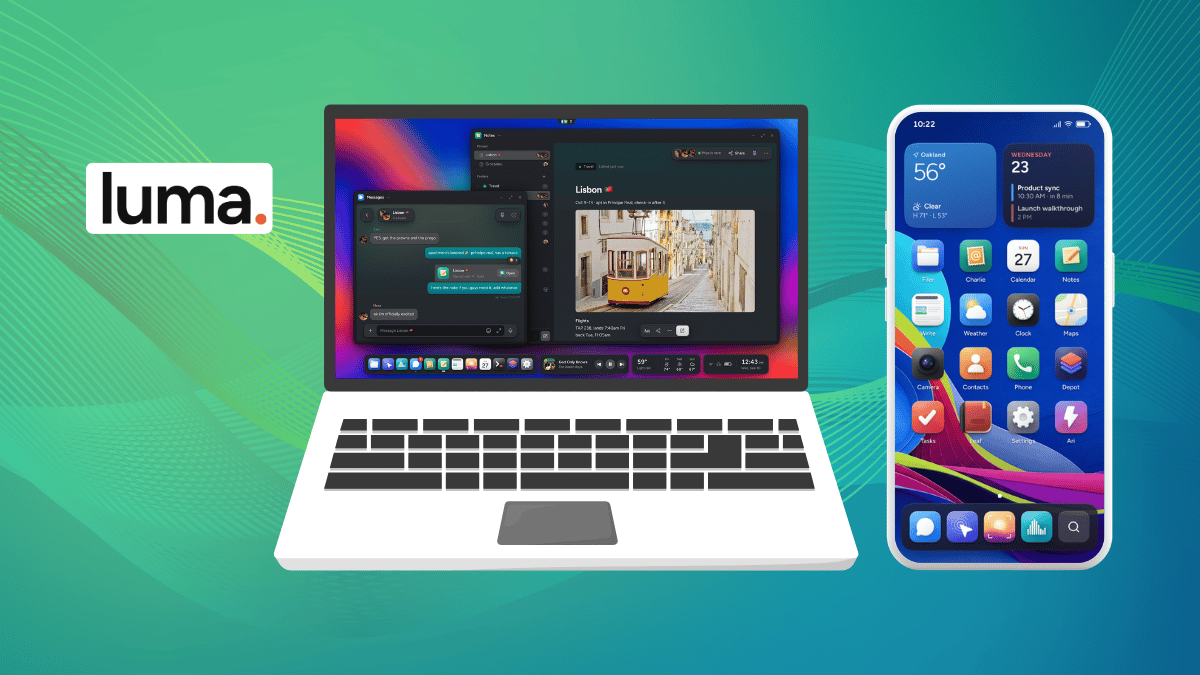
Today, a bold new project named Luma has emerged, promising to pick up the mantle where industry giants left off. Unlike the corporate-driven attempts of the past, Luma is an independent, community-led initiative that aims to redefine how we interact with our digital tools across every form factor.
Main Facts: What is Luma?
At its core, Luma is an ambitious operating system project that prioritizes a unified user experience. It is not merely another Linux distribution designed to sit atop a standard GNOME or KDE base; it is an architectural reimagining of the Linux stack.
Under the leadership of founder Nick (known in the developer community as nmcmil), Luma has been crafted by a small, autonomous team. Crucially, the project operates entirely free from the influence of shareholders, venture capitalists, or corporate mandates. This independence allows the team to prioritize user experience and design consistency over the "distro-hopping" trends that often plague the Linux desktop ecosystem.

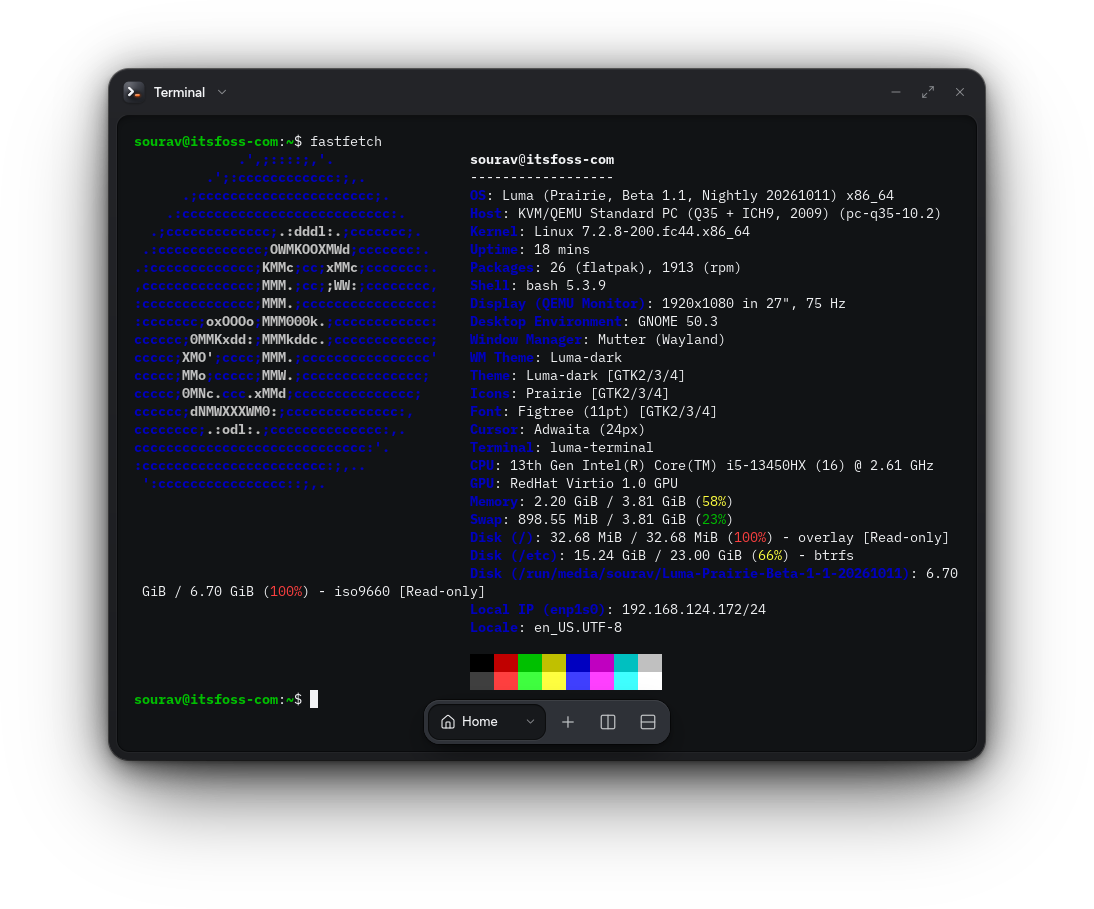
The current iteration of the system is built upon the foundation of Fedora 44, utilizing a modern, cutting-edge Linux kernel. However, the developers are quick to note that they have reworked significant portions of the underlying system stack, arguing that it functions less like a "typical" distro and more like a cohesive platform. The project is currently in a pre-release state, offering nightly ISOs for testing, though it is not yet recommended for production environments.
The Chronology of Convergence
The history of convergence in the Linux space is long and storied. To understand why Luma is generating such excitement, one must look at the timeline of previous efforts:
- 2013–2017 (The Ubuntu Era): Canonical, the company behind Ubuntu, pushed the "convergence" narrative aggressively. The goal was for a single codebase to power a smartphone that could become a desktop PC when docked. Despite the innovative design of Unity 8, the project was shuttered in 2017 as Canonical shifted its focus toward cloud infrastructure and IoT.
- 2017–2023 (The Fragmented Years): Following Ubuntu’s pivot, several projects attempted to fill the gap, such as Purism’s PureOS (for the Librem 5) and the PinePhone community. While successful in their niche, these projects often lacked a truly unified UI that felt "native" on both a 27-inch monitor and a 6-inch touchscreen.
- 2024–Present (The Luma Emergence): Luma began development with the goal of solving the UI consistency issue from the ground up. By focusing on a "hard fork" of GNOME—which they call the Prairie desktop—they have sought to create a shell that adapts its layout, fonts, and controls dynamically.
Supporting Data: The Technical Architecture
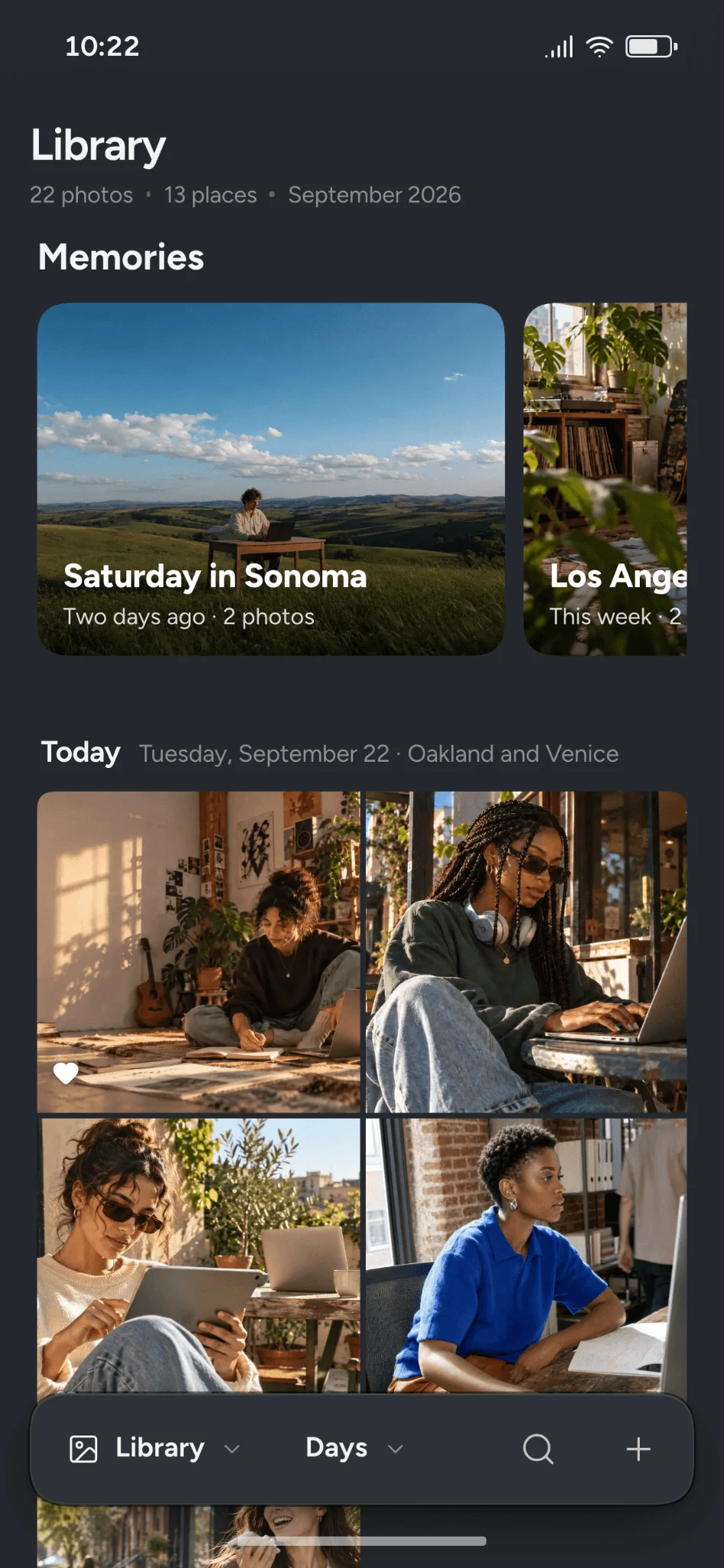
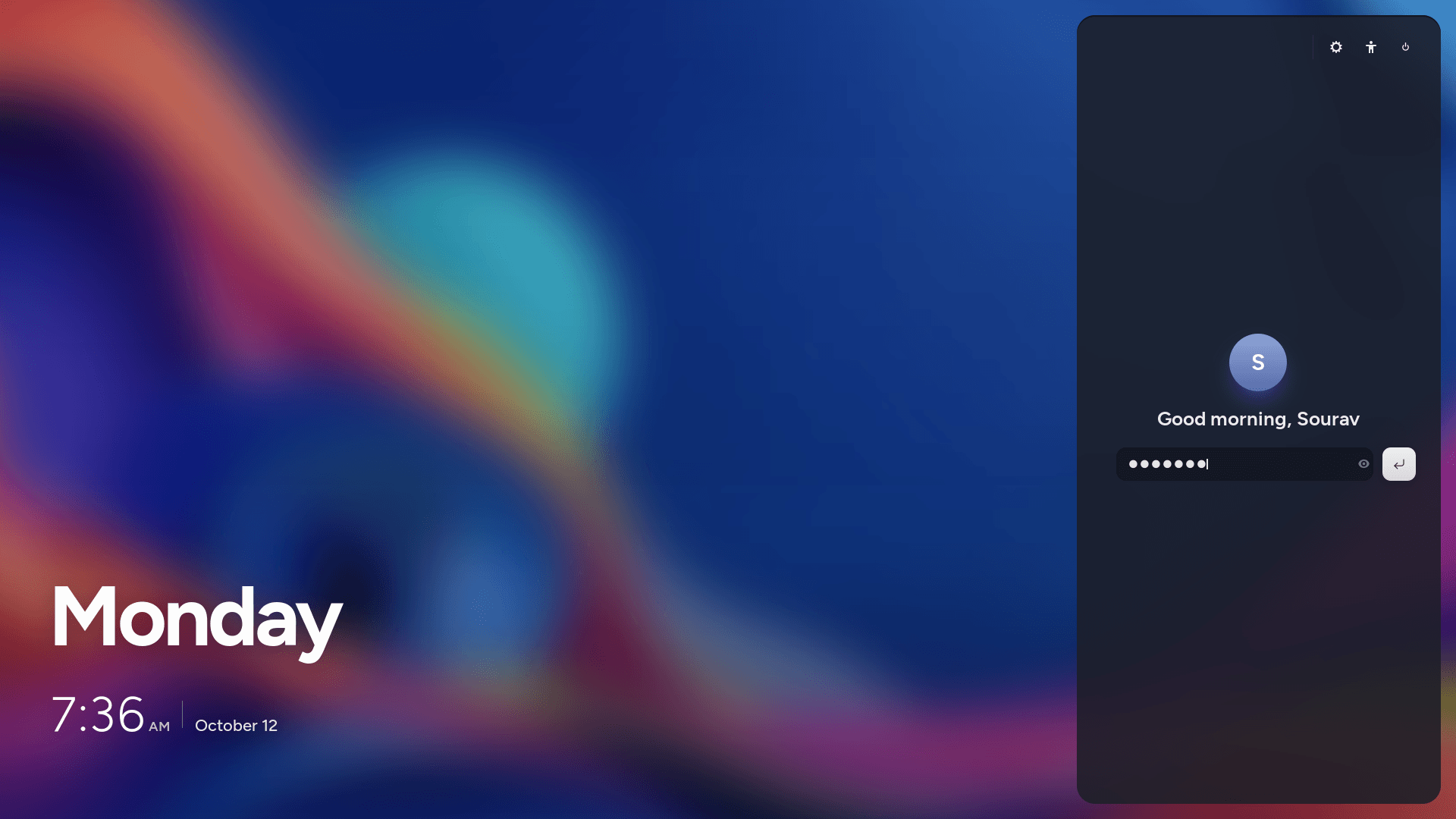
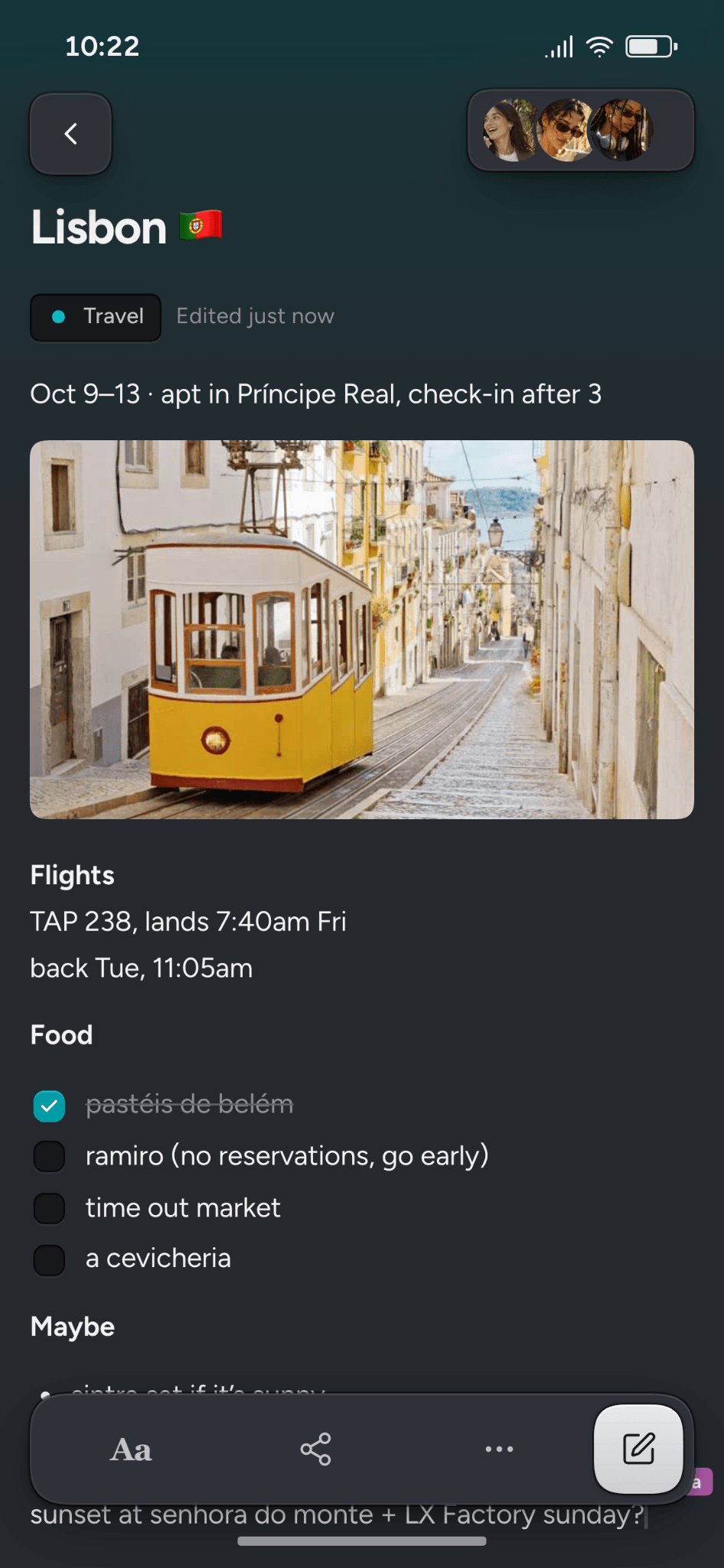
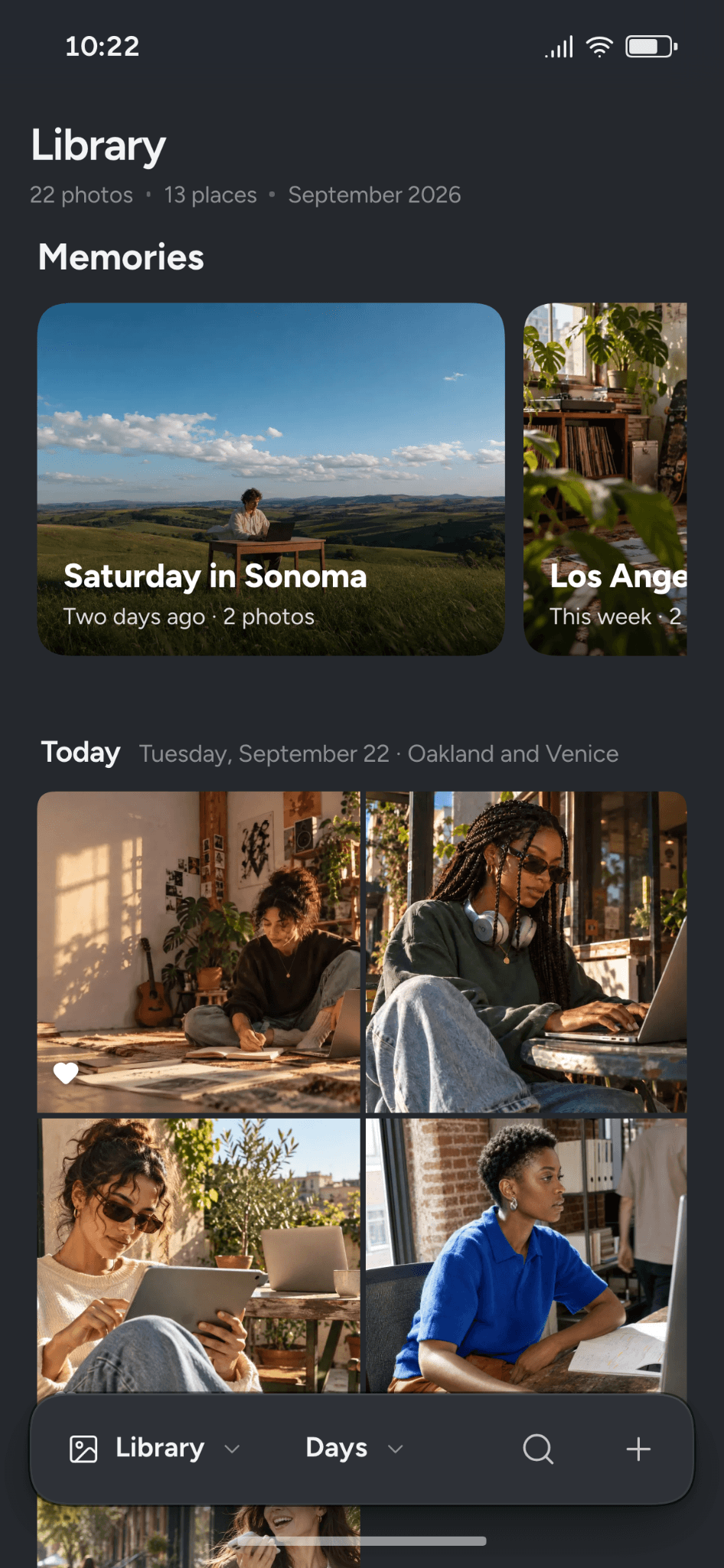
Luma’s architecture is defined by its commitment to a "native-first" philosophy. The system utilizes the LumaUI toolkit, which is built upon GTK and Libadwaita. This ensures that every pre-installed application—from the Viola web browser to the Filer file manager—shares a distinct, modern design language.
The Ecosystem
The Luma ecosystem is extensive, even at this early stage:
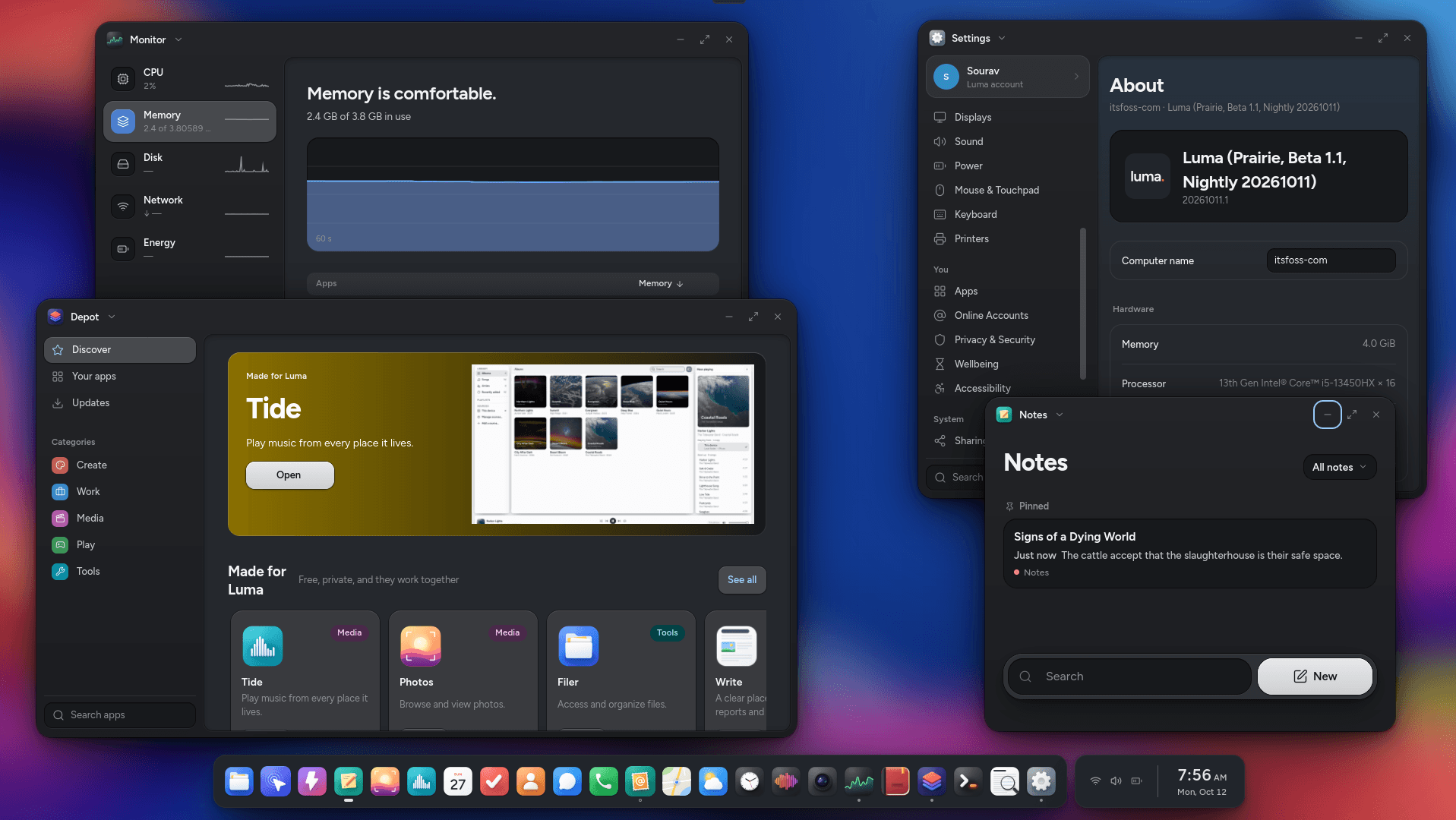
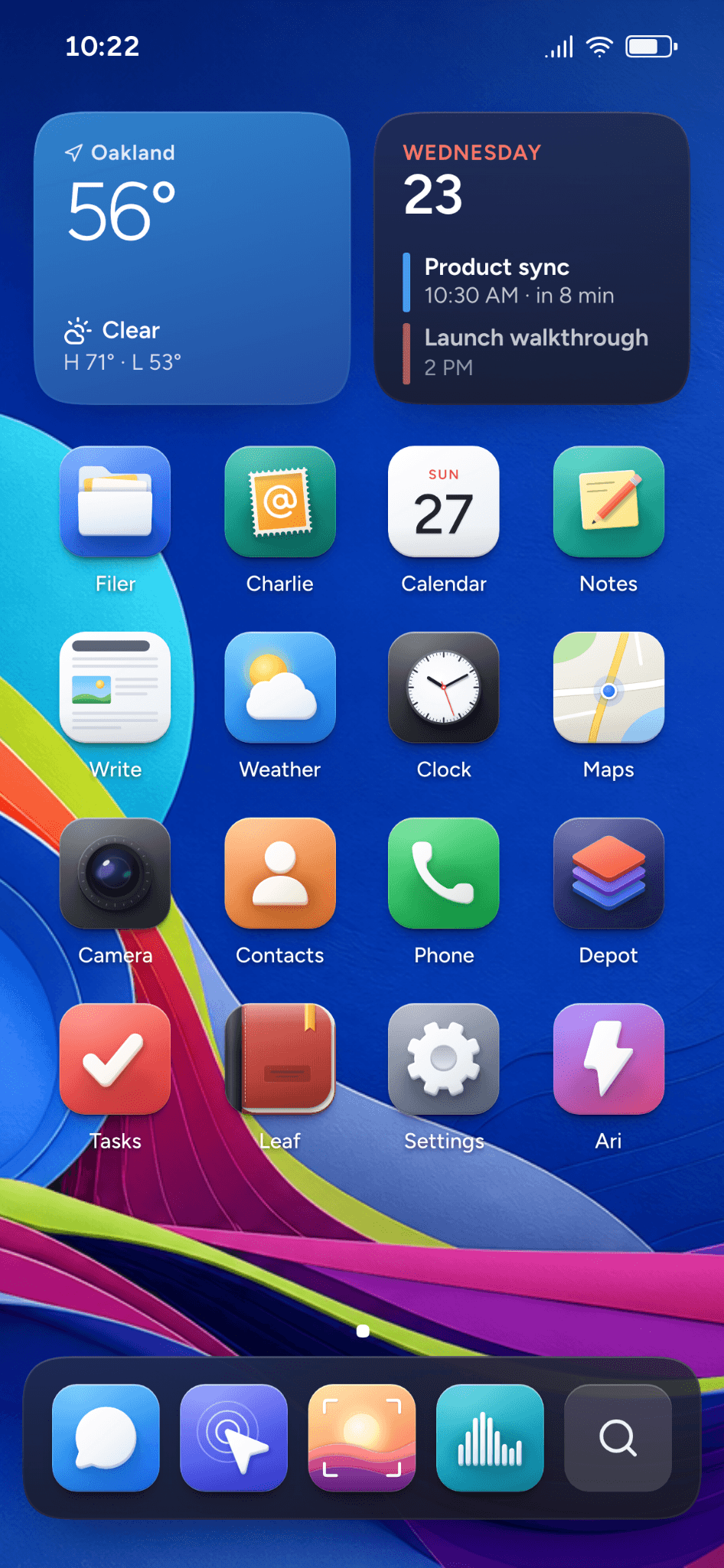
- Native Core Apps: Depot (App Store), Charlie (Email), Tide (Music), and standard utilities like Notes, Photos, and Messages.
- The Creative Collection: A suite of high-end tools including Canvas (design), Focus (RAW editing), Grid (spreadsheets), Stage (slides), Write (documents), Reel (video editing), and Sessions (audio mixing).
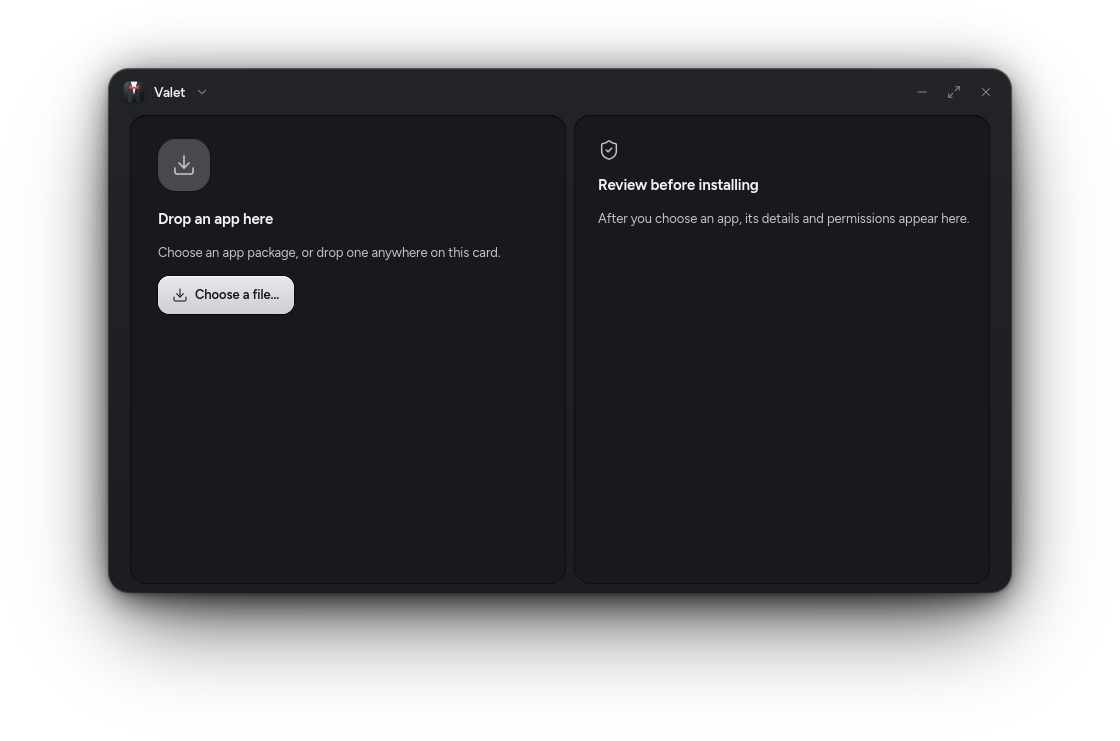
- The Valet System: Perhaps Luma’s most innovative feature, Valet is a centralized hub for managing software packages. It handles everything from DNF5, Flatpaks, and Snaps to AppImages, DEBs, EXEs, and even APKs. Crucially, it provides a "transparency layer," informing the user exactly who created an app and what system permissions it requires before installation.
AI Integration
Luma differentiates itself by integrating AI in a privacy-conscious manner. The assistant, Ari, is designed to run entirely on local hardware. This ensures that personal data remains on the user’s device, adhering to the project’s philosophy of privacy and user autonomy. Furthermore, the team has implemented "AI-assisted contributions," where human contributors are held fully accountable for any code generated with the help of AI, maintaining a high standard for security and stability.
Official Responses and Philosophy
The development team, led by Nick, has maintained a transparent stance on their mission. In their documentation and public blog posts, they have addressed the "why" behind the project.
According to the Luma blog, the project is a reaction to the bloat and inconsistency found in modern desktop operating systems. By taking a "hard fork" approach to GNOME, the team isn’t just changing a theme; they are stripping away years of legacy cruft to create a fluid, touch-responsive shell.
When asked about the reliance on AI, the team emphasized: "We believe AI is a tool for the developer, not a replacement for them. Every line of code, whether written by hand or assisted, carries the name of a contributor who takes responsibility for its function and security."
This commitment to accountability is reflected in their decision to host a bounty board, where the community can vote on which devices (such as the Fairphone 6 or the Google Pixel 9 series) should receive official, prioritized support.
Implications for the Future of Linux
The success of Luma could have profound implications for the Linux ecosystem. If Luma succeeds in delivering a truly unified experience, it could provide the first viable "third option" for mobile computing, challenging the duopoly of iOS and Android.
1. The Death of Distro Fragmentation?
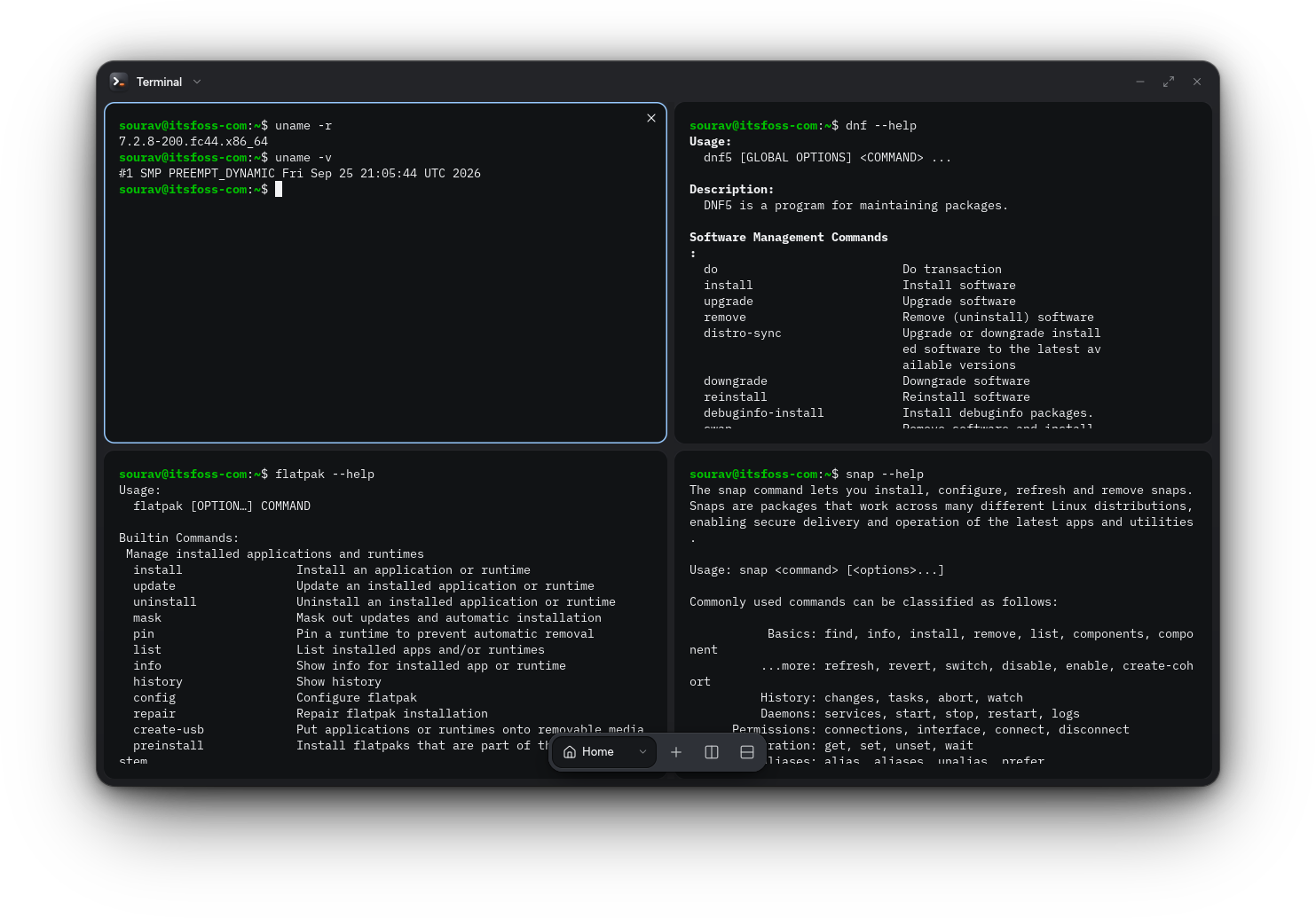
If Luma’s Valet system proves effective, it could lead to a standard way of handling diverse package formats across the Linux landscape. This would lower the barrier to entry for casual users who are currently intimidated by the differences between DEB, RPM, and Flatpak repositories.
2. Convergence as a Default
By making the interface responsive to touch, mouse, and keyboard input simultaneously, Luma challenges the assumption that desktop and mobile operating systems must remain distinct. If users can transition from a phone to a desktop docking station without losing their workflow or their interface, it could fundamentally change how professionals approach remote and hybrid work.
3. The Ethical AI Frontier
Luma’s approach to local-first AI could set a new industry standard. By proving that advanced AI assistance does not require cloud-based telemetry, Luma could pressure major OS vendors to adopt more privacy-centric models for their own assistants.
Conclusion: A Road to Maturity
While the promise of Luma is immense, the road ahead is challenging. The current 7.2 GB nightly ISO is a testing ground, not a finished product. The team acknowledges that the project is in its infancy, with ARM64 support still missing and many of the "Creative Collection" apps still in development.
To run Luma, users currently require a machine with at least an Intel/AMD dual-core processor, 4 GB of RAM, and 40 GB of storage. As the project matures, the developers plan to expand support to more hardware, particularly targeting mobile devices.
Luma represents a rare intersection of ambition and idealism. In an era where operating systems are increasingly controlled by massive corporations with opaque data policies, Luma offers a glimpse of a different future—one where the user, not the provider, dictates the terms of the digital experience. Whether it will finally achieve the dream of total convergence remains to be seen, but the journey itself is undoubtedly one of the most significant developments in the Linux world this year.
For those willing to test the boundaries of what an operating system can be, Luma is a project to watch. It is a testament to the fact that, even in 2026, the spirit of open-source innovation remains as vibrant and revolutionary as it was when the kernel first saw the light of day.