Reclaiming the Dashboard: How One Developer is Breaking the "Walled Garden" of Modern Automotive Software
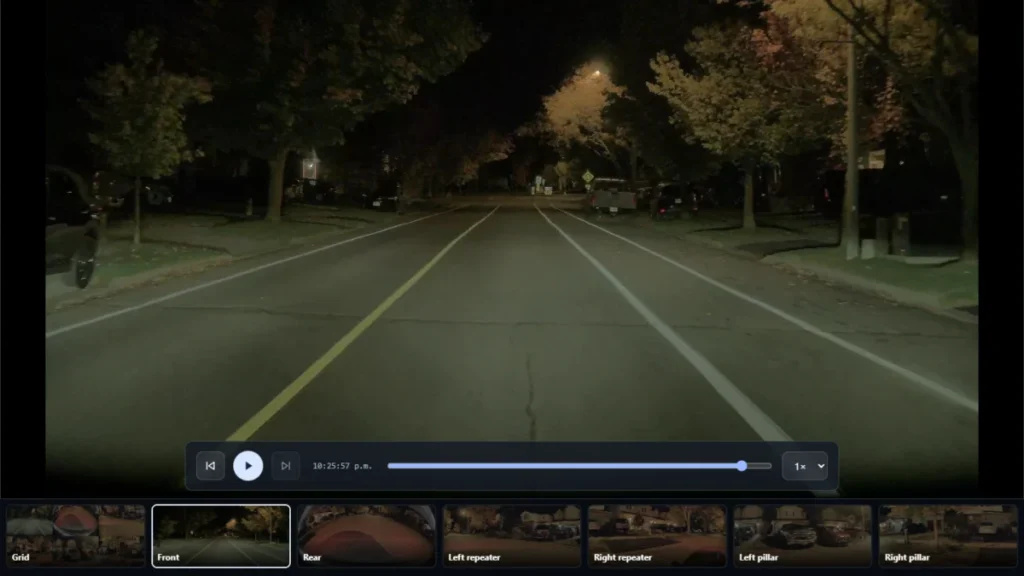
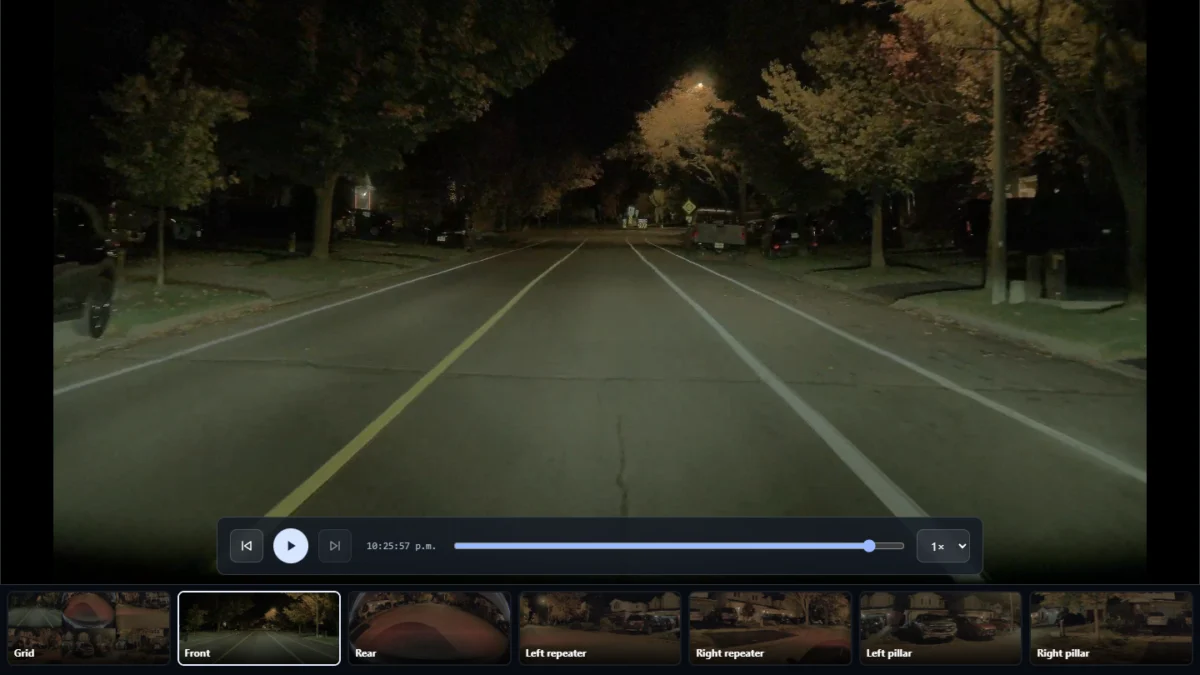
Modern vehicles have evolved from mechanical machines into sophisticated, rolling data centers. Today’s electric vehicles (EVs) are equipped with a suite of sensors, high-definition cameras, and powerful onboard computers that process vast amounts of data in real-time. Yet, despite this high-tech foundation, most owners find themselves locked out of their own hardware. Manufacturers increasingly rely on proprietary, closed-source ecosystems that limit how users interact with their vehicles, turning what should be a customizable computing platform into a restrictive "walled garden."
Against this backdrop of digital gatekeeping, a developer named Sasha has emerged with a compelling solution. Their project, titled "Glovebox," represents a significant step toward reclaiming control over automotive data. By utilizing a Raspberry Pi Zero 2 W to automatically sync onboard camera footage to a personal Network Attached Storage (NAS) device, Sasha has provided a blueprint for how owners can bypass restrictive manufacturer software to manage their own data.
Main Facts: The "Glovebox" Solution
The Glovebox project is an open-source initiative designed to bridge the gap between proprietary vehicle operating systems and user-controlled data storage. At its core, the system is a specialized software stack that runs on a Raspberry Pi—a credit-card-sized computer favored by hobbyists and engineers alike.
How it Works
The hardware implementation is deceptively simple: a Raspberry Pi Zero 2 W is plugged directly into a USB data port located within the vehicle’s glovebox. Once the software is flashed onto the Pi’s microSD card, the system functions as a transparent bridge between the car’s onboard computer and the user’s home network.
Key features of the Glovebox system include:
- Automated Synchronization: The software detects when the car is within range of a designated Wi-Fi network and automatically initiates a backup of video files from the car’s onboard cameras to a user-defined NAS.
- Intelligent File Management: To prevent the car’s internal storage from filling up—a common issue with high-definition dashcam systems—Glovebox intelligently identifies synced files and deletes them from the vehicle’s local drive, freeing up space for new recordings.
- Resumable Transfers: The system is designed with the realities of mobile connectivity in mind. If the vehicle is moved or the Wi-Fi connection is lost mid-transfer, the software tracks the progress and automatically resumes the backup once the connection is re-established.
- Data Sovereignty: Unlike manufacturer-cloud solutions, which often lock user footage behind subscription paywalls or privacy-invasive terms of service, Glovebox ensures that data remains under the user’s total control. No information leaves the local area network (LAN) unless the owner explicitly configures a third-party cloud backup themselves.
Chronology: From Closed Systems to Community Innovation
The journey toward this development reflects a broader historical trend in consumer electronics and automotive engineering.
The Rise of the "Black Box" Era
In the early 2010s, automotive manufacturers began integrating advanced driver-assistance systems (ADAS) and integrated dashcam features into vehicles. Initially, these features were treated as luxury add-ons. As manufacturers realized the value of the data generated by these cameras, they began tightening software restrictions. Owners found that accessing their own footage often required proprietary apps, cumbersome USB transfers, or, in some cases, paying a recurring subscription fee to access "cloud" storage provided by the car company.
The Genesis of Glovebox
Sasha’s project began as a response to the frustration of managing internal storage limits on their own EV. Faced with the choice of either manually clearing storage or losing older footage, they began investigating the communication protocols between the car’s USB port and its media storage partition.
By analyzing the data handshake protocols, Sasha discovered that the car recognized the Pi as a standard storage device, allowing the software to query the file system. Over several months of development, the software evolved from a basic script into a robust management tool. By late 2023, the project was refined and released via GitHub, inviting the wider community to audit the code and contribute to its development.
Supporting Data: Why Local Control Matters
The move toward localized storage is not merely a hobbyist’s preference; it is a response to the shifting landscape of digital privacy and data security.
The Privacy Dilemma
Most modern EVs transmit diagnostic and visual data back to the manufacturer’s servers. While this is marketed as a tool for improving vehicle safety and software performance, it creates a massive "honey pot" of sensitive information. If a vehicle is involved in an incident, the metadata—and sometimes the video footage—is stored on servers outside the owner’s control.
Performance and Reliability
Internal storage in cars is often limited by the hardware design. Users who use features like "Sentry Mode" or continuous loop recording often find that their storage is overwritten in as little as 24 to 48 hours. By moving this data to a personal NAS, owners can maintain years of archival footage, providing a much higher level of security in the event of accidents, vandalism, or insurance disputes.
Official Responses and Industry Stance
The automotive industry has historically been wary of third-party modifications to vehicle software. Manufacturers such as Tesla, Rivian, and others frequently update their firmware to patch "vulnerabilities." Often, these updates serve to close off the very ports that tools like Glovebox utilize.
Manufacturer Perspective
While manufacturers have not issued a formal statement regarding the Glovebox project specifically, their general policy is one of "locked-down security." Companies argue that allowing third-party hardware access to the vehicle’s internal data bus creates potential cybersecurity risks. They contend that unauthorized USB devices could, in theory, interfere with critical vehicle systems.
The Counter-Argument: The Right to Repair
Advocates for the "Right to Repair" movement argue that manufacturers are using "security" as a pretext to monopolize the aftermarket ecosystem. By restricting access to data ports, they effectively force owners into using the manufacturer’s own services. Sasha’s project is seen as a victory for the Right to Repair movement, proving that consumers can build safe, reliable workarounds that respect the integrity of the vehicle while asserting ownership over the data it generates.
Implications: The Future of Car Customization
The implications of the Glovebox project extend far beyond the convenience of backing up dashcam footage. It serves as a proof-of-concept for the future of "Automotive Computing."
The "Game Controller" Precedent
As noted in earlier hacks—such as the infamous project where a car was turned into a video game controller—the curiosity of the engineering community is boundless. When owners are given the tools to interact with their car’s software, they find novel, unexpected uses for the hardware. If a Raspberry Pi can manage file transfers today, it could eventually be used to customize cabin lighting, optimize battery management based on local weather data, or even provide real-time telemetry overlays for track days.
Challenges and Scalability
The primary hurdle for the Glovebox project remains its specificity. Because each manufacturer uses different proprietary software stacks and file system structures, the project currently only supports a specific make and model. However, the open-source nature of the project invites other developers to port the software to different platforms.
A Call to Action for Enthusiasts
For those interested in the technical underpinnings, the Glovebox GitHub repository provides a window into the complex communication protocols that power modern transport. While the project is currently a niche tool for a specific EV, it stands as a testament to the power of open-source development. It reminds us that our cars are not just appliances to be consumed, but computers that can be understood, managed, and improved.
As the industry moves toward increasingly software-defined vehicles, the struggle between manufacturer control and user agency will only intensify. Projects like Glovebox are the front lines of this battle, ensuring that even in the age of the "black box" car, the power remains, quite literally, in the hands of the owner. Whether through custom scripts or simple hardware bridges, the era of the "unhackable" vehicle is coming to an end, replaced by a new era of community-driven innovation.