The Paywall of Information: Meta’s Controversial Link-Sharing Test Sparks Backlash Among Public Entities
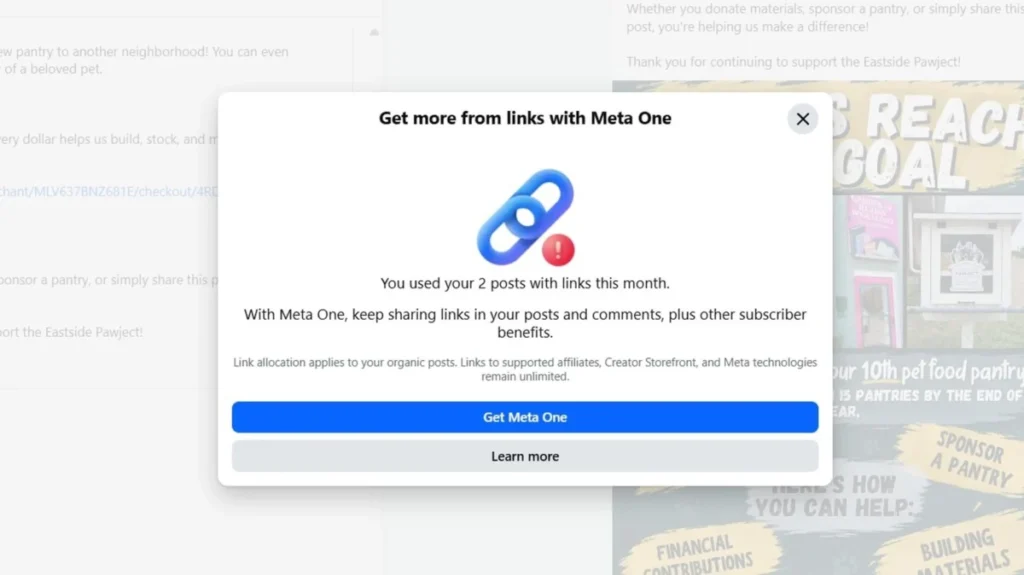
In a move that has sent shockwaves through the community management sector, Meta has begun testing a restrictive feature that places a hard cap on the number of external links government agencies and nonprofit organizations can share on Facebook. While Meta maintains that this initiative—part of its broader "Meta One" subscription push—is not intended to target public service entities, the reality on the ground paints a different, more chaotic picture.
For many organizations that rely on Facebook as their primary megaphone for public outreach, this development is not merely an inconvenience; it is an existential threat to their ability to disseminate critical information.
The Core Conflict: When Public Service Meets a Paywall
The crux of the issue lies in Meta’s ongoing effort to pivot its business model toward subscription-based revenue. Under the new "Meta One" program, users—and increasingly, page managers—are finding that the ability to include a URL in a post is no longer a standard utility, but a tiered service.
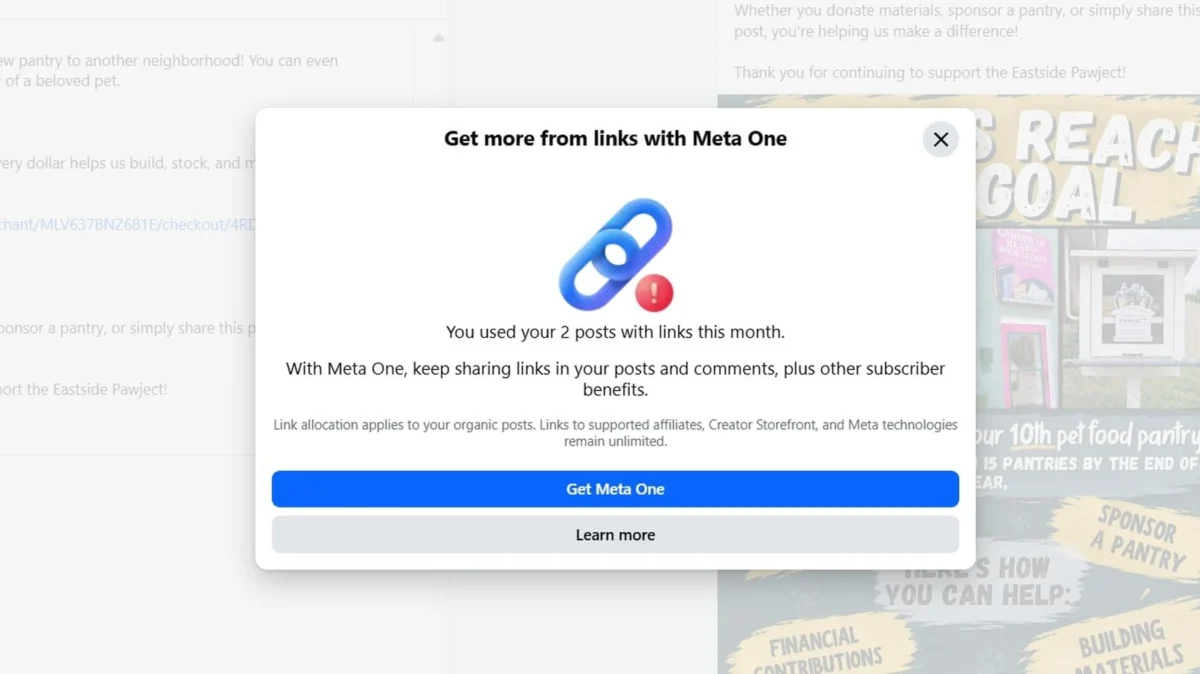
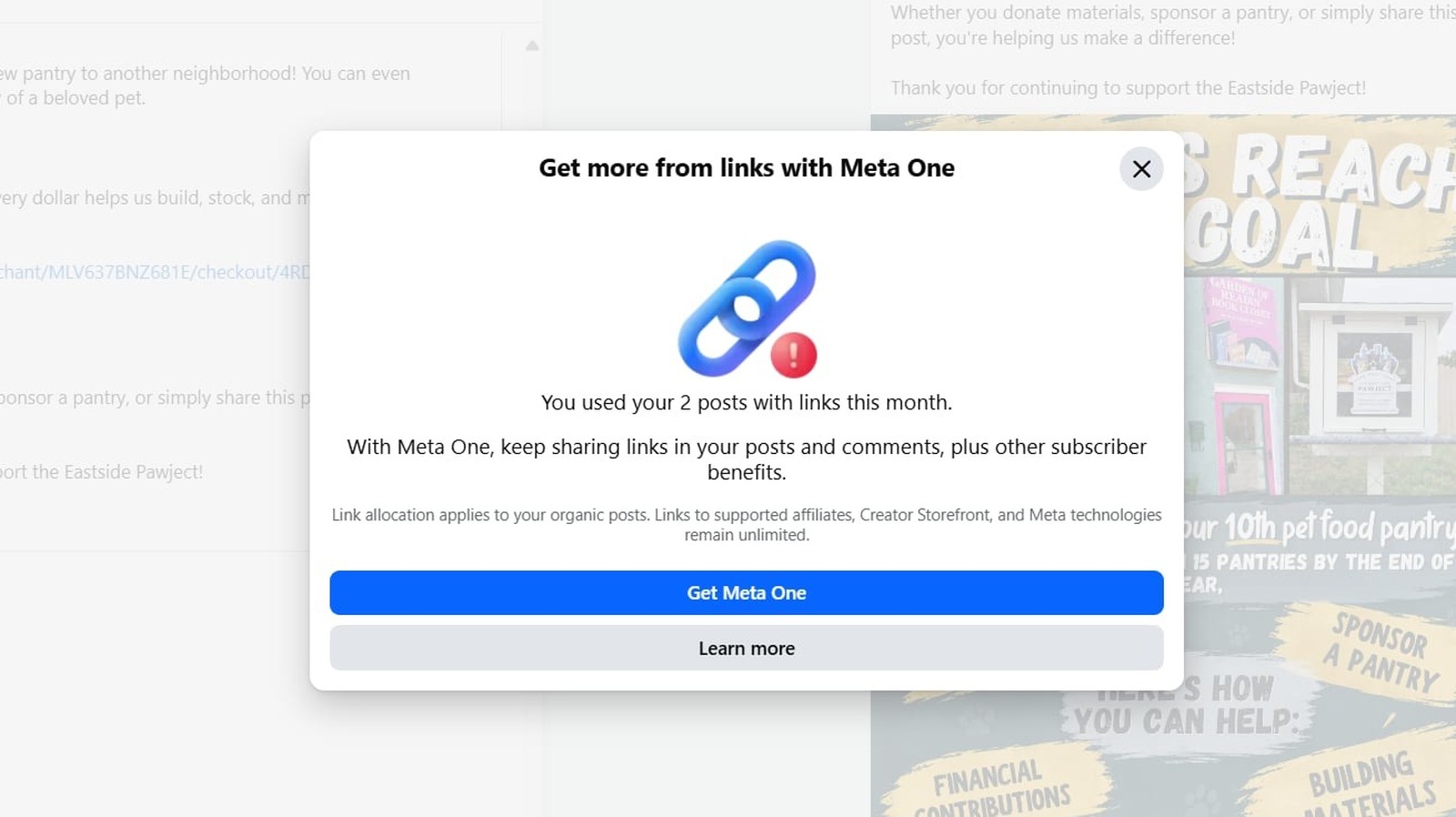
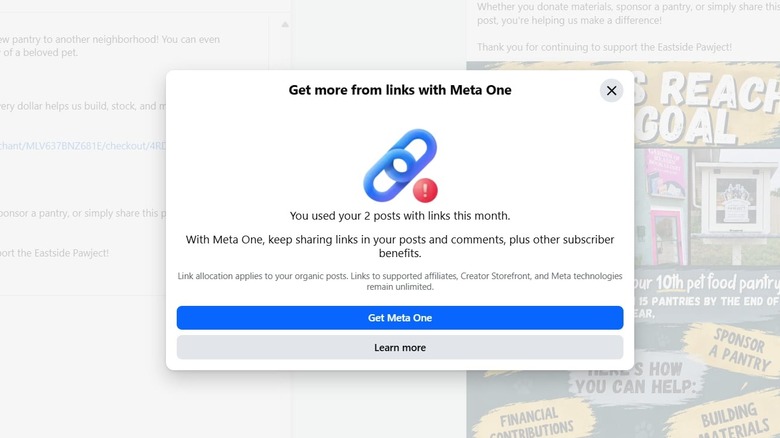
For many, the first sign of this change was a stark, automated notification: "You can add links to 2 posts per month, and you’ve used them all." To continue sharing content that directs followers to official websites, event pages, or donation portals, these entities are being prompted to purchase subscriptions ranging from $50 to nearly $500 per month.
For Daniel Starks, the communications manager for the city of Greenville, Texas, the notification felt like a betrayal of the platform’s role as a public square. Overseeing nearly a dozen pages for a city of 35,000 residents, Starks found that the library’s official page had been throttled. "More than half of what we do as a city is linking back to information on our website," Starks explained. "It’s scary because we don’t know how we’re going to pivot."
A Chronology of Confusion: The Rollout of “Meta One”
The transition began nearly a year ago, though its implications for institutional users only recently reached a boiling point.
- Initial Integration: Meta first introduced the concept of paid link-sharing through the "Meta Verified" subscription tier.
- The AI Pivot: As Meta shifted its corporate strategy toward AI-centric products, these restrictions were migrated into the new "Meta One" plans.
- The Targeted Test: In recent months, the company began aggressively prompting page administrators to upgrade to retain basic posting functionality.
- The Escalation: By October 2026, widespread reports emerged of government-verified pages and registered nonprofits being blocked from posting links after just two attempts, despite Meta’s assurances that these sectors were exempt.
- The "Glitch" Narrative: Following significant public outcry and media scrutiny, some organizations, such as California Freethought Day, reported that their access was abruptly restored without explanation—a pattern that suggests the system is struggling to distinguish between commercial businesses and public interest entities.
Supporting Data: The High Cost of Visibility
Meta’s pricing structure for Meta One is explicitly designed to monetize engagement. The tiers are as follows:
- Entry-Level ($14.99/month): Focuses on Instagram bio links; offers no additional Facebook link-sharing privileges.
- The Mid-Tier ($49.99/month): Provides a meager allowance of eight links per month on Facebook.
- The "Expert" Tier ($149.99/month): Allows for 20 links per month.
- The Premium Tier ($499.99/month): Offers "unlimited" link sharing, a price point that is virtually unattainable for the vast majority of local nonprofits.
For small organizations like the East Side Pawject, an Indianapolis-based pet food pantry, these numbers are staggering. "We’re a very small nonprofit, and we want to do big things, but that makes it very hard when something just like having social media is going to cost that much," said co-president Bethany English. With fewer than 1,000 followers, the organization relies on Facebook to coordinate volunteers and donations. A $150-a-month subscription to maintain a basic social presence is, in her words, "difficult to justify."
The Official Stance: A Disconnect in Communication
When approached for comment, Meta spokespeople have largely deflected, sticking to scripted talking points about the evolution of the platform. "We’ve been testing whether sharing links on Facebook should be part of the Meta One subscription," a company representative stated. "We will continue to evolve the experience based on the feedback we receive and what we learn."
Following an update to the original reports, the company offered a narrow clarification: pages must have the "nonprofit" category explicitly listed in their Facebook page settings to trigger an exemption. However, this defense has been met with skepticism. Experts point out that Meta possesses the technical infrastructure to identify verified government entities and organizations already participating in the company’s own fundraising tools. The failure to apply these filters suggests either a systemic negligence or an intentional "net" cast wide enough to capture as many paid subscribers as possible, regardless of their status.
Widespread Implications: The Future of Digital Civic Engagement
The implications of this test reach far beyond the balance sheets of local nonprofits. There are three primary concerns regarding the current trajectory:
1. The Erosion of the Public Square
Social media has become the primary infrastructure for local government communication. If municipalities are forced to pay a "link tax" to inform citizens about public health alerts, road closures, or city council meetings, the quality of democratic participation will inevitably decline. When governments are forced to hide links in comment sections to avoid paywalls, it degrades the user experience and lowers the reach of vital information.
2. The "Cash Grab" Allegations
Critics argue that tying basic functionality—like the ability to share a URL—to AI-centric subscription tiers is fundamentally dishonest. As marketing manager Jeff Bannister of the North Carolina nonprofit SparkPoint noted, "The ROI seems almost negative." There is little evidence that these links are being enhanced by "specialized AI capabilities." Instead, it appears to be a direct monetization of a feature that has been free for two decades.
3. The Digital Divide for Small Organizations
If only wealthy organizations can afford to have their links shared effectively, the digital landscape will become increasingly stratified. Smaller entities, which often serve the most vulnerable populations, are being forced to search for workarounds, such as creating cumbersome Facebook Events for every piece of information or relying on the manual labor of board members to post links from personal accounts.
Conclusion: The Long-Term Fallout
The current experiment by Meta underscores a growing tension between the corporate desire for infinite revenue growth and the foundational utility of the internet as a tool for public good. While Meta insists the restrictions are a "test" and that they are listening to feedback, the damage to trust among public sector users is already tangible.
As organizations like the city of Greenville and East Side Pawject begin to look for alternatives to Facebook, they are signaling a broader shift. If the platform continues to treat basic communication as a luxury service, it risks losing the very users who made it a global necessity. For now, the "paywall of information" remains in place, leaving countless public institutions in a state of uncertainty as they weigh the costs of maintaining their digital presence against the necessity of their mission.